
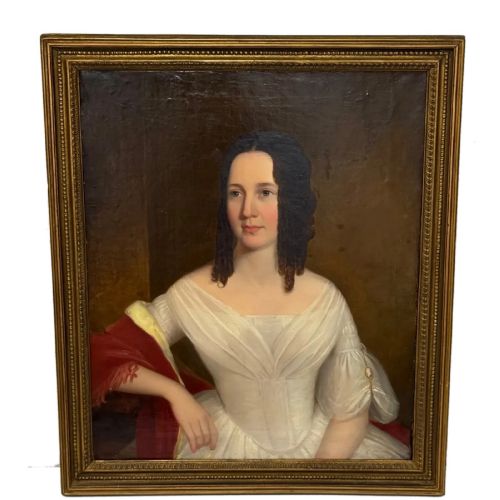
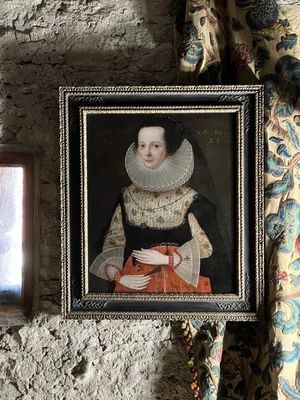
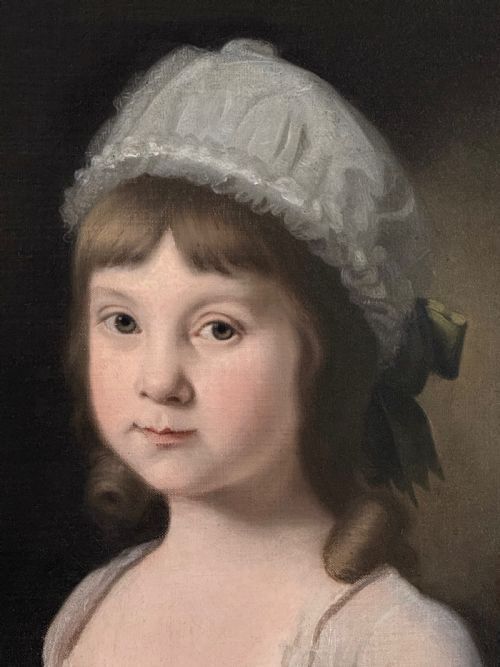
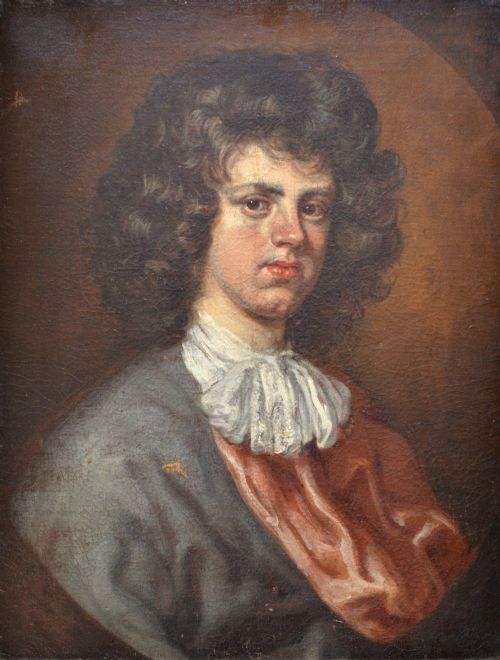
English School Oil Artwork
When you search for english school oil artwork, you uncover centuries of painted portraiture and landscapes captured by hands from the seventeenth century to the mid twentieth century.
English School Oil Artwork
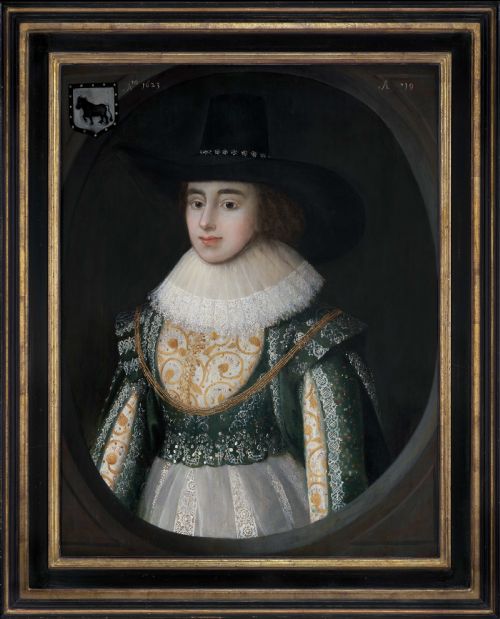
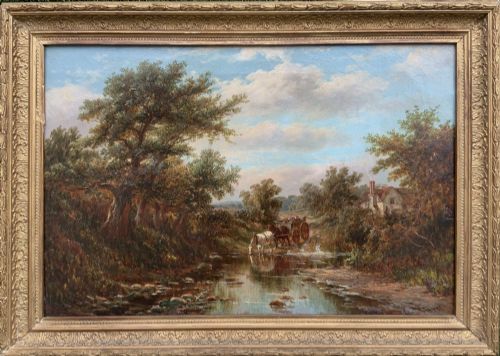
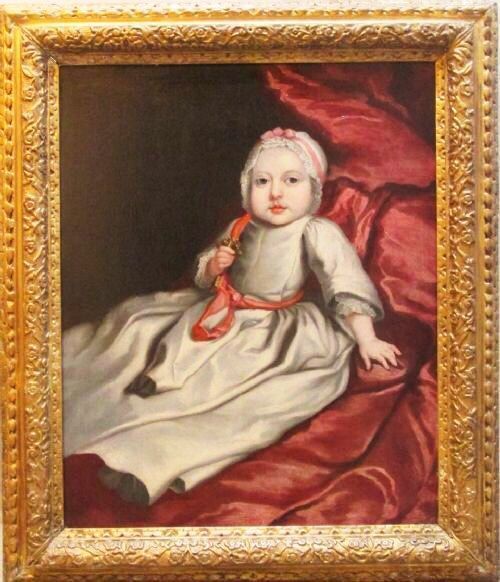
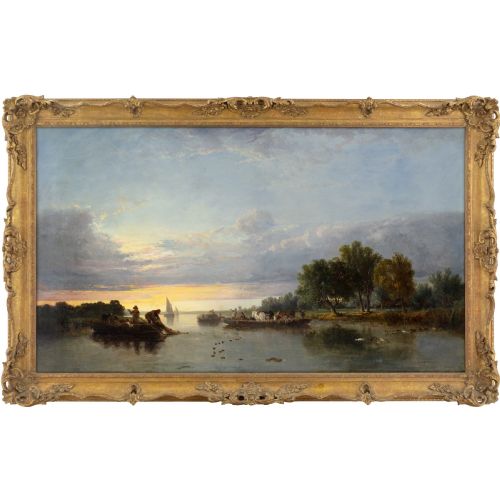
An english school oil artwork brings together centuries of regional portraiture and landscape painting produced across Britain. The selection spans distinct periods including the seventeenth, eighteenth, and nineteenth centuries, alongside Victorian and Regency expressions.
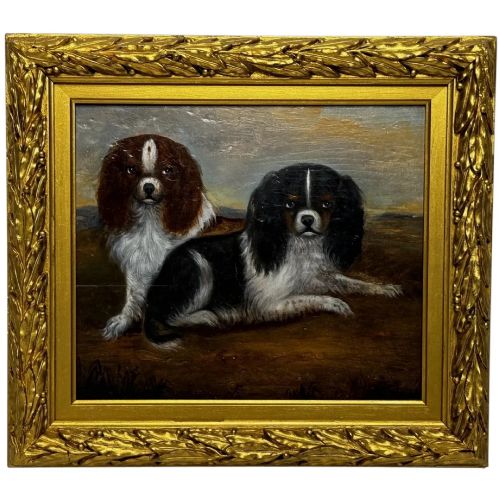
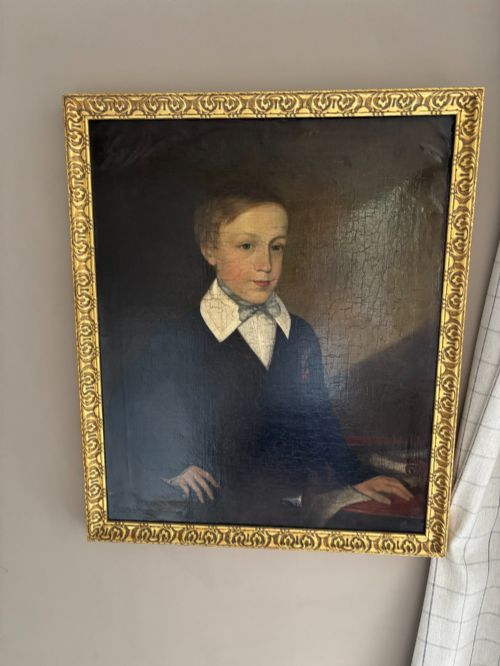
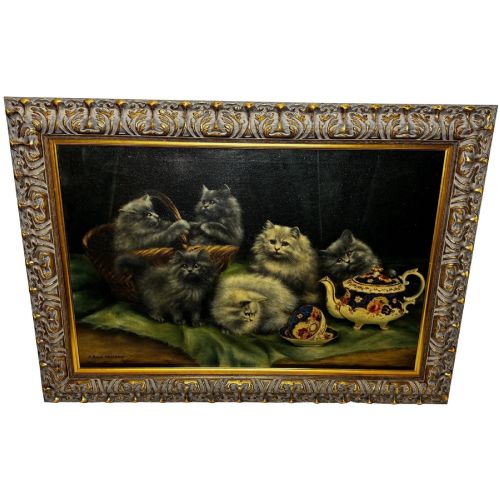
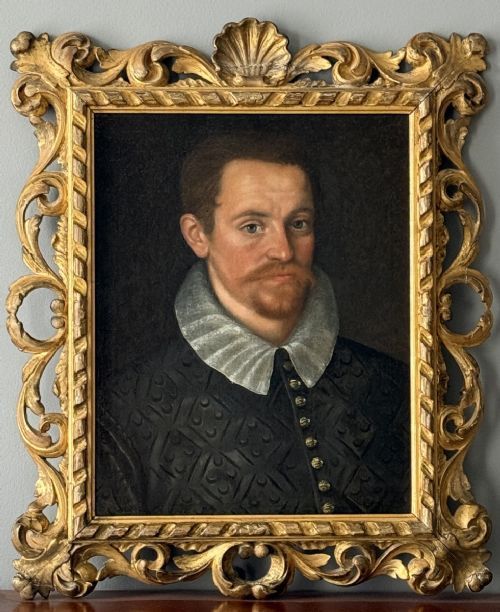
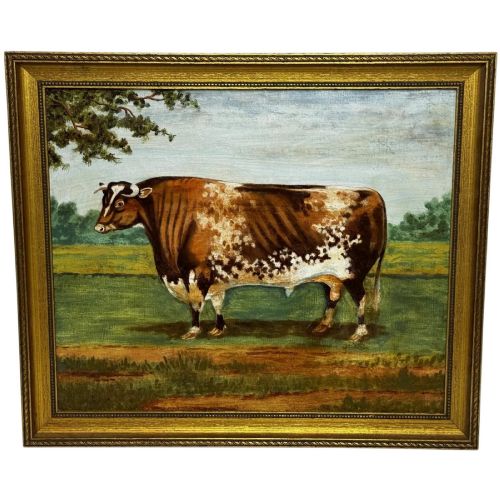
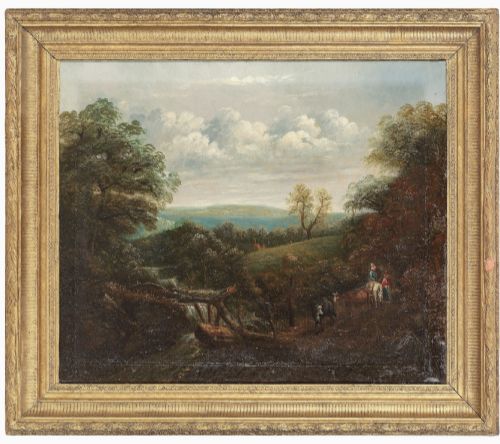
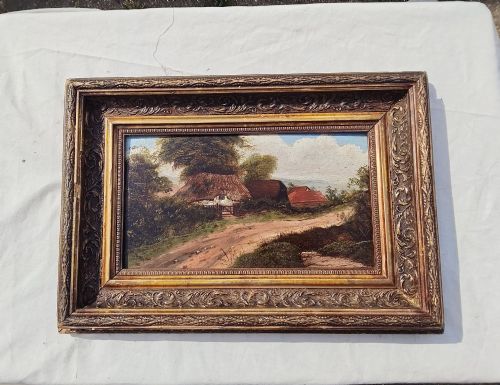
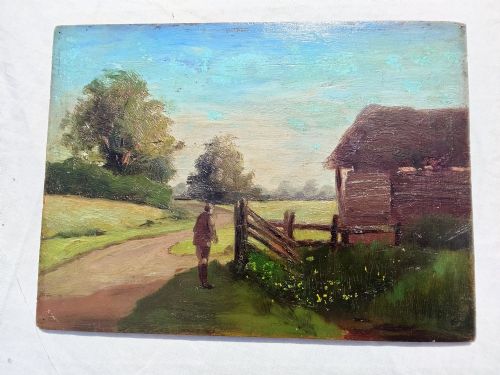
Buyers encounter oil on canvas, wood panels, and card supports depicting country paths, noblewomen, gentlemen with horses, and domestic scenes. Many pieces remain anonymous works attributed broadly to regional British circles rather than singular named masters.
The category encompasses fine art paintings ranging from grand aristocratic portraits to humble pastoral views and industrial townscapes. These works capture the changing social fabric and rural topography of Britain through successive artistic movements.
Materials and Construction
Painters of these works utilised oil paint applied to woven canvas, wooden boards, or sturdy card supports. Canvas surfaces were often stretched over wooden frames and secured before pigment application.
Many surviving pieces retain their period frames constructed from wood, embellished with gesso and finished in gold leaf or giltwood. These original surrounds provide structural context and protection for the delicate paint layers within.
Materials recorded in the evidence include oil paint, canvas, giltwood, wood, gold leaf, gesso, wooden board, and card.
Assessing Artistic Merit
The distinction between standard studio production and superior execution rests upon the confidence of the brushwork and the anatomical accuracy of the figures. Master painters captured facial expressions and textile folds with subtlety, whereas lesser works rely on rigid lines.
Compositional depth and the handling of light separate exceptional landscapes from simple topographical records. Superior examples demonstrate a careful balance of tone that guides the eye across the canvas.
Joshua Reynolds·Mary Beale·Benjamin Barker Of Bath·Thomas Lawrence·Charles Jervas·Thomas Sidney Cooper·Michael Dahl·Thomas Baker·Sidney Richard Percy
The English School Oil Artwork Glossary
- Gesso
- A plaster mixture applied to wooden frames as a smooth base for gilding. It provides a durable foundation for decorative mouldings.
- Canvas
- Heavy woven fabric stretched tightly across a wooden frame to serve as a painting surface. Linen and cotton represent the primary textile choices.
- Oil Paint
- Pigment mixed with drying oils such as linseed to form a versatile medium. It allows for slow blending and rich colour depth.
English School Oil Artwork: Frequently Asked Questions
What defines an english school oil artwork?
These works represent paintings executed in Britain or by artists trained within the British tradition across various centuries.
They encompass diverse subjects including portraiture, pastoral landscapes, and historical scenes reflecting the prevailing artistic styles of their era.
How should I care for an antique oil painting?
Keep paintings away from direct sunlight and fluctuating humidity to prevent the canvas and wooden frame from warping or cracking.
Dust the surface gently with a soft, dry brush and avoid using liquid cleaners or chemical solvents on the paint layer.
Are these paintings usually signed by the artist?
Many historical works remain unsigned because artists often left studio pieces or regional paintings unattributed.
When a signature is absent, experts look at technique, materials, and stylistic markers to identify the period or circle of production.