

English School Landscape Artwork
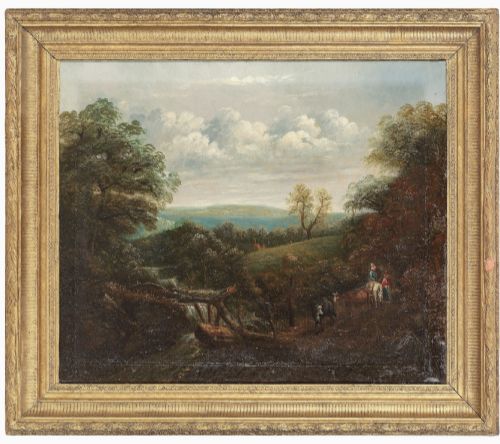
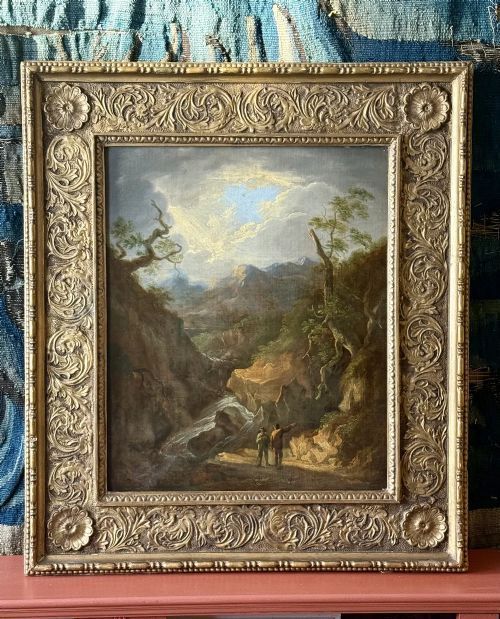
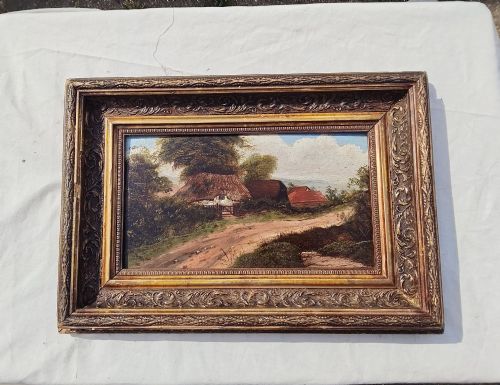
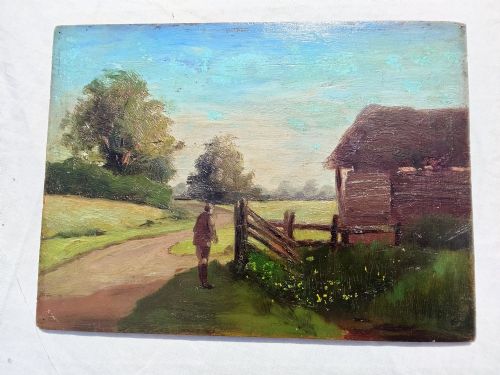
An english school landscape artwork captures the shifting light and pastoral views of the British countryside through historical painting and watercolour traditions.
English School Landscape Artwork
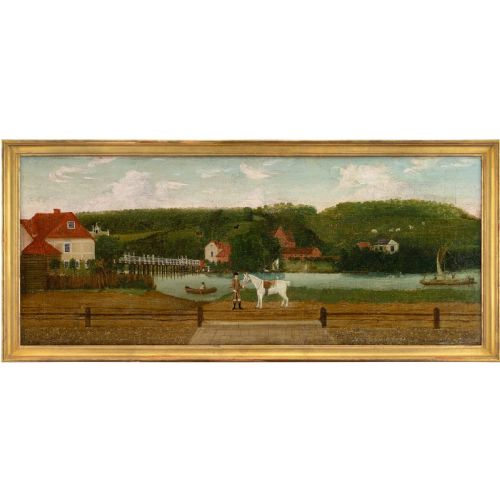
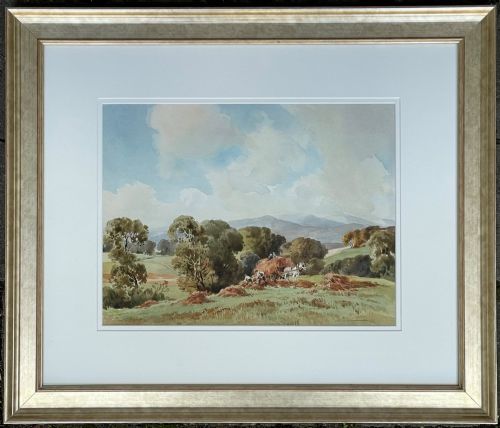
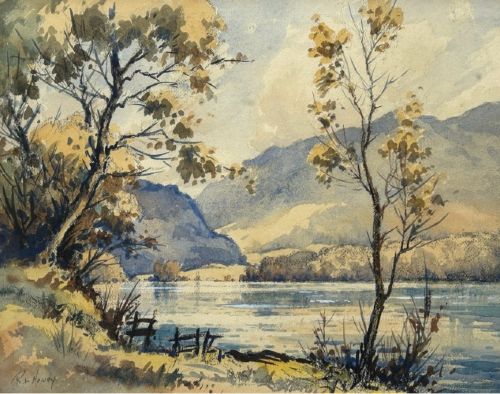
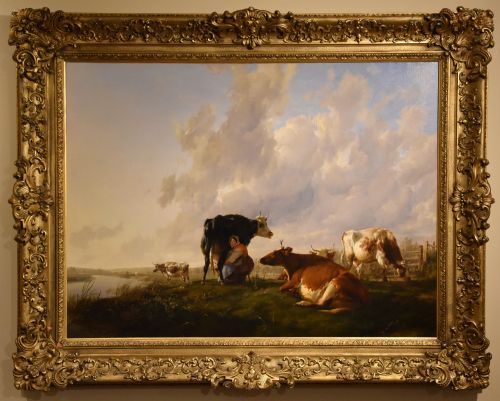
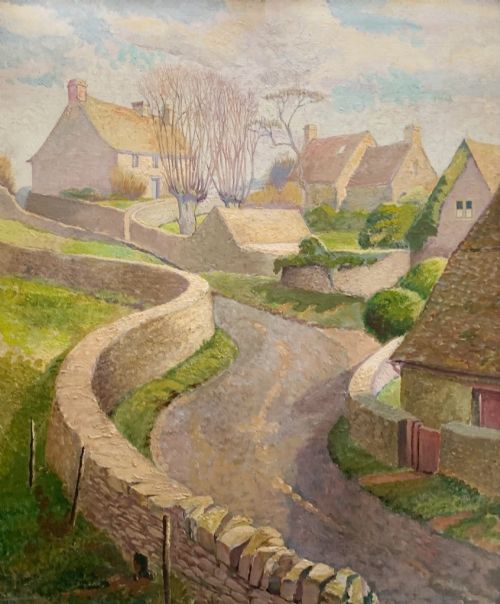
An english school landscape artwork brings historical British scenery into focus, spanning rural paths, river views, and coastal settings. These paintings and watercolours capture the changing aesthetic tastes of the eighteenth, nineteenth, and early twentieth centuries.
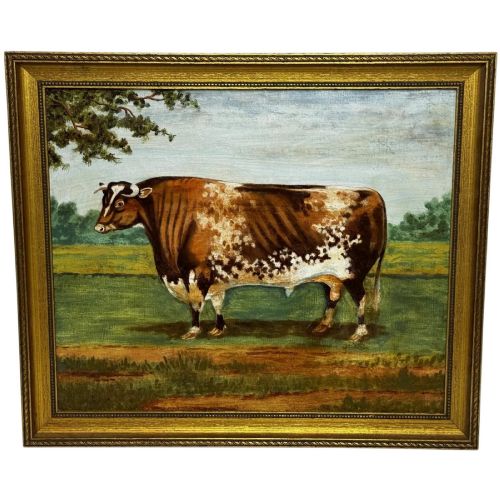
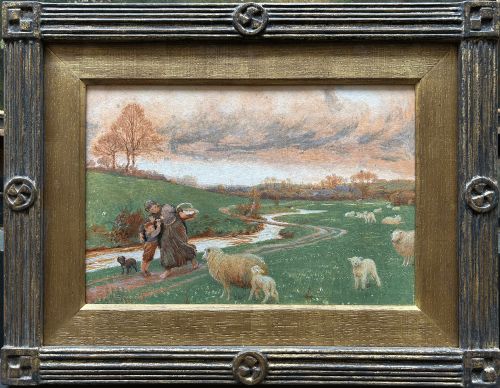
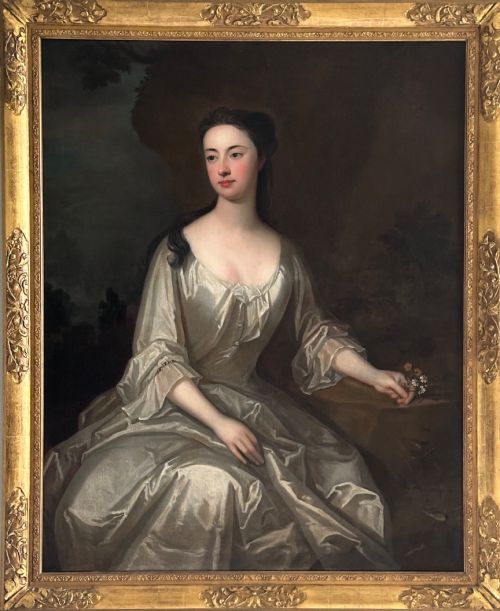
Most pieces on this page originate from the Victorian and Georgian periods, alongside later works from the Edwardian era and the mid-twentieth century. The selection includes framed oils on canvas, wooden boards, and delicate watercolours on paper.
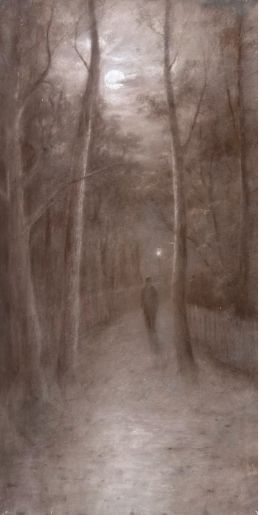
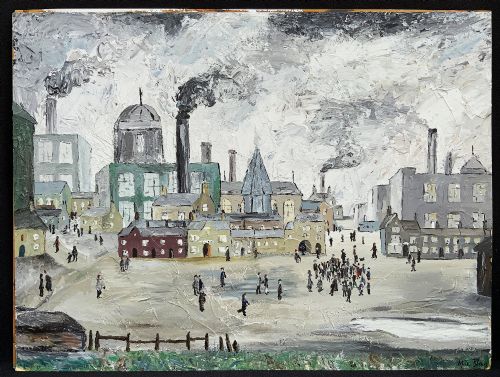
Subjects range from quiet country lanes and mountainous panoramas to industrial townscapes and figures beside rivers. Collectors encounter both signed works by known regional artists and unsigned pieces attributed to the broader British school.
Materials and technique
Artists relied primarily on oil paints applied to canvas, wooden panels, or card, building depth through layered pigments and glazes. Watercolours on paper offered a more immediate medium for capturing changing weather and natural light in the open air.
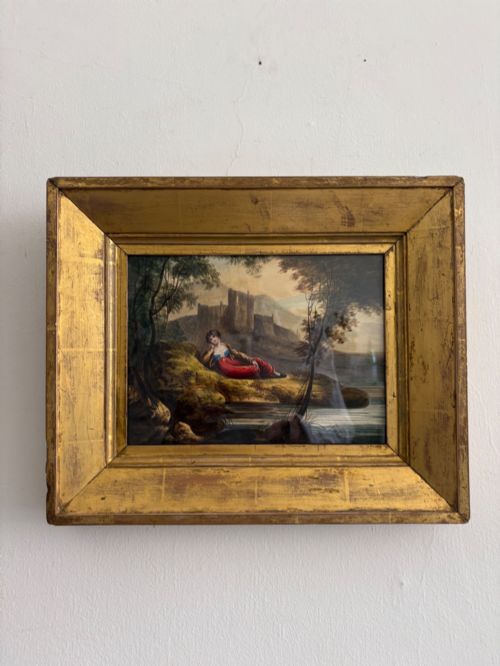
Framing played an integral role in presentation, with period pieces frequently housed in giltwood or carved wooden frames. Glass protection is standard for works on paper, preserving the delicate watercolours from environmental moisture and dust.
Listings feature works spanning the eighteenth century to the mid-twentieth century, utilising oil, watercolour, and charcoal on canvas, paper, and wood.
Judging the standard of a piece
Quality rests on the artist's handling of light, atmospheric perspective, and brushwork control within the landscape. Superior works demonstrate a confident command of proportion and composition that draws the viewer into the painted scene.
The condition of the canvas, board, or paper surface alongside the preservation of the original or period-appropriate frame influences the overall integrity of the artwork.
Percy Lancaster·Thomas Sidney Cooper·Benjamin Barker of Bath·George Morland·Sidney Richard Percy
The English School Landscape Artwork Glossary
- English school
- A term used to describe artists working in Britain or following British artistic traditions without necessarily belonging to a specific formal academy.
- Giltwood
- Wood carved and coated with a thin layer of gold leaf, commonly used for traditional picture frames during the eighteenth and nineteenth centuries.
- Norwich School
- The first provincial art movement in Britain, established in the early nineteenth century and focused on the landscapes of Norfolk.
- Watercolour
- A painting method in which the pigments are suspended in a water-based solution, typically applied to paper surfaces for landscape studies.
English School Landscape Artwork: Frequently Asked Questions
What defines an english school landscape artwork?
These works represent paintings and watercolours produced by British artists depicting domestic scenery, rural life, and topographical views. They reflect the stylistic developments of British art from the Georgian era through the twentieth century.
The designation often encompasses both formally trained painters and regional artists who captured the distinct character of the British countryside.
How should I display an antique landscape painting?
Antique landscape paintings benefit from placement away from direct sunlight and excessive humidity to protect the canvas, pigments, and wooden stretcher bars. Proper wall anchoring ensures the security of heavier giltwood frames.
Matching the period of the frame to the painting helps maintain the visual integrity of the artwork within a modern or traditional interior.
What is the difference between Georgian and Victorian landscapes?
Georgian landscape paintings often lean toward idealised pastoral scenes influenced by classical composition and gentrified estates. They reflect an eighteenth-century appreciation for picturesque order and subdued natural tones.
Victorian landscapes tend toward greater realism, atmospheric detail, and emotional connection to nature, occasionally influenced by realism or the Barbizon school.