

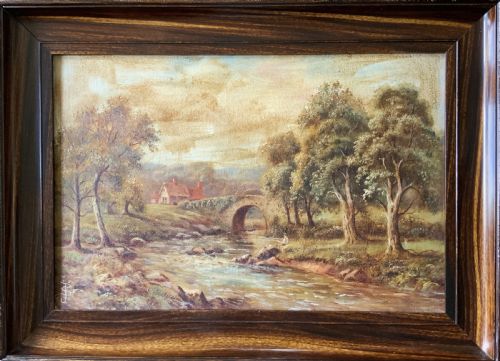


English Rural Scene Canvas
When you search for english rural scene canvas, you uncover historic painted depictions of agricultural life across Britain.
English Rural Scene Canvas
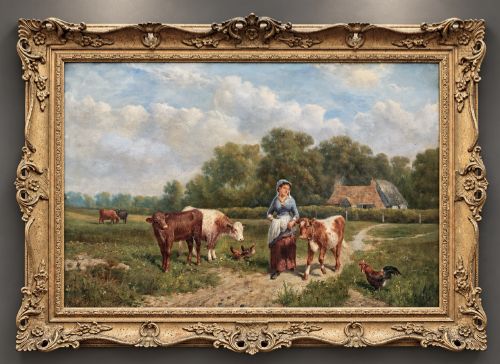
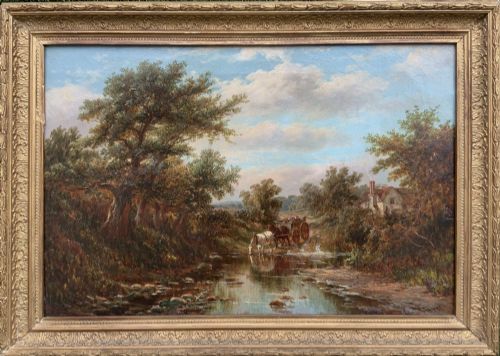
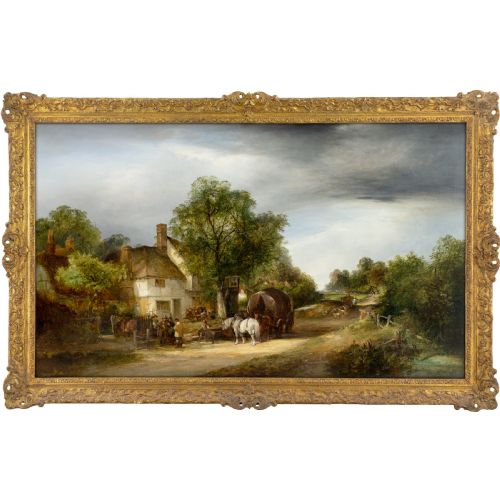
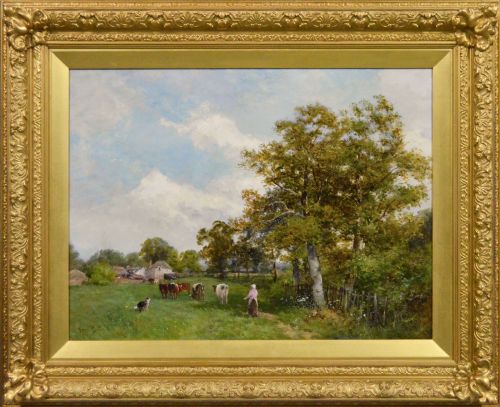
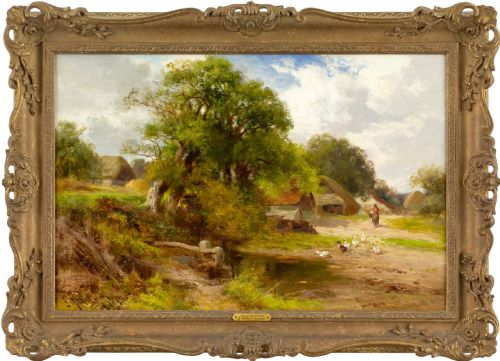
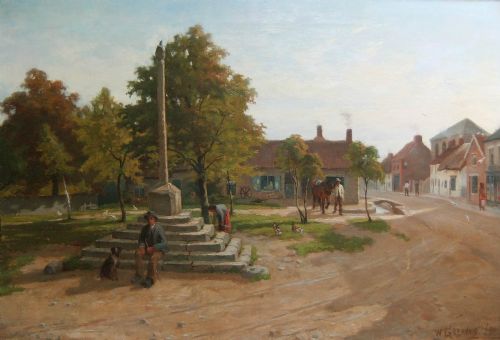
The English rural scene canvas captures traditional countryside life, agricultural labour, and pastoral landscapes primarily from the Victorian and Edwardian eras. These artworks document specific regional locations, from Yorkshire valleys to Sussex villages, depicting farmyards, harvest fields, and riverbanks. You are most likely to encounter oil paintings on canvas depicting cottages, livestock, and laborers created between 1860 and 1920.
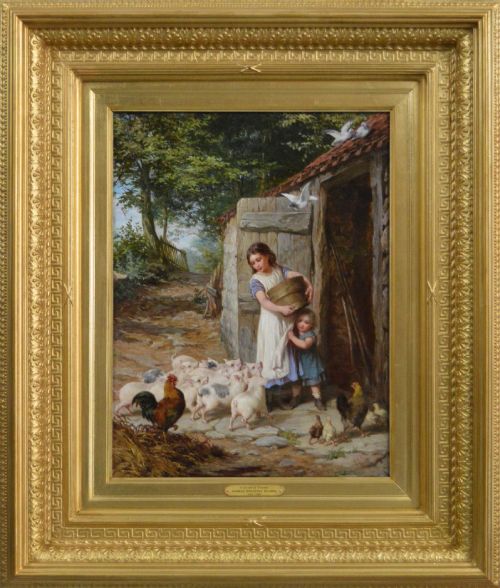
The subjects range from wide agricultural vistas with shire horses and cartloads of hay to intimate genre scenes of children feeding livestock or women herding cows. Artists of this period focused on recording recognizable British topography combined with daily rural routines. These pieces serve as historical windows into local agrarian communities before mechanization altered the rural landscape.
Materials and Technique
These works consist of oil paint applied to a woven canvas support, frequently stretched over a wooden frame. Artists utilised rich oil pigments to build texture and depth, particularly when rendering foliage, earth, and livestock. Many surviving examples retain their period gesso and gilt frames, which complement the traditional palette of the paintings.
Listings feature oil paintings on canvas dating from the eighteen-sixties through the nineteen-twenties, encompassing Victorian, Edwardian, and British Impressionist styles.
Assessing the Work
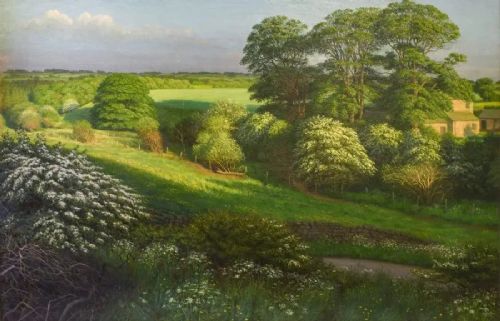
Quality rests upon the artist's ability to capture light, anatomical accuracy in figures and animals, and compositional balance. Superior works demonstrate skilled handling of atmospheric conditions, such as sunset lighting or late spring sunshine, rather than merely recording topographic details.
The distinction between standard commercial output and finer artistic achievement lies in narrative engagement and pigment preservation. Stronger paintings maintain structural integrity in the canvas support and retain original surface varnishes without excessive overpaint.
David Bates·George Augustus Holmes·Henry John Yeend King·Herbert Royle·Ernest Higgins Rigg·John Frederick Herring Jnr.
The English Rural Scene Canvas Glossary
- Oil on Canvas
- A traditional painting medium where oil-based pigments are applied to a stretched woven fabric support. This combination offers durability and allows for subtle blending of tones.
- Genre Painting
- Artwork depicting scenes from ordinary daily life, commonly featuring farm workers, domestic animals, or rural cottage activities. These subjects provide social context alongside landscape elements.
- Impasto
- Paint applied thickly to a canvas, standing proud of the surface so that the marks of the brush or palette knife remain visible. This technique adds tactile dimension to highlights and foliage.
- Gesso
- A plaster-like mixture applied to wooden frame mouldings to create a smooth surface before gilding. It provides the base for decorative gold leaf finishes on period frames.
- British Impressionism
- A late nineteenth and early twentieth-century painting style focusing on everyday subjects and the transient effects of natural light. Artists worked with looser brushstrokes than traditional academic painters.
English Rural Scene Canvas: Frequently Asked Questions
How do I date an antique rural canvas?
Dating relies on stylistic evidence, artist signatures, framing materials, and stretcher construction methods. Victorian works typically display tighter academic brushwork, while early twentieth-century pieces often show looser impressionistic tendencies.
Examine the canvas rear for old labels, framer stamps, or handwritten inscriptions regarding locations and dates. Comparing the artist's recorded exhibition active years provides a reliable chronological anchor.
Where should I hang an oil painting?
Select an interior wall protected from direct sunlight, high humidity, and extreme temperature fluctuations. Consistent environmental conditions prevent the canvas fabric from slackening and protect oil pigments from fading.
Keep paintings away from direct heat sources such as radiators or open fires. Proper placement ensures the canvas and its original gilt frame remain stable for decades.
What subjects are most common?
Harvest scenes, farmyard operations with livestock, and cottage landscapes dominate this artistic period. Artists frequently recorded specific regional farming activities involving shire horses, cattle, and sheep.
These subjects reflect a nostalgic view of traditional British agrarian life during periods of urban expansion. Regional variations highlight local topography across Yorkshire, Sussex, and the Home Counties.