




English River Scene Canvas
An english river scene canvas brings the quiet motion of nineteenth-century waterways directly into a room.
English River Scene Canvas
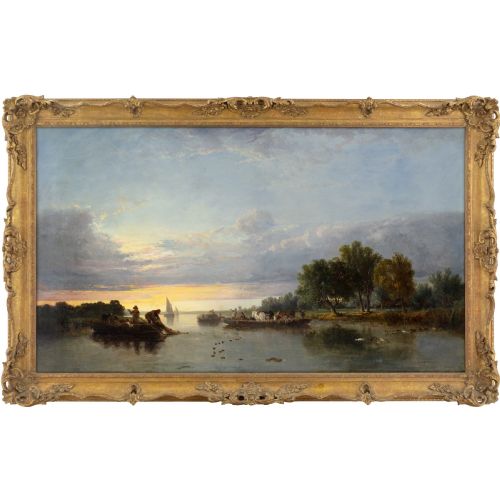
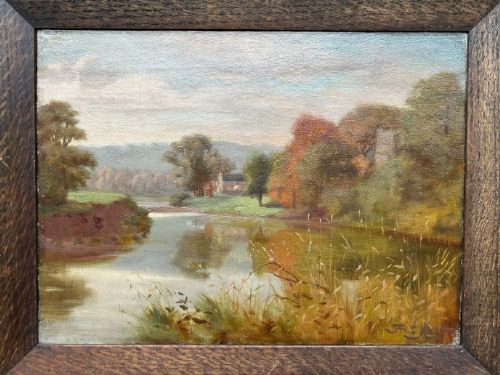
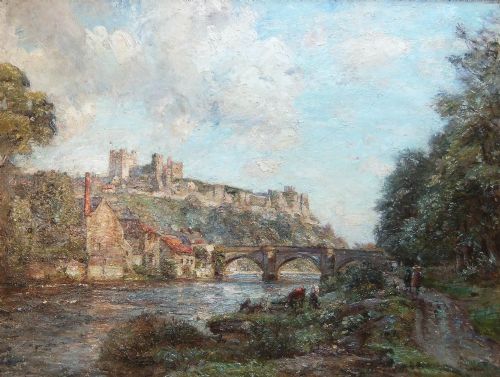
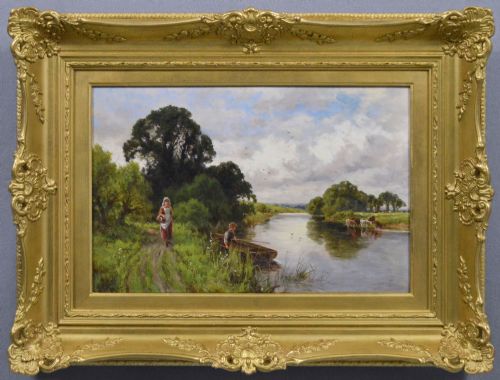
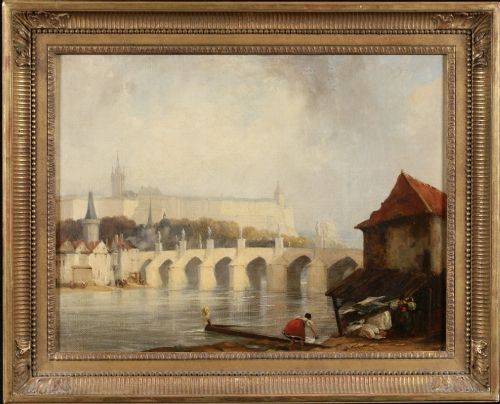
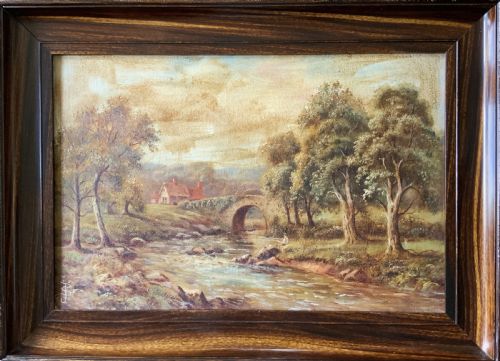
When searching for an english river scene canvas, collectors encounter painted views spanning from the nineteenth century into the twentieth century. These works depict pastoral settings, bridges, and figures alongside stretches of water such as the Thames, Severn, and Wharfedale.
The prevailing style relies on traditional oil painting techniques applied to woven canvas supports. Many examples bear signatures from regional artists or remain attributed to recognised British schools of landscape painting.
Compositions often capture everyday rural life, incorporating cattle, anglers, or horse-drawn carts near riverbanks. The selection ranges from modest provincial studies to expansive framed gallery pieces.
Materials and Construction
The foundation of these artworks consists of oil paint applied directly to stretched woven canvas. Artisans secured the fabric across timber stretcher frames to maintain a stable painting surface.
Framing typically involves moulded wood embellished with gesso and plaster enrichments, finished in gilt layers to complement the visual depth of the pigment. Over time, the oil medium develops a characteristic network of fine surface craquelure.
Brushes of varying stiffness distributed the pigment to render both smooth water surfaces and textured foliage. Artists layered tones of oil paint to build atmospheric light and shadow across the landscape.
Anglers appear so frequently across these riverbanks that half the fish in nineteenth-century Britain seem perpetually on the verge of biting.
Assessing Artistic Merit
Quality in these river landscapes rests primarily upon the brushwork confidence and the management of natural light. Skilled painters rendered water reflections and atmospheric perspective with notable precision.
George Graham·Frederick Marriott·Herbert Royle·Henry H Parker·Sydney Yates Johnson·Robert John Hammond·Benjamin Williams Leader·Frederick Waters Watts·John Wright Oakes·Thomas Baker of Leamington·William Manners·Thomas Creswick·Paul H Ellis·Robert Lesley Howey·John Syer junior·Henry Dawson·Henry Cheadle·William Sidney Cooper·EW Haslehurst·George Turner·Robert Gallon·Thomas Thomas·William Mellor·Everett W Mellor·Thomas Sidney Cooper
The English River Scene Canvas Glossary
- Canvas
- A heavy woven fabric, usually linen or cotton, stretched tightly across a wooden frame to serve as a support for oil paint. It provides a flexible yet durable ground for landscape artists.
- Giltwood
- Timber carved and coated with thin layers of gold leaf or metallic powder over a preparation base. Frames made this way enhance the warm tones of nineteenth-century canvases.
- Craquelure
- The fine pattern of microscopic cracks that forms across the surface of aged oil paint and varnish as the medium polymerises over decades. It serves as an indicator of genuine age.
- Stretcher
- The internal wooden framework that holds a painted canvas under tension. Traditional versions utilise corner keys to adjust the structural tightness.
- Impasto
- Paint applied in thick layers that stand visibly out from the canvas surface. Artists used this technique to capture the tactile highlights of water and foliage.
English River Scene Canvas: Frequently Asked Questions
What periods do these river paintings cover?
The available works predominantly span the nineteenth and early twentieth centuries, reflecting Victorian and Edwardian artistic traditions. Painters of these eras focused heavily on naturalistic British landscapes.
Dates range from the early eighteen-hundreds through to the mid-twentieth century, capturing shifting styles in plein air and studio painting.
How should an antique oil painting be displayed?
These canvases require placement away from direct sunlight and excessive humidity to protect the oil pigments and wooden stretcher frames. Maintaining a stable indoor climate prevents warping and canvas slackening.
Proper wall hanging also involves securing the original or period-appropriate gilt wood frame safely to wall studs using rated fixings.
Are most of these artworks signed by the artist?
Many examples feature artist signatures, monograms, or inscriptions detailing the specific river location, such as the Thames or the Severn. These details help connect the artwork to documented regional painters.
Unsigned pieces also appear, often attributed through stylistic comparisons to specific nineteenth-century British schools of landscape painting.
What subjects typically appear alongside the rivers?
Common secondary elements include figures fishing, cattle watering, historic bridges, and rustic cottages nestled near the riverbanks. These motifs reflect a nineteenth-century fascination with pastoral life.
Some compositions incorporate working boats, mills, and seasonal foliage such as autumn trees or harvested fields.