



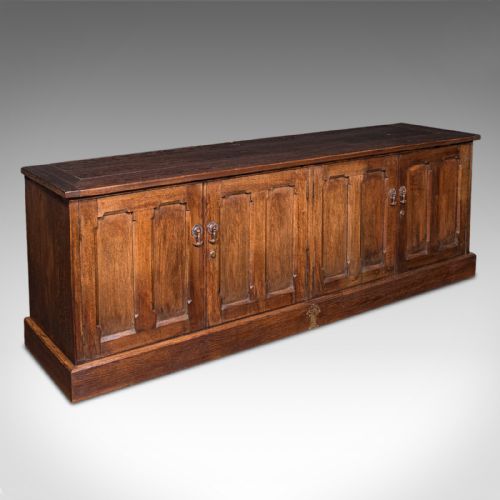
English Revival Seating
English revival seating brings together centuries of historic design, offering sturdy oak benches, carved armchairs, and dining seats shaped by Victorian and Edwardian makers.
English Revival Seating
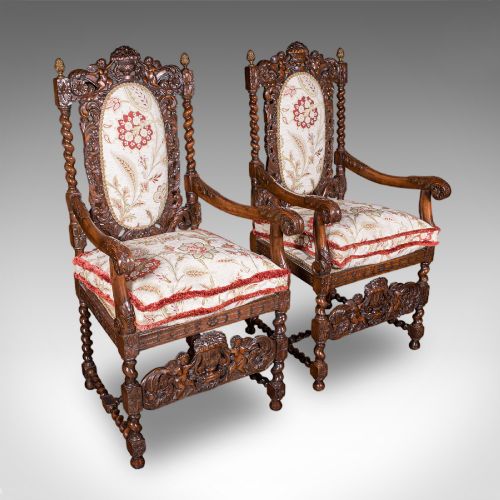
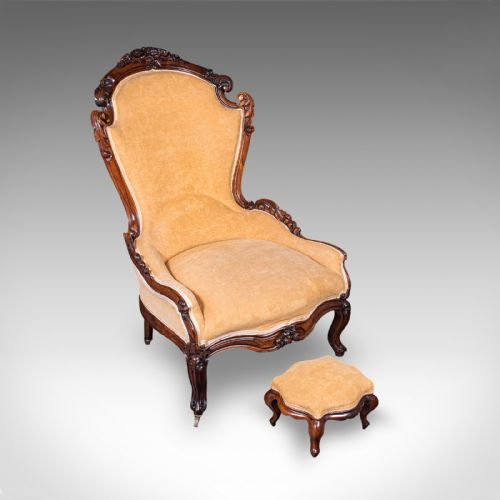
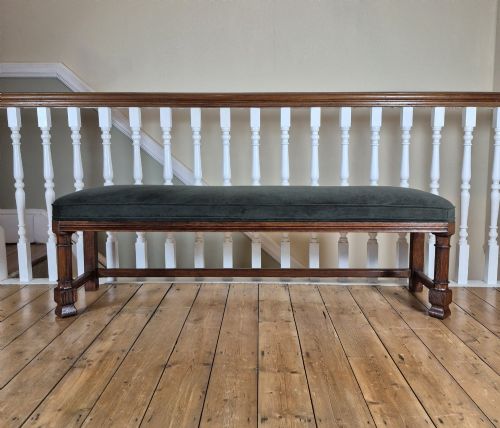
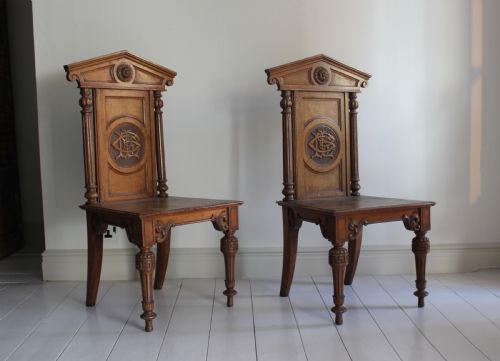
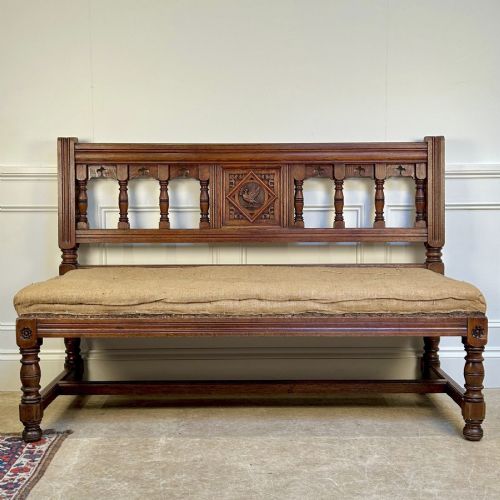
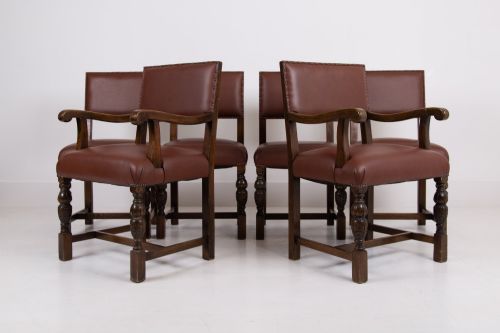
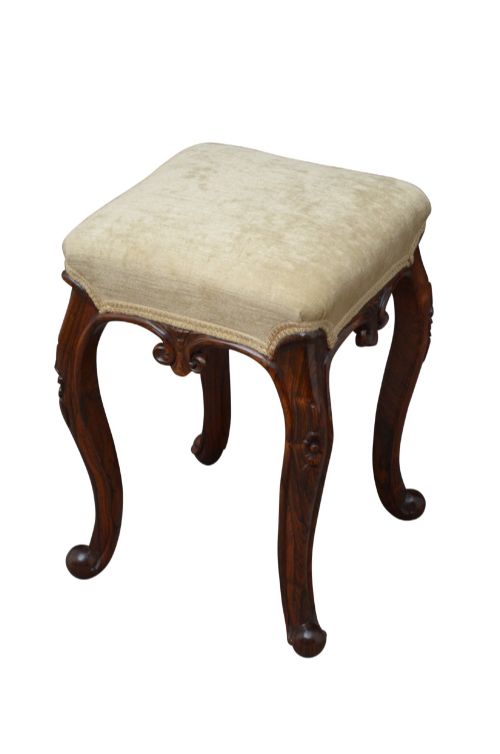
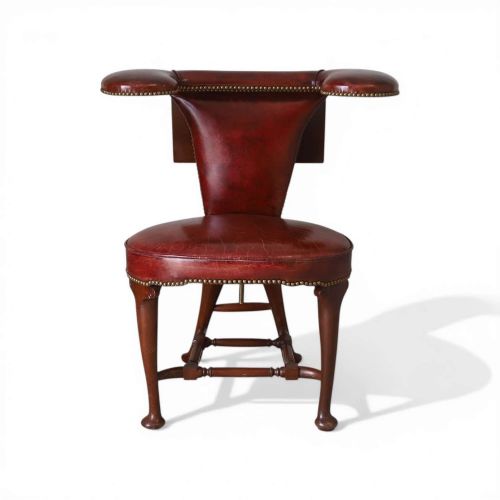
English revival seating encompasses an array of styles that reinterpret earlier historical periods, from medieval Gothic forms to seventeenth-century Jacobean and eighteenth-century Georgian designs. When exploring english revival seating, buyers encounter pieces that span armchairs, dining sets, hall chairs, benches, and joint stools produced across the nineteenth and early twentieth centuries.
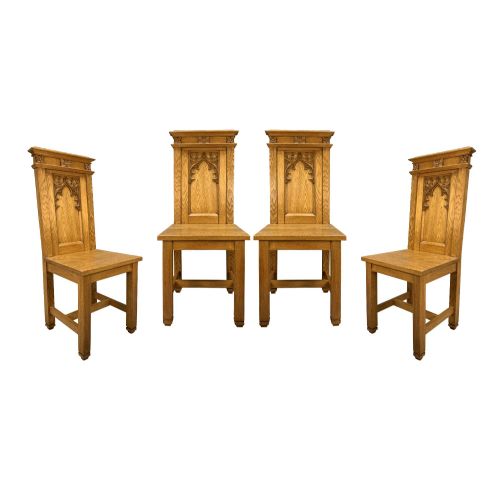
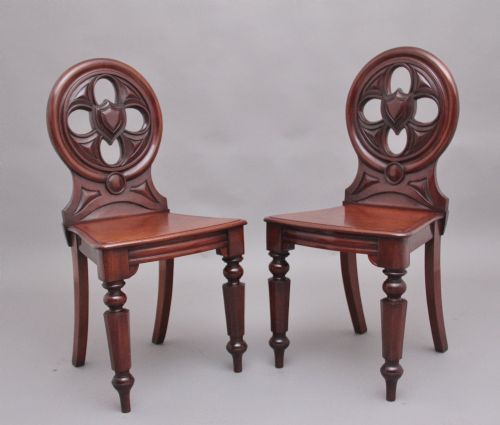
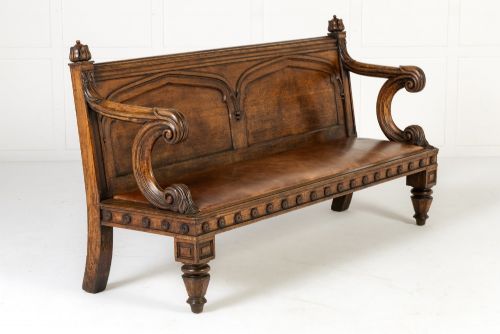
The most common forms on this page include solid oak hall chairs and benches carrying Gothic revival details, alongside dining chairs reflecting Chippendale and Hepplewhite influences. Makers of the Victorian and Edwardian eras drew heavily on these earlier vocabularies, producing robust seating for parlours, halls, and dining rooms.
Pieces range from simple vernacular joint stools in solid timber to elaborate ecclesiastical armchairs such as Glastonbury and Turner's chairs. Each object bridges the aesthetic of a bygone era with the domestic requirements of nineteenth- and twentieth-century households.
Materials and Construction
Oak dominates the physical evidence of these pieces, frequently specified as English oak alongside occasional examples in mahogany, walnut, beech, and exotic woods such as goncalo alves. Joinery relied on traditional methods suited to heavy timber, creating sturdy frames designed for longevity in high-traffic areas like halls and dining spaces.
Upholstered elements incorporate leather, velvet, and fabric supported by hessian webbing, while decorative finishes utilise brass hardware, carved detailing, and painted or silver gilt surfaces. The physical substance of the wood dictates the character of each piece, whether finished with a deep polish or left in a more natural state.
English Revival Seating Retail Price Guide 2026
Typical asking prices for english revival seating among the pieces listed under this phrase on Sellingantiques today, from the lower quarter to the upper quarter. They describe what is for sale here now, not the wider market.
Listings feature oak as the primary material, alongside mahogany, walnut, and beech across Victorian and Edwardian eras.
Evaluating Craft and Character
Quality in these revival pieces rests upon the crispness of the carving and the integrity of the timber selection. Heavier, denser cuts of oak provide stability and a more convincing nod to the historical precedents being emulated.
The refinement of the joinery and the fidelity to historical proportions separate standard production items from finer workshop pieces. Attention to detail in turned components, carved strapwork, and the quality of leather or fabric upholstery distinguishes the execution.
Gillows
The English Revival Seating Glossary
- Gothic Revival
- An architectural and decorative style drawing inspiration from medieval ecclesiastical forms, marked by pointed arches, tracery, and heavy carved oak.
- Joint Stool
- A sturdy wooden stool constructed with mortise and tenon joints, commonly produced in oak during the seventeenth century and revived later.
- Turner's Chair
- An armchair constructed predominantly from turned wooden spindles and members, also known as a roundabout or sausage-turned chair.
- Glastonbury Chair
- A low wooden armchair with an X-shaped frame and sloping arms, based on a medieval ecclesiastical design.
- Prie-Dieu
- A small devotional chair featuring a high back and a padded ledge for kneeling during prayer.
- Settle
- A high-backed wooden bench with solid arms and often a storage box beneath the seat, designed to keep out draughts.
English Revival Seating: Frequently Asked Questions
What is an English revival chair?
An English revival chair is a piece made in the nineteenth or early twentieth century that copies or adapts designs from earlier periods like the Gothic, Jacobean, or Georgian eras.
These pieces capture the visual weight and craftsmanship of older styles while serving contemporary Victorian and Edwardian domestic uses.
Where were hall chairs used?
Hall chairs were traditionally placed in the entrance halls of larger homes for visitors to use while waiting or for servants to manage outerwear.
They are usually made of solid wood without upholstered seats, featuring tall carved backs and sturdy wooden bases designed for durability.
How do I care for antique oak seating?
Antique oak benefits from occasional applications of beeswax to nourish the wood and maintain a soft, protective sheen without sealing the grain.
Keep wooden furniture away from direct heat sources and sudden humidity changes to prevent the timber from splitting or warping.