


English Revival Oak Table
An english revival oak table brings substantial timber and historic character into a modern room through time-honoured forms.
English Revival Oak Table
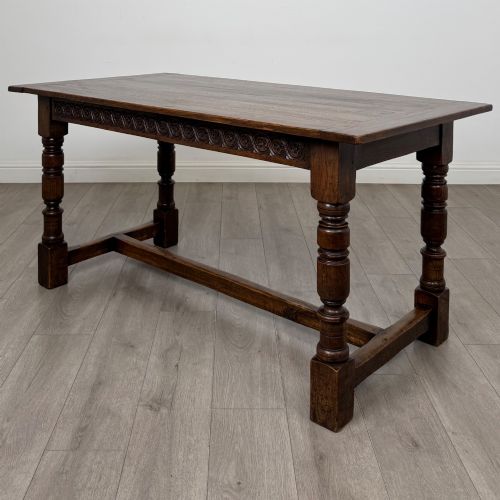
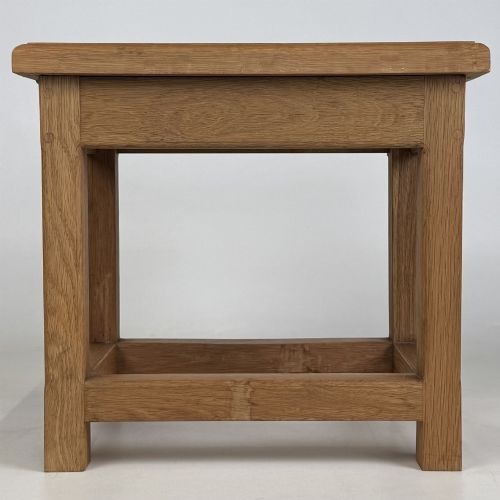
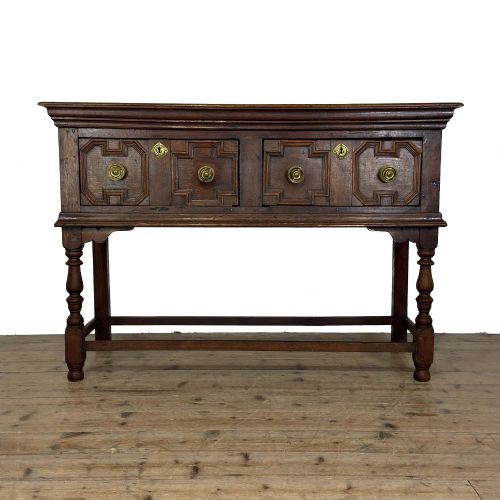
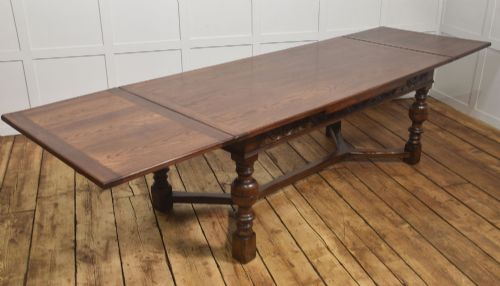
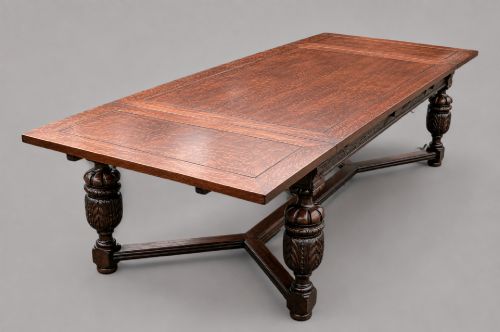
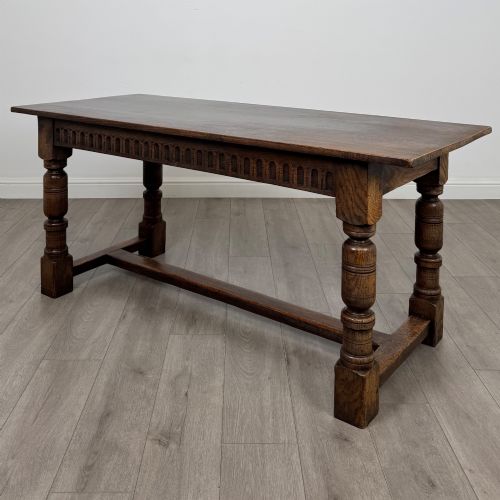
An english revival oak table takes inspiration from earlier historic eras such as the Jacobean, Elizabethan and Gothic periods while utilising the manufacturing methods of later centuries. These pieces range from substantial dining tables and refectory forms to smaller occasional, gateleg and side tables.
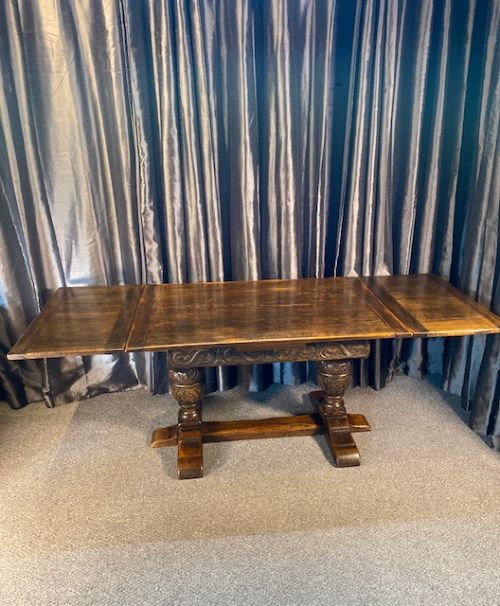
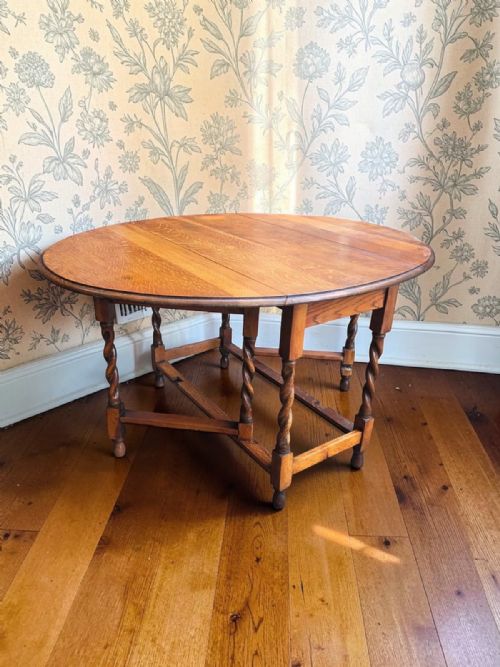
The Edwardian era and the nineteen-twenties provide a large proportion of these tables, alongside Victorian and nineteenth-century examples. Buyers frequently encounter practical draw-leaf and gateleg variants designed to adapt to changing spatial needs in domestic interiors.
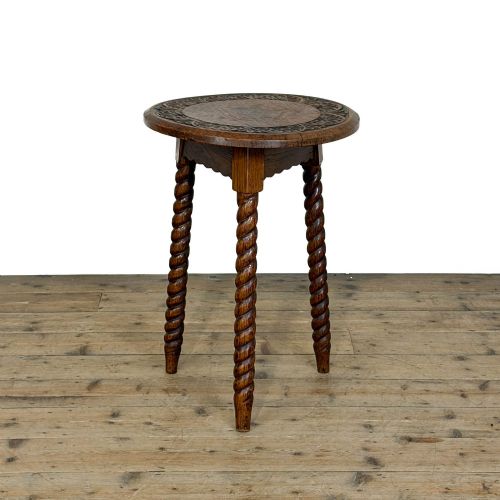
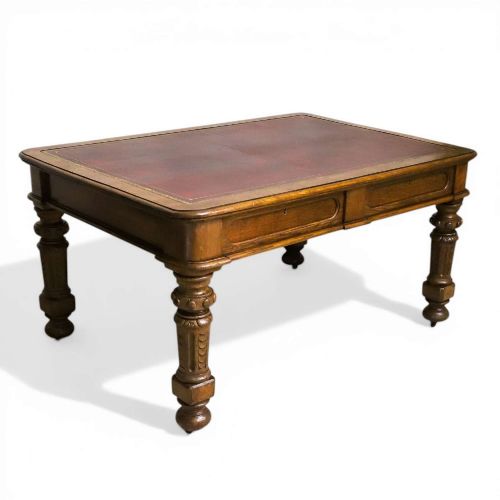
The selection includes specialised forms such as library tables set with leather writing surfaces, cricket tables and tripod occasional pieces. Solid oak construction unites the grouping, providing the heavy grain and durability characteristic of the material.
Materials and Construction
Solid oak forms the core structural material across these pieces, frequently complemented by secondary timbers and finished with carved details or turned supports. Joinery relies on traditional framing methods, joint stools and pegged joints that echo sixteenth and seventeenth-century carpentry.
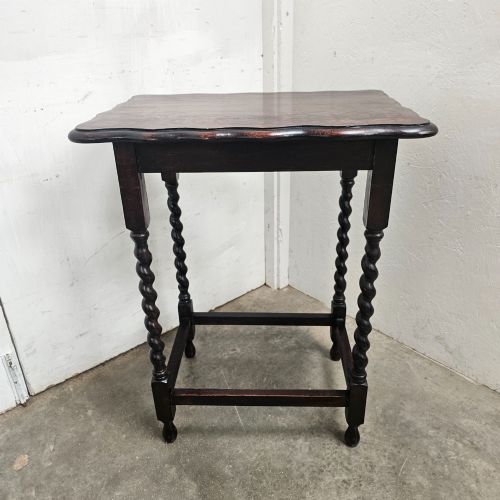
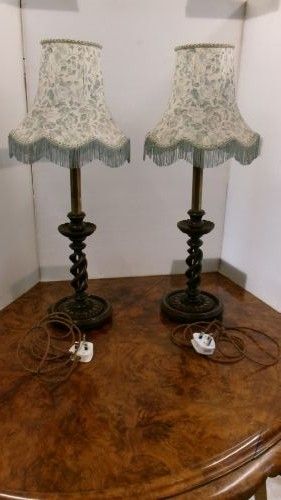
Turned elements such as barley twist legs appear alongside faceted and carved components, reflecting Jacobean and Elizabethan taste adapted for later interiors. Surfaces are occasionally paired with inset leather writing surfaces, brass fittings or iron hardware.
Bleached oak and darker polished finishes show the versatility of the timber across different decades of production, from nineteenth-century gothic revivals to nineteen-thirties domestic furniture.
Oak is the primary material across these listings, occasionally accompanied by brass, iron, leather, fabric and glass.
Evaluating Quality
The distinction between standard production and superior examples rests upon the depth of the carving, the crispness of the turned legs and the selection of the oak timber. Heavier stock timbers and well-balanced proportions separate finer dining and refectory tables from lighter occasional pieces.
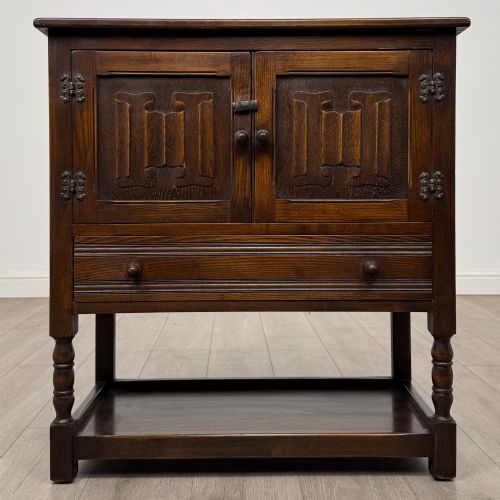
Construction integrity defines the upper tier, where draw-leaf mechanisms operate smoothly and gateleg frames remain rigid under weight. The integration of period-appropriate details, such as linenfold panels or precise gothic tracery, marks the work of skilled cabinet makers.
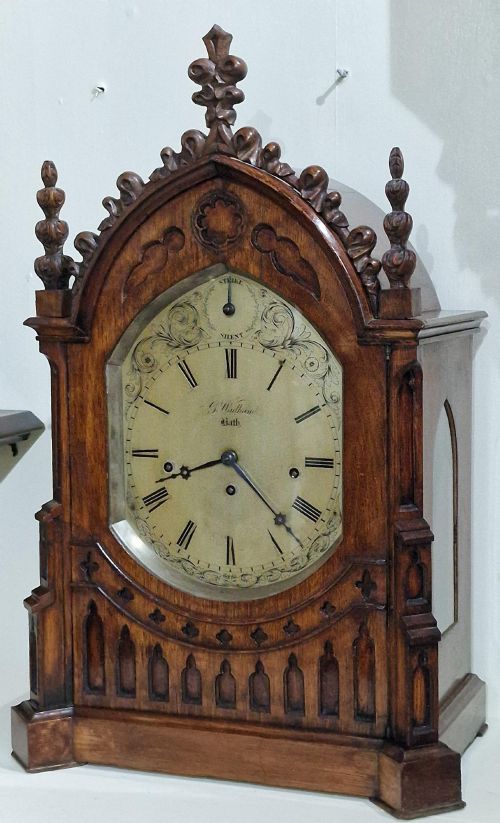
George Wadham Bath
The English Revival Oak Table Glossary
- Draw-leaf table
- A dining table with pull-out extension leaves stored beneath the main top. This mechanism allows the surface area to double without removing the central leaves.
- Gateleg table
- A drop-leaf table where hinged legs swing outward to support the raised flaps. It provides a compact footprint when folded down.
- Refectory table
- A long, narrow dining table traditionally used in communal halls. Revival examples adopt this sturdy, long-proportioned format for domestic dining.
- Barley twist
- A turned wooden column carved in a spiral resembling twisted rope. It is a common decorative feature on legs and supports.
- Linenfold
- A style of wood carving that imitates folded fabric or linen. It frequently decorates cupboard doors and panelled sections.
English Revival Oak Table: Frequently Asked Questions
How do I date an english revival oak table?
Dating relies on examining the turning styles, hardware and construction marks alongside the recorded period of manufacture. Nineteenth-century and Edwardian pieces often reinterpret earlier motifs with cleaner internal framing.
Secondary materials, such as the type of screws or the condition of the oak grain, help distinguish a nineteenth-century revival from a nineteen-twenties piece.
Are draw-leaf tables practical for daily dining?
These tables offer flexible surface areas that adjust easily for meals and fold away for compact storage between uses. The extending leaves slide from beneath the main top.
Solid oak construction ensures the mechanism supports daily weight while maintaining the stability required for a family dining room.
What is the difference between a gateleg and a drop-leaf table?
A gateleg table uses a pivoting leg frame that swings out to physically support the dropped leaves when raised. Standard drop-leaf variants may use simpler hinged brackets.
Both formats save floor space when folded, but the gateleg design provides a more substantial structural support under the leaves.
How should I care for an oak surface?
Maintaining solid oak involves regular dusting with a dry cloth and avoiding excessive moisture or direct heat sources. Natural wax can nourish the grain periodically.
Protecting the surface from sharp impacts preserves the carved details and turned components characteristic of revival furniture.