




English Revival Furniture
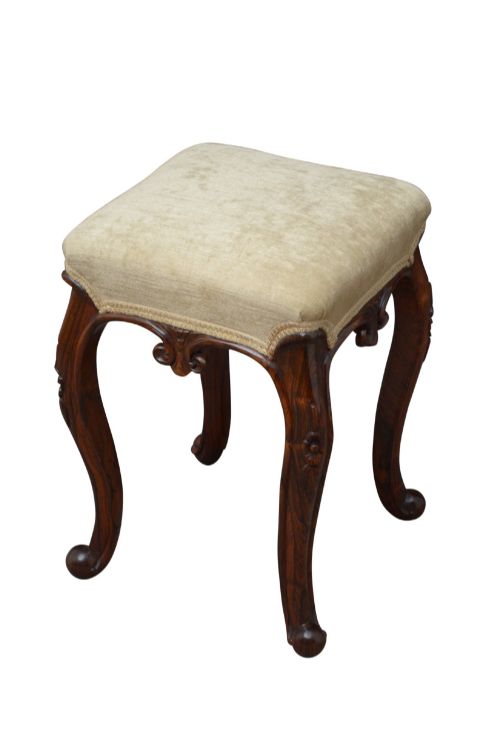
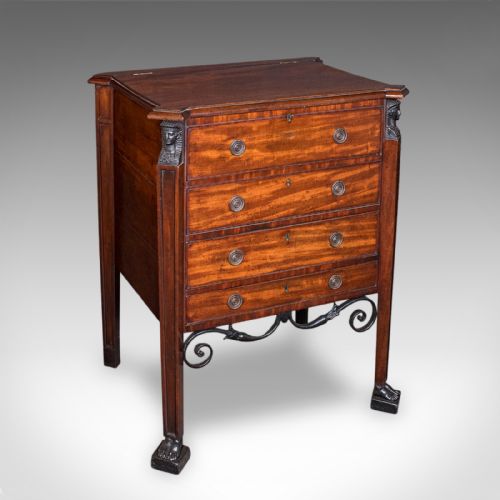
English revival furniture brings together centuries of historic design, from Gothic and Jacobean to Sheraton and Regency.
English Revival Furniture
English revival furniture encompasses pieces created in later eras that consciously echo historical forms and past centuries of design.
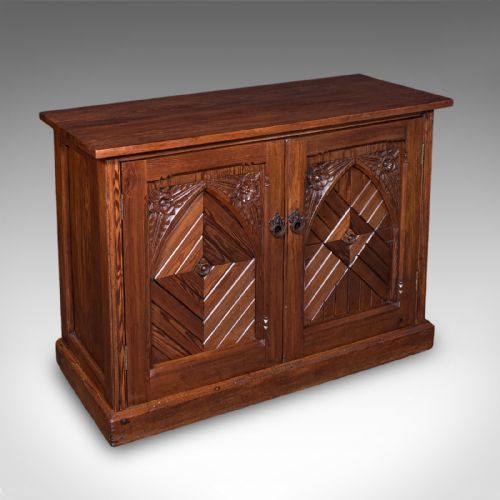
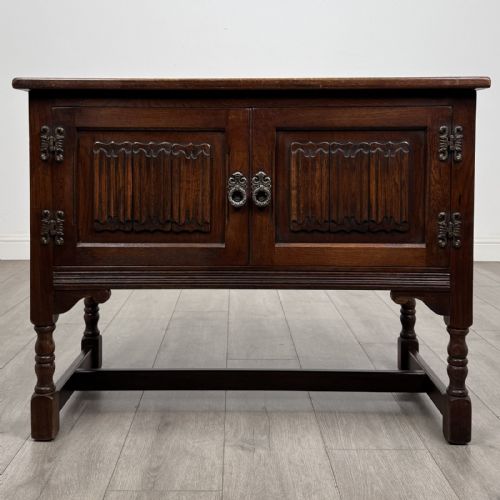
The selections span distinct historical revivals including Gothic, Jacobean, Georgian, Regency, and Sheraton styles across Victorian and Edwardian periods.
How they were made
Cabinet makers utilised traditional solid timbers such as oak, mahogany, walnut, and pine, often incorporating decorative veneers like flame mahogany, satinwood, and burr walnut.
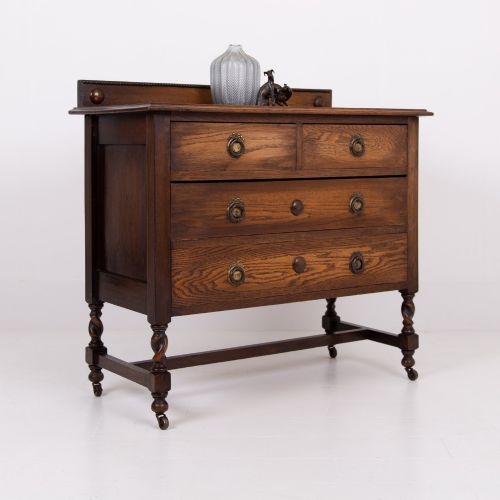
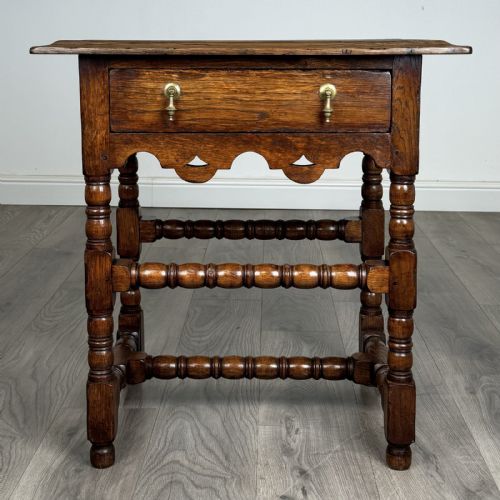
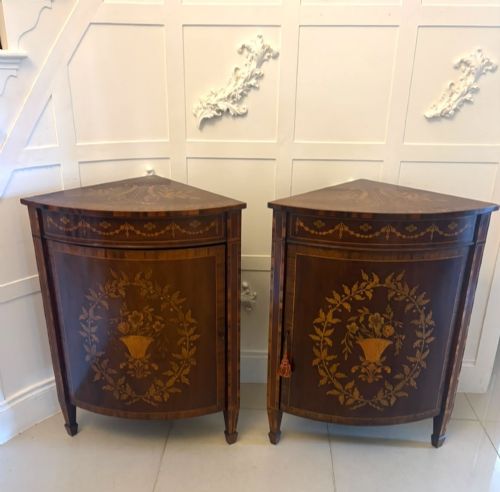
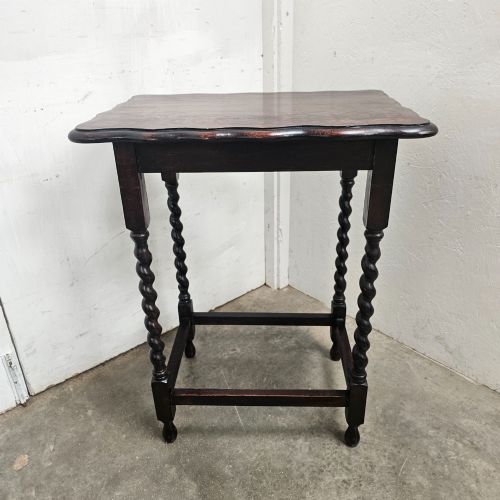
Construction involved intricate techniques including marquetry inlay, bobbin turning, barley twisting, and deep hand carving to achieve authentic historic character.
English Revival Furniture Retail Price Guide 2026
Typical asking prices for english revival furniture among the pieces listed under this phrase on Sellingantiques today, from the lower quarter to the upper quarter. They describe what is for sale here now, not the wider market.
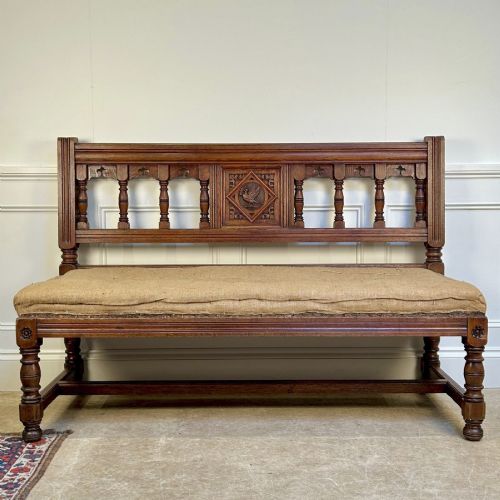
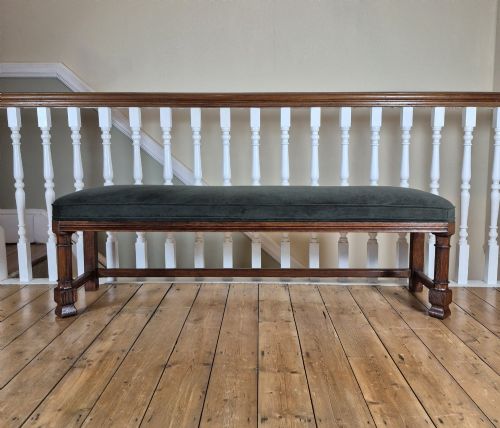
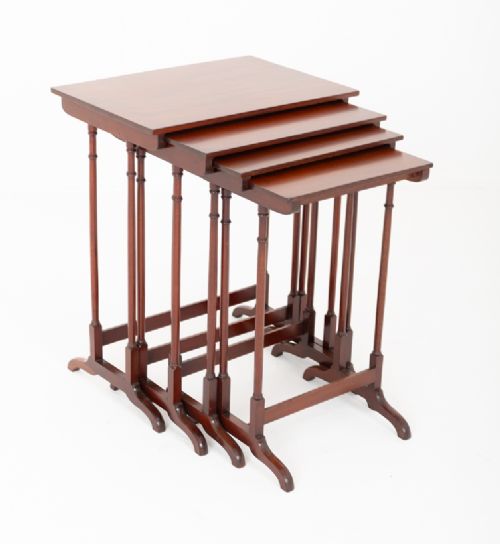
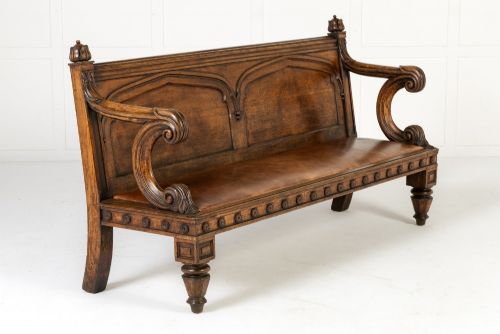
Object forms include hall benches, nest of tables, corner cabinets, and pole fire screens.
What varies in quality
Quality rests in the depth of hand carving, the precision of marquetry inlay, and the careful selection of figured wood grains.
Superior examples demonstrate robust structural joinery in primary timbers alongside refined secondary details like brass hardware and glass panelling.
GIllows·James Winter and Sons·Lamb of Manchester·Town and Emanuel
The English Revival Furniture Glossary
- Marquetry
- Decorative inlay work using various coloured woods to form geometric or floral patterns. This technique enhances cabinet doors and tabletops.
- Barley twist
- A spiral turning technique shaped into furniture legs and columns. It creates a dynamic sculptural element on tables and stands.
- Lowboy
- A small side table with drawers, typically standing on four tall legs. These originated in the early eighteenth century.
- Glastonbury chair
- An ecclesiastical armchair design with X-framed supports and a sloping panel back. Revival versions draw directly from medieval prototypes.
- Satinwood
- A pale, lustrous timber imported from the tropics. It provides a luminous surface for late nineteenth century revival cabinets.
English Revival Furniture: Frequently Asked Questions
What defines English revival furniture?
These pieces represent later nineteenth and early twentieth century reinterpretations of earlier historic British design periods.
Craftsmen looked to medieval, Tudor, Stuart, and Georgian eras for stylistic inspiration.
How do I identify the revival style?
Look for specific decorative motifs and structural forms characteristic of past centuries, such as Gothic tracery or Sheraton satinwood inlay.
Hardware, timber selection, and construction methods often point towards Victorian or Edwardian interpretation.
Where were these pieces used?
They served functional roles in country houses, formal reception rooms, and domestic hallways.
Items ranged from practical storage cupboards and side tables to decorative display cabinets and hall benches.
How do I care for revival timber?
Keep wooden surfaces away from direct heat sources and sudden humidity changes to protect the joinery and finish.
Regular application of suitable wax maintains the natural lustre of oak, mahogany, and walnut.