




English Regency Tallboy
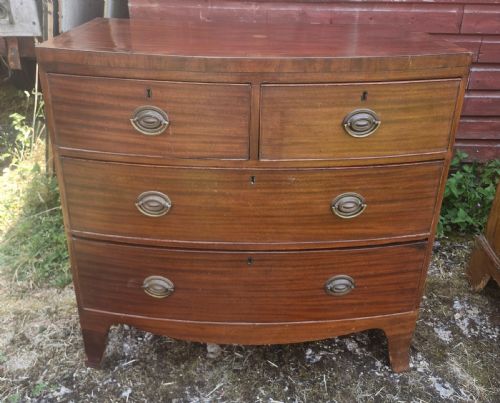
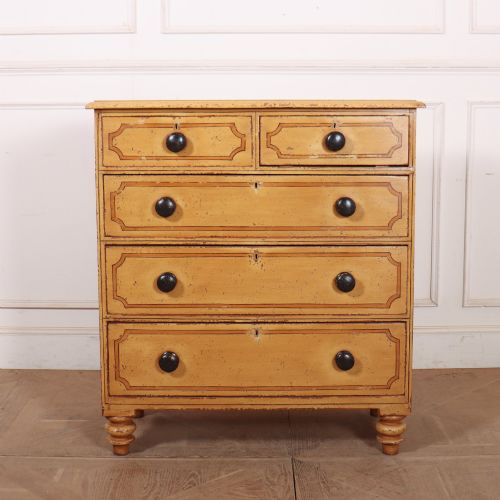
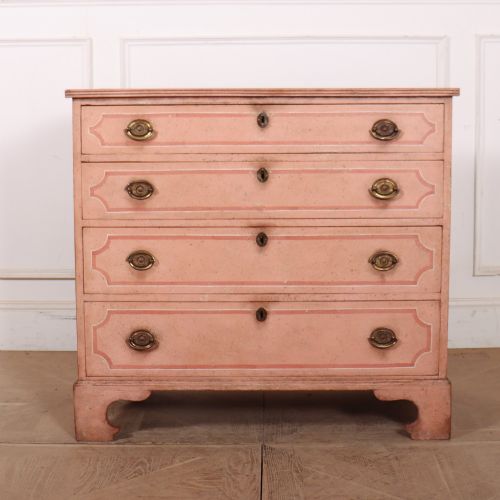
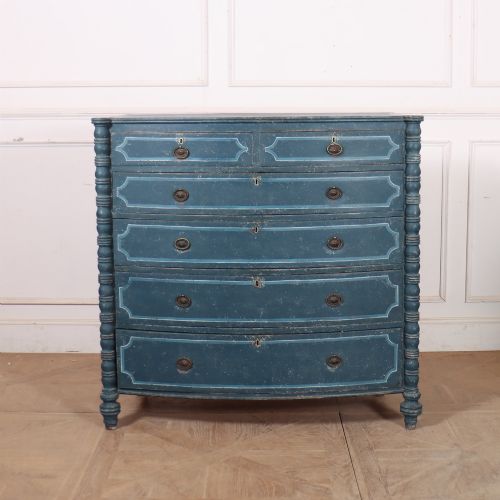
An English regency tallboy brings architectural dignity and warm timber grain to a room, offering generous storage through stacked drawers.
English Regency Tallboy
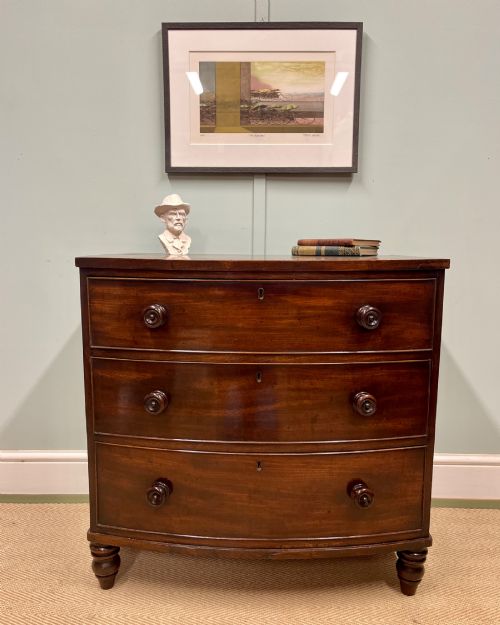
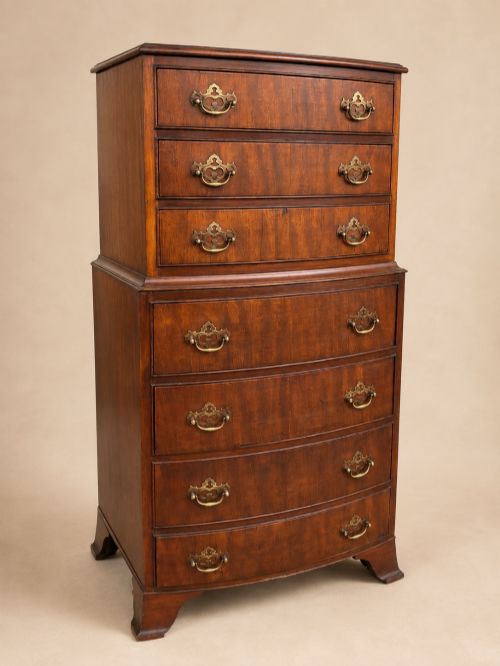
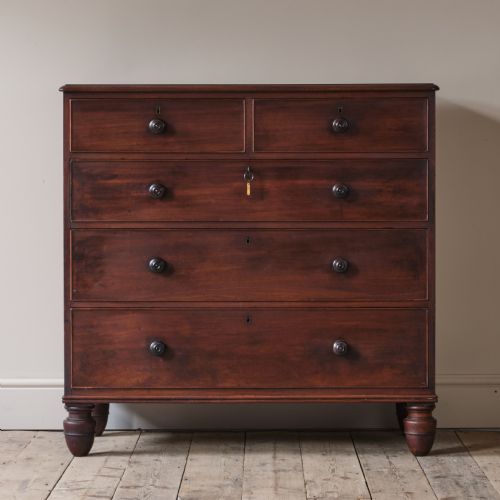
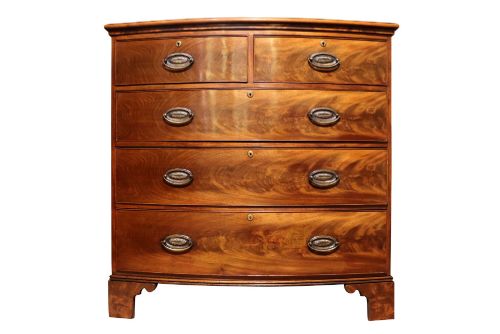
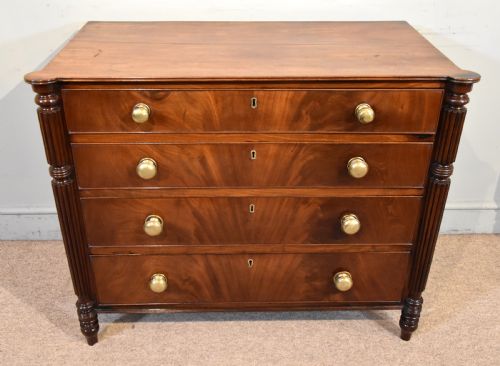
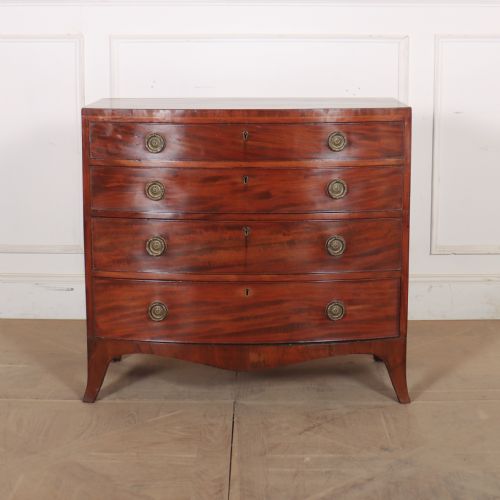
An English regency tallboy sits within a lineage of tall storage furniture, appearing here primarily as chests of drawers, chests on chests, and linen presses. These pieces span the nineteenth century, Regency, and Georgian periods, drawing on styles such as George IV, William IV, and English Country.
Buyers encountering this search phrase often meet bow front, D front, or straight front forms rendered in rich hardwoods or painted timber. The selection includes cabinet work configured for domestic storage, drawing room display, and linen keeping.
How they were made
Cabinet makers utilised solid timbers alongside veneers, selecting mahogany, flame mahogany, pollard oak, burr walnut, and burr oak for visible surfaces. Pine and oak served as secondary woods for drawer linings and internal carcases.
Brass handles and escutcheons provided functional hardware, while painted finishes offered an alternative to exposed wood grain. Joinery relied on traditional techniques to construct stacked carcases and multi-drawer arrangements.
English Regency Tallboy Retail Price Guide 2026
Typical asking prices for english regency tallboy among the pieces listed under this phrase on Sellingantiques today, from the lower quarter to the upper quarter. They describe what is for sale here now, not the wider market.
Early nineteenth-century makers occasionally hid secret compartments inside secretaire drawers to keep private correspondence safe from wandering eyes.
What varies in quality
The distinction between tiers rests upon the selection of timber veneers and the crispness of the cabinet work. Matched flame mahogany or figured pollard oak elevate a piece above standard stock through careful grain alignment.
Proportion and execution of decorative details, such as bow fronts or inlaid borders, determine the refinement of the finished item. Integrated hardware and sound structural integrity complete the measure of the piece.
T & G Seddon
The English Regency Tallboy Glossary
- Tallboy
- A tall chest of drawers, often constructed in two stacked sections such as a chest on chest. This form maximises vertical storage capacity while maintaining a compact floor footprint.
- Bow front
- A cabinet front that curves outward in a convex shape across its width. This profile softens the boxy geometry of traditional storage furniture.
- Flame mahogany
- Mahogany timber cut to reveal a distinctive flickering flame pattern in the grain figure. Cabinet makers reserved this highly decorative veneer for principal drawer fronts.
- Linen press
- A tall storage piece featuring upper cabinet doors enclosing sliding trays or shelves above lower drawers. These items were designed specifically for storing household textiles.
- Secretaire chest
- A chest of drawers incorporating a fitted writing drawer with a drop-front writing surface. This dual-purpose furniture combined storage with a compact desk.
English Regency Tallboy: Frequently Asked Questions
What is an English regency tallboy?
An English regency tallboy is a tall storage chest originating from the early nineteenth century. These pieces typically combine multiple drawers in stacked sections.
They reflect the neoclassical tastes of the Regency and Georgian eras, employing figured hardwoods like mahogany and oak.
How were these chests used?
These cabinets served primary storage functions in bedrooms, dressing rooms, and drawing rooms for clothing and textiles.
Some variants included specialised writing drawers or linen slides to accommodate specific domestic storage needs.
Where do I put a tallboy?
A tallboy suits bedrooms, hallways, or living spaces where vertical storage is required without occupying excessive floor space.
Its architectural presence anchors a wall while keeping everyday items organised out of sight.
How do I identify a Regency period piece?
Regency pieces often display classical proportions, subtle brass mounts, and premium wood veneers like flame mahogany or pollard oak.
Construction methods and secondary woods such as oak or pine also help indicate the nineteenth-century origin.