



English Regency Frame
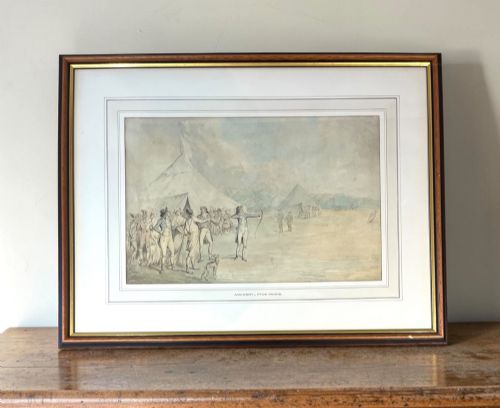
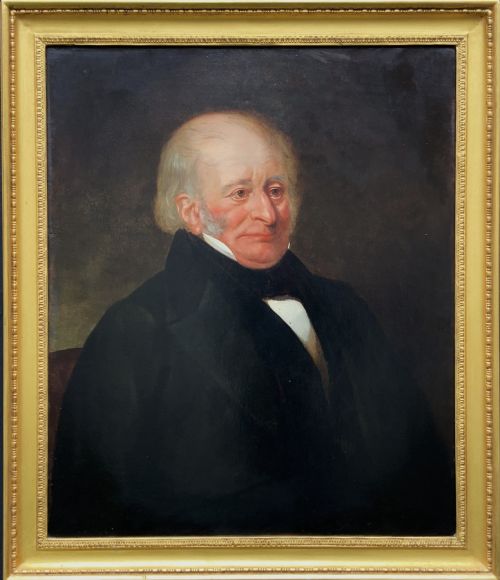
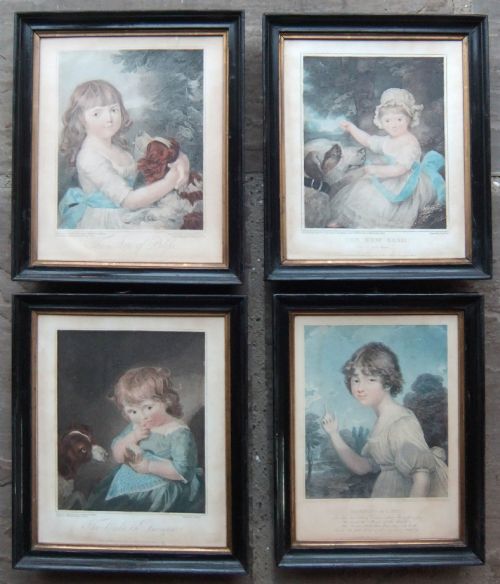
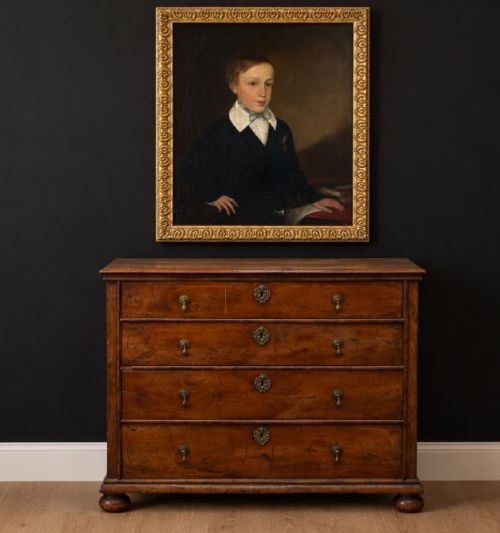
An English regency frame encloses period mirrors, oils and watercolours, bringing classical proportion and gilded warmth to a wall.
English Regency Frame
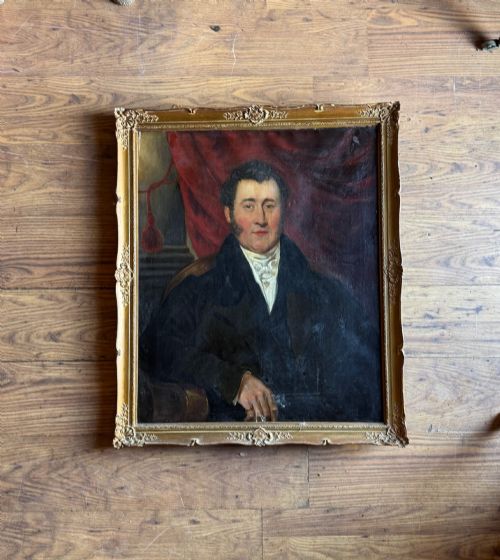
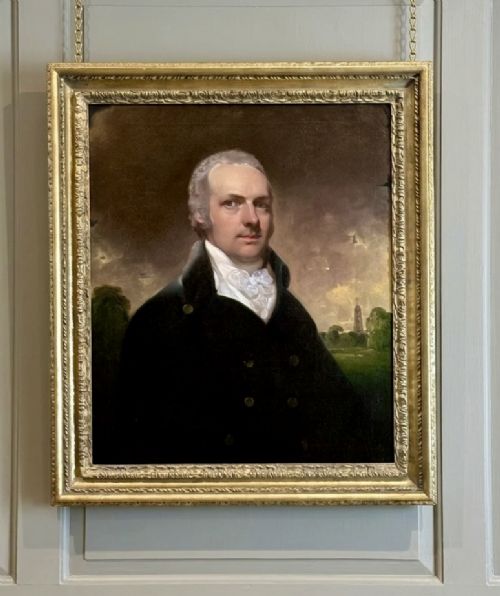
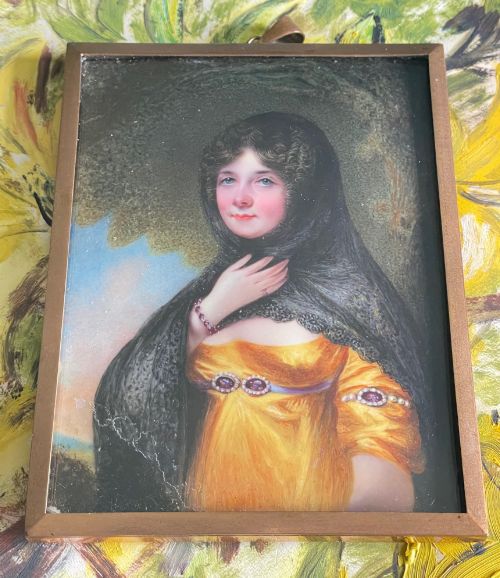
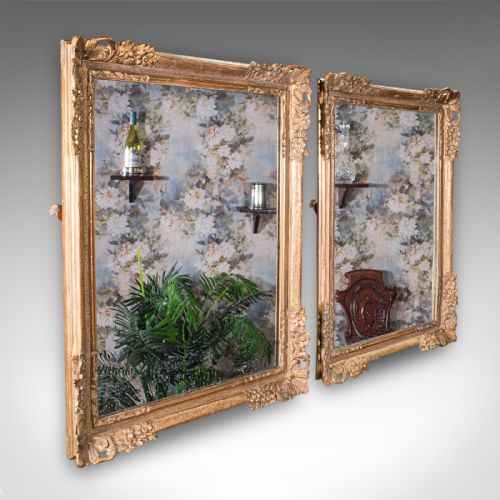
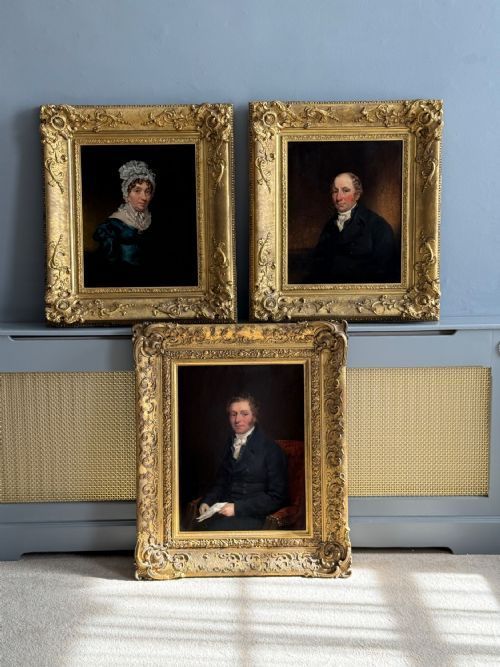
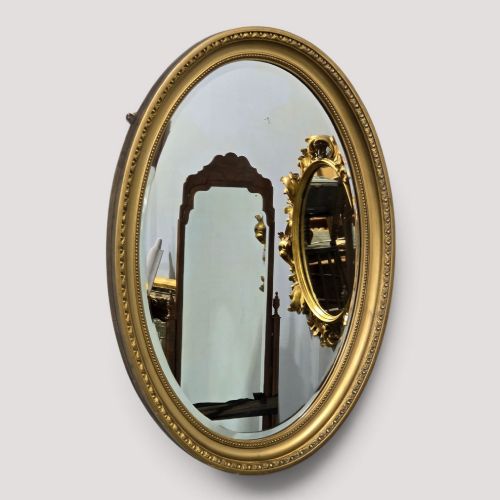
When you search for an english regency frame, you encounter large overmantel mirrors, convex wall glasses and pier mirrors alongside oil paintings, watercolours and silhouettes. The pieces span the nineteenth century, drawing heavily on Georgian and Regency design idioms with later Victorian interpretations.
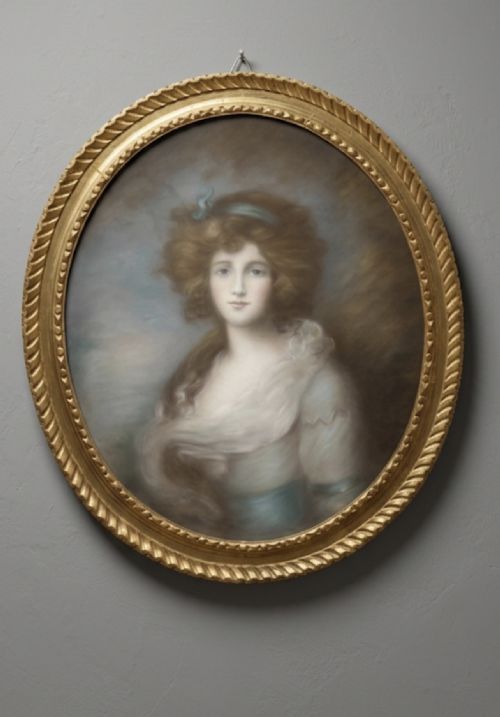
Mirrors dominate the selection, framed in carved wood and gesso with bright gilt surfaces, rope twists, columns and ribbed detailing. Alongside them sit framed portraits, needleworks and landscapes that utilise the same formal framing vocabulary.
How they were made
Carved wood provides the structural foundation for the large mirror frames and wooden elements, layered with gesso to receive intricate mouldings, rope twists and column details. Guilders applied gold leaf or gilt finish over these surfaces to achieve the reflective brilliance characteristic of the period.
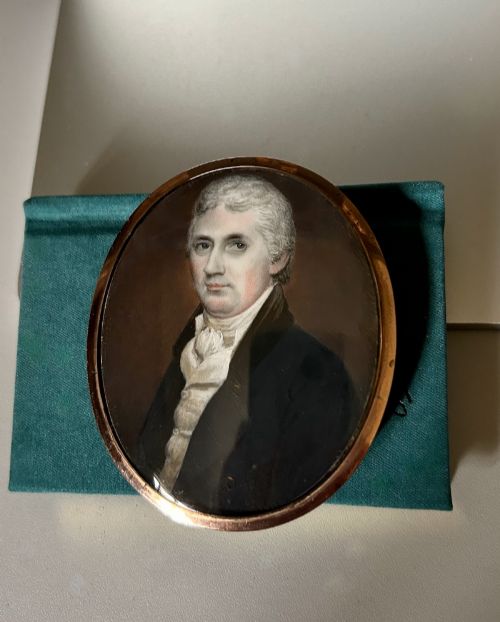
Glass plates, oil on canvas, paper and enamel form the central mediums held within these frames. Many mirror plates retain original foxing, while paintings and works on paper utilise period mountings and hand-painted borders.
English Regency Frame Retail Price Guide 2026
Typical asking prices for english regency frame among the pieces listed under this phrase on Sellingantiques today, from the lower quarter to the upper quarter. They describe what is for sale here now, not the wider market.
Keep an eye out for framed literary scenes, including an embroidered picture telling the story of Jack and the Beanstalk.
What varies in quality
The crispness of the carved wood and gesso ornamentation dictates the visual strength of a frame, separating deeply defined rope twists and fluted columns from softer, shallower impressions. Original gilding intact across the wooden substrate carries greater weight than later repainting.
The integrity of the internal glass or artwork relative to the frame influences the piece's overall cohesion. Original mirror plates showing natural age align better with period frames than modern replacements.
Joseph Clover RA·William James Hubard·John Opie RA·Thomas Gainsborough·Thomas Woolnoth
The English Regency Frame Glossary
- Giltwood
- Wood coated with gold leaf or a gold-coloured finish. This material creates the bright reflective surfaces seen on period mirror frames.
- Gesso
- A plaster-like mixture applied to wood frames before gilding. It allows craftsmen to carve and mould detailed classical ornaments.
- Overmantel mirror
- A large horizontal looking glass designed to hang above a fireplace mantel. These often feature column or rope twist framing.
- Convex mirror
- A circular mirror with a curved, bulging glass surface. It offers a wide, distorted panoramic reflection of the interior.
- Foxed plate
- Mirror glass displaying dark spots and blemishes caused by the degradation of the backing over time. This ageing indicates age.
English Regency Frame: Frequently Asked Questions
How do I hang a heavy overmantel mirror?
These large wooden and gesso frames require secure fastening directly into wall studs using heavy-duty brackets. Weight distribution must be shared evenly across the frame structure.
Professional installation is recommended due to the substantial combined weight of the carved wood, gesso and thick glass plate.
Are convex mirrors period correct for Regency interiors?
Convex wall glasses were popular focal points in Regency drawing rooms and libraries. They reflected light across the entire room.
Their distinct round shape and gilded frames complement other classical furnishings from the early nineteenth century.
How should I clean a gilded wood frame?
Dust the carved surfaces gently with a soft, dry brush to prevent disturbing the fragile gold leaf or gesso layers. Avoid using water or chemical solvents entirely.
Moisture can penetrate the gesso base and cause the historical gilding to lift or flake away from the wood.
What indicates an original Regency mirror plate?
Original glass often exhibits subtle waviness, minor distortions and natural foxing spots where the backing has aged. These irregularities distinguish period glass from modern replacements.
Examining the depth and backing of the frame helps confirm whether the mirror plate has remained undisturbed since the nineteenth century.