


English Pottery Ornaments
English pottery ornaments bring the character of nineteenth century figures and animals directly into your interior.
English Pottery Ornaments
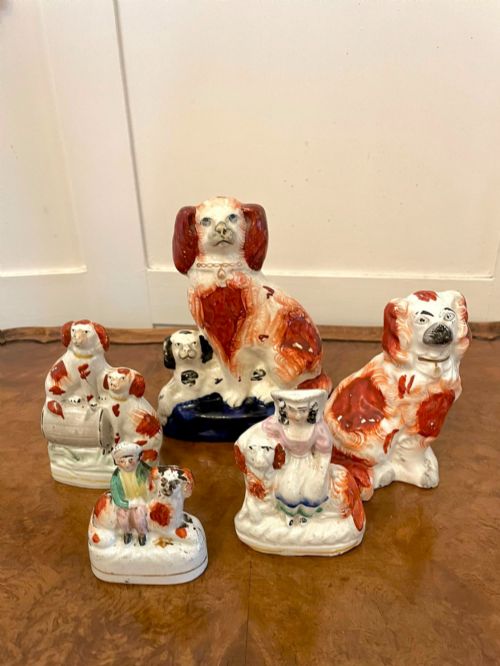
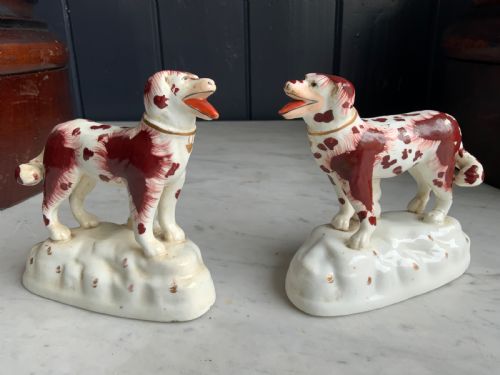
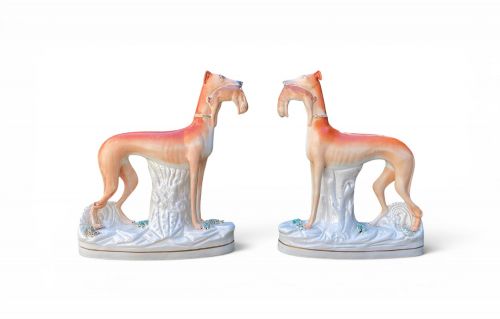
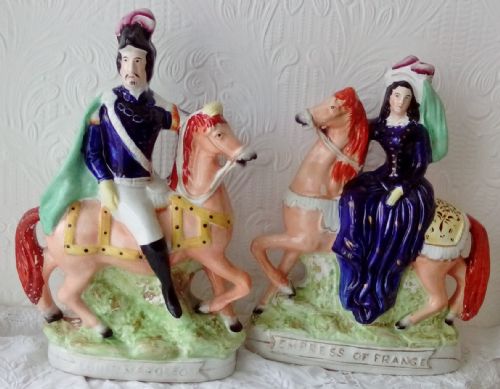
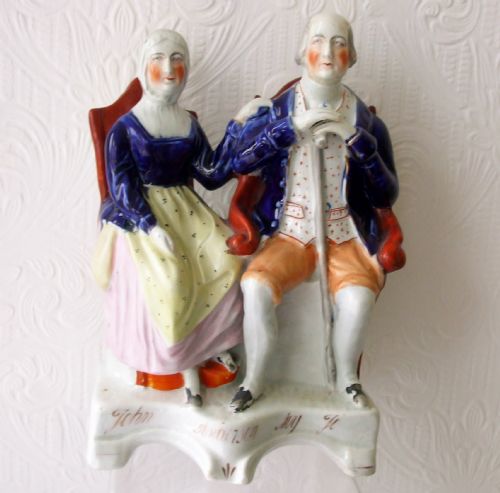
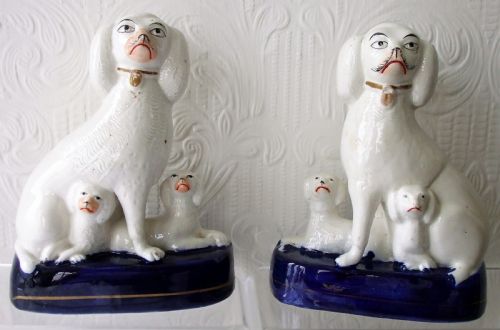
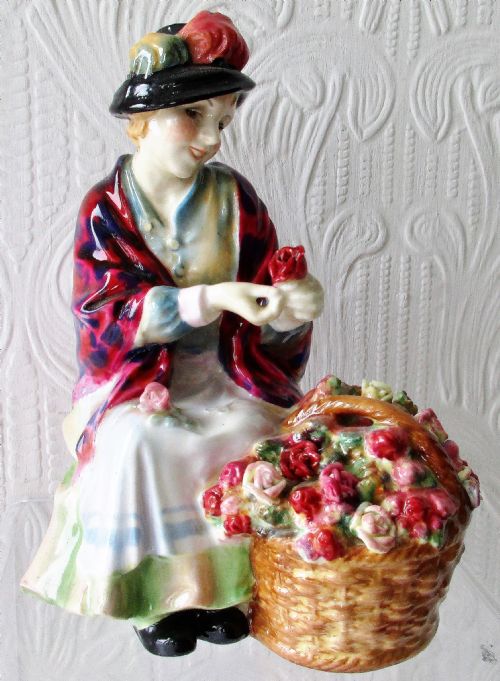
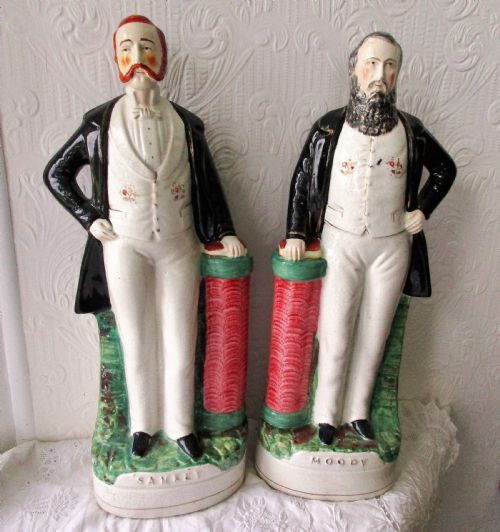
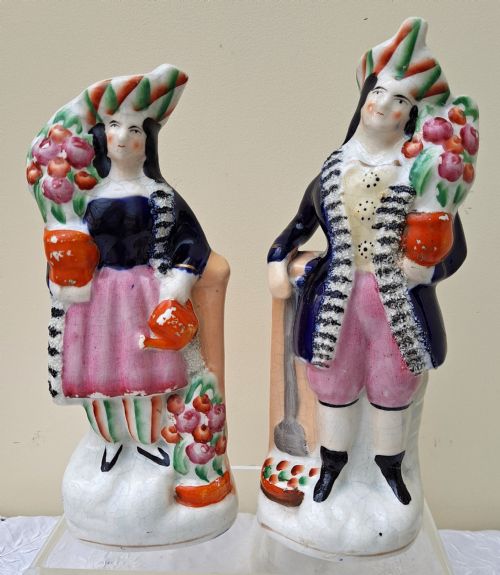
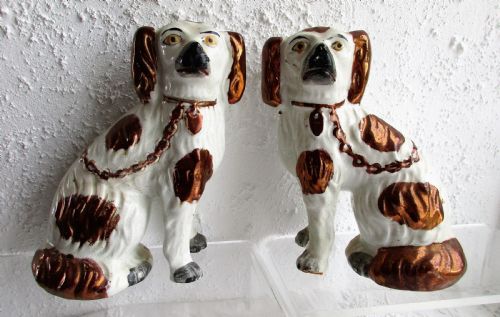
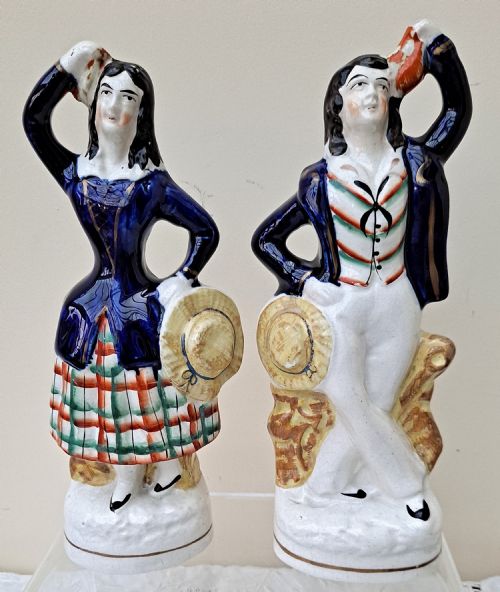
When you search for english pottery ornaments, you encounter a varied selection of ceramic figures, decorative groups, and spill vases dating from the nineteenth century into the twentieth century. The Victorian Staffordshire tradition forms the core of what you meet here, spanning portrait figures of notable personalities, pairs of spaniels and greyhounds, and architectural models like castles and cottages.
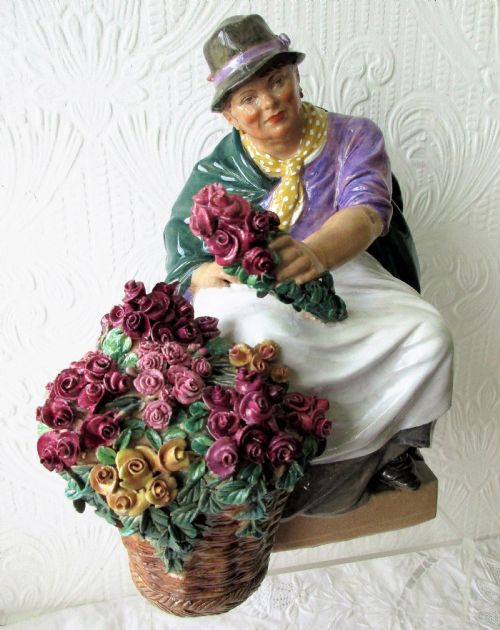
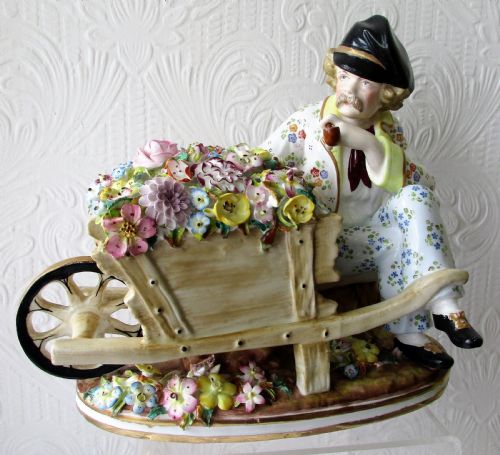
The selection extends beyond standard Staffordshire output to include studio pottery figurines from the early twentieth century and porcelain pieces from the Victorian era. Earlier examples from the nineteenth century share shelf space with later studio creations, providing distinct aesthetic choices for collectors.
Makers and subjects range from theatrical pairs and literary characters to domestic animals and historical subjects such as Crimean War figures. These objects served primarily as decorative items for mantelpieces and parlours during their period of origin.
Materials and methods
Potters shaped these figures using earthenware, pearlware, and porcelain, often applying lead glaze, enamel, and enamel paint to build surface colour and detail. Certain animal models received rich treacle glaze finishes over ceramic bodies during the nineteenth century.
Makers utilised gold leaf accents and hand-painted details to enhance the decoration of porcelain and earthenware figures, distinguishing finer sculptural works from standard utilitarian output.
Materials recorded across the inventory include earthenware, glaze, enamel, lead glaze, ceramic, porcelain, and gold leaf.
Judging the work
Quality rests upon the crispness of the moulding and the care taken with hand-painted enamel details across the surface of the ceramic. Stronger modelling distinguishes accomplished portrait figures and animal groups from more routine production pieces.
The preservation of original glaze surfaces and enamel colour without extensive restoration separates superior examples from those that have suffered heavy handling or repair over the decades.
Charles Vyse·Royal Doulton·John Bevington·Mexborough
The English Pottery Ornaments Glossary
- Earthenware
- A porous pottery body fired at lower temperatures, commonly used for the base of nineteenth-century Staffordshire figures. It requires a glaze to become impervious to liquids.
- Lead Glaze
- A glossy coating containing lead oxide applied to ceramic bodies before firing, producing a smooth and reflective finish. This finish protects the underlying paint and clay.
- Spill Vase
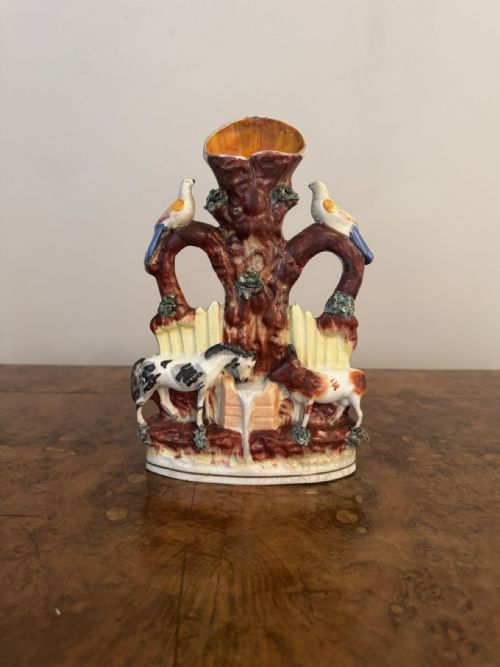
- A hollow ceramic figure incorporating a small cylindrical holder designed to store wooden spill matches for lighting fires. These functional vessels frequently took the form of animals or architectural models.
- Pearlware
- A refined earthenware developed in the late eighteenth century featuring a bluish glaze that pooled in recesses. It bridges the gap between creamware and later white earthenware bodies.
- Treacle Glaze
- A dark, translucent brown glaze applied over earthenware to create a rich, glossy finish. It appears frequently on nineteenth-century animal figures and lions.
English Pottery Ornaments: Frequently Asked Questions
What are Staffordshire dogs?
Staffordshire dogs are ceramic mantelpiece figures, most commonly spaniels or greyhounds, produced in pairs during the nineteenth century.
Potters painted them with enamel details and gold chains, intending them to sit at either end of a fireplace.
How do I identify flat back figures?
Flat back figures feature unglazed or simply finished backs because makers designed them to stand directly against a wall on a mantelpiece.
This construction saved material and labour during production in Victorian potteries.
What is a spill vase?
A spill vase combines a decorative ceramic figure with an integrated holder meant to contain wooden spills for lighting candles and fires.
Animals and architectural structures often frame the central tubular vase on these pieces.
How do I care for antique pottery?
Keep antique ceramic ornaments out of direct sunlight to prevent fading on painted enamel surfaces and gold leaf accents.
Dust them gently with a dry cloth and avoid using liquid cleaners on old glazes.