




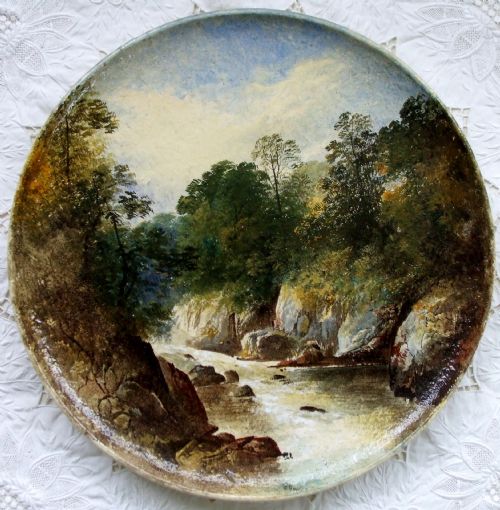


English Pottery Charger
An english pottery charger delivers bold wall presence and generous table scale, spanning centuries of tin glaze, ironstone, and earthenware experimentation.
English Pottery Charger
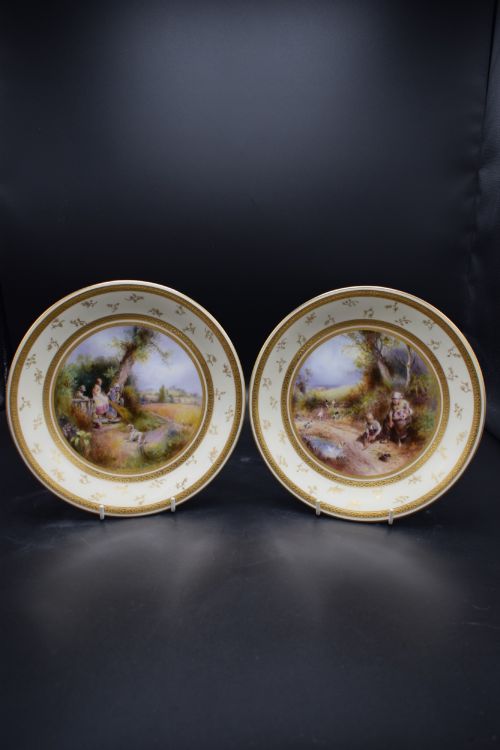
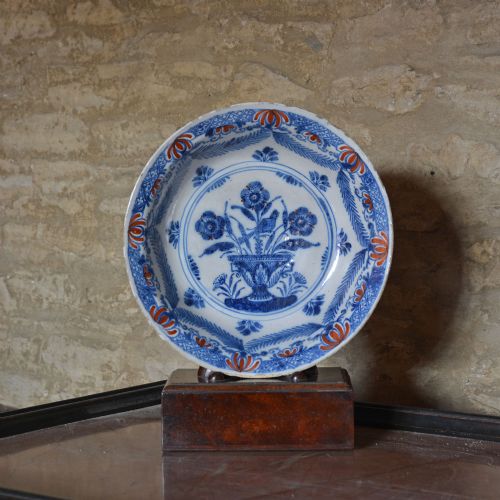
An english pottery charger represents large-format earthenware and ceramic serving vessels, most frequently encountered here as eighteenth-century delftware or nineteenth-century transferware and ironstone. Buyers seeking this phrase encounter wide circular plates, shallow bowls, and commemorative plaques produced across Georgian, Victorian, and Art Deco periods.
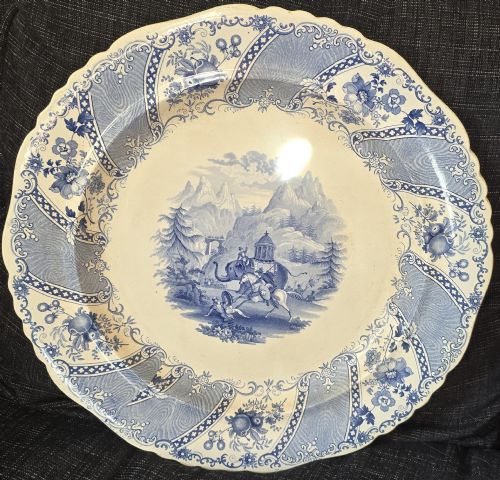
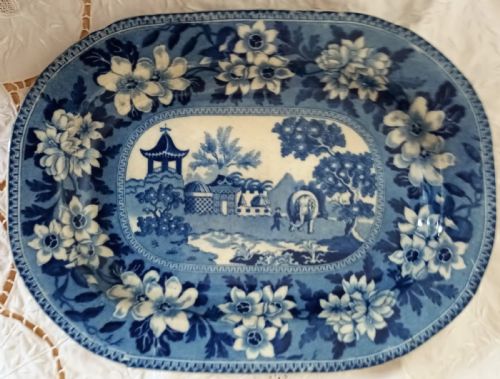
Early examples concentrate heavily on tin-glazed earthenware decorated with blue and white pigments or polychrome palettes, often influenced by Chinoiserie styles. Later nineteenth and early twentieth-century pieces shift toward ironstone bodies, transfer-printed topographical scenes, and vibrant tubelined enamel patterns.
Materials and Technique
Potters built these expansive round forms using earthenware, pearlware, or ironstone bodies, coated in opaque tin glazes or translucent lead glazes designed to receive cobalt oxide or enamel pigments. Early makers hand-painted motifs directly onto raw glaze surfaces, while subsequent generations adopted transfer printing to apply intricate narrative and scenic designs onto ceramic bases.
Firing techniques evolved from traditional kiln methods used for porous delftware bodies to advanced industrial processes yielding dense ironstone and vitrified ceramics. Artisans applied specialised surface treatments including hand-painted polychrome brushwork, cobalt pigment applications, and raised tubelined outlines during the Art Deco era.
English Pottery Charger Retail Price Guide 2026
Typical asking prices for english pottery charger among the pieces listed under this phrase on Sellingantiques today, from the lower quarter to the upper quarter. They describe what is for sale here now, not the wider market.
Listings feature earthenware, ironstone, and tin-glazed ceramics spanning from the eighteenth century through the Art Deco period.
Visual and Technical Distinction
Quality rests in the crispness of the painted or printed motif and the purity of the glaze surface across a broad expanse of clay. Superior examples exhibit balanced composition, controlled pigment absorption without blurring, and confident brushwork or precise transfer alignment.
The sophistication of the palette and the ambition of the pictorial subject matter separate standard utilitarian wares from accomplished decorative chargers and plaques. Depth of colour, particularly in cobalt blues and polychrome enamels, dictates visual impact on the wall or table.
William Smith And Co·John Rogers And Son·Copeland·Mason·Charlotte Rhead·Caughley·Minton·Clarice Cliff·Moorcroft
The English Pottery Charger Glossary
- Charger
- A large decorative plate or serving platter, traditionally displayed on walls or sideboards.
- Tin Glaze
- An opaque white ceramic glaze containing tin oxide, used extensively on early earthenware.
- Transferware
- Pottery decorated by applying a printed design from an engraved copper plate onto the ceramic surface.
- Tubelined
- A pottery decoration technique where clay slip is squeezed through a nozzle to form raised outlines before painting.
- Ironstone
- A dense, durable type of heavy earthenware patented in the nineteenth century to imitate porcelain.
English Pottery Charger: Frequently Asked Questions
What is a charger used for?
These large vessels served as ornamental wall displays or grand serving platters for communal dining tables.
Their substantial diameter provided an ideal canvas for narrative scenes, floral arrangements, and heraldic motifs.
How do I hang a charger?
Display requires a specialised broad-sprung wire hanger secured safely around the rim without placing undue pressure on the earthenware body.
Wall placement should avoid direct sunlight and damp environments to protect the historic glaze surfaces.
How are delft chargers dated?
Dating relies on analyzing the thickness of the earthenware body, the tone of the tin glaze, and the style of cobalt painting.
Earlier eighteenth-century pieces often display characteristic glaze pooling and distinctive pigment hues compared to later nineteenth-century revivals.
What is ironstone pottery?
Ironstone is a heavy, robust ceramic material developed in the nineteenth century to offer the durability of stoneware with the refined appearance of porcelain.
It withstands daily use well while providing a stable white ground for transfer-printed and enamelled decoration.