

English Pottery Bowl
An english pottery bowl brings utilitarian heritage and decorative character to a table, spanning centuries of regional kilncraft.
English Pottery Bowl
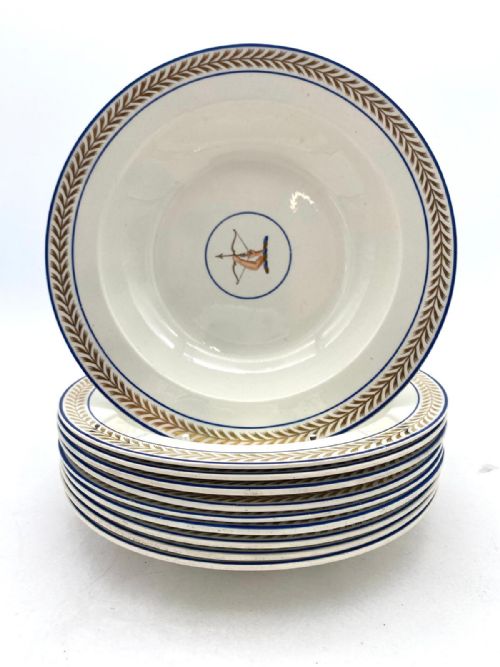
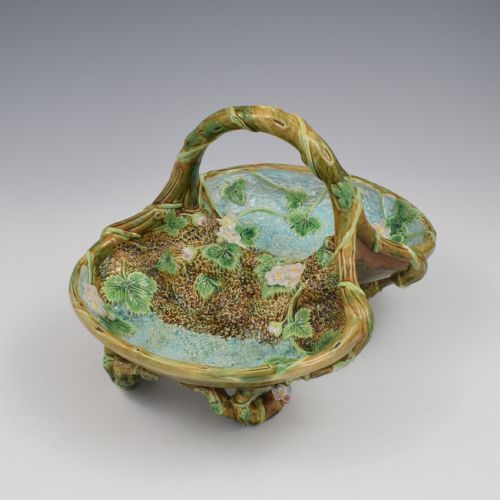
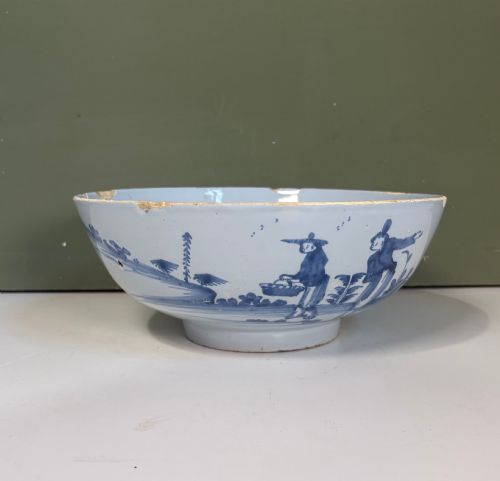
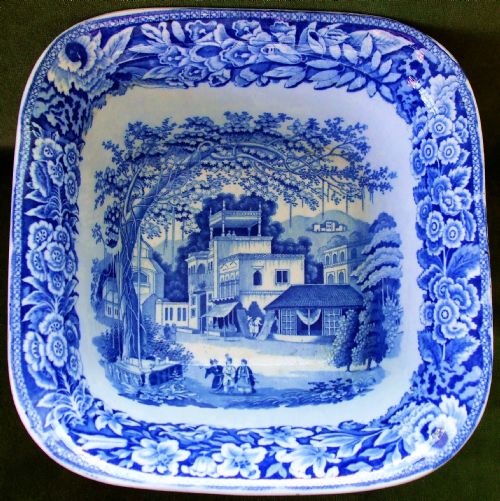
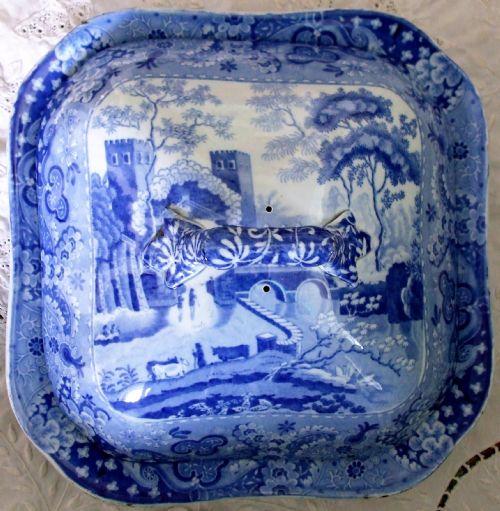
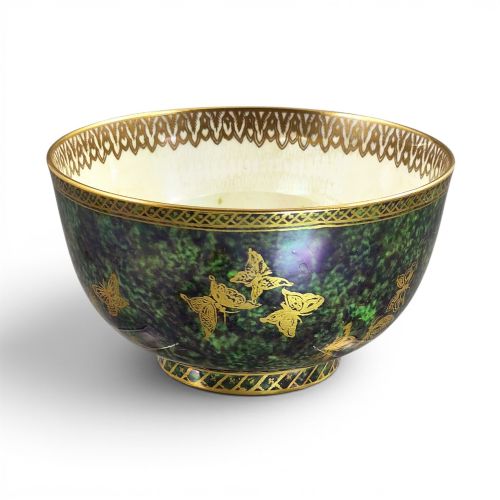
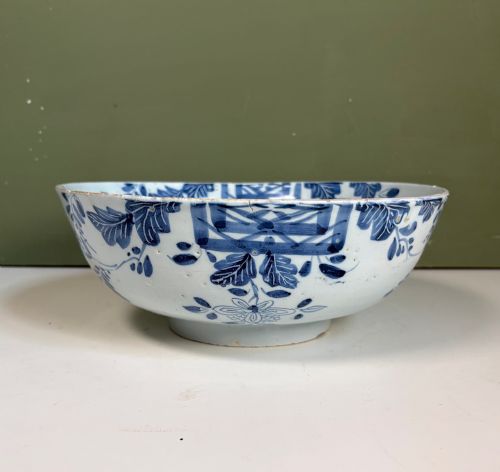
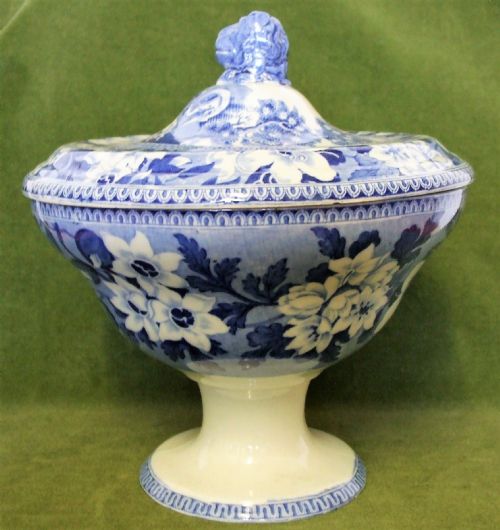
An english pottery bowl spans functional domestic vessels and decorative showpieces produced across Georgian, Victorian, and later periods. Collectors encounter everything from 18th century delftware and creamware pudding bowls to transfer-printed earthenware and vibrant lustre pieces from the early 20th century.
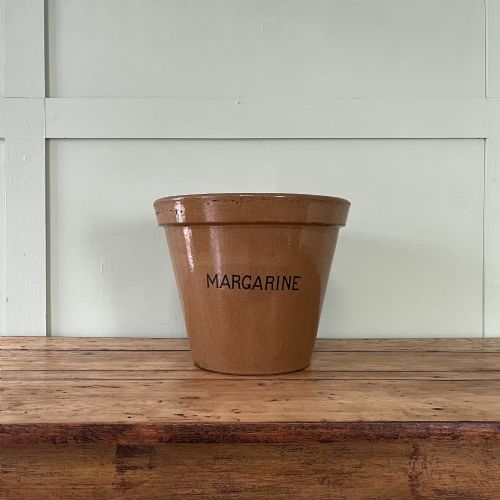
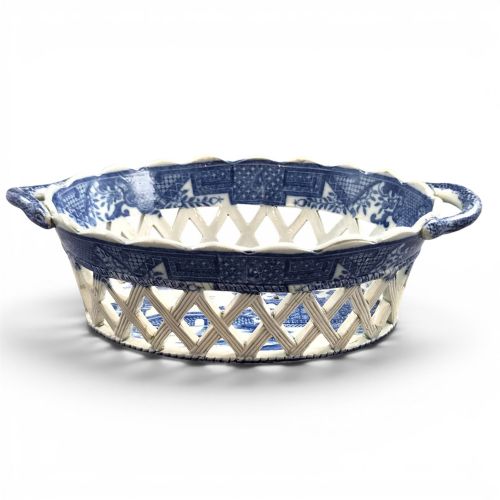
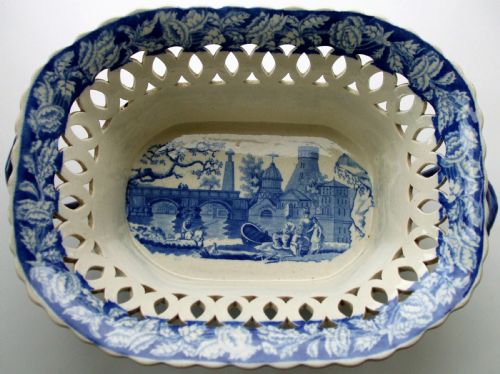
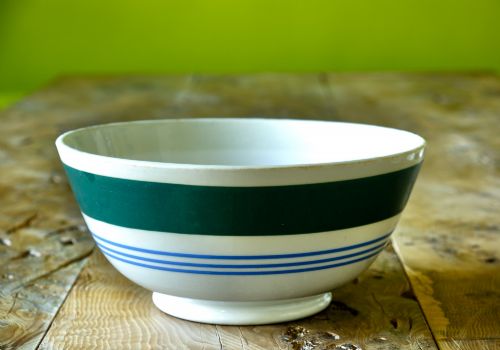
The selections on this page range from utilitarian stoneware margarine and wash bowls to pierced chestnut baskets, footed punch bowls, and ornamental art bowls. Domestic utility meets artistic expression through forms shaped by regional potteries over successive eras.
Materials and Technique
Potters utilised earthenware, creamware, bone china, and heavy stoneware bodies, applying lead and tin glazes to seal the porous clay. Early pieces often relied on hand-painted tin-glazing or delicate blue and white transfer printing to apply complex pictorial scenes.
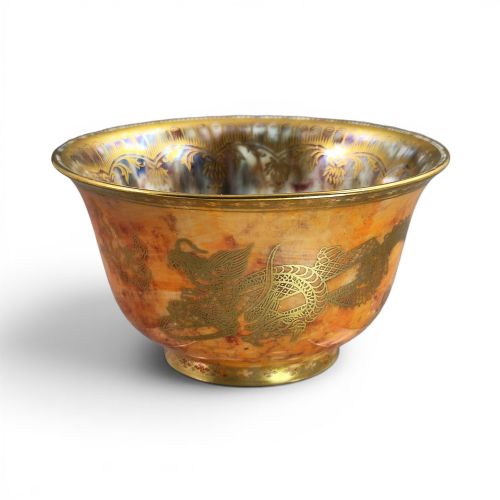
Later periods introduced complex lustre finishes, enamel highlights, and gold leaf detailing upon specialised ceramic bodies. The interaction between the base earthenware or stoneware and the applied glaze defines the surface texture of each vessel.
Common forms range from utilitarian wash bowls and storage crocks to decorative fruit baskets and punch bowls.
Evaluating Craftsmanship
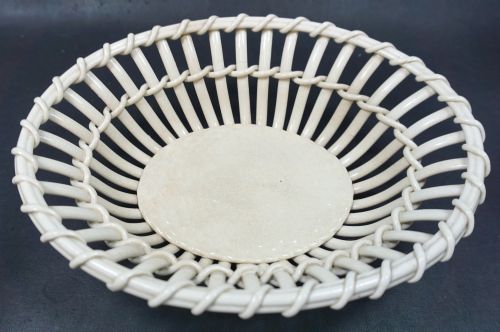
Quality rests in the crispness of the transfer print, the uniformity of the glaze, and the delicacy of reticulated or pierced work on chestnut baskets. Superior examples display careful hand-painting, precise registration in multi-colour transfer designs, and balanced throwing on the potter's wheel.
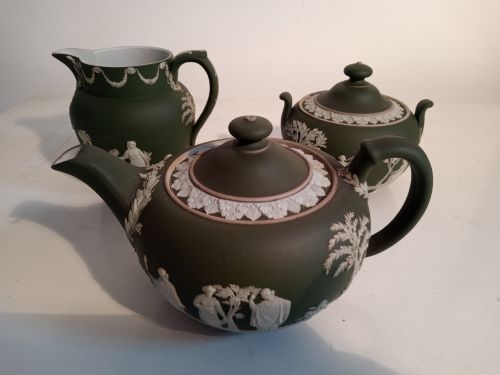
Artistic ambition separates standard kitchen pottery from specialised studio or factory productions, such as lustre-glazed display pieces or signed earthenware bowls. The depth of the colour application and the integrity of the underlying ceramic body dictate the enduring appeal of the object.
Wedgwood·Spode·Maling·Moorcroft Macintyre and Co·Doulton Lambeth·J and R Clews
The English Pottery Bowl Glossary
- Creamware
- A refined earthenware with a pale yellowish-cream glaze, developed in the 18th century by English potters.
- Transfer printing
- A method of decorating ceramics by engraving a design on a copper plate, printing it on tissue paper, and transferring the ink to the bisqueware before glazing.
- Delftware
- Tin-glazed earthenware produced in England and the Netherlands, typically featuring blue painting on a white opaque background.
- Lustreware
- Pottery featuring a metallic surface sheen created by applying metallic oxides during a secondary low-temperature firing.
- Ironstone
- A heavy, durable type of feldspathic earthenware patented in the early 19th century as a tough alternative to porcelain.
English Pottery Bowl: Frequently Asked Questions
How do I date an antique english pottery bowl?
Dating relies on identifying the underlying ceramic body, the style of the glaze, and any maker's marks stamped or painted on the underside. Stylistic cues such as transfer-printed scenery or tin-glazing provide clear chronological markers.
Comparing the form and decorative motifs to documented factory output helps narrow the production window to a specific decade or reign.
Were these bowls used for food or display?
Many bowls served practical domestic functions, including mixing ingredients, holding fruit, serving punch, or storing perishables like margarine. Heavier stoneware vessels managed heavy pantry tasks, while refined creamware and porcelain pieces appeared on dining tables.
Delicate lustre and reticulated basket forms were predominantly ornamental, designed to be showcased in reception rooms rather than used for heavy daily dining.
What is the difference between earthenware and stoneware?
Earthenware is fired at lower temperatures, resulting in a porous ceramic body that requires a glaze to remain waterproof. Stoneware uses denser clay fired at higher temperatures until vitrified, making it exceptionally tough and non-porous.
Stoneware vessels generally handled heavier utility roles in the pantry and dairy, while earthenware served finer table and decorative functions.