

English Portrait Artwork
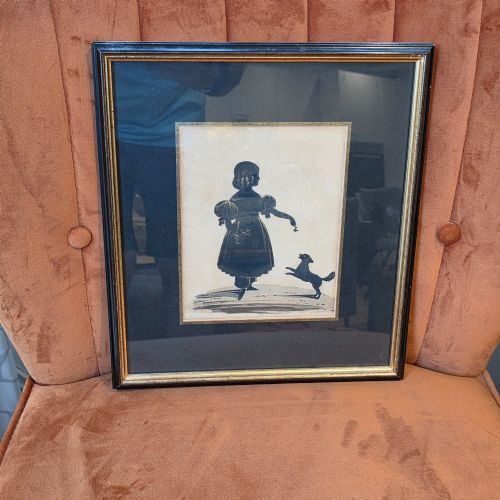
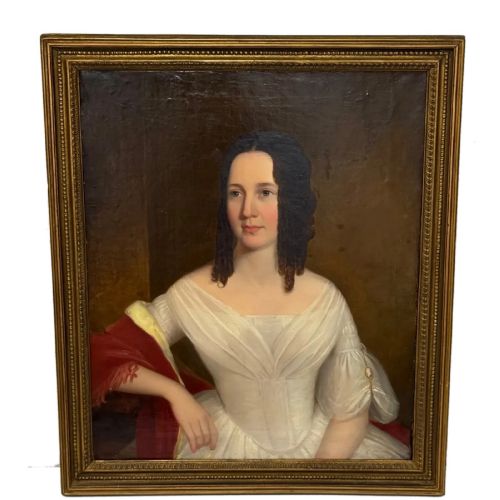
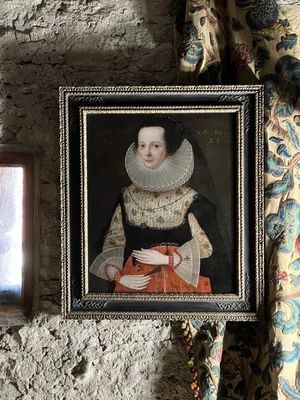
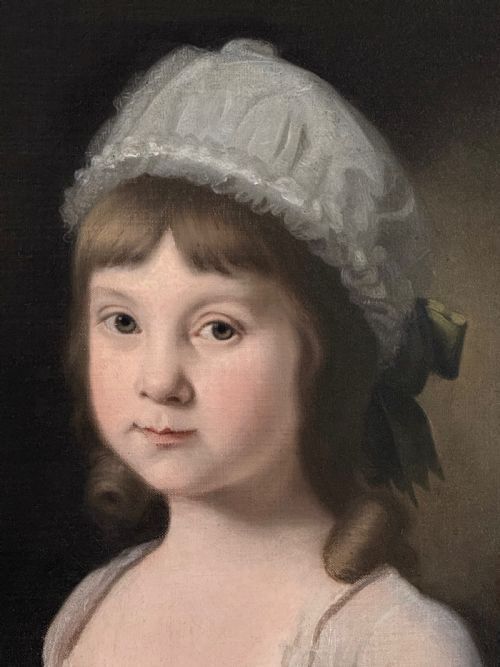
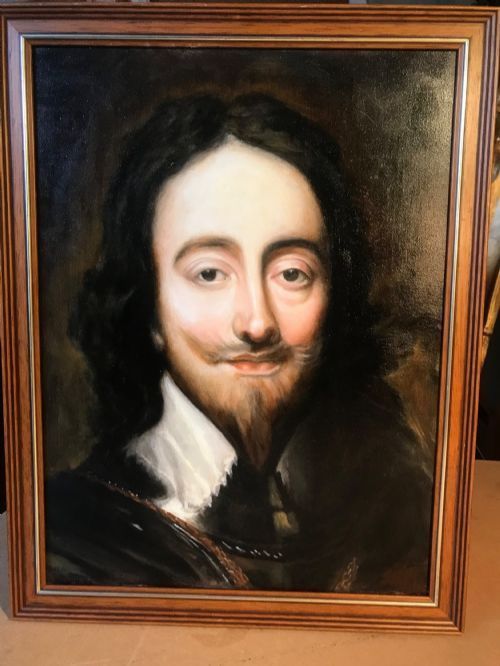
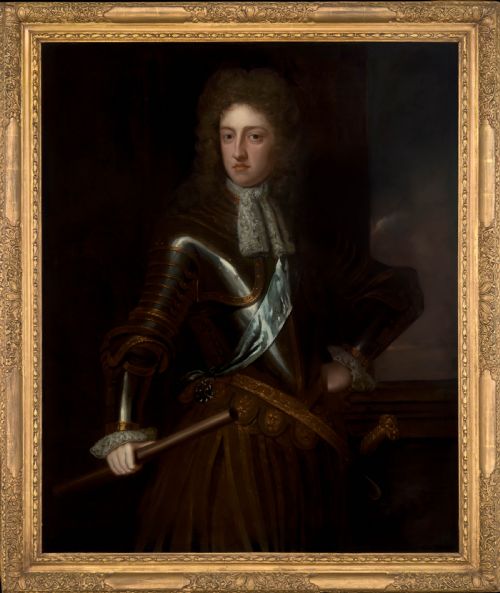
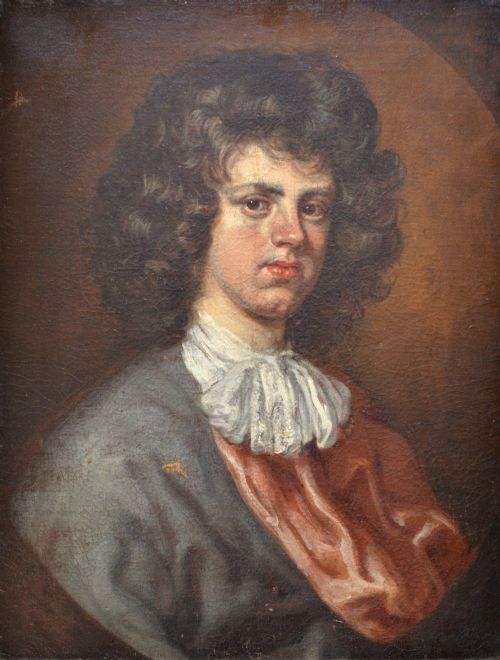
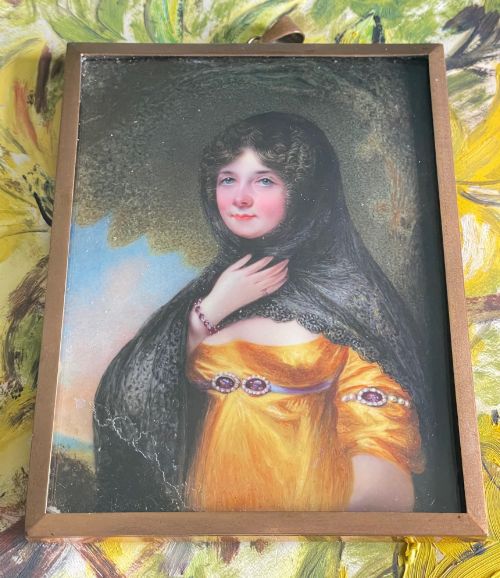
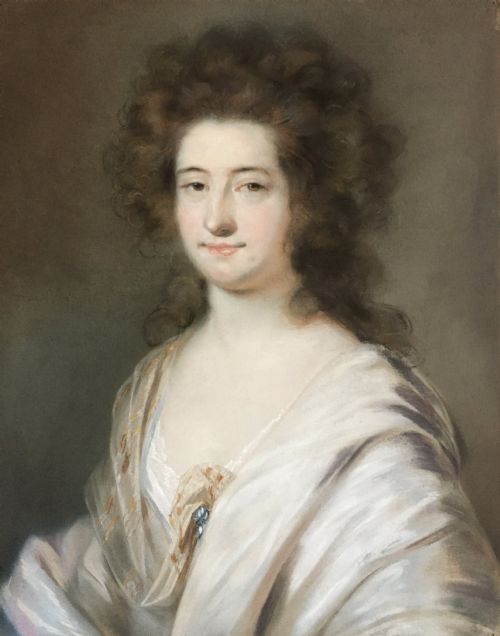
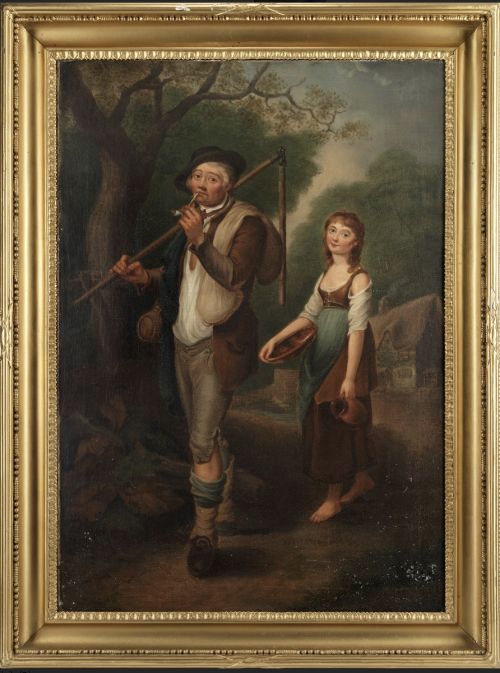
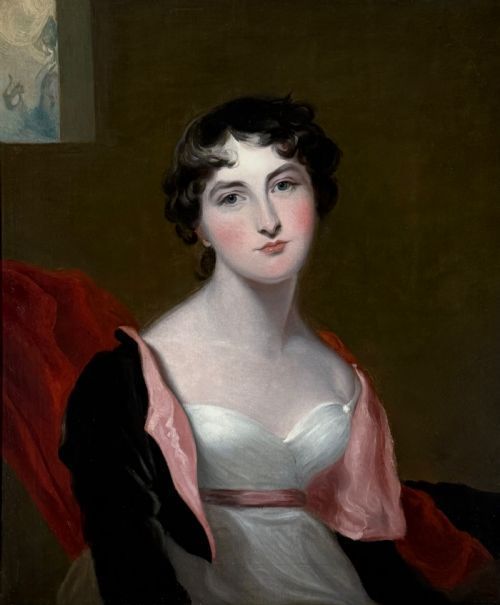
When you explore english portrait artwork, you encounter centuries of depiction ranging from detailed oil paintings on canvas to delicate cut paper silhouettes.
English Portrait Artwork
When browsing english portrait artwork, buyers encounter a diverse selection spanning from the seventeenth century through the Victorian era and into later periods. The inventory comprises oil paintings on canvas and panel, watercolours, pastels, charcoal drawings, and framed prints. Many pieces originate from named artists, studio circles, or regional British schools.
The most frequent items met on this page are oil paintings and watercolours depicting individual subjects, family groups, and historical figures. These works often arrive within period frames, utilising materials such as giltwood and glass to preserve the paper or canvas surfaces.
How they were made
The physical construction of english portrait artwork relies heavily on traditional supports such as woven canvas, wooden panels, and heavy rag paper. Artists applied oil paint, watercolour, pastel, and enamel to build depth and likeness, frequently securing the works behind protective glass.
Framing is an integral component of the construction, utilising carved wood, giltwood accents, and gold leaf finishes to house the paintings and prints securely.
Listings include 17th Century, 18th Century, 19th Century, and Regency periods utilising oil on canvas, paper, and giltwood.
What varies in quality
Condition and originality also influence the standing of a piece, particularly the preservation of the original pigment layers, paper integrity, and the authenticity of the accompanying period frame.
William James Hubard·Joseph Clover RA·Sir Joshua Reynolds·Sir Godfrey Kneller·Mary Beale·Thomas Barker of Bath·Sir Thomas Lawrence·Albert Clark·Robert Byng·Sir William Beechey·Charles Jervas·John Opie RA·John Michael Wright·John Sargent Noble·Sir Thomas Wentworth·Jeremiah Davison·Adriana Verelst·Hans Holbein·Frederick Tatham·Charles Henry Slater
The English Portrait Artwork Glossary
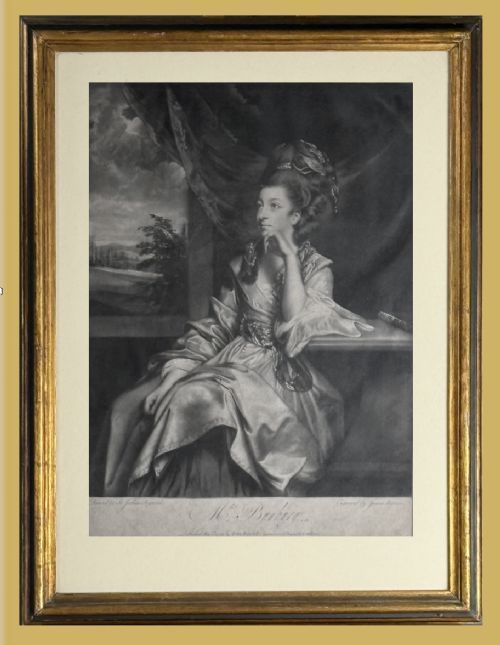
- Mezzotint
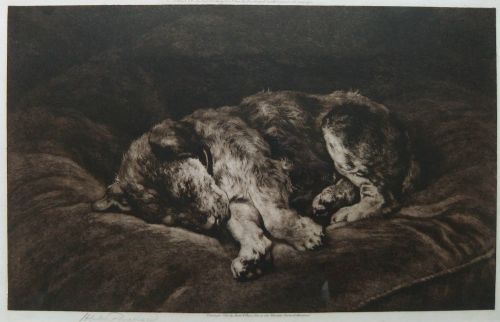
- A printmaking process of the print family where the plate is roughened to allow half-tints to be produced. This technique was frequently utilised for reproducing famous painted portraits.
- Giltwood
- Wood that has been coated with gold leaf or gold paint. It is commonly found on the ornate frames enclosing antique paintings.
- Circle of
- A term used when a work is judged to be by an unidentified artist working closely within the distinct manner of a master. It denotes proximity to a known hand without direct attribution.
- Panel
- A rigid wooden support used as a base for paintings before stretched canvas became dominant. Oak and mahogany were common choices for British works.
English Portrait Artwork: Frequently Asked Questions
How do I identify the period of a portrait?
Dating relies on the sitter's costume, the hairstyle, and the framing techniques characteristic of specific eras such as the seventeenth century or the Regency period. Examining the materials used for the canvas or panel also offers clues.
Signatures, inscriptions on the reverse, and stylistic markers linked to particular British schools further help establish the date of execution.
What is the difference between oil and watercolour?
Oil paintings utilise pigment suspended in drying oils applied to canvas or wood panels, allowing for rich colours and heavy texture. Watercolours use water-soluble pigments on paper, creating a lighter and more translucent finish.
Oils are generally more robust and traditionally hung in formal rooms, while works on paper require glass protection to prevent environmental damage.
How should I care for antique portraits?
Protecting these pieces involves hanging them away from direct sunlight and maintaining stable indoor humidity to prevent wood warping or paper degradation. Dusting should be done gently with a soft, dry cloth.
Avoid using liquid cleaners on the canvas, paper, or giltwood frames, as moisture can cause irreversible harm to historical pigments and gilding.
What does attribution to a studio mean?
An artwork attributed to a studio or circle indicates it was produced by assistants or followers closely associated with a master painter. These pieces often reflect the exact style and workshop practices of the named artist.
Such works provide historical insight into the broader production methods of British art schools during periods like the Georgian era.