




English Pewter Tableware
English pewter tableware brings centuries of domestic metalwork to the table, offering understated metallic surfaces that suit historic interiors.
English Pewter Tableware
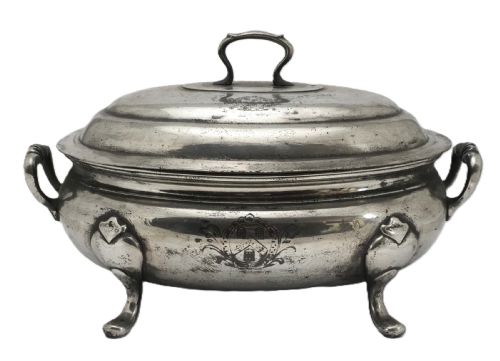
English pewter tableware encompasses plates, chargers, dishes, platters, tureens and ladles spanning the seventeenth, eighteenth and nineteenth centuries. These domestic vessels served everyday and formal dining before ceramic and glass wares became dominant on British tables.
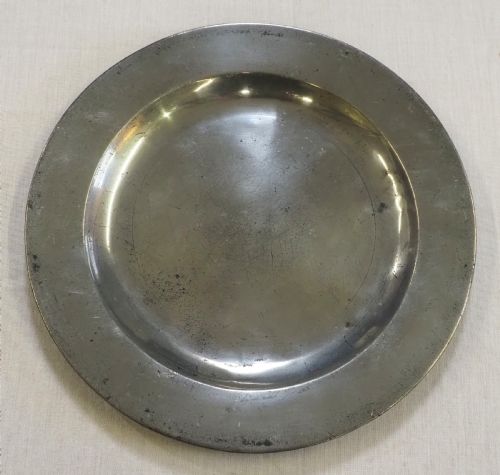
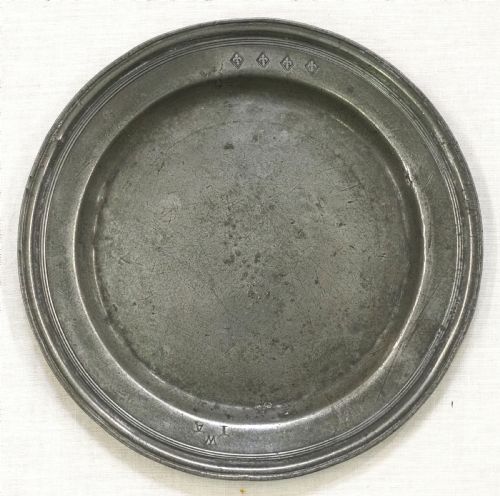
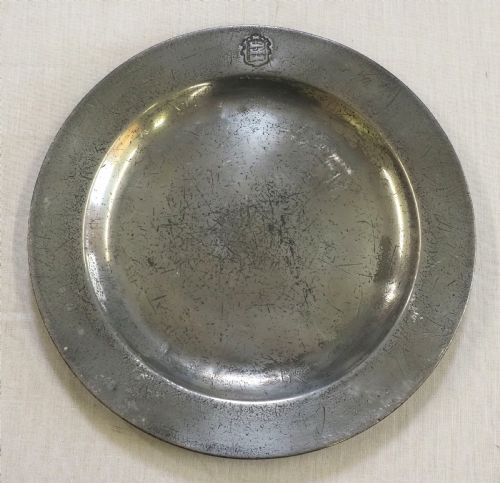
Plates and chargers form the largest portion of these listings, appearing in plain rim and multiple reeded variations. Buyers encounter pieces bearing makers' marks, town stamps and occasional engraved coats of arms such as those of the Worshipful Company of Pewterers.
Objects date from the seventeen-hundred-and-fifties through to the nineteenth century, reflecting Georgian styling alongside earlier seventeenth-century English traditions. The forms remain utilitarian, designed for food service and display within traditional dining spaces.
Making the Ware
Pewter production relies primarily on casting metal alloys into moulds, followed by hand finishing on a lathe to achieve smooth rims and consistent depths. Makers shaped plates and deep dishes from sheets or cast blanks, adding decorative reeding and maker touches by hand.
Engraving was applied separately to personalise pieces with armorials, such as the Great Yarmouth coat of arms or corporate insignia. Makers struck touchmarks into the soft metal surface to record their workshop identity and compliance with guild standards.
English Pewter Tableware Retail Price Guide 2026
Typical asking prices for english pewter tableware among the pieces listed under this phrase on Sellingantiques today, from the lower quarter to the upper quarter. They describe what is for sale here now, not the wider market.
Several plates bear the engraved coats of arms of maritime towns and pewterers' guilds, turning simple dinner service into heraldic history.
Judging Quality
Quality rests on the crispness of the maker touchmarks and the retention of original metal thickness across the rim and well. Thinner metal resulting from excessive cleaning reduces the structural integrity and historical weight of the plate.
Engraved armorials and multiple reeded borders require skilled handwork, distinguishing standard utility vessels from pieces commissioned for livery companies or affluent households. Surface patination, minimal distortion and legible maker attributions elevate individual examples.
William Wright·T & H Compton·Richard King·Wood & Michell·Robert Moulins II·Dixon & Son·Yates Birch & Spooner
The English Pewter Tableware Glossary
- Charger
- A large decorative or serving plate designed to sit beneath smaller dinner plates. These wide vessels form the grandest tier of domestic metalware.
- Touchmark
- A stamped hallmark applied by a pewterer to guarantee alloy quality and workshop origin. These small impressions help modern collectors identify makers and dating windows.
- Reeded
- A surface decorated with parallel raised bands or mouldings. Multiple reeded borders provide tactile contrast around the rim of plates and dishes.
- Tureen
- A deep covered bowl used for serving soups or stews at the table. These heavier forms often feature engraved armorial decoration.
English Pewter Tableware: Frequently Asked Questions
How do I clean old pewter?
Old pewter requires only gentle washing with warm soapy water and thorough drying with a soft cloth to protect the metal. Avoid harsh commercial metal polishes that strip away the aged surface.
Leaving the natural grey patina intact preserves the historical character of eighteenth and nineteenth-century domestic items.
Can I use these plates for dining?
Historic pewter often contains lead content that makes modern food use inadvisable, particularly for acidic foods. These items serve best as decorative display pieces in traditional dining rooms.
Enjoying them visually lets you appreciate the metal surfaces and touchmarks without risking damage to the antique material.
What does a touchmark tell me?
A touchmark records the maker's name or initials and sometimes their town of operation within Britain. Guild regulations required workshops to stamp their alloy standard onto the metal.
Matching these stamps to historical records helps narrow down the decade of manufacture for unmarked or plain pieces.
How do I date a pewter plate?
Dating relies on stylistic clues like rim widths, multiple reeded edges, and the specific form of makers' touchmarks recorded in reference texts. Eighteenth-century examples often feature plainer rims than seventeenth-century counterparts.
Engraved coats of arms and specific maker operating dates provide further chronological anchors for individual chargers and dishes.