


English Painted Botanical Plate
An english painted botanical plate brings hand-rendered flora into the interior, offering a tangible link to historical ceramic artistry.
English Painted Botanical Plate
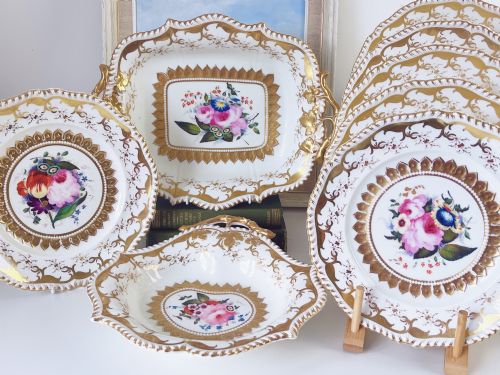
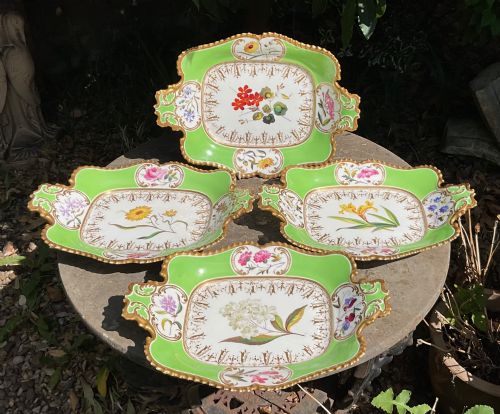
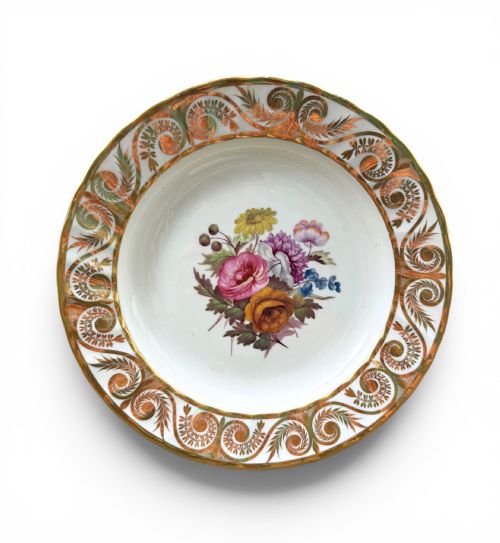
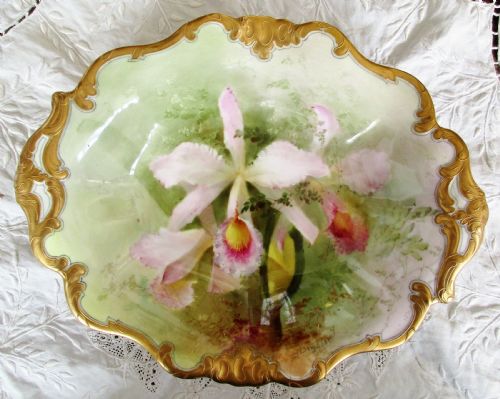
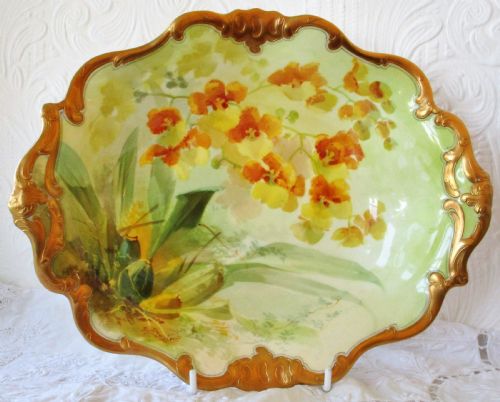
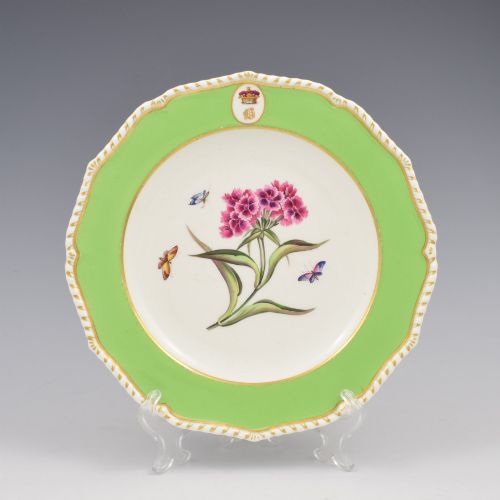
An english painted botanical plate presents individual floral specimens or garden scenes rendered by hand upon ceramic surfaces. These objects emerged to satisfy a Georgian and Regency appetite for natural history, displayed upon dining tables or within glass-fronted cabinets. The pieces on this page span the eighteenth, nineteenth, and early twentieth centuries, reflecting changing domestic fashions.
Most items you encounter here take the form of dessert plates, cabinet plates, or serving dishes intended for formal dining or display. Factories produced these pieces in porcelain, bone china, and earthenware, often as part of larger dessert services. Manufacturers such as Worcester, Derby, and Coalport dominate the selection.
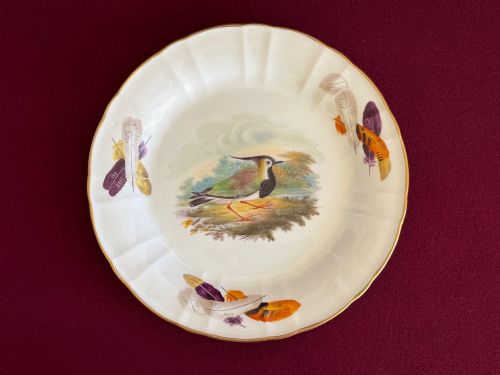
The aesthetic bridges scientific observation and ornamental design, depicting specific flowers, butterflies, or birds with botanical accuracy. Painters utilised enamel colours and gold leaf to elevate functional tableware into decorative art.
Materials and technique
Potters shaped porcelain, bone china, and creamware bodies on the wheel or pressed them into moulds before initial firing. Artisans then applied underglaze foundations where required, preparing the ceramic surface for hand painting. Enamel pigments were brushed on by hand, capturing fine botanical details leaf by leaf.
Gilding with gold leaf or liquid gold added borders and highlights, requiring a secondary kiln firing to bond the metal to the glaze. This method ensured the metallic elements remained bright and durable against daily wear.
Listings feature porcelain, bone china, earthenware, and creamware across the Georgian, Regency, Victorian, and Edwardian periods.
Quality variations
The artistic execution of the painted flora dictates the standing of each piece, distinguishing factory work from master painter output. Skilled artists captured botanical specimens with anatomical precision and delicate shading, while lesser examples relied on formulaic repetition.
The application of gilding and the quality of the porcelain body further separate standard wares from cabinet pieces. Heavy, crisp paste and pristine enamel preservation elevate certain plates above standard production.
Grainger Lee And Co·Chamberlains Worcester·Royal Doulton·Bloor Derby·Barr Flight And Barr·Royal Worcester·Chelsea Derby·Coalport·Rockingham·New Hall
The English Painted Botanical Plate Glossary
- Bone china
- A type of soft-paste porcelain incorporating animal bone ash, producing a durable, milky-white body. This material allowed makers to fashion thin, refined plates suitable for hand painting.
- Cabinet plate
- A decorative ceramic dish intended for display in a cabinet rather than functional use at the table. These pieces often feature elaborate painted subjects and gilt borders.
- Enamel
- Opaque glass fused to the ceramic surface during firing to create bright, stable colours. Painters used these pigments for botanical illustrations.
- Gilding
- The application of gold leaf or gold paint to ceramic edges and motifs. This technique provides rich contrast against painted floral arrangements.
- Creamware
- A refined earthenware developed in the eighteenth century with a warm cream-coloured glaze. It served as an affordable canvas for early painted services.
English Painted Botanical Plate: Frequently Asked Questions
What were botanical plates used for?
These pieces served practical roles during formal dessert courses, holding fruit and sweet dishes at the end of a meal. Wealthy households also displayed them in cabinets to showcase horticultural interests.
Over time, many service plates survived independently as decorative cabinet pieces while their matching bowls and dishes were lost.
How do I identify the period of a plate?
Makers marks stamped or painted on the reverse provide the most reliable indicator of age and origin. Stylistic clues such as Regency border patterns or Victorian colour palettes also help date the ceramic body.
Consulting factory archives allows collectors to match specific ciphers to exact manufacturing decades.
Can I use antique plates for dining?
Using nineteenth-century porcelain for daily meals risks damaging fragile enamels and historic glazes. Hand-washing is essential to protect delicate gilding and painted surfaces from modern detergents.
Most collectors prefer to exhibit these pieces on plate stands or wall mounts to preserve their condition.
Why are some plates signed by artists?
Master painters at factories like Derby and Worcester occasionally initialled or signed their finest botanical studies. Named flower species also appear on the reverse of higher-quality cabinet plates.
Signed works reflect the individual hand of a trained ceramic artist rather than standard factory output.