



English Oak Storage
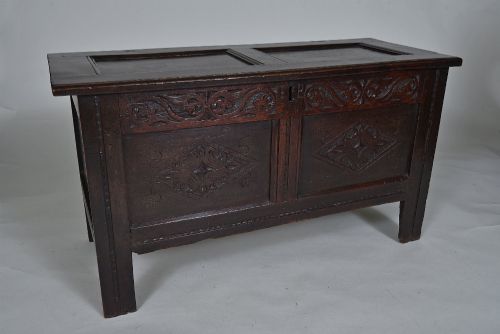
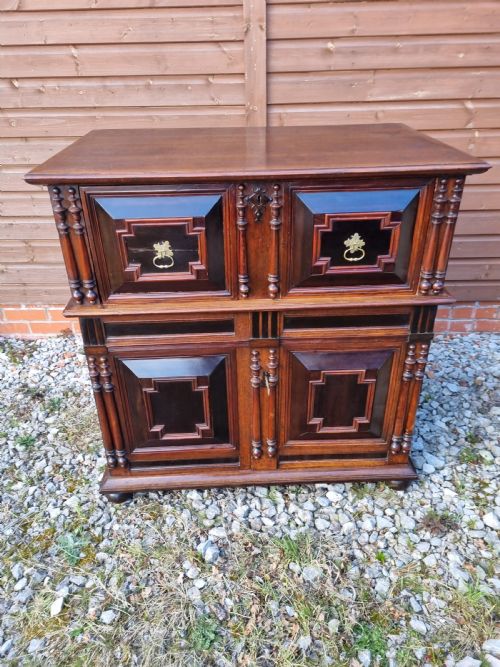
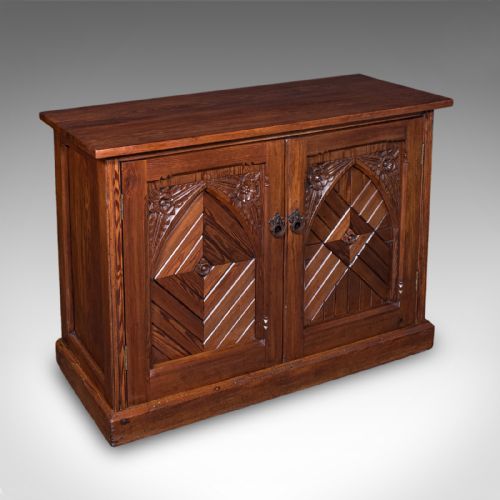
English oak storage brings together centuries of utility, spanning robust seventeenth-century coffers and elegant Edwardian cabinets.
English Oak Storage
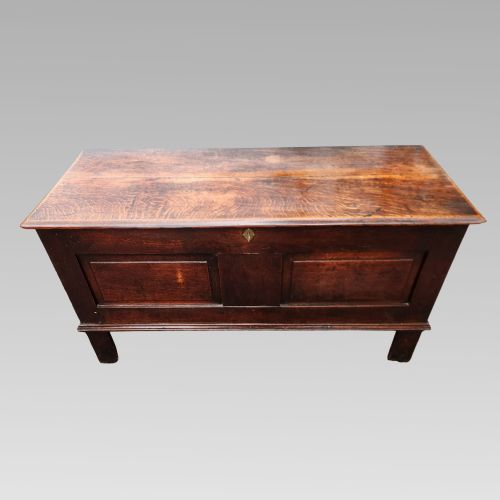
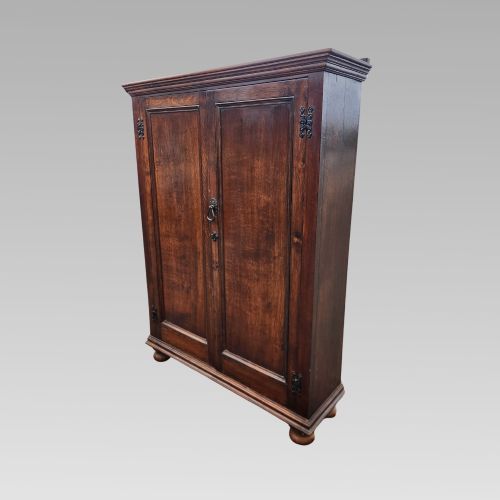
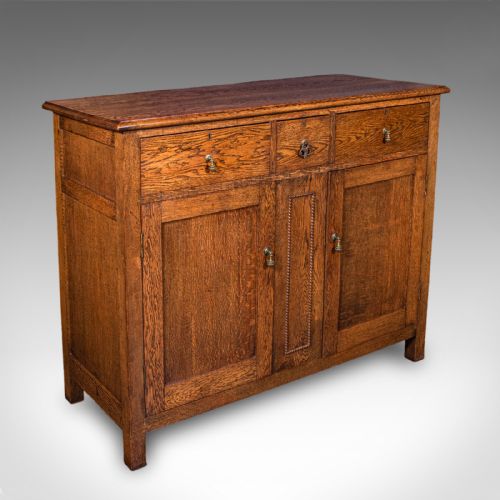
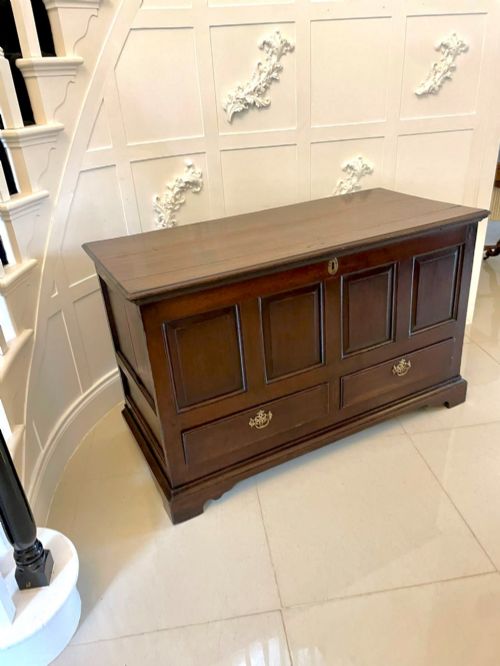
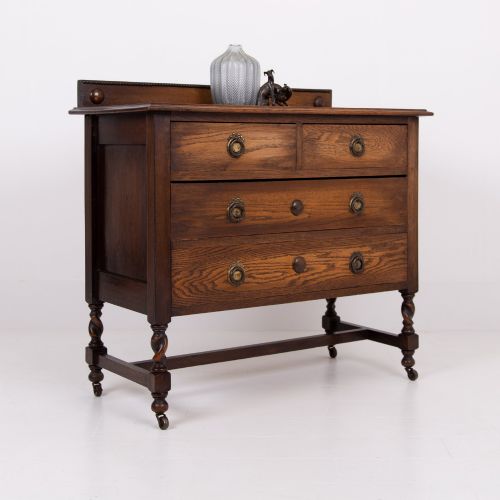
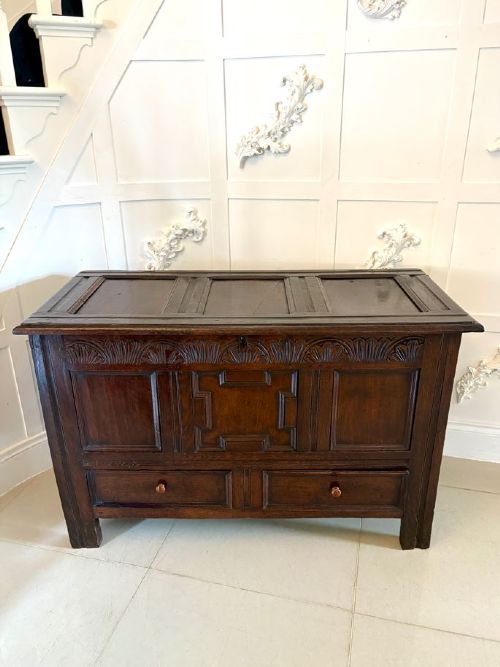
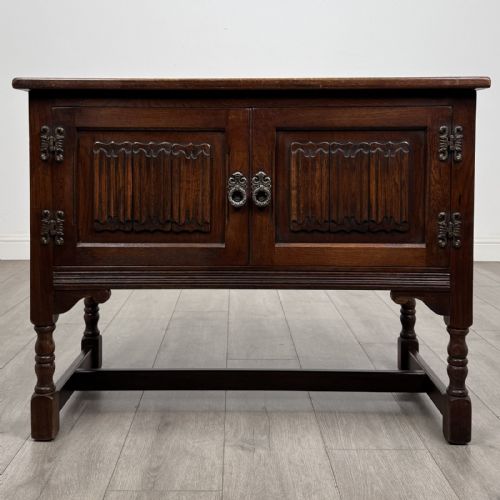
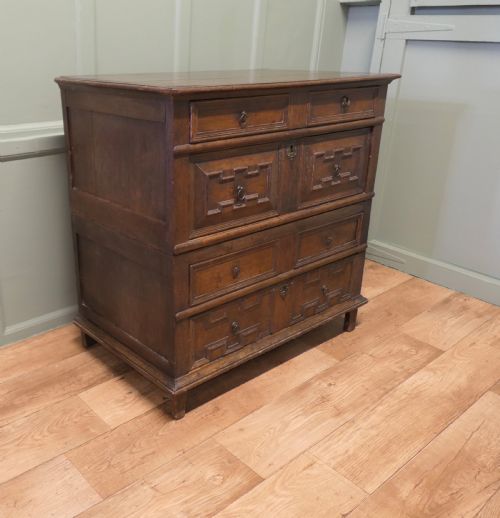
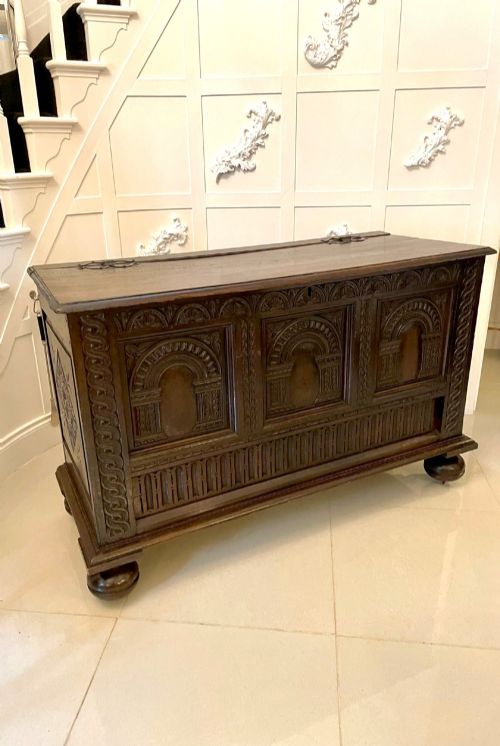
English oak storage encompasses a diverse array of domestic vessels, from early coffers and mule chests to later chests of drawers, cupboards, and sideboards. The pieces available span multiple eras, including the seventeenth century, Georgian period, Victorian era, and Edwardian period.
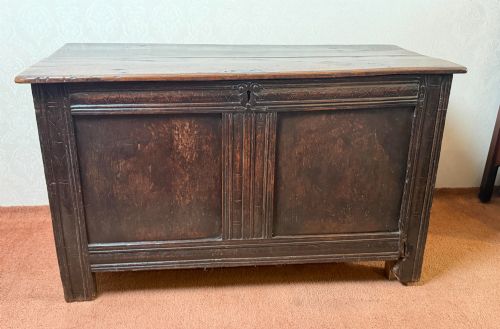
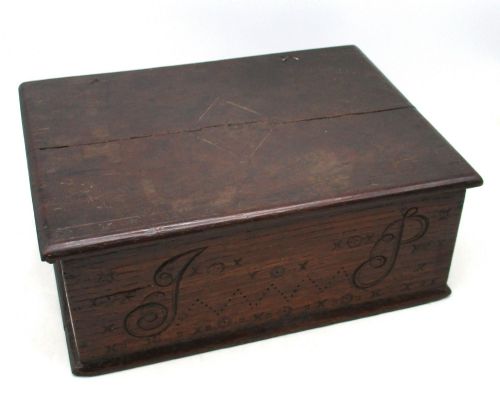
Coffers, blanket chests, and document boxes dominate the earlier centuries, often displaying carved detailing or joined construction. Later periods introduce taller storage forms such as court cupboards, dressers, and drawer chests designed for domestic organisation.
Materials and construction
Carpenters relied primarily on English oak, frequently supplemented by secondary timbers like pine, sycamore, and ebony for contrasting inlay or decorative highlights. Iron and brass hardware, including hinges, drop handles, and escutcheons, secure and accent the heavy timber frames.
Construction techniques evolved from primitive boarded boxes and joined frames with pegged mortise and tenon joints to sophisticated dovetailing on later drawers and tambour mechanisms in twentieth-century pieces.
English Oak Storage Retail Price Guide 2026
Typical asking prices for english oak storage among the pieces listed under this phrase on Sellingantiques today, from the lower quarter to the upper quarter. They describe what is for sale here now, not the wider market.
Listings feature oak storage spanning the seventeenth century through to the 1930s, utilising brass, iron, and ebony alongside primary oak.
Craftsmanship and preservation
Quality rests in the crispness of hand-carved panels, the tightness of historical joints, and the retention of original timber surfaces rather than stripped or heavily refinished boards. Superior examples maintain their original brass or iron hardware and structural integrity without excessive timber replacement.
Proportion and decorative restraint distinguish finer pieces from simpler utilitarian versions, with details like linenfold panels, geometric moulding, or subtle inlay elevating the object's character.
The English Oak Storage Glossary
- Coffer
- A large wooden chest used historically for storing valuables, linen, or documents. These sturdy boxes often feature hinged lids and front panels decorated with carving.
- Mule chest
- A storage chest fitted with one or more drawers at the base beneath the main compartment. This form bridges the traditional coffer and the modern chest of drawers.
- Court cupboard
- An elaborate standing cupboard featuring recessed upper tiers and enclosed lower sections. They served as prominent display and storage furniture in wealthier households.
- Linenfold
- A style of woodcarving that imitates folded linen cloth. This decorative motif appears frequently on panels of Tudor and seventeenth-century cupboards and chests.
- Dovetail
- A joint formed by interlocking wedge-shaped fingers of wood. It provides exceptional tensile strength in drawer construction.
English Oak Storage: Frequently Asked Questions
How do I date an oak coffer?
Dating an oak coffer involves examining the construction methods, tool marks, and decorative styles used by the carpenter. Pegged mortise and tenon joints, hand- cleft boards, and period-specific motifs like strapwork or linenfold carving point toward seventeenth-century origins.
Later pieces from the Georgian and Victorian eras often display machine-sawn timber, standardised fixings, and stylistic revivals that mimic earlier centuries.
Where should I place an oak cupboard?
An oak cupboard suits hallways, living rooms, and dining spaces where its sturdy presence anchors the room. Placing it away from direct heat sources and strong sunlight protects the historic timber from drying out and splitting.
These cabinets provide practical storage for tableware, books, or dry goods while adding texture and historical character to modern interiors.
What distinguishes a court cupboard?
A court cupboard is an imposing storage piece characterised by a tiered structure with enclosed upper and lower compartments. Carpenters often supported the upper section with heavy turned columns or carved pillars.
Originating as status symbols in early domestic interiors, they offer deep display surfaces alongside enclosed storage for household silver and provisions.