

English Oak Carved Chest
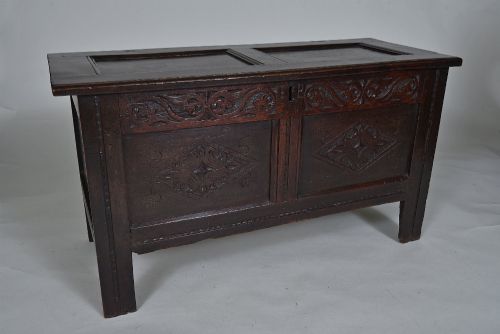
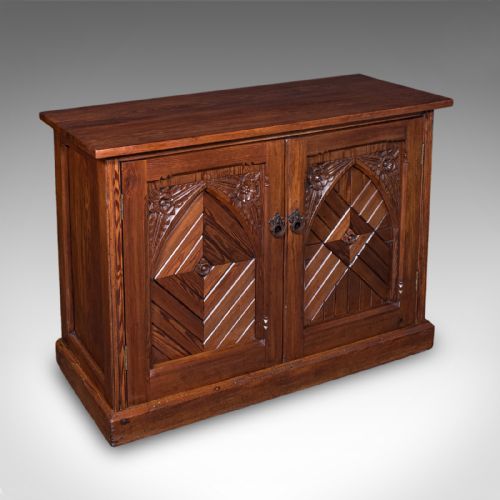
When searching for an english oak carved chest, collectors find sturdy timber repositories originating mostly from the seventeenth and eighteenth centuries.

English Oak Carved Chest
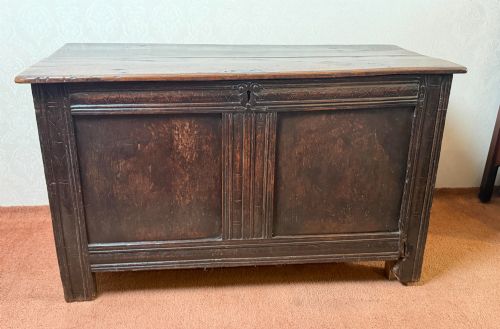
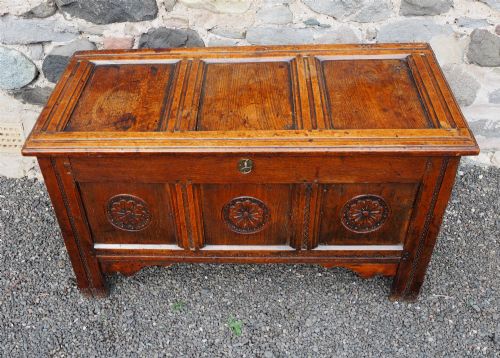
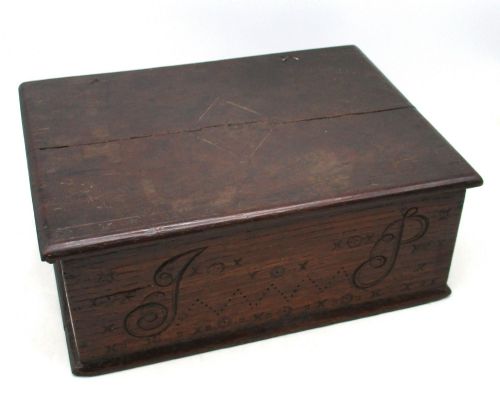
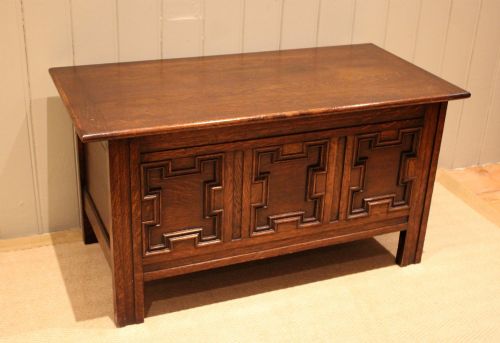
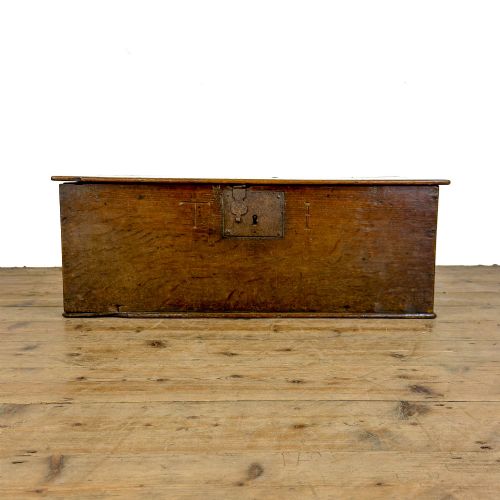
An english oak carved chest typically takes the form of a coffer, blanket box, or document box designed for domestic storage across early periods.
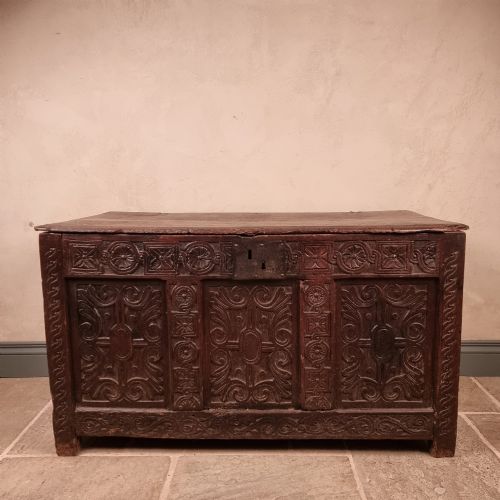
The pieces appearing most frequently span the seventeenth century and the Georgian era, displaying joined panel construction and surface decoration.
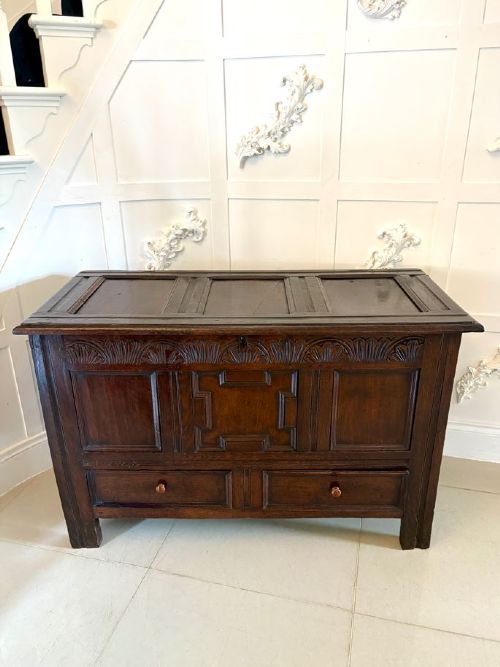
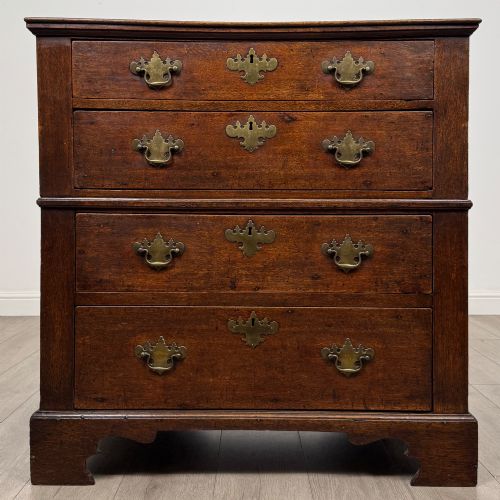
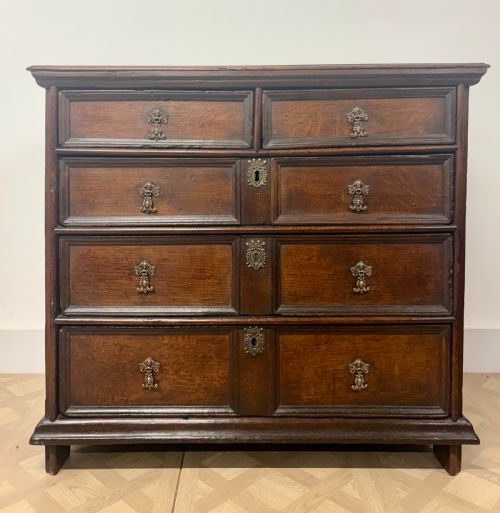
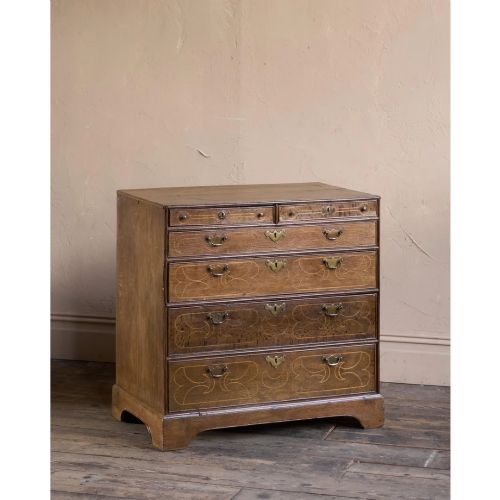
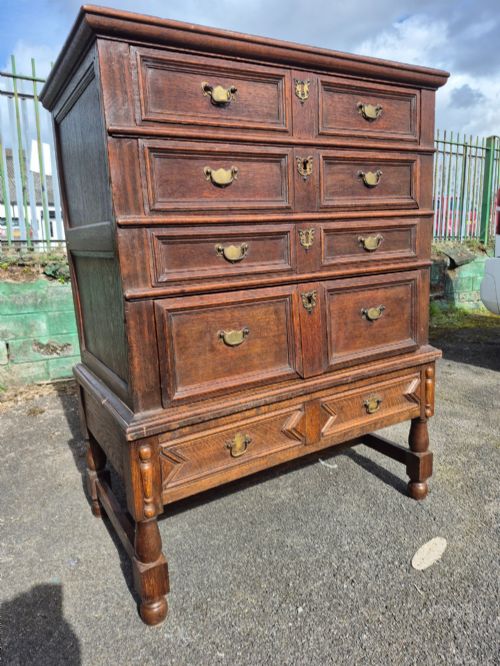
Mule chests and chests of drawers also emerge within these listings, extending the basic box form with internal compartments or lower drawer tiers.
Materials and construction
Makers utilised solid native timber supplemented occasionally by elm or fruitwood inlay, fastened with pegged mortise and tenon joints.
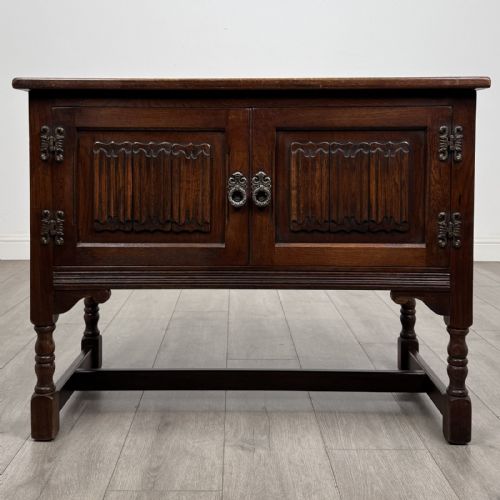
Iron and brass hardware such as hinges, lock plates, and handles secure the heavy lids and drawer fronts.
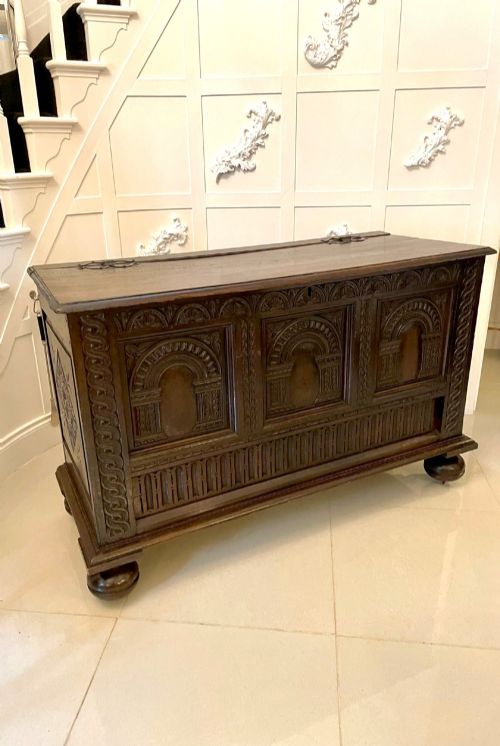
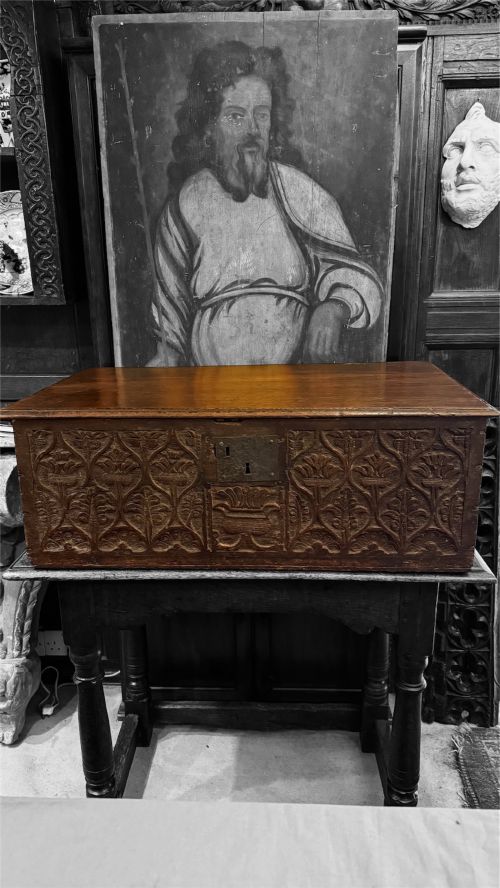
Carving techniques involve chip carving, arcading, and geometric panel moulding executed directly into the dense wood grain.
English Oak Carved Chest Retail Price Guide 2026
Typical asking prices for english oak carved chest among the pieces listed under this phrase on Sellingantiques today, from the lower quarter to the upper quarter. They describe what is for sale here now, not the wider market.
Several examples served dual purposes as window seats, offering sturdy wooden comfort alongside concealed storage for family linens.
Quality differences
The depth and crispness of the hand carving separate robust vernacular pieces from more ambitious workshop productions.
Survival of original surface patination, timber colour, and internal components dictates the desirability of surviving examples.
The English Oak Carved Chest Glossary
- Coffer
- A large wooden storage chest with a hinged lid, traditionally used for domestic valuables and textiles.
- Arcading
- A decorative series of arches carved in relief along panel friezes, common in seventeenth-century joinery.
- Mule chest
- A storage chest featuring one or more drawers built into the base beneath the main compartment.
- Joined chest
- Furniture constructed using pegged frame and panel techniques rather than simple board assembly.
English Oak Carved Chest: Frequently Asked Questions
What is an english oak carved chest?
These pieces are heavy wooden storage receptacles built primarily to hold household linens, documents, and valuables in early domestic interiors.
They appear as boarded boxes, panelled coffers, and mule chests spanning the sixteenth to eighteenth centuries.
How were these chests used?
Households utilised them for secure storage of textiles, church plate, and family records before fitted wardrobes became common.
Secondary uses included serving as seating benches or tables within early chambers and halls.
How do I date an oak chest?
Dating relies on observing construction methods, such as hand-split boards, pegged joints, and regional carving styles characteristic of periods like Charles II or the Georgian era.
Hardware types and timber ageing also provide reliable clues to the century of manufacture.
How should I live with one?
Position the piece away from direct heat sources and radiators to prevent timber shrinkage and splitting of the dry oak boards.
Maintain stable indoor humidity and use the internal space for storing blankets or linens as originally intended.