





English Needlework Art
English needlework art brings historical hand-stitched craft straight to the wall, offering tactile scenes from centuries past.
English Needlework Art
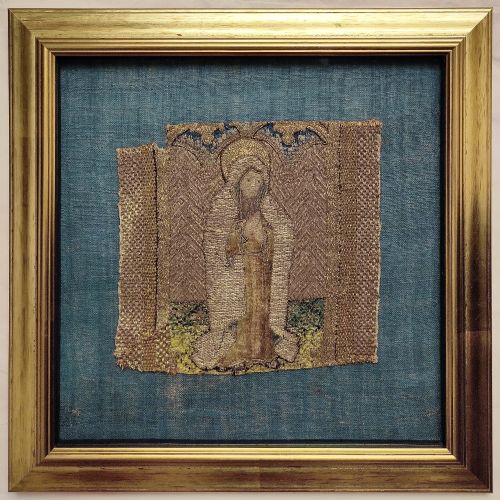
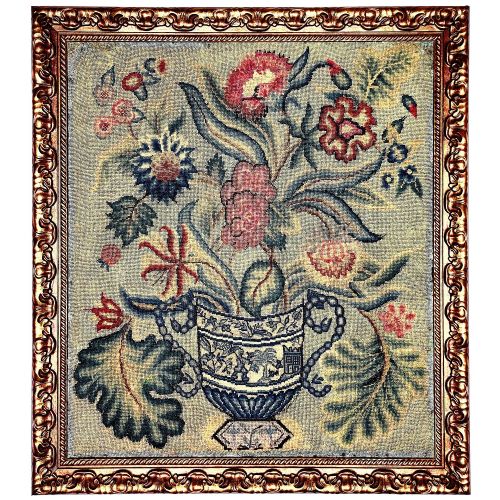
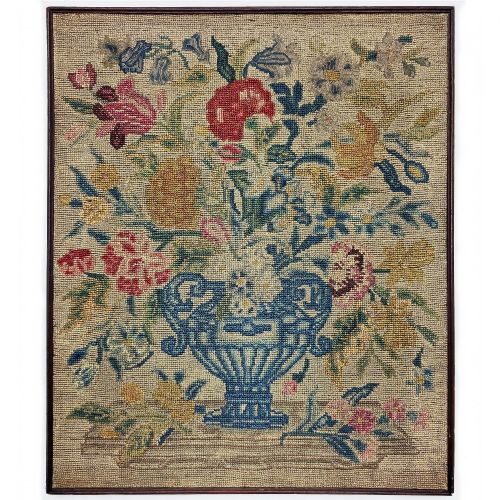
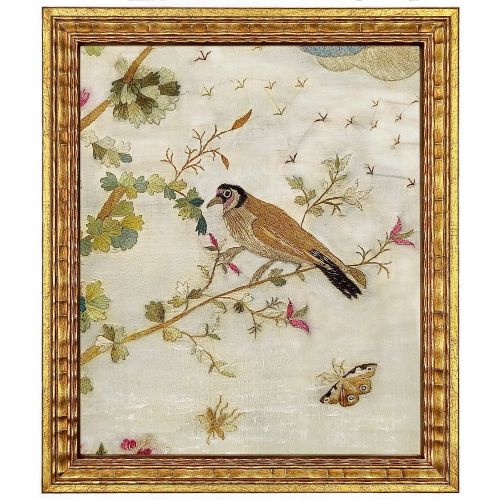
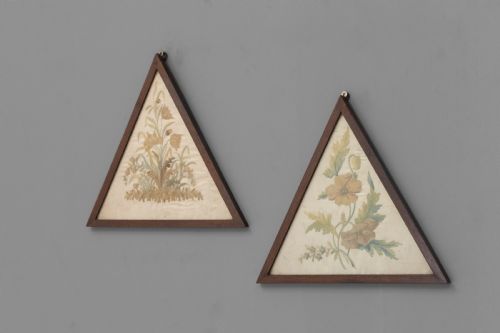
English needlework art encompasses framed textile wall pieces, samplers, and embroidered panels spanning the seventeenth century through the early twentieth century. These works capture domestic skill, historical narratives, and pictorial scenes created by makers using thread on fabric.
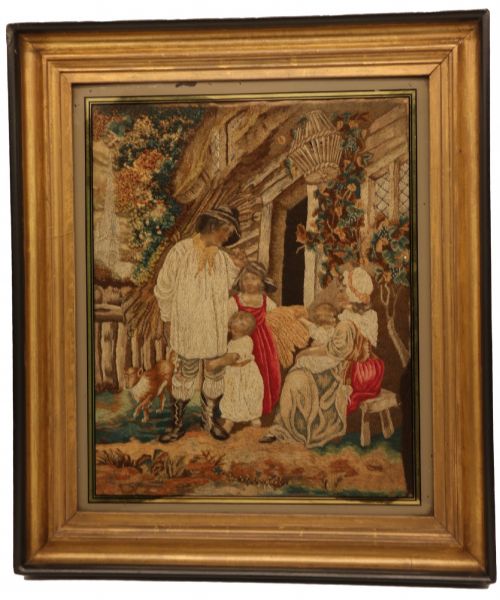
Buyers encountering this selection will most frequently find Victorian and Georgian examples, alongside earlier Stuart period works. Common formats include framed wall art, detailed needlework pictures, and technique samplers preserved behind glass.
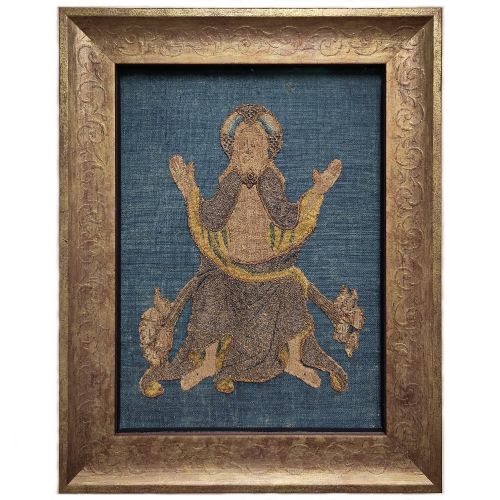
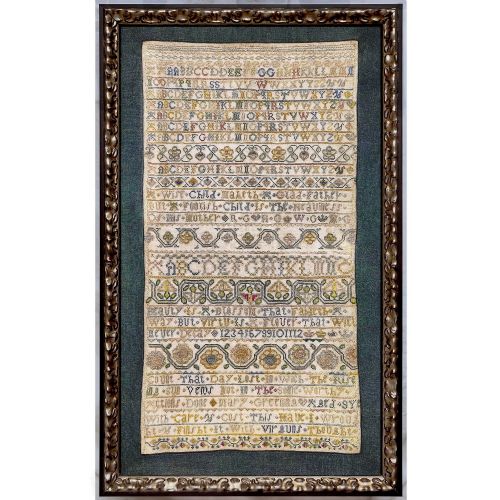
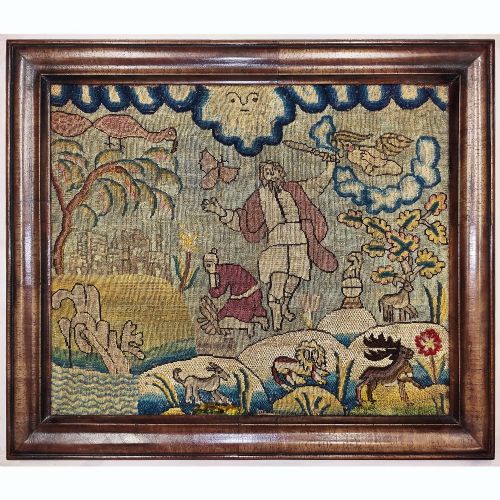
The subjects range from biblical tales and horse racing tracks to traditional alphabet samplers and embroidered panels in baroque taste. Each piece reflects the aesthetic priorities and textile techniques of its specific era.
Materials and Construction
These works rely on foundational textiles such as linen and wool, stitched with silk thread and wool yarn to build up pictorial surfaces and lettering. Many incorporate hand-painted elements on silk alongside the needlework.
Finished panels are typically housed in wooden frames, frequently enhanced with gold leaf and gilded wood to protect the delicate textiles within. The combination of textile art and framed presentation secures these pieces for display.
English Needlework Art Retail Price Guide 2026
Typical asking prices for english needlework art among the pieces listed under this phrase on Sellingantiques today, from the lower quarter to the upper quarter. They describe what is for sale here now, not the wider market.
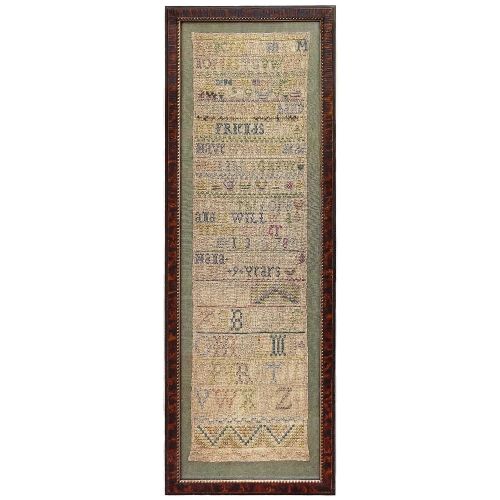
Mary Greening immortalised her stitchwork in the late 17th century, leaving a needle-drawn signature that outlasted kings and parliaments.
Assessing Quality and Execution
The distinction between standard works and exceptional examples lies in the complexity of the stitchwork and the preservation of the materials. Fine needlework pictures display intricate pictorial detail and careful tonal shading in the silk and wool threads.
The integration of supplementary media, such as hand-painted silk components, elevates the ambition of the piece. Additionally, the survival of early dates and identifiable makers, as seen in signed band samplers, adds historical weight to the execution.
The English Needlework Art Glossary
- Sampler
- A piece of embroidery produced as a demonstration or test of skill in various stitches and patterns. These often feature alphabets, numerals, and decorative motifs.
- Needlework Picture
- A framed textile work designed purely for visual display rather than practical use. They frequently depict landscapes, figures, or narrative scenes.
- Silkwork
- Embroidery executed primarily using silk threads, known for its smooth sheen and fine detail work. This material allows for subtle gradation in pictorial scenes.
- Baroque Taste
- An ornate stylistic influence characterised by dramatic movement and rich detail. In these textiles, it manifests through elaborate borders and dynamic compositional framing.
English Needlework Art: Frequently Asked Questions
How should I hang needlework art?
Keep framed textiles away from direct sunlight to prevent the silk and wool threads from fading over time. Stable indoor humidity protects the underlying linen and wood frames.
Ensure the wall fixings are secure, as older frames with glass can carry significant weight. Professional framing maintains the seal against dust and environmental wear.
How do I identify a Victorian needlework piece?
Victorian examples often embrace rich visual styles, including baroque revival motifs and elaborate floral or pictorial compositions. The framing materials and colour palettes reflect nineteenth-century interior tastes.
Compare the stitching style and subject matter against documented pieces from the same era to confirm the period.
Are these pieces handmade?
Every listed item in this category is a handmade textile work created prior to mass production. Makers used needle and thread to form each stitch individually.
This manual execution accounts for the slight variations and unique character found across samplers and embroidered panels.