




English Lowboy Desk
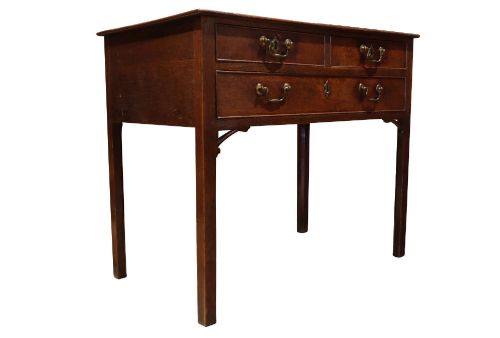
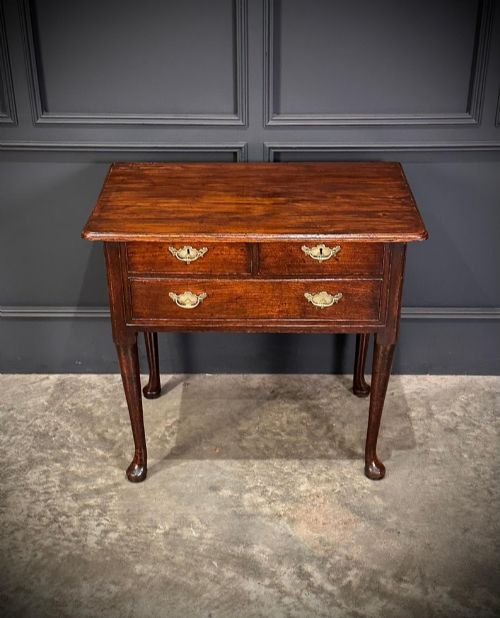
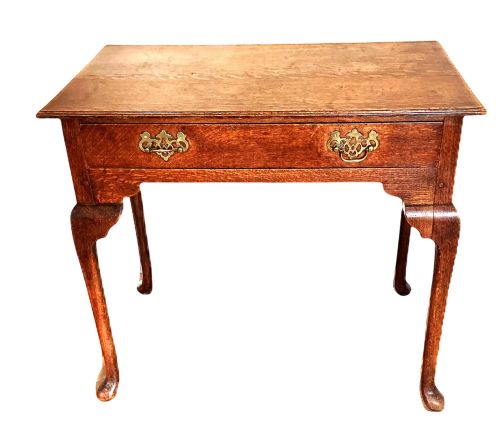
An english lowboy desk is a compact table designed for writing or dressing, valued for its fine proportions and drawers.
English Lowboy Desk
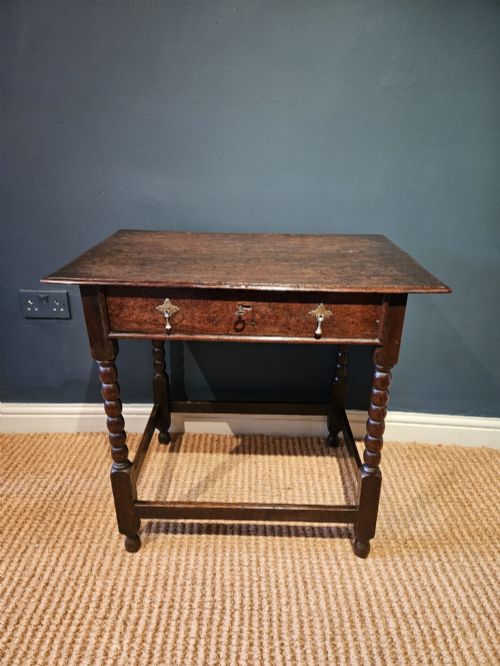
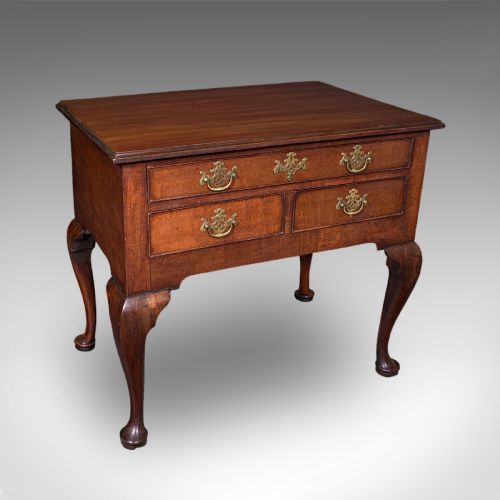
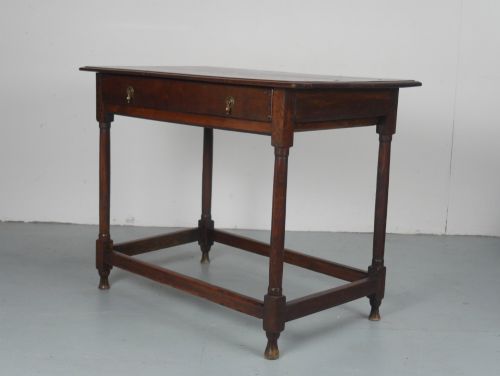
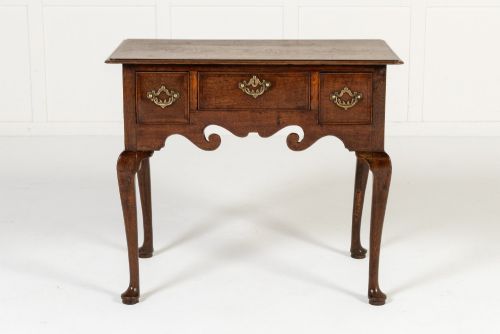
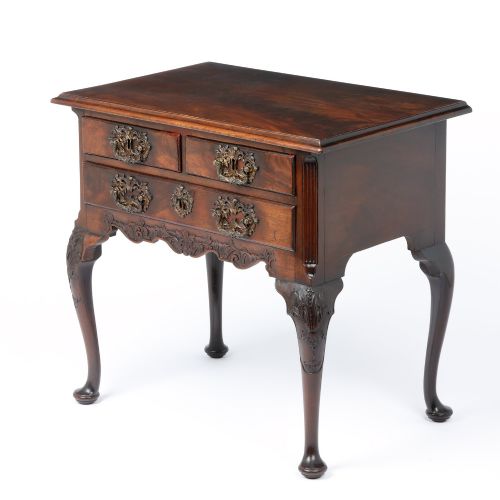
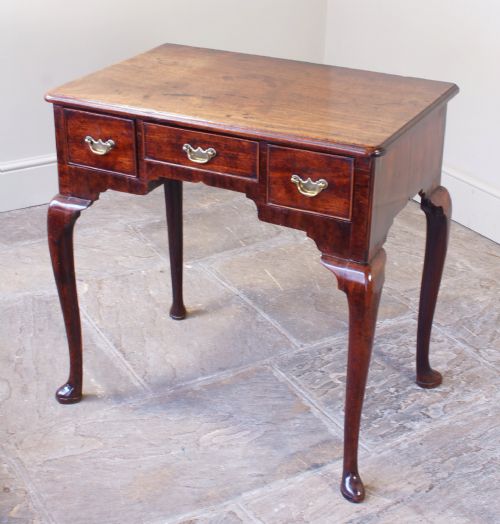
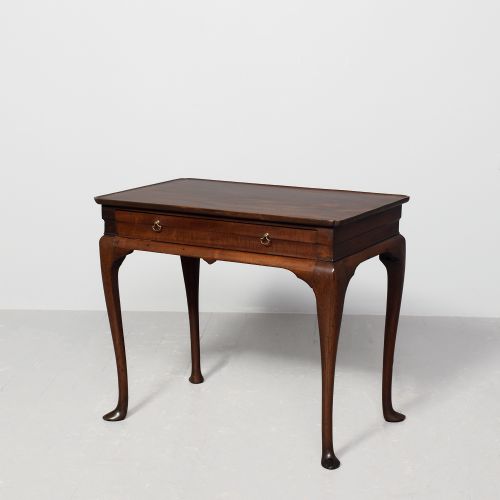
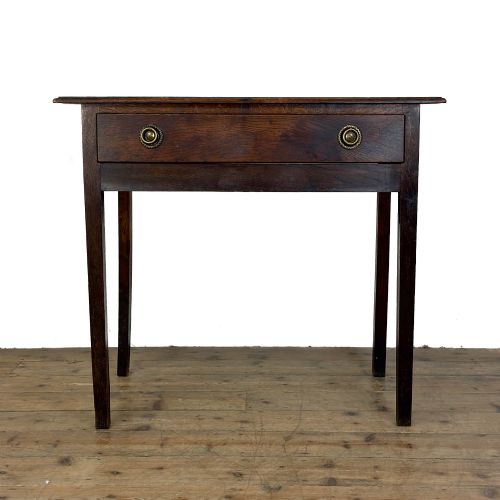
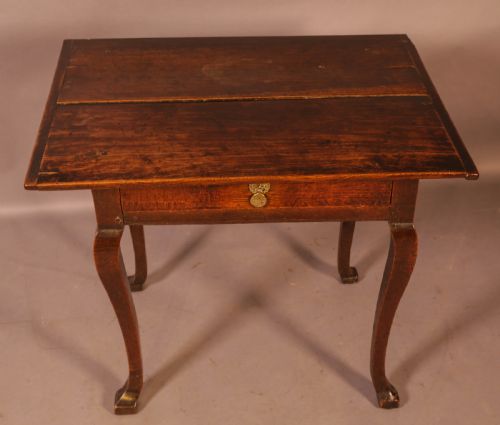
An english lowboy desk combines the surface of a small side table with one or more drawers beneath, often standing on slender legs. These versatile pieces serve variously as dressing tables, writing desks, and lamp tables across multiple rooms.
The pieces appearing on this page span the seventeenth, eighteenth, and nineteenth centuries, alongside later twentieth-century interpretations in the Queen Anne style. Oak and walnut examples predominate, frequently accompanied by mahogany and cherrywood.
Buyers encounter forms categorised variously as side tables, console tables, and correspondence tables. Many originate from the Georgian period, displaying the characteristic restraint and utility of domestic furniture from that era.
Materials and construction
Cabinetmakers constructed these pieces primarily using native timbers such as oak, walnut, and cherrywood, alongside imported mahogany. Burr walnut veneer also appears on select surfaces, providing distinctive grain patterns.
Brass hardware, including drawer handles and escutcheons, complements the timber construction. Pine appears frequently in secondary framing components and drawer linings.
English Lowboy Desk Retail Price Guide 2026
Typical asking prices for english lowboy desk among the pieces listed under this phrase on Sellingantiques today, from the lower quarter to the upper quarter. They describe what is for sale here now, not the wider market.
Materials recorded across the inventory include oak, mahogany, walnut, burr walnut, cherrywood, pine, and brass.
Distinctions in quality
Quality rests in the selection of timbers and the handling of grain, particularly where burr walnut veneer or finely figured mahogany is employed. The crispness of carved details on cabriole legs or the restraint of plain mouldings distinguishes higher examples.
Proportion and structural integrity define the standing of a piece. Finer items retain their original brass hardware, timber patination, and uncompromised drawer construction.
The English Lowboy Desk Glossary
- Lowboy
- A small table with drawers, typically waist-height, used historically for writing or dressing. These pieces often feature a shaped apron beneath the drawers.
- Correspondence table
- A specialised desk intended for letter writing and the storage of writing materials. Such tables frequently incorporate multiple small drawers.
- Cabriole leg
- A furniture leg that curves outward and then tapers inward, finishing in a pad or foot. This form is common on pieces from the Queen Anne and George II periods.
- Escutcheon
- A protective plate surrounding a keyhole. These elements are frequently cast in brass on period furniture.
- Serpentine top
- A table top with a distinctive undulating edge curving outward in the centre and inward at the sides. This contour appears on select Georgian examples.
English Lowboy Desk: Frequently Asked Questions
What is an english lowboy desk used for?
These versatile tables function as compact writing desks, dressing tables, or hall surfaces for correspondence and lamps.
Their modest footprint allows them to fit easily into reception rooms, bedrooms, and studies.
How do I identify a Georgian lowboy?
Georgian pieces often display mahogany or oak construction, clean lines, and fitted drawer arrangements.
They date from the eighteenth century and frequently exhibit classic proportions associated with the reigns of George II and George III.
Are walnut and oak common?
Oak appears widely across seventeenth and eighteenth-century examples, offering robust durability and visible grain.
Walnut and burr walnut veneer become prominent in pieces from the Queen Anne and early Georgian eras.
How do I style a lowboy at home?
Place the table against a hallway or bedroom wall, paired with a simple mirror or table lamp.
The surface provides a convenient landing spot for daily essentials while the drawers keep smaller items contained.