





English Leather Club Chairs
English leather club chairs bring deep comfort and substance to a room, built to last generations.
English Leather Club Chairs
English leather club chairs are robust armchairs designed for deep seating, appearing across periods from the nineteenth century into the twentieth century. These pieces encompass library chairs, Chesterfield armchairs, and tub armchairs suited for studies and living spaces.
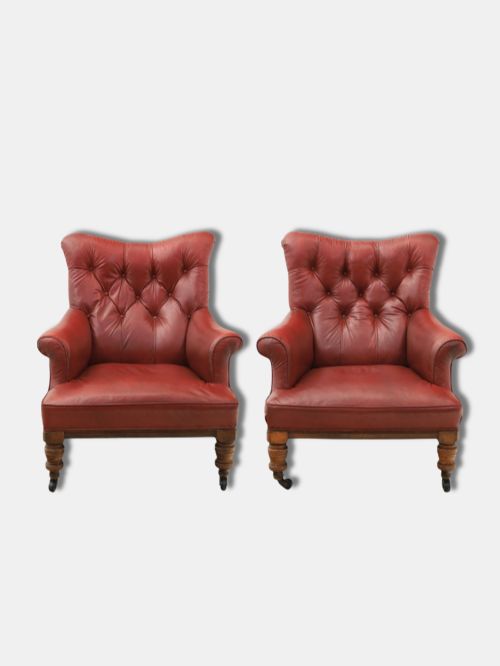
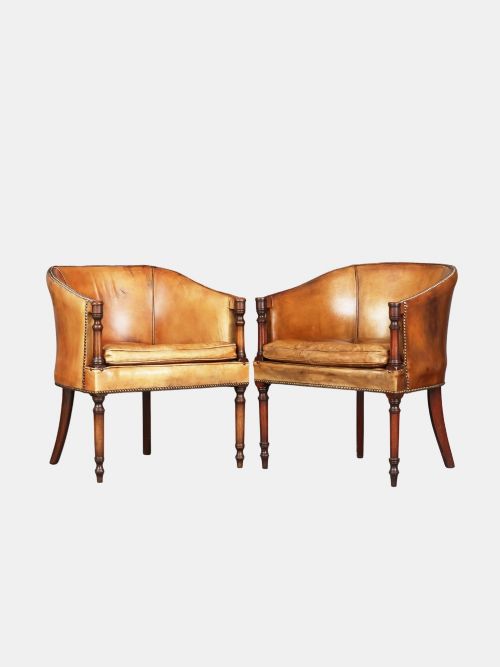
The versions met most frequently on this page span the Victorian era, the Edwardian period, and the nineteen-twenties, often offered as pairs. Makers and workshops constructed them using timber frames upholstered in leather or rexine.
Materials and Construction
Workshops built these armchairs using sturdy woods such as mahogany, walnut, oak, and rosewood for the internal frames and visible legs. Brass hardware frequently appears on the frames and castors.
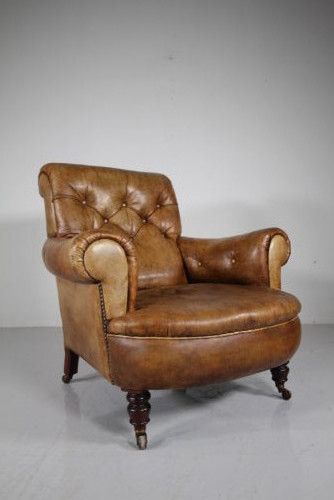
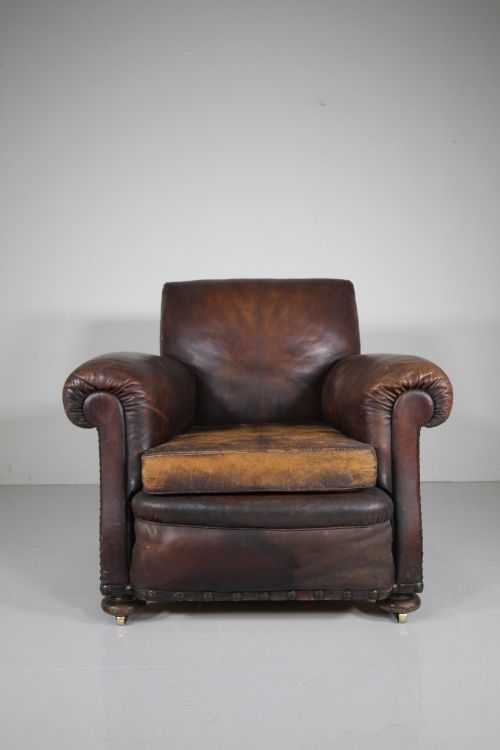
Upholstery relies primarily on leather, hand-dyed in shades of brown, tan, red oxblood, or caramel, alongside alternative materials like rexine. Frames often incorporate traditional sprung seating and deep padding for structural support.
English Leather Club Chairs Retail Price Guide 2026
Typical asking prices for english leather club chairs among the pieces listed under this phrase on Sellingantiques today, from the lower quarter to the upper quarter. They describe what is for sale here now, not the wider market.
Materials recorded on this page include traditional hardwoods like mahogany, walnut, oak, and rosewood, paired with brass fittings and leather or rexine upholstery.
Distinctions in Quality
Quality rests in the integrity of the timber frame and the depth of the woodwork, from plain mahogany to carved rosewood or walnut. The execution of legs, such as claw and ball designs, marks the distinction between standard and important pieces.
The character of the leather covering determines visual appeal, with hand-dyed finishes and rich patinas separating simpler examples from fully restored or signed workshop pieces.
Howard & Son's·Cowleys
The English Leather Club Chairs Glossary
- Chesterfield armchair
- A deep-seated upholstered armchair characterised by rolled arms and a tufted back. This form provides substantial seating comfort.
- Rexine
- A brand of leathercloth fabric utilised as an upholstery alternative on mid-period chairs. It mimics the appearance and texture of genuine leather.
- Library chair
- A heavy armchair designed for prolonged reading and study use. These often feature robust timber frames in mahogany, oak, or walnut.
- Tub armchair
- An upholstered seat with a rounded back enclosing the sides in a continuous curve. This shape offers a compact profile compared to wide library chairs.
- Claw and ball
- A furniture foot carved to resemble a bird's talon clutching a spherical ball. This detail typically terminates the legs of Victorian seating.
English Leather Club Chairs: Frequently Asked Questions
How do I identify a Victorian club chair?
Victorian examples generally feature dense timber frames made from mahogany, walnut, or oak, often paired with buttoned leather upholstery. Look for traditional details such as turned wooden legs or brass castors.
Heavier proportions and darker wood tones further distinguish nineteenth-century pieces from later Edwardian or Art Deco iterations.
Are these chairs suitable for daily use?
These armchairs were engineered for durability, using sturdy timber frameworks and resilient leather or rexine coverings. Their deep padding supports long periods of sitting.
Routine conditioning keeps the leather supple, ensuring the chairs withstand regular domestic use.
What is the difference between club chairs and library chairs?
Club chairs typically emphasise deep, low-slung seating designed for relaxation, often featuring generous padded arms. Library chairs lean towards upright support for reading at a desk or table.
Both types share robust wooden construction and leather upholstery across the available periods.
How can I tell if the leather is original?
Original leather shows natural creasing, tonal variation from hand-dyeing, and a soft patina accumulated over decades of use. Replacements often display uniform colour and a lack of authentic surface wear.
Examining the tack work and underside webbing helps confirm the age of the upholstery.
Do these chairs come in pairs?
Many listings feature matching pairs of armchairs, particularly from the Victorian and nineteen-twenties periods. Single library chairs also appear alongside pairs.
Matching sets of six occasionally emerge for larger spaces.