




English Impressionist Oil Artwork
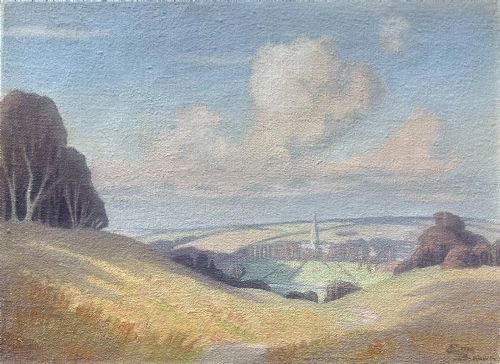
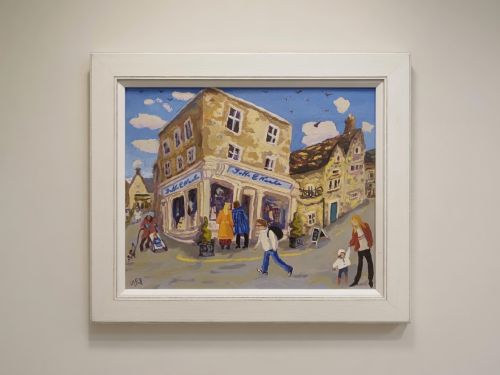
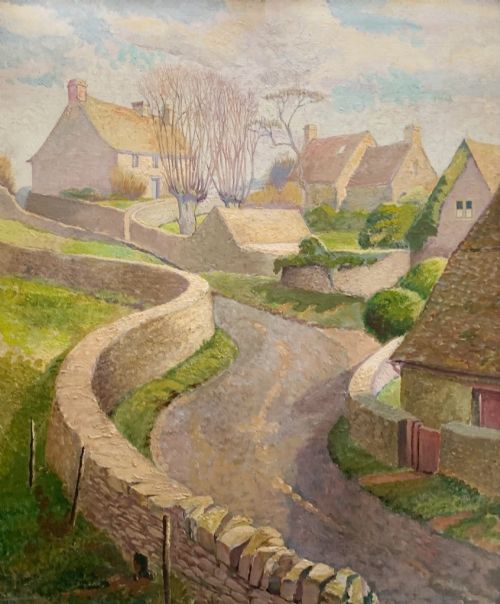
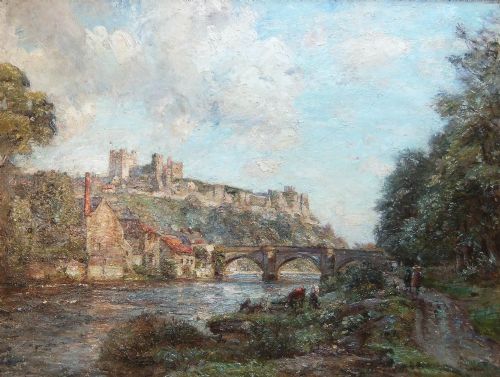
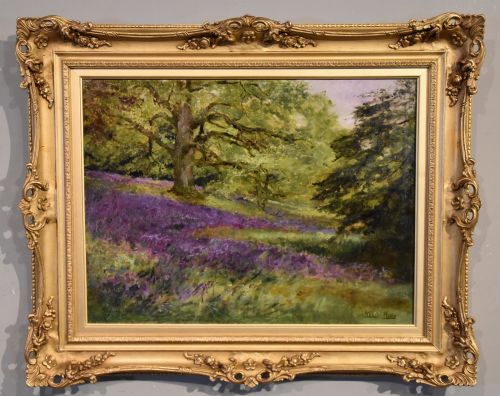
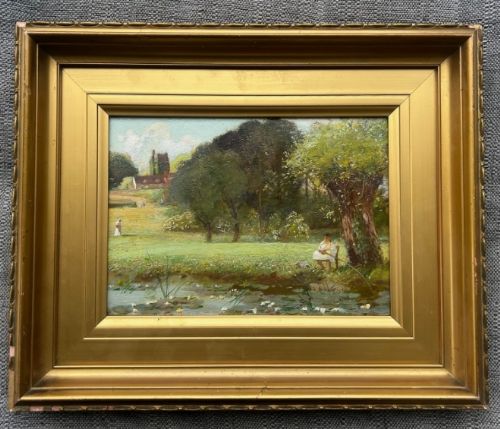
When you search for english impressionist oil artwork, you are looking at canvases and panels that capture landscapes and rural scenes through loose brushwork and a distinct attention to natural light.
English Impressionist Oil Artwork
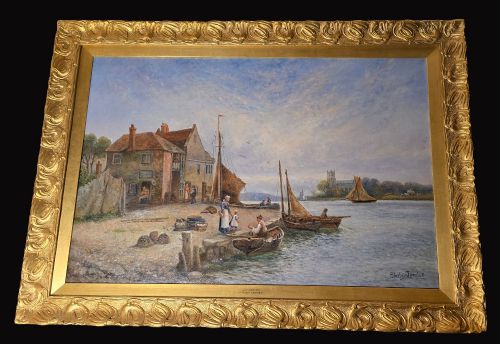
An english impressionist oil artwork typically depicts rural scenes, country landscapes, rivers, farmsteads, and coastal views from the Victorian period through the mid-twentieth century. These paintings reflect a period of artistic shift toward capturing fleeting atmospheric conditions and the changing qualities of daylight across the British countryside.
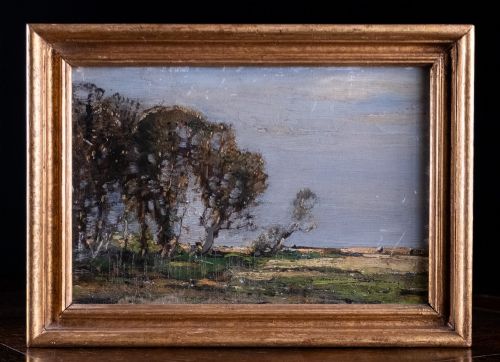
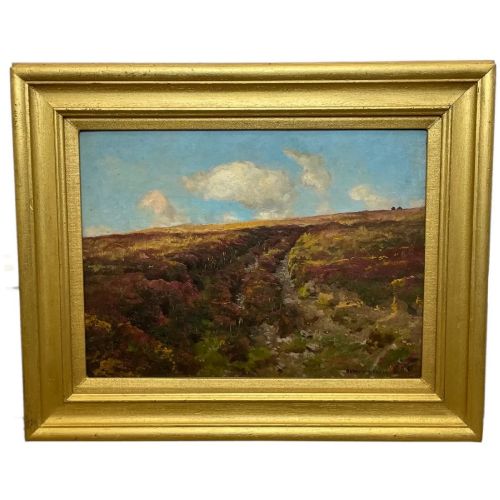
The versions most commonly met on this page date from the Edwardian era into the 1930s and 1940s, often produced by regional artists working in Yorkshire, the West Country, and other distinct locales. They range from intimate panel sketches completed outdoors to large canvases finished in the studio.
Materials and Techniques
Artists painted primarily with oil paint applied to stretched canvas, wooden panels, or prepared boards, each surface imparting a different texture to the finished work. Wood panels and rigid boards provided a firm support for plein air painting, while canvas allowed for larger scale compositions with varied brush textures.
Techniques relied on broken brushstrokes and impasto applications to build surface depth and luminosity, capturing light and shadow without relying on rigid academic precision.
English Impressionist Oil Artwork Retail Price Guide 2026
Typical asking prices for english impressionist oil artwork among the pieces listed under this phrase on Sellingantiques today, from the lower quarter to the upper quarter. They describe what is for sale here now, not the wider market.
Several canvases capture the stubborn charm of West Country ponies standing quietly in Devon lanes.
Factors of Quality
Quality rests in the confidence of the brushwork and the artist's ability to translate light and atmosphere onto the surface rather than in mere scale or subject matter. The strongest pieces demonstrate a sure command of tonal values and a personal response to the landscape.
Compositional strength and the preservation of the original pigment layer distinguish exceptional works from standard regional student pieces, while provenance and exhibition history provide further markers of distinction.
Stanley Leader·Arthur Wardle·Kershaw Schofield·Herbert Royle·Lucy Pratt·Eric Brown·Henry Yeen King·Florence Adelina Hess·John Horace Hooper·Hubert Wellington·Joseph Edward Hennah·Charles Walter Simpson·Harry Freckleton·Sir David Murray·William JB Jenkins·Ernest Higgins Rigg·Reginald Grange Brundrit·William Greaves·Frederick W Jackson·Lorenzo Headley·Fred Stead·Owen Bowen·Harry Pennell
The English Impressionist Oil Artwork Glossary
- Plein air
- Painting outdoors directly from nature to capture immediate light and weather effects. This approach defined much of the spontaneous work produced by early twentieth century painters.
- Impasto
- Paint applied thickly to a canvas or panel, standing out in relief from the surface. It adds tactile weight and catches the light directly.
- Board
- A rigid wooden or fibrous support used as an alternative to stretched canvas. It provided a stable and portable surface for outdoor sketching.
- Panel
- A thin flat piece of wood used as a painting support. Panels were favoured for their durability and compact size.
- Provenance
- The documented history of ownership of a painting. It helps confirm authenticity and traces the path of the work from the artist's studio.
English Impressionist Oil Artwork: Frequently Asked Questions
What subjects do these paintings show?
These works predominantly depict English country landscapes, rural farmsteads, river valleys, and coastal scenes. Artists focused on local topography, capturing specific views in Yorkshire, the West Country, and southern counties.
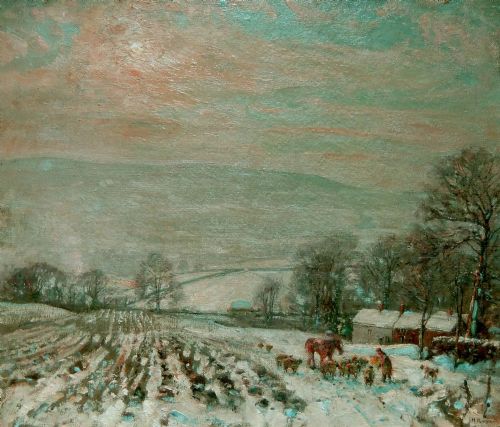
Subjects also include agricultural scenes such as haymaking, livestock grazing, and seasonal changes in weather and light across familiar rural vistas.
How should I frame and display an oil painting?
Traditional wood frames suit these period works best, often complementing the palette and era of the canvas. Mouldings with subtle gilt or toned finishes enhance the depth of the composition without overpowering the brushwork.
Display the artwork away from direct sunlight and excessive humidity to protect the oil paint and the underlying wooden support or canvas from environmental stress.
How can I tell the period of a painting?
Dating relies on stylistic markers, artist signatures, framing methods, and materials such as the type of board or canvas backing. Costume, architecture, and agricultural methods depicted in the scene can also narrow down the active years of the artist.
Examine the reverse of the panel or stretcher bars for old inscriptions, gallery labels, or artist stamps that provide direct clues to the date of creation.
What is British Impressionism?
British Impressionism refers to the adaptation of continental impressionist techniques by British artists working from the late nineteenth through the mid twentieth century. Practitioners focused on natural light, outdoor subjects, and looser brushwork while maintaining a distinctly local character.
Unlike their French contemporaries, British painters often retained a stronger attachment to narrative realism and the specific moods of the British climate.