



English Hunting Scene
An English hunting scene captures the traditional sport through oil paintings, watercolours, ceramics and metalwork spanning multiple centuries.
English Hunting Scene
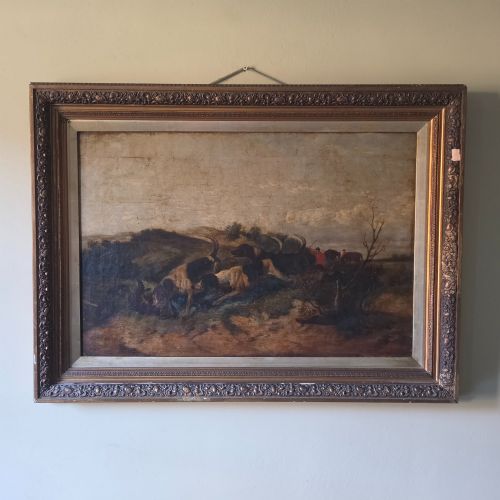
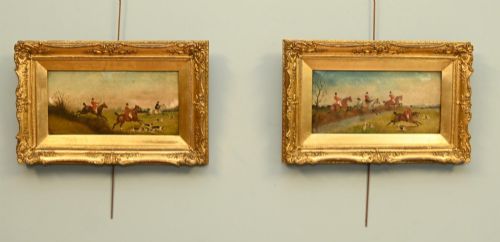
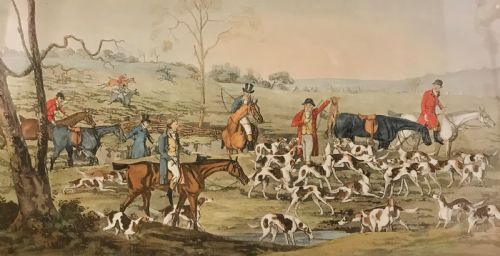
When searching for an english hunting scene, buyers encounter an array of objects ranging from framed oil paintings on canvas to transfer-printed earthenware pottery, watercolours, and detailed engravings. These works typically depict the meet, the chase in moorland landscapes, and the kill, reflecting rural pursuits across Victorian and Georgian periods.
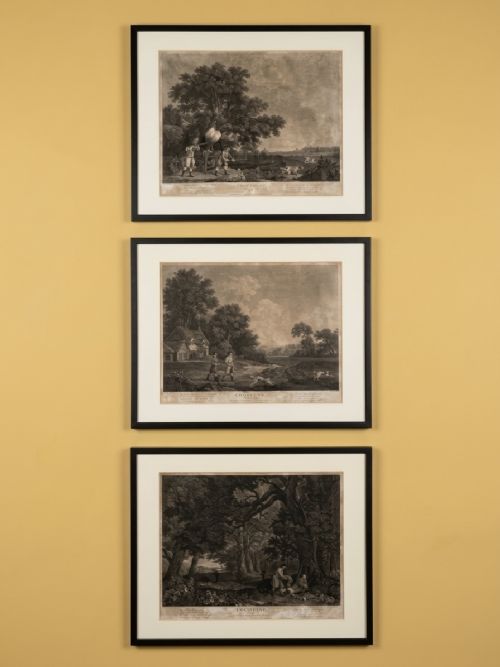
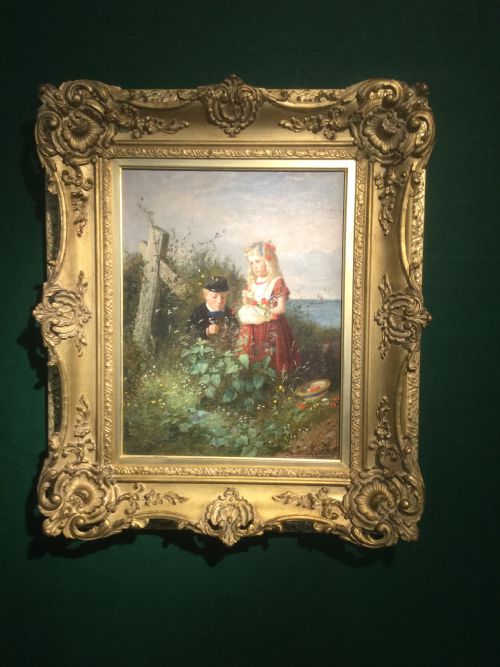
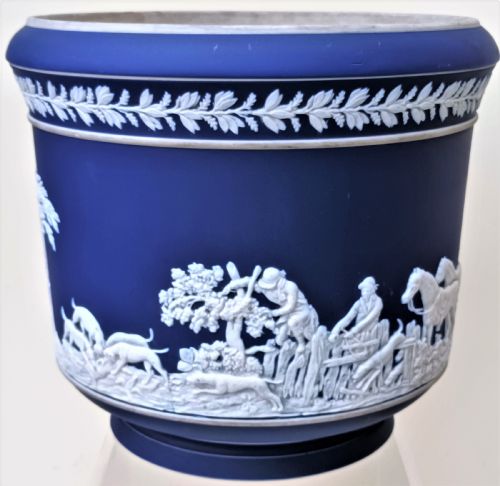
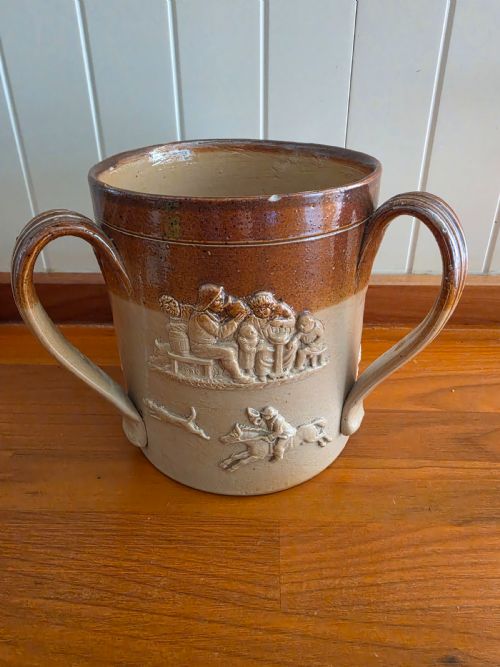
The most common representations on this page include nineteenth-century oil paintings on canvas by noted sporting artists, alongside ceramic vessels such as stoneware jugs, transfer-printed loving mugs, and blue jasperware jardinieres. Paper works including lithographs and hand-coloured engravings also frequently appear alongside decorative metal objects.
Originating largely from British workshops and studios, these pieces record the social history of country sports through depictions of hounds, horses, huntsmen, and rural terrain. Collectors find works spanning from the seventeenth century through to the Edwardian era, each medium offering a distinct perspective on traditional pastoral life.
How They Were Made
Painters utilised oil paint on canvas or board to build detailed equestrian and hound compositions, applying fine brushwork to capture the texture of coats and landscape lighting. Watercolourists worked on paper to create monochrome or tinted depictions of hunts, relying on delicate washes for atmospheric countryside backgrounds.
Potters shaped stoneware, porcelain, and earthenware on wheels or in moulds, frequently decorating jugs and mugs with transfer-printed motifs, relief mouldings, or blue jasperware applications. Engravers and lithographers pressed inked metal plates or stones onto paper to produce multiples of popular sporting scenes after artists like Aiken and Turner.
Several ceramic loving mugs conceal small ceramic frogs inside, designed to surprise drinkers as the ale emptied during hunt suppers.
What Varies in Quality
The sophistication of anatomical rendering in horses, hounds, and figures separates accomplished works from simpler popular prints and utility wares. Hand-painted oil works by recorded artists demonstrate superior brush control and depth compared to standard transfer-printed ceramic vessels or mass-produced lithographs.
The preservation of the primary medium dictates the desirability of an object, whether observing the crispness of transfer-printing on a stoneware jug, the clarity of an engraving on paper, or the surface stability of an oil painting on canvas. Finer ceramic pieces exhibit sharp relief moulding and unblemished glazes, while top-tier paintings retain their original framing and undisturbed canvas surfaces.
William Adams And Sons·Jennens And Bettridge·A Barrett Piccadilly London
The English Hunting Scene Glossary
- Jasperware
- A type of fine stoneware developed by Josiah Wedgwood featuring a contrasting white relief decoration against a coloured clay background, often seen in blue on decorative jardinieres.
- Tyg
- A large drinking vessel featuring three or more handles, traditionally used for passing around a table during gatherings and frequently rendered in early stoneware.
- Lithograph
- A print produced by drawing an image on limestone or a metal plate with a greasy medium, allowing ink to adhere only to the drawn areas during the printing process.
- Transfer-printed
- A decoration technique where an engraved metal plate transfers a design onto paper, which is then pressed onto pottery before glazing and firing.
- Giltwood
- Timber carved and surfaced with a thin layer of gold leaf, commonly used for the decorative frames surrounding nineteenth-century oil paintings.
English Hunting Scene: Frequently Asked Questions
What periods do these pieces date from?
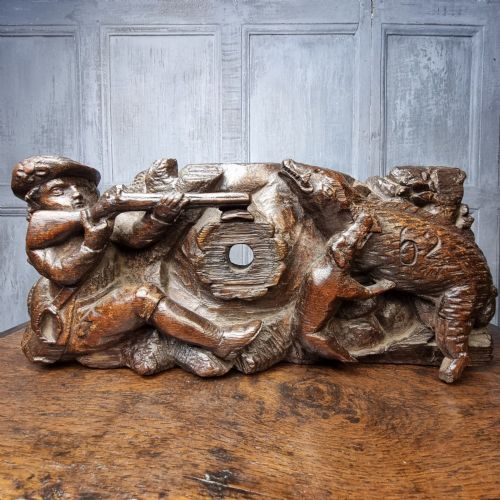
The items range from seventeenth-century oak carvings and eighteenth-century sporting canvases through to nineteenth-century Victorian oils, watercolours, and Edwardian works. Many pieces concentrate in the Georgian and Victorian eras when sporting art reached peak popularity.
Makers and artists working across these centuries recorded the changing fashions of the hunt, utilising mediums that evolved from early pottery vessels to refined canvas paintings and detailed engravings.
How were ceramic hunting jugs used?
Stoneware and earthenware jugs, tygs, and loving mugs served practical functions at hunt suppers and rural gatherings for pouring ale and other beverages. Their decorated surfaces frequently incorporated hunting scenes, hounds, and occasionally hidden frogs inside the vessel.
These ceramic pieces combined utility with decorative storytelling, allowing participants in country sports to display their interests through everyday tableware and drinking vessels.
How do I identify a painting's subject?
Paintings often depict specific phases of the hunt, titled as the meet, full cry, or the kill, sometimes naming particular packs like the Berkeley Hunt or specific hunt stables. Signatures, inscriptions, and artist attributions on canvases or watercolours help identify the creator and the region depicted.
Background landscapes and the clothing of figures in top hats or riding dress provide further context for dating the artwork within the nineteenth century.