
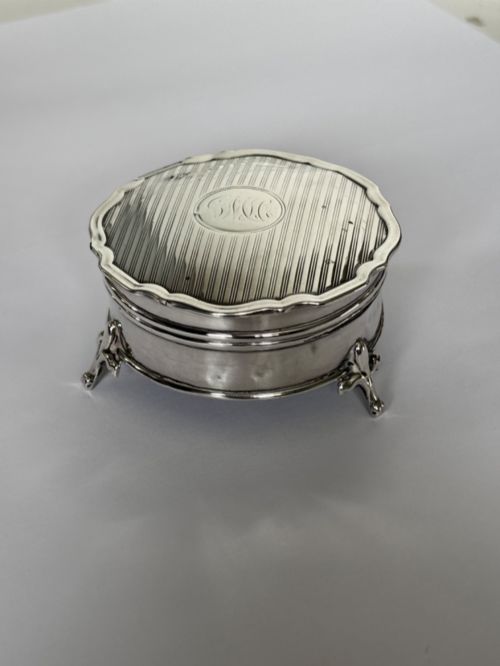


English Hallmarked Silver Box
An English hallmarked silver box brings centuries of assay office heritage to the desk or dressing table.
English Hallmarked Silver Box
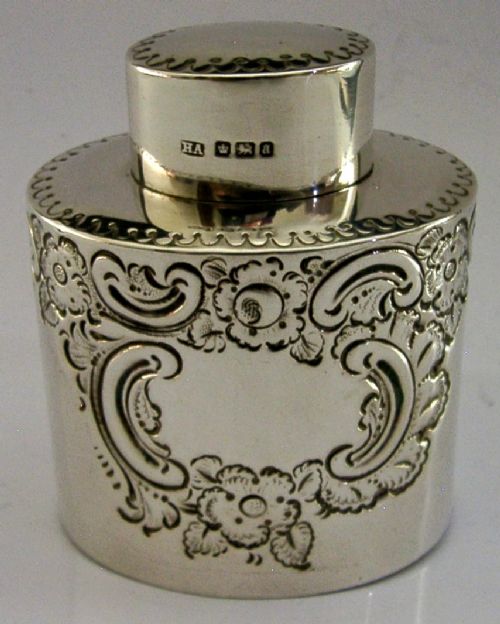
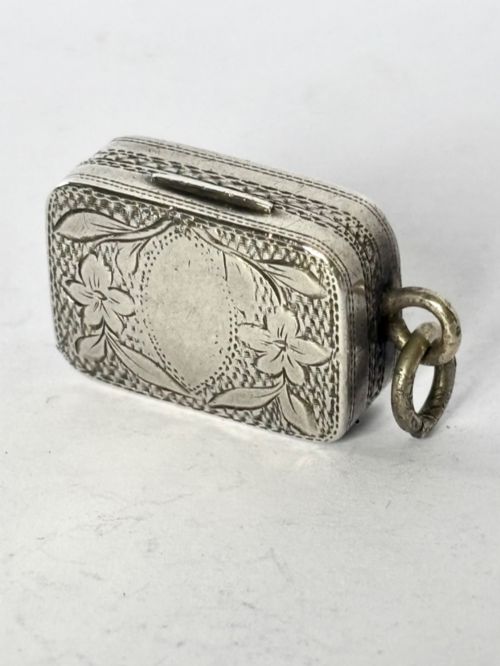
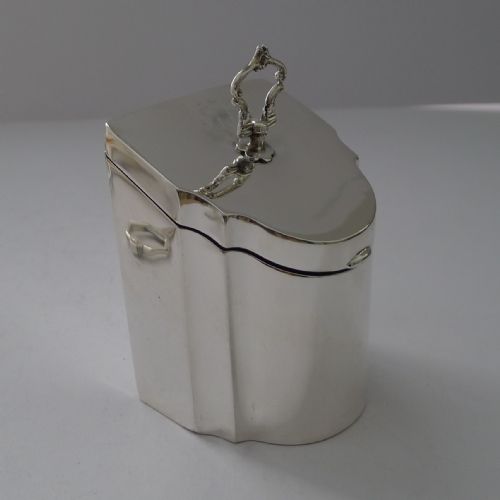
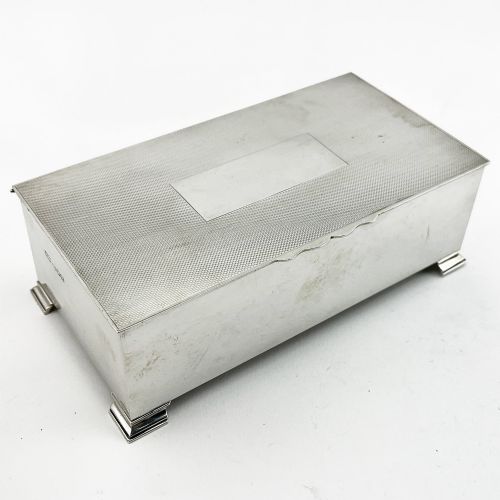
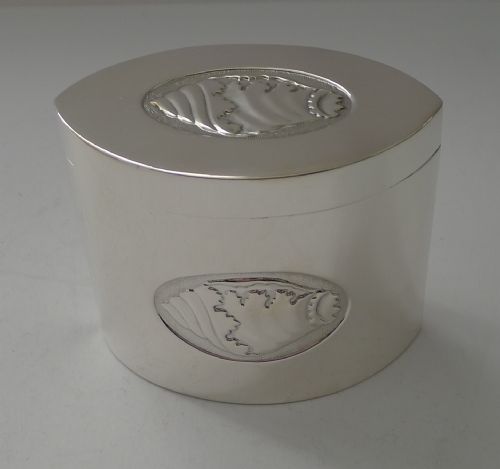
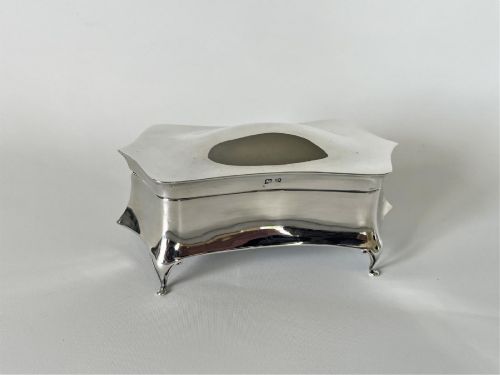
When you search for an English hallmarked silver box, you enter a category defined by British assay offices, precious metal standards and functional domestic forms. The pieces available span tea caddies, cigarette cases, dressing table trinket containers and fitted jewellery boxes produced across the Georgian, Victorian, Edwardian and twentieth-century periods.
The version most commonly met on this page is the sterling silver trinket or cigarette box dating from the Edwardian era through to the Art Deco period of the 1930s and 1940s. These domestic containers often feature hallmarks from Birmingham, Sheffield or London, frequently lined with velvet, fabric or wood to protect contents.
Materials and Techniques
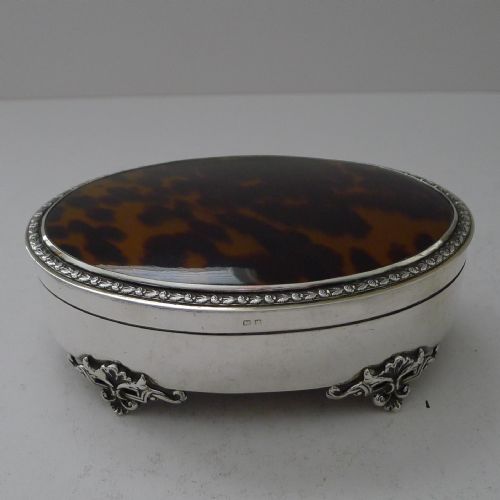
Makers formed these containers primarily from solid sterling silver, occasionally employing silver-gilt or gilding for interior brilliance. Many examples incorporate contrasting elements such as tortoiseshell panels, cut glass bodies or fitted velvet interiors.
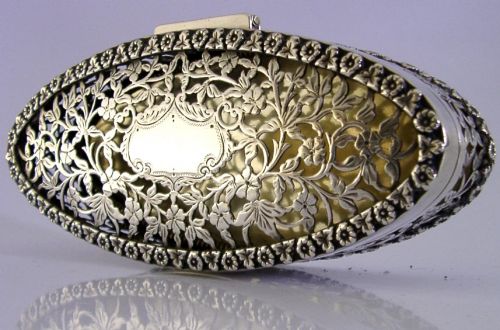
Techniques relied upon by silversmiths included piercing, embossing and precise hinge fitting, accompanied by the mandatory application of city assay marks, date letters and maker's initials to guarantee purity.
Listings include materials such as sterling silver, tortoiseshell, velvet, glass and leatherette.
Quality and Distinction
Superior quality in these containers rests upon the weight of the metal, the crispness of the chased or pierced decoration and the integrity of the structural joints. Heavy gauge silver resists denting and maintains the clean lines intended by the silversmith.
Interior fittings also determine standing, with original velvet lining, fitted tortoiseshell lids or substantial glass bodies elevating certain examples above standard utilitarian pieces.
SAMUEL PEMBERTON·Mappin & Webb·Ernest Druiff & Co·Wilmot Manufacturing Co·James Dixon and Sons
The English Hallmarked Silver Box Glossary
- Hallmark
- Official stamps applied by an assay office to guarantee the fineness of precious metal. These marks typically include the maker's mark, standard mark, town mark and date letter.
- Sterling silver
- An alloy of silver containing 92.5 percent pure silver and 7.5 percent other metals, usually copper, ensuring durability for domestic objects.
- Vinaigrette
- A small ornamental box containing a sponge soaked in aromatic vinegar, popular during the Georgian period for reviving the wearer.
- Tea caddy
- A container designed to store tea leaves safely away from light and air, often featuring a lock and key in period examples.
- Pierced work
- A decorative technique where metal is cut through to create openwork patterns, seen frequently on baskets and box lids.
English Hallmarked Silver Box: Frequently Asked Questions
How do I read silver hallmarks?
Hallmarks consist of a series of tiny stamped symbols that reveal the maker, the assay office city, the purity standard and the specific year of testing.
By consulting standard reference tables, you match the date letter and assay mark to trace the exact origin of the piece.
Were these boxes used for tobacco?
Many surviving examples from the Edwardian and Art Deco periods were specifically manufactured as cigarette or cigar dispensers.
Inside, you often find cedar linings or division bars designed to keep dry tobacco products organised.
How should I clean silver boxes?
Use a soft microfiber cloth and a mild, reputable silver polish, avoiding excessive rubbing on stamped hallmarks or delicate hinges.
Take care to keep moisture and cleaning agents away from velvet, glass or tortoiseshell inserts.
What is silver-gilt?
Silver-gilt refers to sterling silver that has been coated with a thin layer of gold on the surface, giving a rich yellow appearance.
This technique was frequently applied to the interiors of vinaigrettes and caddies to prevent the corrosive action of acidic contents.