




English Georgian Writing Cabinet
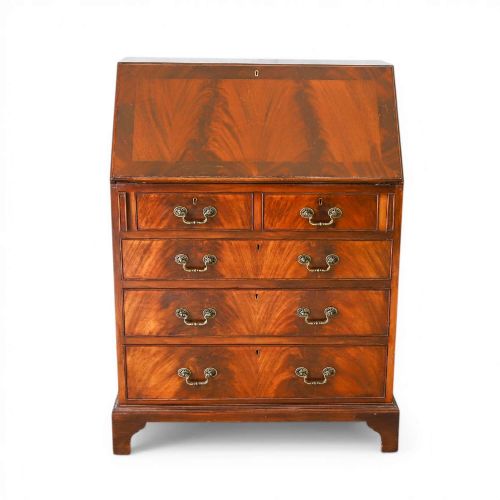
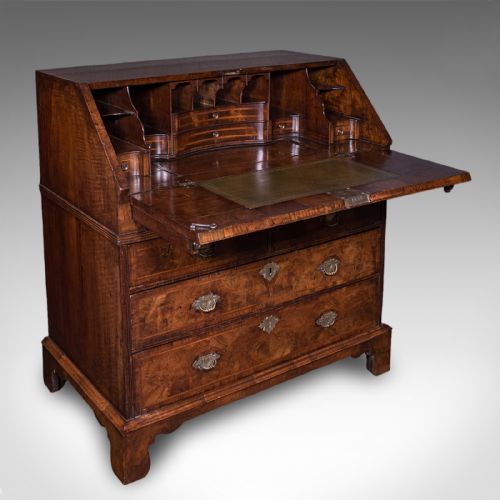
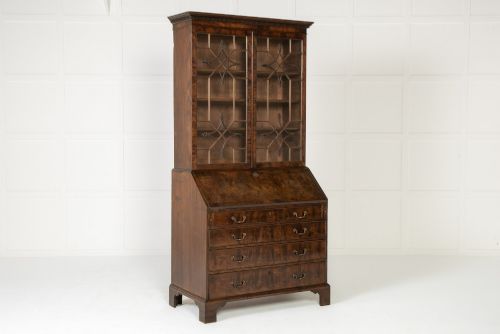
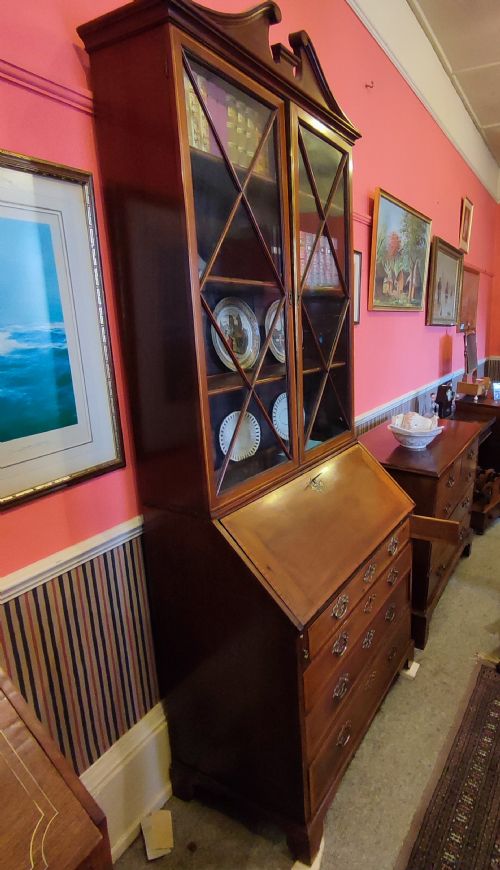
An English Georgian writing cabinet gathers drop-front desks and tall bookcase combinations built to organise letters and conceal private papers behind fitted pigeonholes.
English Georgian Writing Cabinet
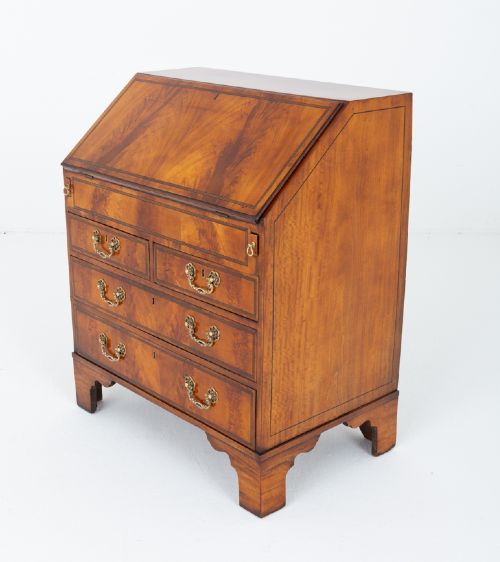
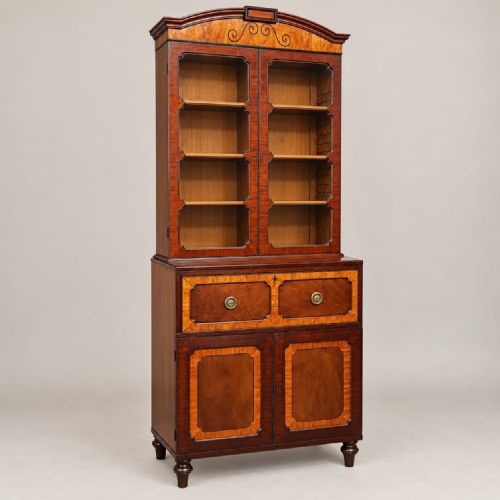
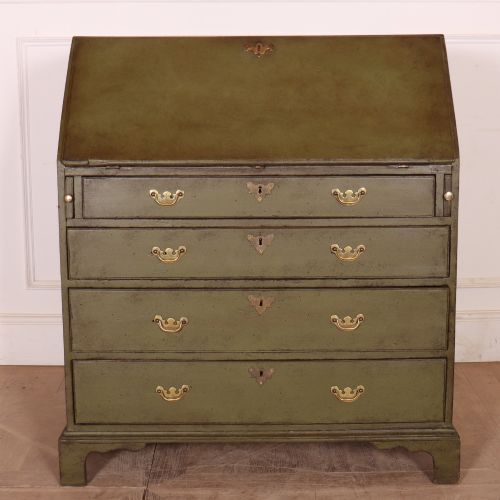
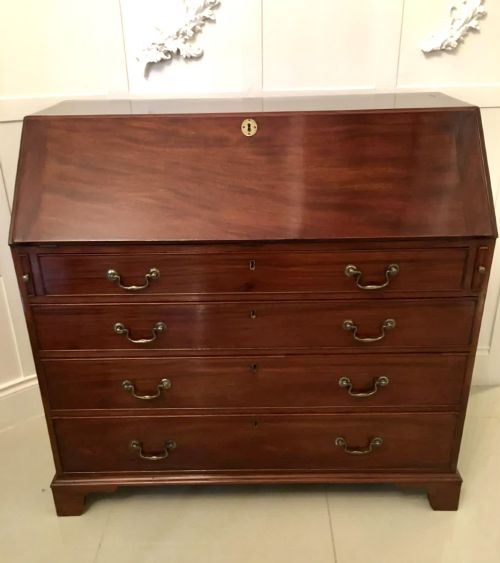
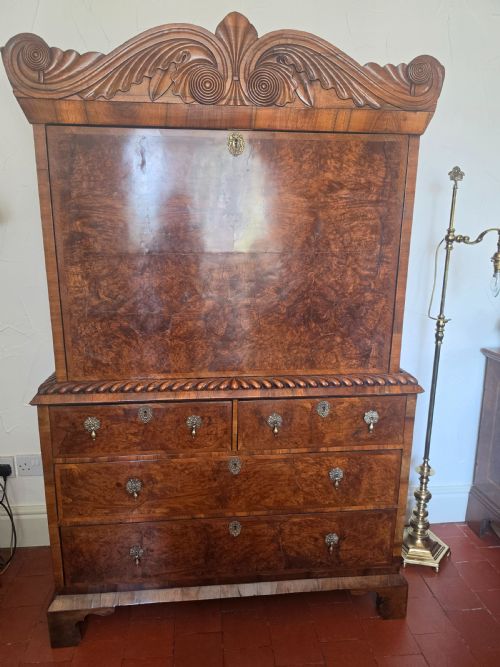
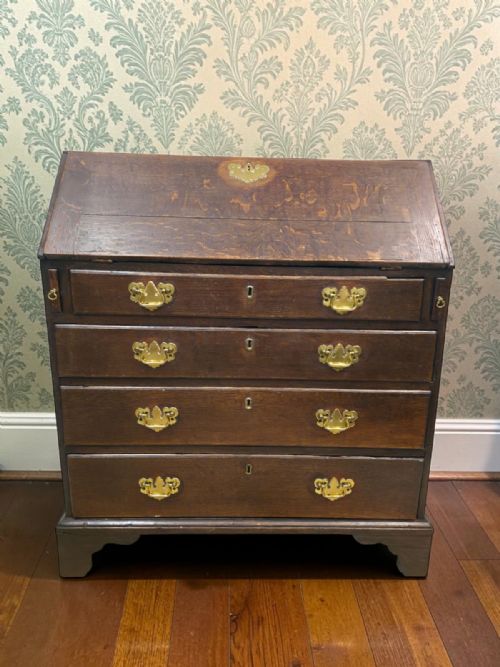
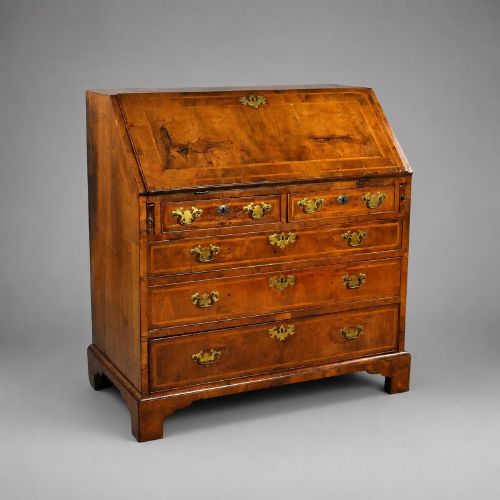
An English Georgian writing cabinet encompasses fall-front bureaux, tall bureau bookcases, and secretaire cabinets originating mainly from the eighteenth century alongside related examples from the nineteenth century. These items combine a practical workspace with enclosed storage compartments, often standing on bracket feet or drawer bases.
The selections on this page span styles from Queen Anne and George I through to George III and Regency periods. Cabinet makers utilised native and imported timbers to construct items ranging from compact oak writing boxes to grand scale mahogany secretaire bookcases.
Materials and construction
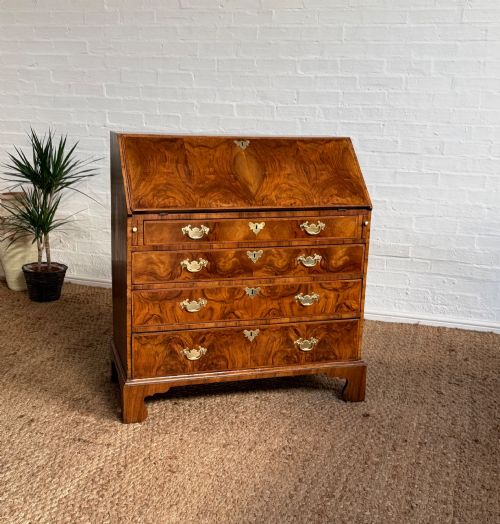
Cabinet makers built these pieces using solid and veneered hardwoods including mahogany, walnut, burr walnut, and oak. Surfaces often display figured grain patterns matched across drawer fronts and fall flaps.
Internal components incorporate brass hardware for handles and escutcheons, alongside leather writing surfaces inserted into the sloping fall-fronts or pull-out drawers. Joinery methods relied on dovetailed drawer construction and framed panel doors to support heavy book collections.
English Georgian Writing Cabinet Retail Price Guide 2026
Typical asking prices for english georgian writing cabinet among the pieces listed under this phrase on Sellingantiques today, from the lower quarter to the upper quarter. They describe what is for sale here now, not the wider market.
Many writing cabinets conceal secret compartments behind internal pigeonholes for hiding private letters and valuables.
Gradations of quality
Quality rests upon the selection of timber veneers, such as richly figured walnut or flame mahogany, and the symmetry of their grain across large surfaces. Superior examples retain original brasses, fitted internal drawers with secret compartments, and undisturbed surface patination.
Construction details distinguish workshop standards, seen in tight dovetailing, cleanly cut pigeonholes, and the retention of original glass panes in upper bookcase doors. Pieces altered over generations or stripped of their early finish occupy a different tier from those preserved intact.
The English Georgian Writing Cabinet Glossary
- Bureau
- A writing desk featuring a sloping fall-front that opens to reveal a fitted interior of small drawers and pigeonholes. This form provides a concealed surface for correspondence.
- Secretaire
- A cabinet or chest containing a drawer or drop-front section configured as a writing desk. It often integrates a bookcase superstructure above.
- Escritoire
- A tall writing cabinet or desk used for handling letters and documents. The term appears frequently in descriptions of early walnut and mahogany pieces.
- Fall Front
- A hinged writing flap that drops down to a horizontal position for use. When closed, it conceals the internal compartments and protects the writing surface.
- Burr Walnut
- Timber taken from walnut tree growths that produces intricate, swirling grain patterns. Cabinet makers prized this wood for veneering primary display surfaces.
English Georgian Writing Cabinet: Frequently Asked Questions
What is an English Georgian writing cabinet?
An English Georgian writing cabinet is a piece of antique furniture designed for correspondence and storage, typically featuring a fall-front desk section combined with drawers or a bookcase.
These items range from compact oak writing boxes to tall walnut and mahogany bureau bookcases made during the eighteenth and early nineteenth centuries.
Where should I place a writing cabinet at home?
Writing cabinets suit studies, living rooms, and hallways where their vertical proportions and timber finishes add architectural interest. Placement away from direct sunlight and heat sources protects the antique wood veneers and leather inserts from drying out.
Sufficient clearance must be allowed in front of the cabinet to drop down the writing flap or pull out the secretaire drawer comfortably.
How do I care for antique wood surfaces?
Antique mahogany and walnut surfaces benefit from occasional dusting with a soft, dry cloth and minimal exposure to moisture. Maintaining stable room humidity prevents the timber and veneers from shrinking or cracking over time.
Applying traditional wax polish sparingly helps preserve the historic patina without building up a heavy residue on the grain.