
English Georgian Stemware Glass
English georgian stemware glass brings eighteenth-century drinking vessels into modern hands, offering tactile weight and historic form.
English Georgian Stemware Glass
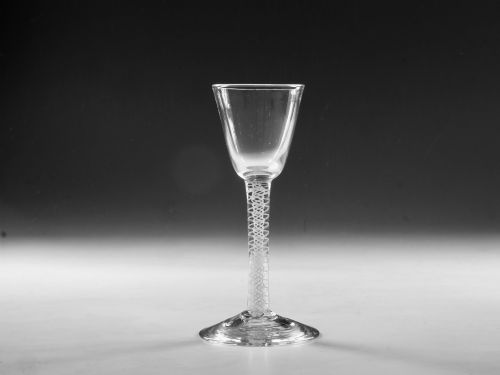
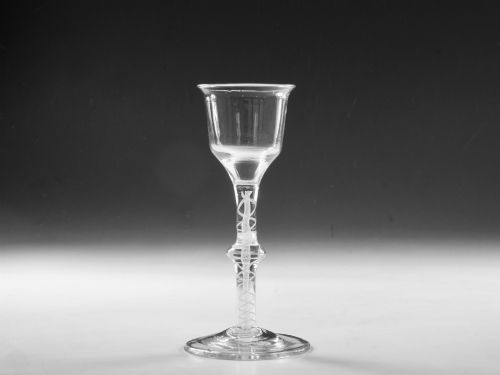
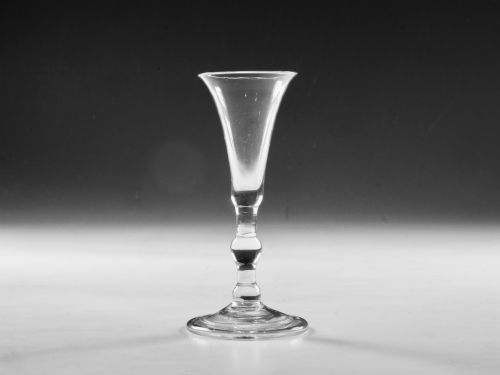
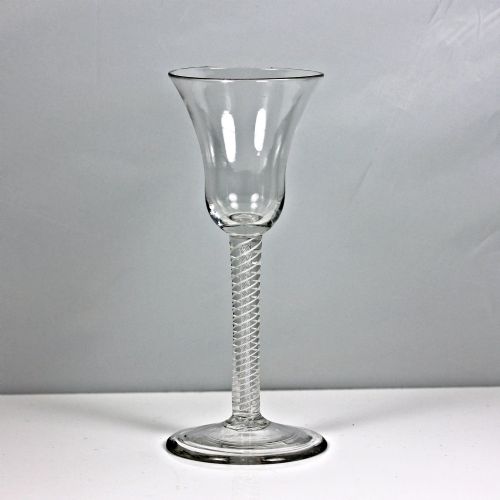
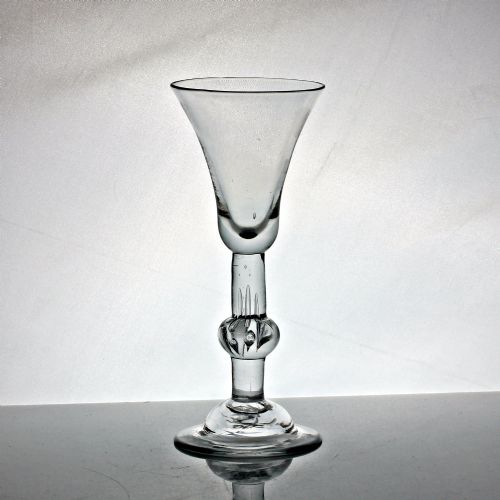
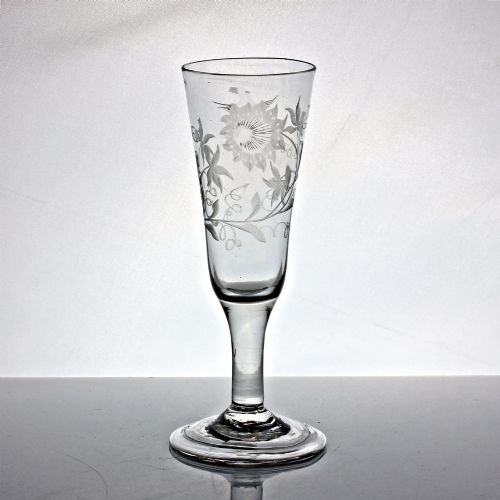
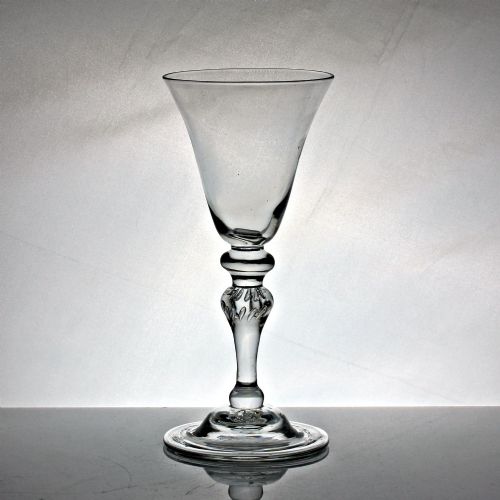
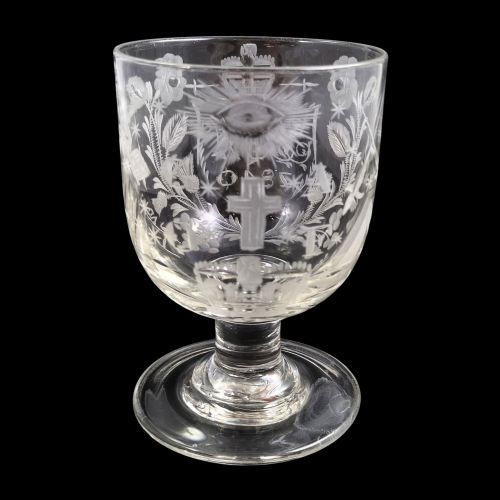
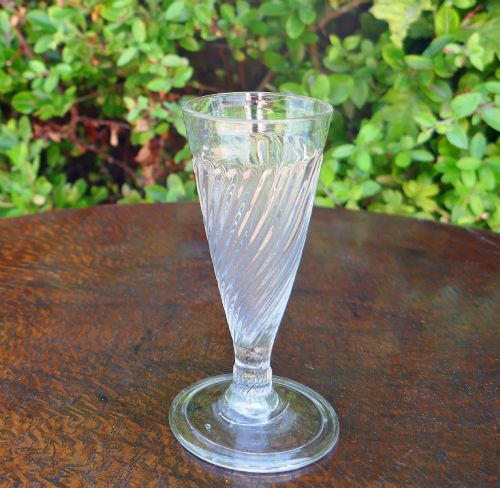
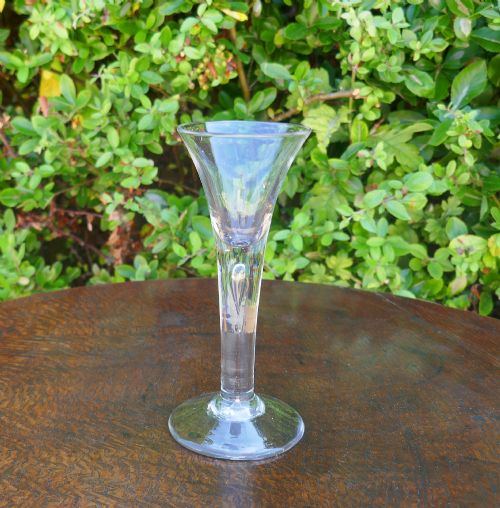
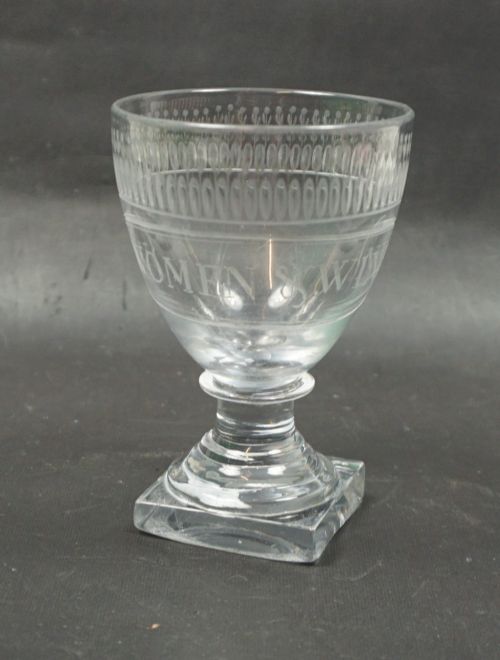
When you search for english georgian stemware glass, you encounter drinking vessels spanning the eighteenth century and the early nineteenth century. The selection on this page consists predominantly of wine glasses and ale glasses shaped with distinct bowls, stems, and feet.
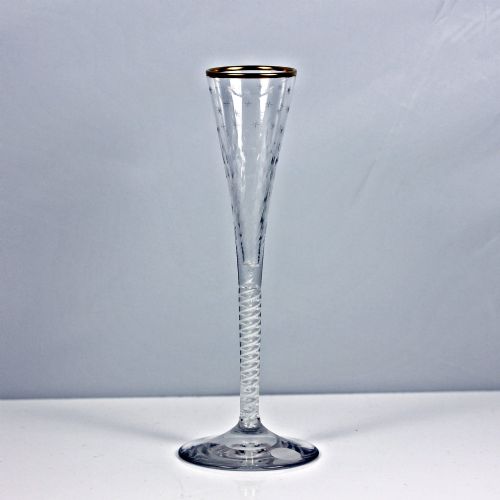
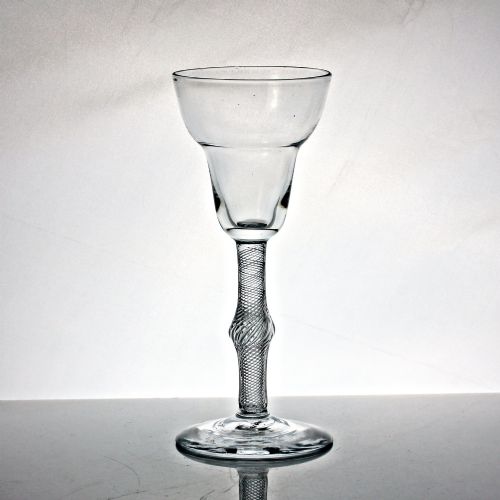
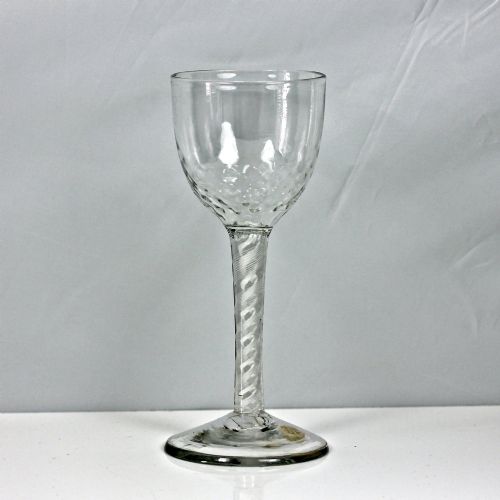
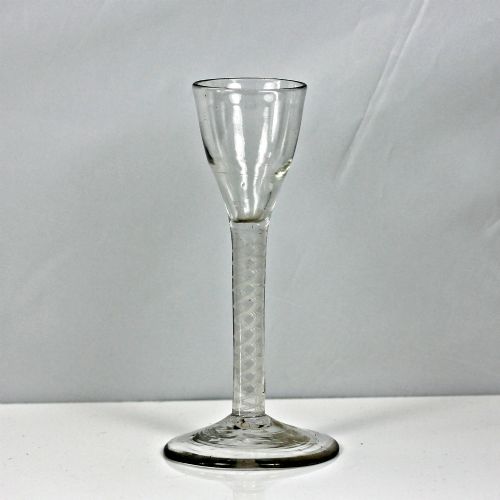
Most pieces date from the 1700s and the 1750 to 1780 decades, alongside pieces from the Regency period and occasional later revivals. You will find trumpet, bell, ogee, and pan top bowls supported by air twist, opaque twist, and plain stems.
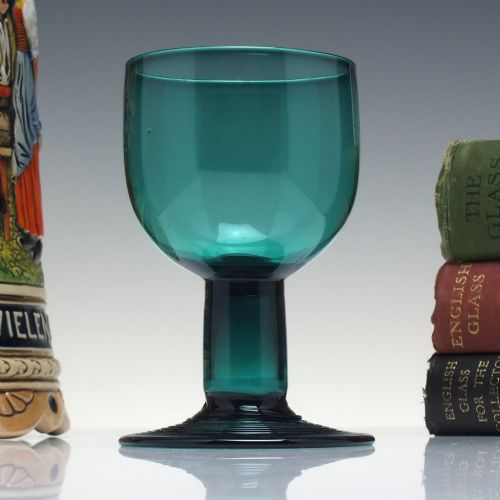
Forms range from small tavern glasses to heavy lead-glass rummers and tall wine flutes. Certain examples display surface engraving, rib moulding, or colour twists in green and red.
Materials and construction
Makers formed these drinking vessels from lead glass, flint glass, and clear glass using hand-blown techniques. The introduction of lead oxide produced a heavy, clear material that allowed for thin walls and deep resonance.
Stems incorporated drawn air bubbles or internal threads of white enamel glass, creating single series and double series twists. Workers finished bases with folded feet to strengthen the rim against chipping.
Factors influencing quality
Quality rests upon the clarity of the metal and the dexterity required to draw the stem. Heavy lead glass with high transparency and minimal internal striae represents superior material handling.
The regularity of an air twist or opaque twist determines the skill of the glasshouse worker. Clean lines in facet-cutting, precise engraving, and balanced proportions elevate certain vessels above standard production pieces.
The English Georgian Stemware Glass Glossary
- Air twist
- A stem formed by drawing out elongated air bubbles within the molten metal during manufacture, resulting in spirals.
- Opaque twist
- A stem containing threads of white enamel glass enclosed within clear flint glass.
- Folded foot
- A base edge turned underneath during shaping to create a thickened rim for extra durability.
- Ogee bowl
- A drinking vessel profile curving outward at the rim and inward toward the base, resembling an S-curve.
- Wrythen
- A decorative pattern of spiral ribbing imparted to the bowl or body of the glass while hot.
English Georgian Stemware Glass: Frequently Asked Questions
Can I drink from these glasses?
Many collectors use eighteenth-century glasses for special occasions, appreciating their tactile historic form.
Handle them carefully by the stem rather than the bowl to prevent stress fractures.
What is an air twist stem?
An air twist contains tiny elongated bubbles trapped inside the stem and pulled into spiral threads.
This technique required considerable skill from the glass blower during the manufacturing process.
Why are some feet folded?
Makers folded the outer edge of the foot underneath itself while the glass remained hot.
This extra layer of glass strengthened the rim and provided additional weight to the base.