



English Georgian Mirror
An english georgian mirror brings refined period presence to a room, offering functional reflection through centuries-old craftsmanship.
English Georgian Mirror
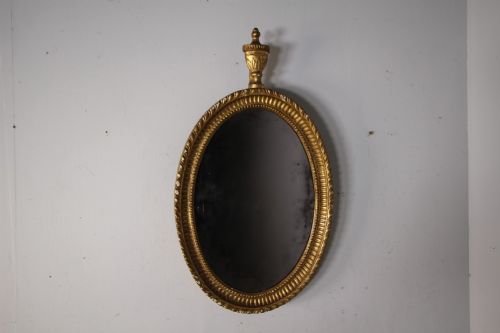
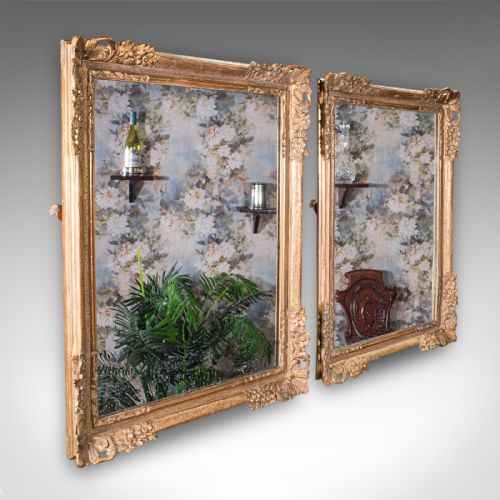
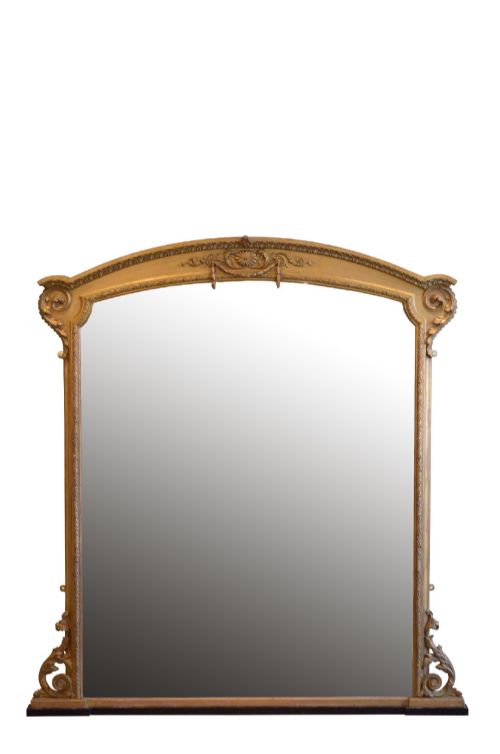
Searching for an english georgian mirror opens a selection spanning wall hanging pieces, dressing mirrors, and architectural overmantel designs.
The domestic selection frequently includes compact toilet mirrors intended for desks alongside tall pier and oval wall looking glasses.
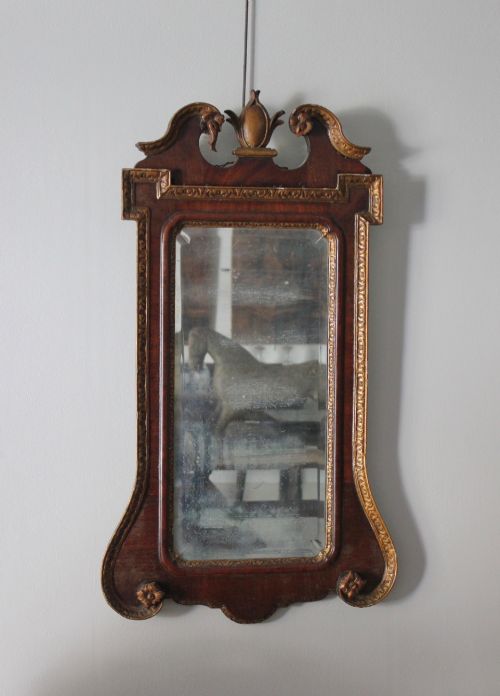
Makers and cabinetmakers of the eighteenth and nineteenth centuries produced these forms in walnut, mahogany, and giltwood for formal reception rooms and private boudoirs.
Materials and Techniques
Carved timber frames in walnut, mahogany, and burr maple form the structural core of many surviving examples, often finished with detailed joinery.
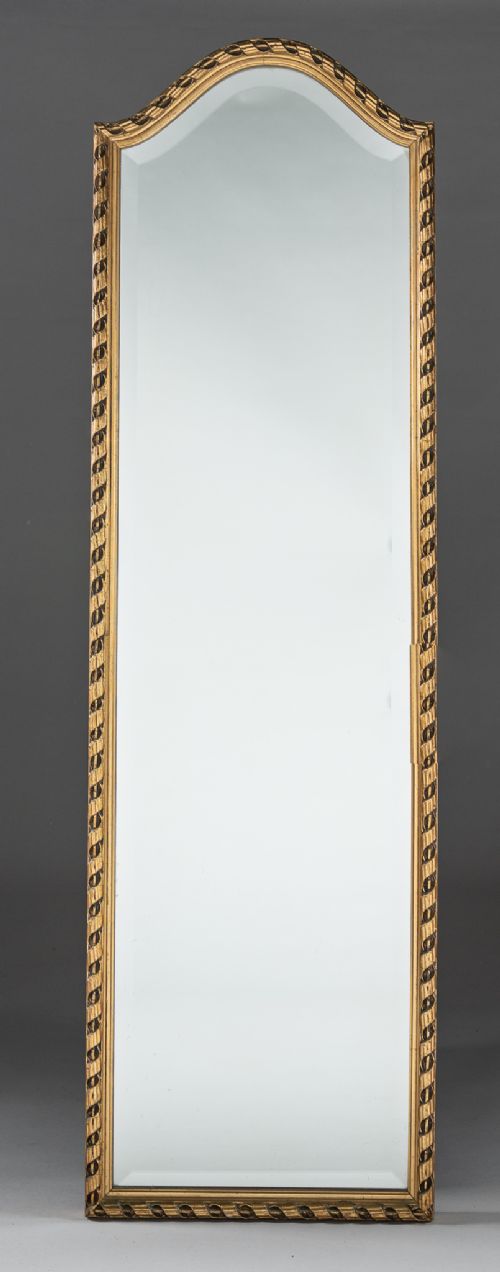
Giltwood and gesso application provided ornate surfaces, utilising gold leaf over moulded plaster to achieve high-relief ornamentation.
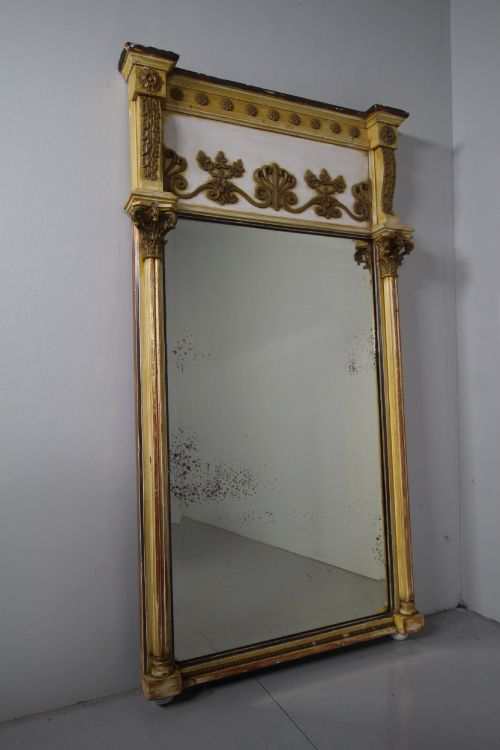
Original glazing frequently comprises antique silvered plates or mercury glass secured within panelled wooden backs.
English Georgian Mirror Retail Price Guide 2026
Typical asking prices for english georgian mirror among the pieces listed under this phrase on Sellingantiques today, from the lower quarter to the upper quarter. They describe what is for sale here now, not the wider market.
Listings feature walnut, mahogany, and giltwood materials across Georgian and Regency periods.
Evaluating Craftsmanship
The precision of hand-carved ornamentation distinguishes masterwork frames from standard commercial production, particularly in crispness around acanthus leaves and scrolling details.
Depth and clarity of the original gilding layers reveal the initial investment in materials, while unblemished mercury plates preserve historical authenticity.
Structural integrity of the underlying timber framework and original backing boards determines the enduring value of each piece.
Gillows
The English Georgian Mirror Glossary
- Giltwood
- Timber coated with fine gold leaf over a prepared surface. This finish defines the most formal wall and overmantel looking glasses.
- Gesso
- A plaster mixture applied to wood bases and carved before gilding. It allows for intricate relief decoration on frames.
- Pier glass
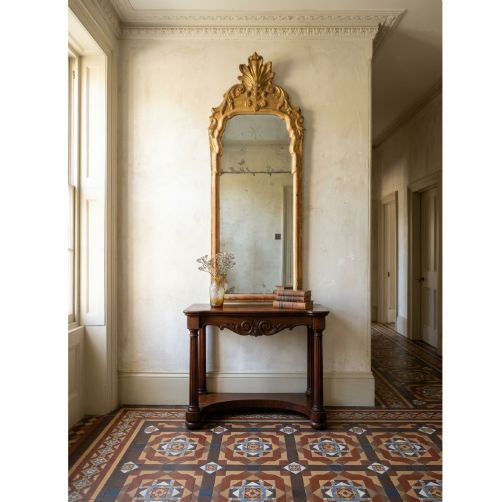
- A tall mirror designed specifically for placement on the wall space between windows. These pieces often match console tables below them.
- Cheval glass
- A full-length floor mirror hung in a freestanding frame with pivoting pivots. They enabled complete outfit viewing in dressing rooms.
- Toilet mirror
- A smaller swing glass mounted on a box base or small drawers for placement on dressing tables. They served daily grooming needs.
English Georgian Mirror: Frequently Asked Questions
How do I hang a heavy overmantel mirror?
Heavy architectural overmantels require secure fixing directly into wall studs or masonry using heavy-duty brackets. Professional installation ensures the substantial weight of timber and glass is safely supported.
Positioning the piece at the correct height above a fireplace anchors the room's proportions and reflects natural light effectively across the space.
Can I place these mirrors in a bathroom?
High humidity and fluctuating temperatures can damage historic gesso, vulnerable gilt surfaces, and original mirror plates. Ambient moisture accelerates degradation of the backing materials.
Dry reception rooms, hallways, and bedrooms provide stable environments that preserve the fragile historic finishes.
What is the difference between a pier mirror and an overmantel?
Pier mirrors are traditionally tall and narrow to fit between architectural wall openings or windows. Overmantels are wider horizontal formats built to sit above mantelpieces.
Both forms utilise carved wooden frames, but their proportions dictate where they sit within a period interior scheme.
How do I clean antique mirror glass?
Wipe surfaces gently with a soft dry microfiber cloth to remove dust without disturbing vulnerable frame edges. Avoid commercial liquid cleaners that seep behind degraded silvering.
Preserving the original glass requires minimal intervention to protect the delicate patination accumulated over centuries.