


English Georgian Copper Pot
An English Georgian copper pot brings warmth and historic utility into a room, offering tactile connection to eighteenth and nineteenth century domestic life.
English Georgian Copper Pot
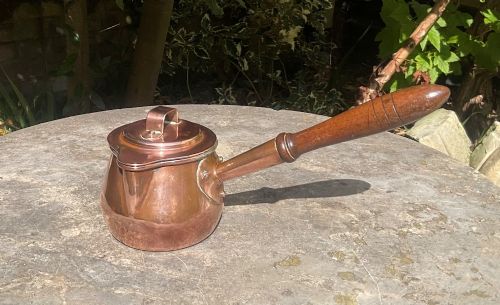
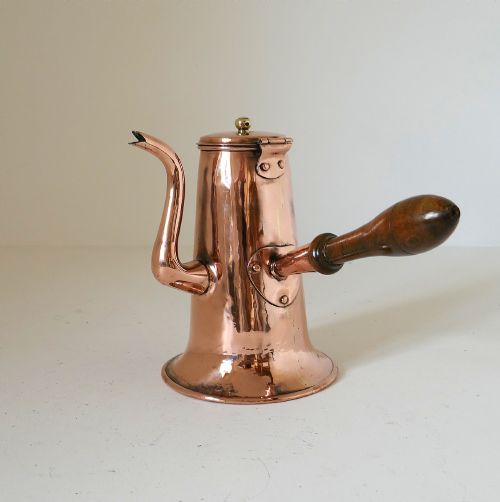
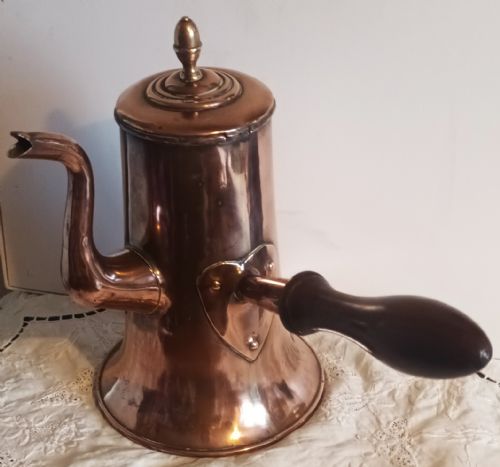
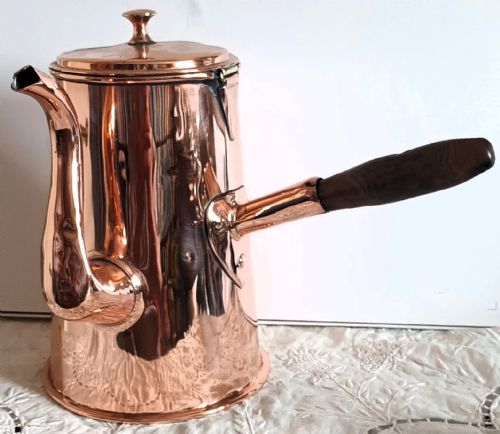
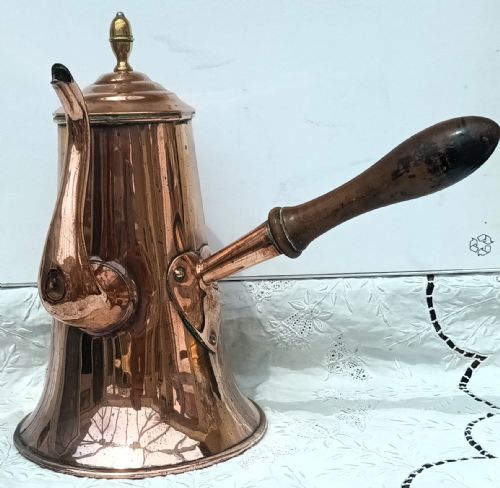
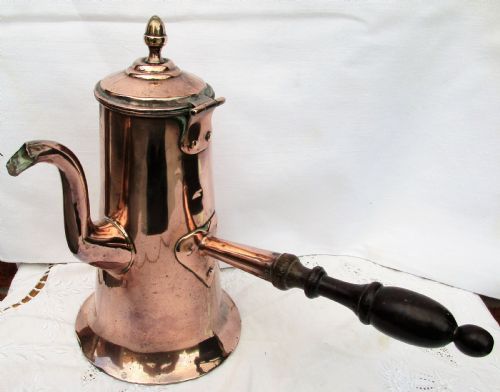
An English Georgian copper pot spans essential domestic vessels created during the eighteenth and nineteenth centuries, capturing the utilitarian domestic metalware of the period. When buyers search for an english georgian copper pot, they encounter coffee pots, tea kettles, chocolate pots, brandy warmers, and roasting pans.
The coffee pots and kettles dominate the selection on this page, reflecting the daily beverage habits of Georgian households. These vessels combine robust utility with traditional craftsmanship, often featuring side handles or bail handles designed for heavy kitchen use.
Additional forms include decorative boxes and specialised cookware such as roasting pans and brandy warmers. Pieces originate from the Georgian and George III eras, extending into the nineteenth century while retaining early metalware characteristics.
How they were made
Makers shaped these pots primarily from sheet copper, utilising hand beating techniques visible in the undulating surfaces of roasting pans and kettles. Brass fittings, such as side handles and spouts, provide sturdy contrasts to the warm reddish tones of the main body.
Internal surfaces often show traces of historic tinning, applied to prevent copper toxicity during food preparation. Selected items incorporate wooden insulators on handles or feature enamel work, as seen in smaller decorative boxes associated with the period.
Listings feature materials including copper, brass, wood, and enamel across the Georgian and nineteenth century periods.
What varies in quality
Quality in these copper vessels rests upon the weight of the metal and the integrity of the construction. Thicker gauge copper provides structural solidity that survives centuries of hearth use without excessive warping or thinning.
The refinement of the hand beating and the grace of the spout and handle attachment reveal the hand of a skilled metalsmith. Pieces bearing maker stamps or retaining original brass and wooden elements command distinct appreciation from collectors.
William Soutter And Sons
The English Georgian Copper Pot Glossary
- Georgian
- The period spanning the reigns of the four British monarchs named George, lasting from 1714 to 1830. This era defines the classical proportions and restrained ornament seen in domestic metalware.
- George III
- The reign from 1760 to 1820 that produced robust kettles and coffee pots characterised by sturdy proportions and practical design. Pieces from this specific decade often show refined handle placement.
- Hand beaten
- A forming technique where a metalsmith shapes a flat sheet of copper into a hollow vessel using specialised hammers. This leaves subtle facets across the surface that distinguish handmade objects from later machine-rolled examples.
- Tinning
- The process of coating the interior of a copper cooking vessel with a thin layer of metallic tin. This traditional lining protects food and beverages from reacting directly with the copper.
- Brandy warmer
- A small vessel with a long handle designed for heating spirits over a hearth flame. These portable pots reflect specialised drinking habits of the eighteenth and nineteenth centuries.
English Georgian Copper Pot: Frequently Asked Questions
How do I clean an antique copper pot?
Maintenance requires gentle washing with mild soap and warm water to preserve the historic patina built up over centuries. Avoid harsh abrasive cleaners that strip away the mellow surface tones valued by collectors.
Dry the vessel thoroughly after washing to prevent moisture spotting on the copper. A light application of specialised metal polish can maintain brightness if desired, though many prefer the undisturbed dark oxidation.
Are these copper pots safe for cooking?
Historic copper pots intended for food preparation require an intact internal tin lining to remain safe for modern use. Many antique vessels retain their original linings, while others have worn down through centuries of scouring.
Pieces with compromised or missing tin linings serve best as decorative objects or dry storage rather than direct cooking vessels. Assessing the interior coating determines the appropriate domestic role for each piece.
How do I date a Georgian copper pot?
Dating relies on observing manufacturing techniques, handle attachment methods, and overall form characteristics. Hand beaten construction and soldered seams without modern machinery marks typically point towards the eighteenth or early nineteenth century.
Stylistic cues such as the profile of the spout and the presence of maker stamps help narrow the production window. Comparing pieces to dated examples in historical archives provides further chronological context.
Where were these pots used in the home?
These vessels functioned primarily in Georgian kitchens and sculleries for boiling water, brewing coffee, and warming spirits over open hearths. Kettles and coffee pots sat near the fire to supply hot water throughout the day.
Roasting pans and brandy warmers performed specialised cooking tasks directly related to hearth-side preparation. Over time, many transitioned from working kitchen tools to decorative fireplace displays.