


English Georgian Candlesticks
English Georgian candlesticks bring period illumination into modern spaces through brass, porcelain, and silver forms designed for dining tables and mantelpieces.
English Georgian Candlesticks
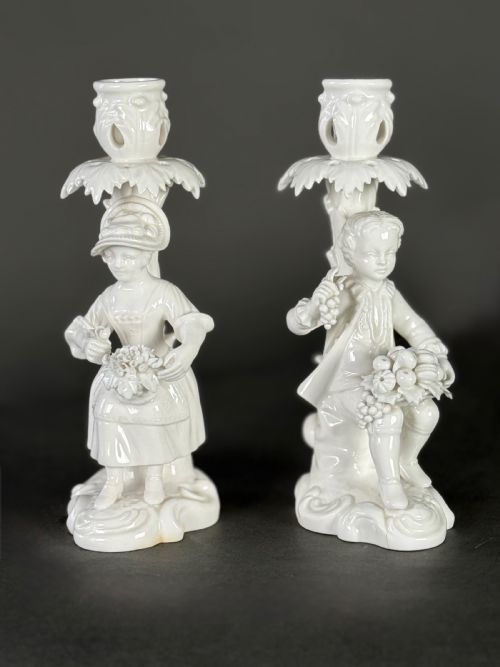
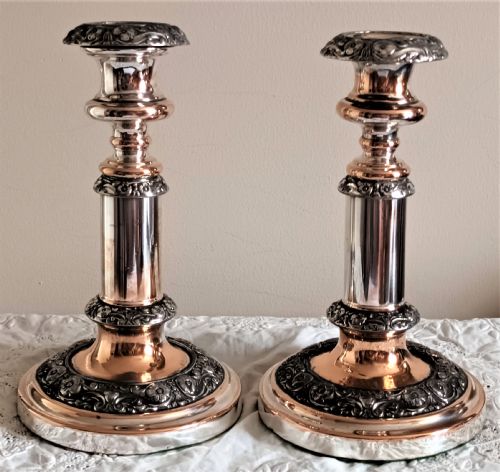
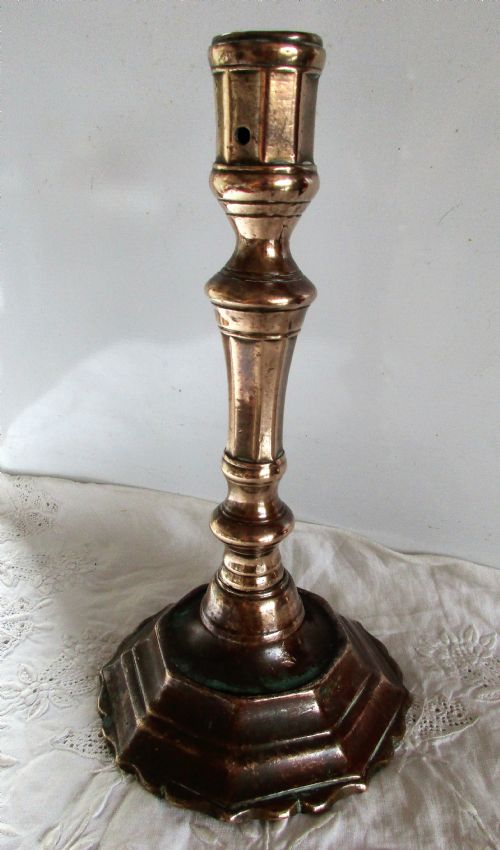
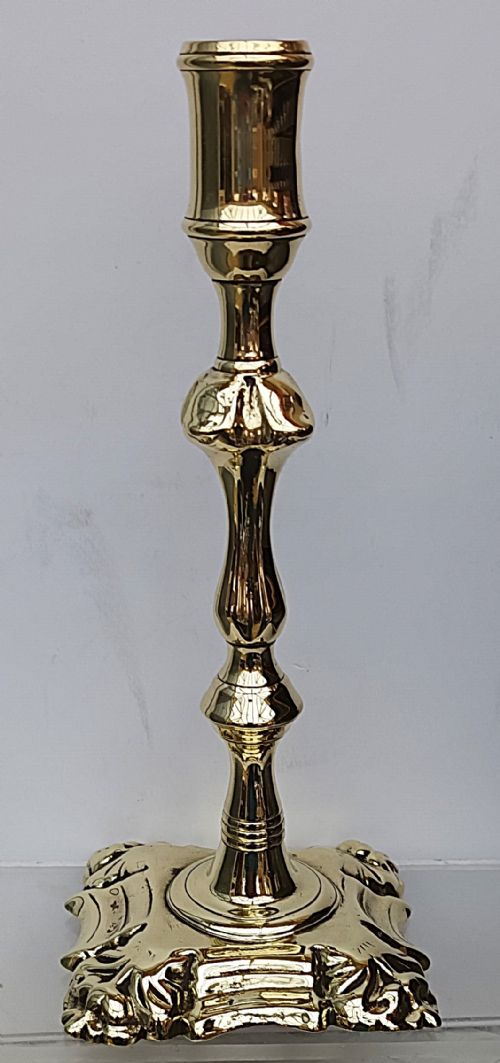
English Georgian candlesticks encompass functional lighting fixtures and decorative porcelain figures produced during the eighteenth and early nineteenth centuries. Surviving examples range from simple domestic brass pieces to elaborate ceramic figural groups adorned with porcelain foliage and bocage.
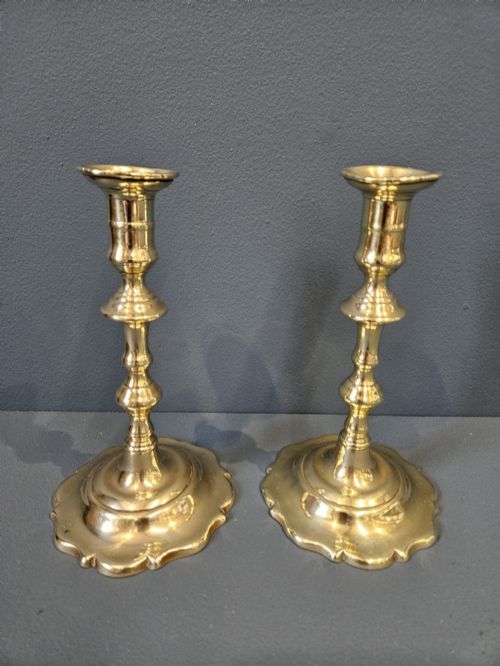
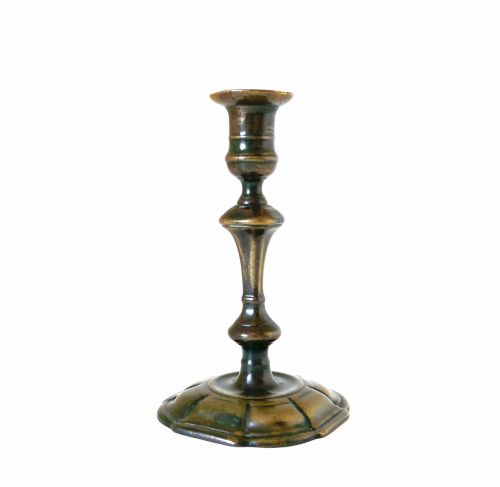
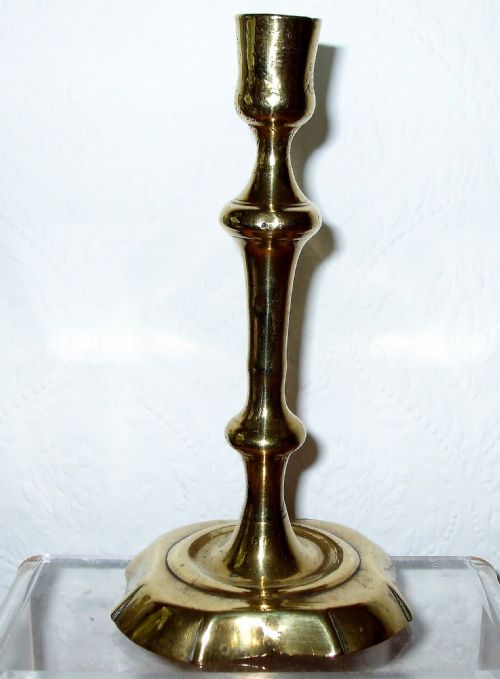
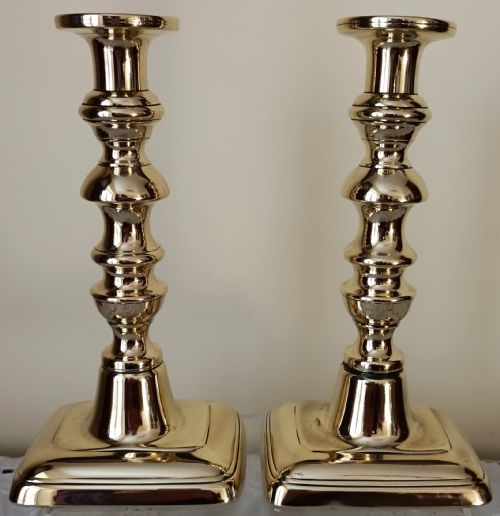
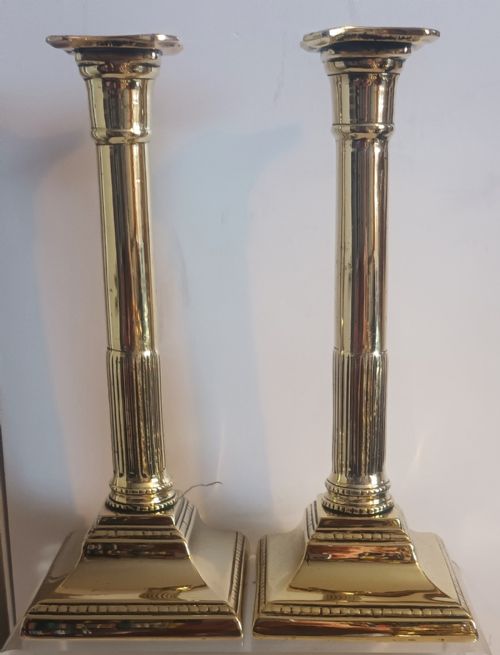
Brass versions frequently display traditional petal, seamed, or cut-corner bases engineered for stability on wooden furniture. Porcelain examples from factories such as Derby and Bow incorporate sculptural elements like musicians, dancers, and allegorical figures alongside standard candle sockets.
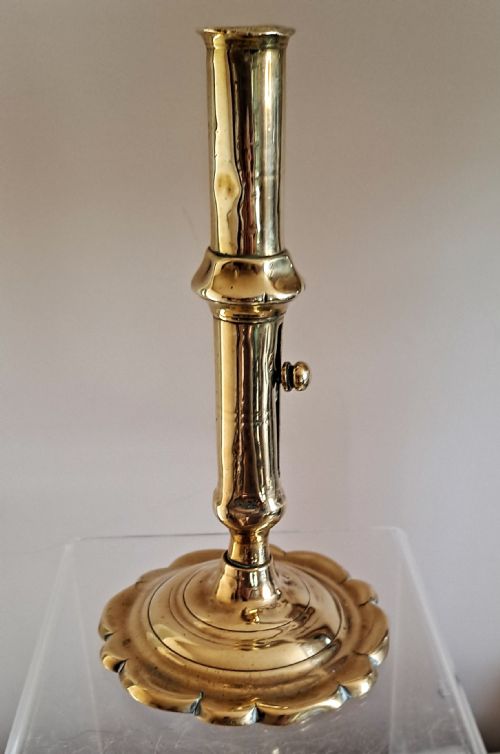
The inventory includes specialised utilitarian designs including telescopic mechanisms, ejector levers, and compact go-to-bed lighting instruments. These domestic objects reflect the changing interior illumination habits of the Georgian era across both modest households and grand estates.
How They Were Made
Brass candlesticks were typically cast in sections and joined using seaming techniques, leaving internal evidence of the manufacturing process on the underside of bases. Silversmiths worked with sterling silver and Old Sheffield plate, applying hammering and soldering methods to form columns and drip pans.
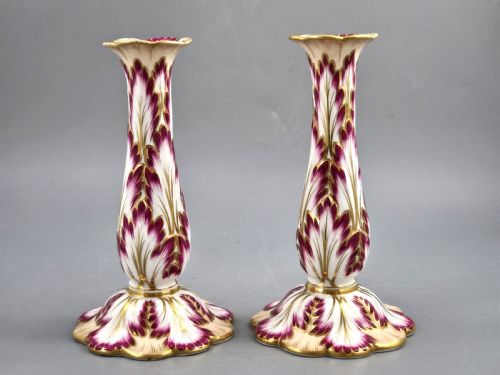
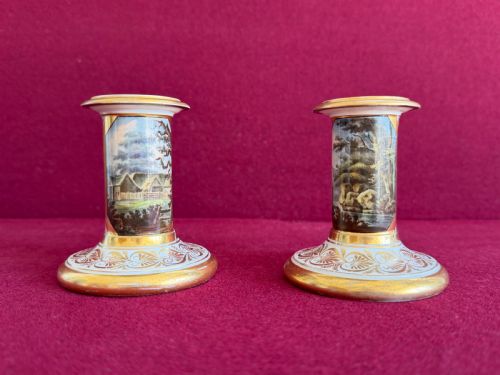
Porcelain examples utilised soft-paste and hard-paste ceramic bodies moulded with intricate background foliage known as bocage. Artisans applied hand-painted enamels, gilding, and gold leaf over the fired clay before final glazing.
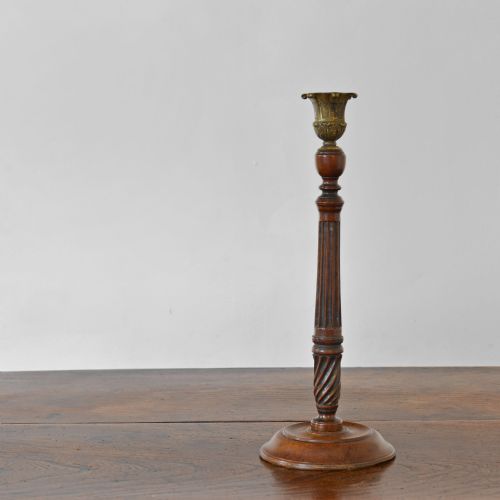
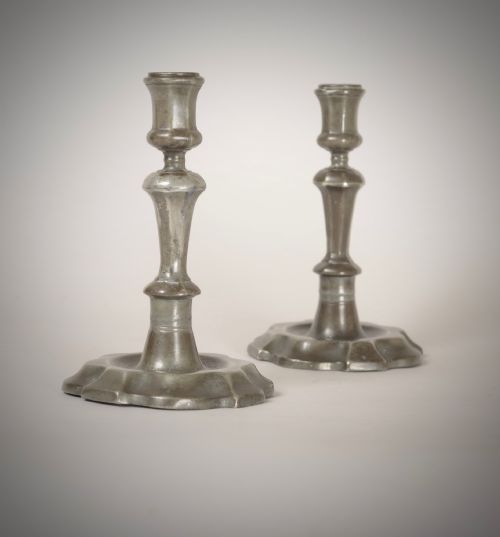
Alternative materials like mahogany, bronze, pewter, and wrought iron appear in specific utilitarian and decorative lighting pieces. Iron rushlights utilised forged pivoting arms to secure dried plant stems for basic illumination.
Early lighting included iron rushlights designed to hold dried marsh grass dipped in animal fat for basic cottage illumination.
What Varies in Quality
The standard of metal casting determines structural crispness, with superior brass and bronze examples exhibiting sharp mould definition on petal bases and columns. Heavier weight distribution and precise component alignment distinguish master workshops from standard domestic production.
Ceramic quality depends on the delicacy of modelled details, particularly within complex bocage figures and painted floral decoration. Crisp underglaze painting and intact applied elements separate fine factory output from secondary workshop productions.
Ridgway·Barr, Flight & Barr·Derby·J.T. & Co·Harrison Patent·John Cafe·Spode·Minton·Bow·Edward Kendrick
The English Georgian Candlesticks Glossary
- Bocage
- Applied ceramic foliage and background shrubbery commonly found behind eighteenth-century porcelain figures. This decorative technique creates a dense naturalistic canopy around the central subject.
- Ejector
- A concealed internal mechanism operated by a thumb slider to push a spent candle stump out of the socket. This practical addition prevented burnt fingers during daily use.
- Telescopic
- An adjustable shaft design allowing the candlestick height to extend or retract through sliding metal tubes. These pieces provided versatile illumination options for desks and reading tables.
- Petal Base
- A moulded foot shape resembling overlapping flower petals, highly popular on mid-eighteenth-century brass candlesticks. The multi-lobed contour adds both decorative weight and physical stability.
- Paktong
- A traditional copper, nickel, and zinc alloy imported from China that mimics the appearance of silver. English makers utilised this bright metal for specialised domestic wares.
English Georgian Candlesticks: Frequently Asked Questions
How do I clean antique brass safely?
Antique brass benefits from gentle dusting with a soft cloth to preserve historical patination built up over centuries. Avoid harsh chemical polishes that strip away the surface character accumulated through domestic use.
Running warm water and mild soap can remove surface grime without harming the underlying metal. Dry thoroughly with a lint-free cloth immediately after washing.
Can I burn real candles in them?
Modern taper candles often fit standard antique sockets if secured with dripped wax or fitted adapters. Ensure the candle remains upright and extinguish the flame before it burns down to the metal or porcelain.
Watch closely for draughts that might cause uneven dripping onto fragile surfaces. Clean any residue gently using warm water rather than scraping with metal tools.
What does telescopic mean on candlesticks?
Telescopic candlesticks feature sliding inner shafts that allow the user to adjust the height of the light source. This mechanical feature was particularly useful for reading or writing at different table levels.
Patented designs often bear maker inscriptions along the sliding components. These adjustable mechanisms represent clever engineering solutions from the Georgian period.
How do I spot reproduction brass candlesticks?
Authentic Georgian brass pieces show specific casting marks, hand-finished file lines, and appropriate wear patterns on the base rim. Modern reproductions often feel excessively heavy or display uniform machine tooling without hand-finishing traces.
Examine the construction seams under magnification to verify period manufacturing techniques. Genuine examples exhibit natural patination rather than uniform chemical colouring.