




English Floral Oil Painting
An english floral oil painting captures blossoms with enduring texture, offering an authentic botanical focus for collectors of traditional art.
English Floral Oil Painting
An english floral oil painting brings botanical subjects to canvas, often rendered in traditional and impressionist styles across the nineteenth and twentieth centuries. These artworks depict vibrant blooms and garden scenes, reflecting the aesthetic priorities of British painters from the Victorian era onward.
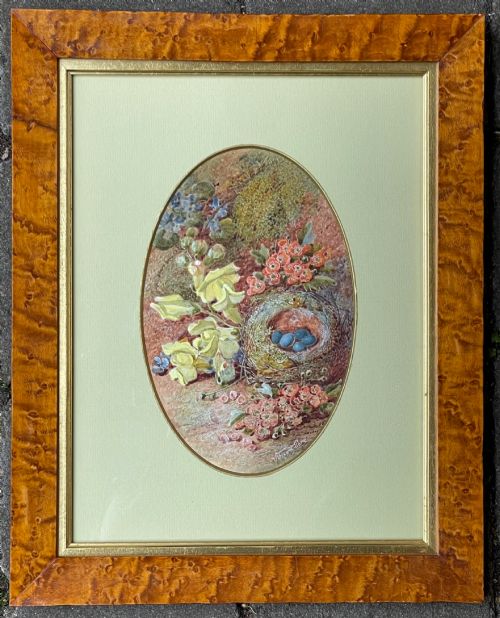
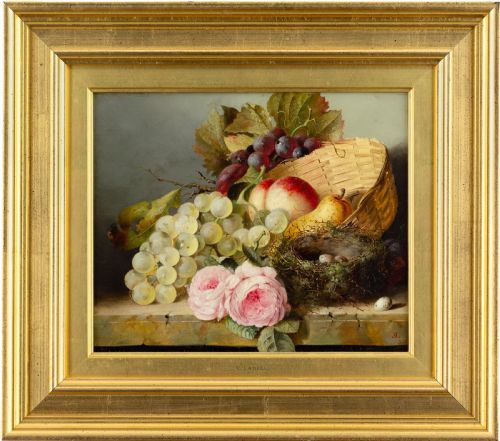
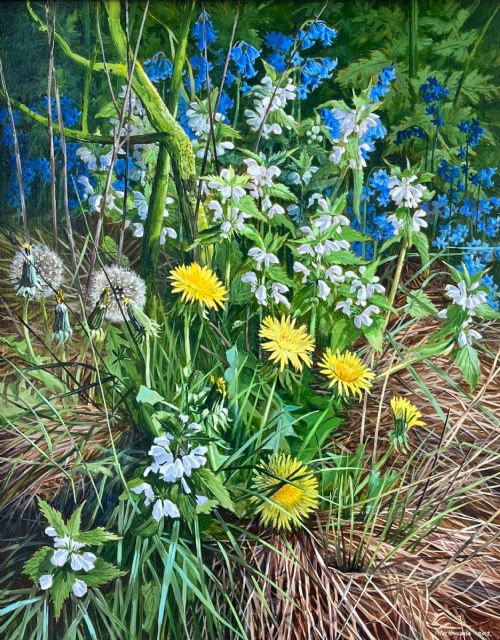
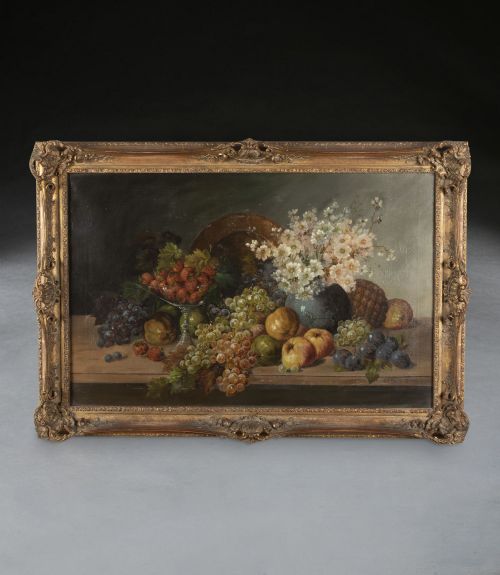
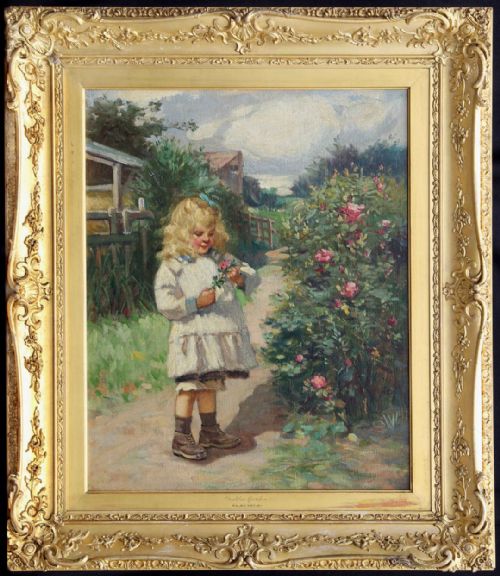
The selections available here range from detailed still lifes featuring wicker baskets and fruit to broader garden views and studies of summer flowers in vases. Such pieces capture natural subjects through varied regional lenses, from Victorian naturalism to modern realism.
How They Were Made
Artists painted these works predominantly with oil on canvas or wood panels, utilising the rich pigmentation and blendability of oil media to render petal textures and foliage. Wooden supports and stretched canvases provided stable foundations for detailed brushwork.
Framing often involved gilded wood, gold leaf, and occasionally brass elements, which enhanced the visual depth of the paintings. The combination of durable oil paints and traditional framing techniques ensured these works survived across decades.
Several artists clearly preferred stubborn blooms that refused to wilt while posing.
What Varies in Quality
The handling of light and botanical detail separates accomplished works from simpler decorative pieces, reflecting the artist's mastery over oil pigments. Stronger examples demonstrate precise tonal gradation in petals and leaves, creating convincing depth.
The integration of the subject within its setting, such as a garden or vase, dictates the visual success of the composition. Superior pieces maintain balanced proportions and harmonious colour palettes that hold the viewer's attention.
Vincent Clare·Edward Ladell·Peter Newcombe·Ernest Higgins Rigg·Edgar Bundy·Herbert Davis Richter·Ralph Hedley·Fred Merriman
The English Floral Oil Painting Glossary
- Oil on Canvas
- Pigments bound in a drying oil applied to a woven fabric surface stretched over a wooden frame. This combination allows for rich colour saturation and subtle blending.
- Wood Panel
- A rigid flat wooden support used as a base for painting instead of fabric. Panels provide a firm, stable surface for detailed brushstrokes.
- Gilded Wood
- Wood treated with a thin layer of gold leaf or metallic powder to create a decorative finish. This technique highlights the borders of framing.
- Victorian Naturalism
- An art movement focusing on the accurate depiction of the natural world without idealisation. Works in this style record flora and fauna with close observation.
- British Impressionism
- A painting style emphasising loose brushwork and the play of natural light across outdoor scenes. Artists working in this manner prioritize atmosphere over rigid detail.
English Floral Oil Painting: Frequently Asked Questions
What periods do these paintings span?
The available works cover a broad timeline stretching from the Victorian era through the early twentieth century and into later modern periods. This variety reflects shifting artistic approaches to floral subjects across generations of British painters.
Collectors can find examples representing distinct stylistic movements, including Victorian naturalism, British impressionism, and modern realism. Each period brings its own approach to canvas preparation, brushwork, and colour harmony.
How should I display an oil painting?
Display oil paintings away from direct sunlight and fluctuating humidity to protect the canvas and the underlying support structure. Stable indoor environments prevent the oil paint from cracking or fading over time.
Matching the painting with an appropriate frame, such as gilded wood, helps complement the artwork's visual weight. Proper wall placement ensures the piece remains a focal point in the room without sustaining environmental damage.
Are these paintings on canvas or panel?
Artists utilised both traditional stretched canvases and rigid wood panels as foundations for these floral compositions. The choice of support often relates to the period and the artist's preferred technique for capturing fine detail.
Canvases provide flexibility and texture, while wooden panels offer a completely rigid surface favoured for smaller, tightly controlled still life studies. Both methods have proven durable across more than a century of preservation.
What subjects accompany the flowers?
Floral compositions frequently incorporate surrounding elements such as ceramic vases, wicker baskets, fruit, and bird nests. These additional objects help anchor the blooms within a domestic or garden setting.
Wider landscape pieces extend the botanical focus to include garden paths, country houses, and hedgerows. Such contexts provide a narrative backdrop that enhances the primary floral arrangement.