






English Edwardian Clock
When you search for an english edwardian clock, you uncover timepieces housed in mahogany, oak, and brass that measured the hours in homes, railways, and factories.
English Edwardian Clock
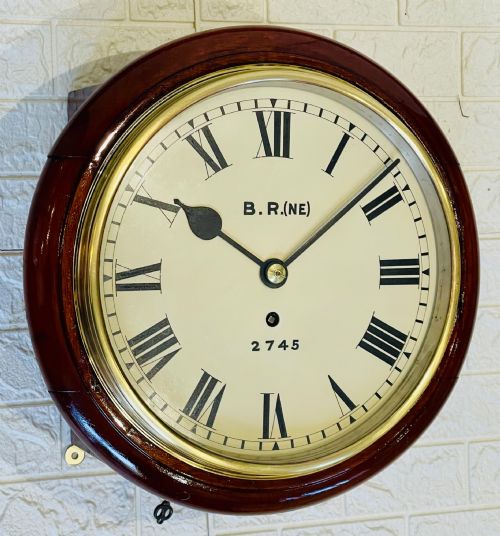
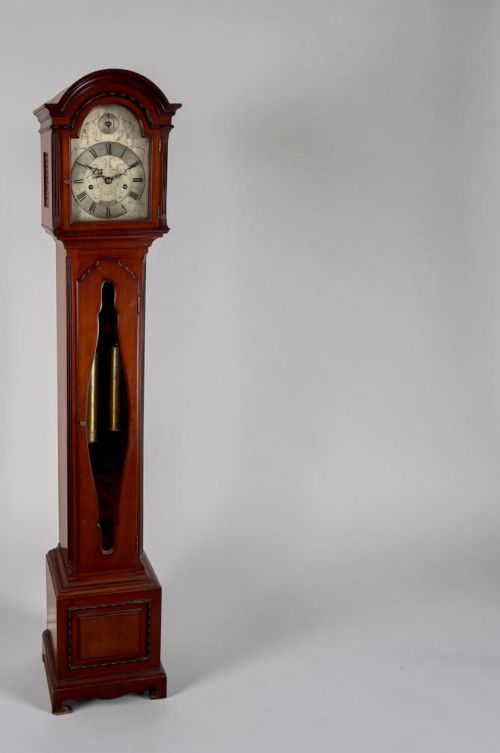
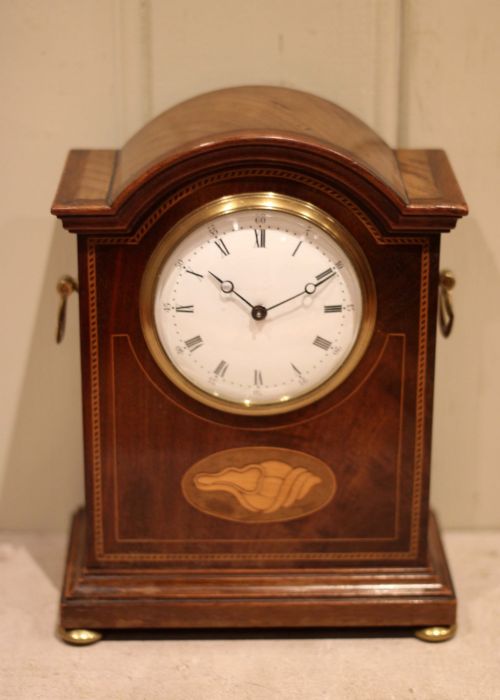
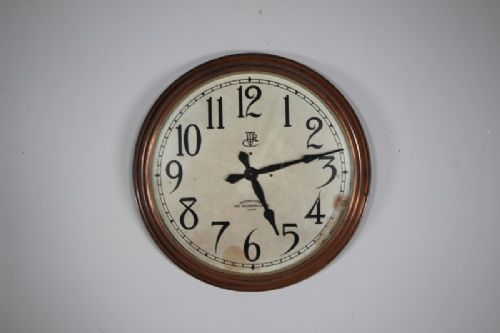
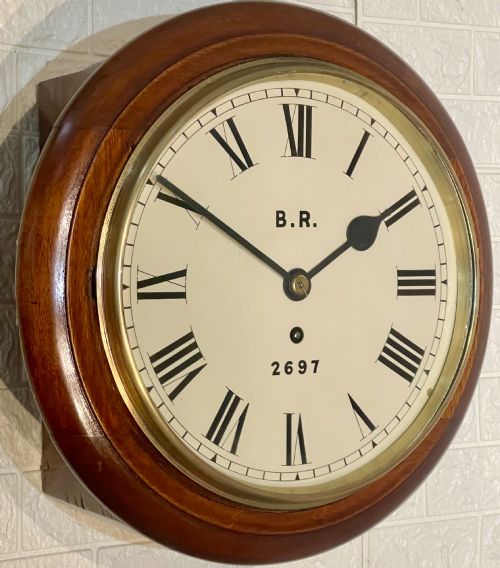
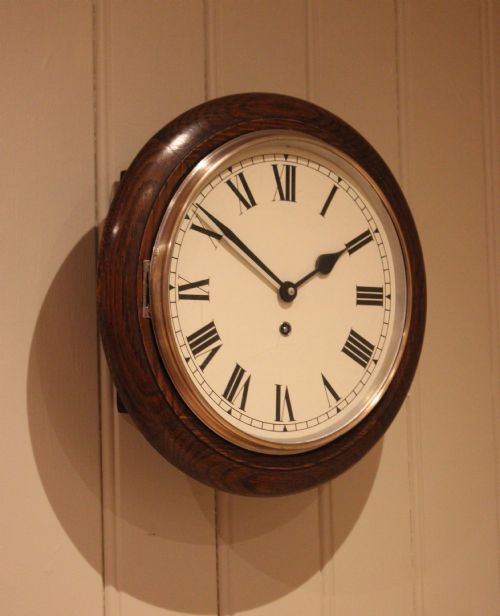
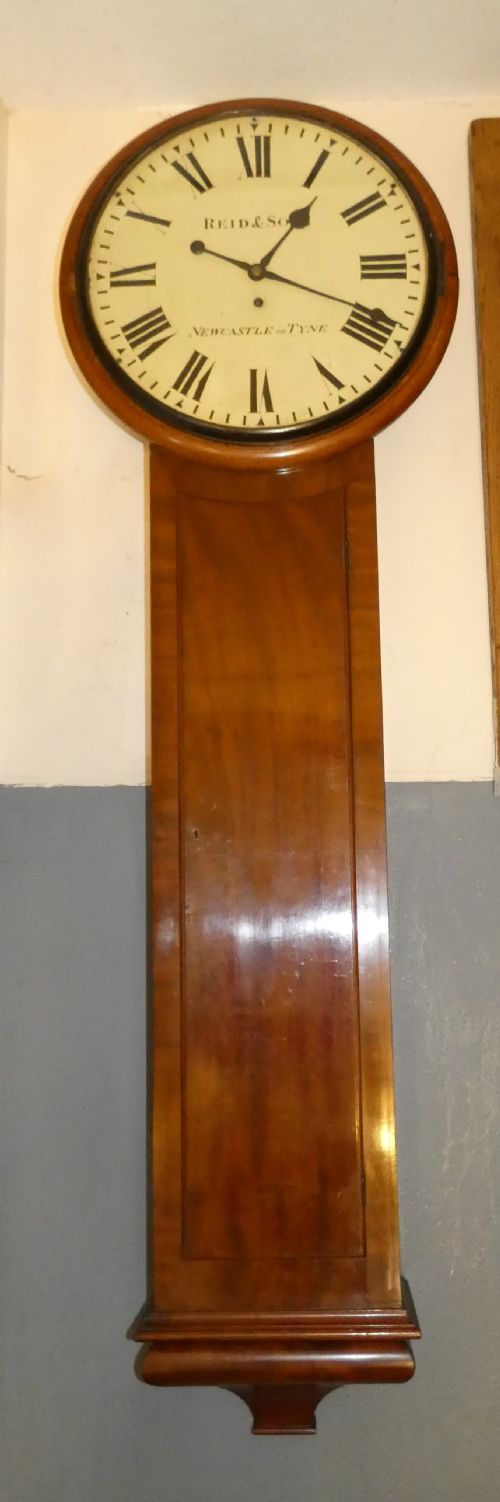
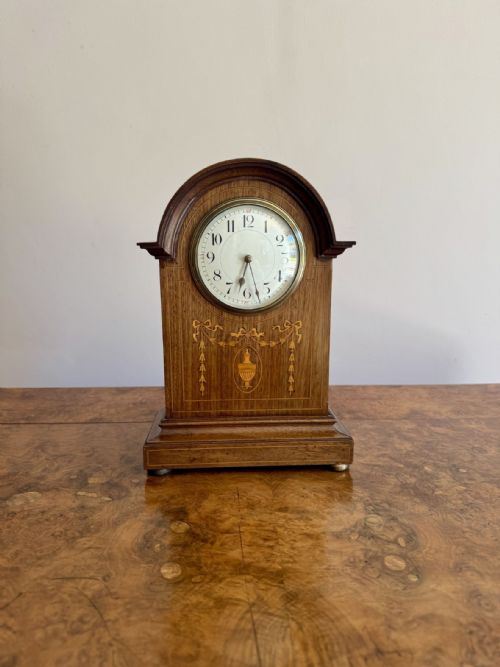
An english edwardian clock encompasses diverse forms including dial clocks for walls, mahogany mantel timepieces, and tall grandmother clocks made around the early twentieth century. The pieces you meet most often on this page are fusee dial wall clocks and inlaid mahogany mantel models.
Makers and retailers from this period adapted earlier styles like Georgian revival and Victorian gothic, while producing sturdy utility pieces for railway stations and schools. Walnut, oak, and mahogany appear frequently as primary case woods alongside enamel dials and brass bezels.
Materials and construction
Cabinet makers utilised solid oak, mahogany, and beech for cases, often adding delicate satinwood inlay or brass mounts to mantel clocks. Fusee movements deployed a chain or gut line and a conical pulley to maintain even force as the mainspring wound down.
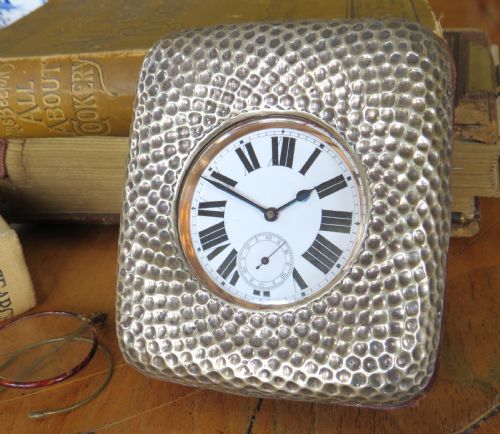
Dials combined painted iron or brass with clear glass covers and protective bezels, while larger public or factory clocks relied on robust steel and iron components. Silver plating marked travel clocks and miniature carriage pieces produced by specialist silversmiths.
English Edwardian Clock Retail Price Guide 2026
Typical asking prices for english edwardian clock among the pieces listed under this phrase on Sellingantiques today, from the lower quarter to the upper quarter. They describe what is for sale here now, not the wider market.
Some clocks recorded factory shifts rather than social hours, keeping tired workers honest as they punched their cards.
Judging quality in timepieces
Quality rests upon the precision of the clock movement, particularly the execution of fusee mechanisms and clean gear cutting by recognised makers or retailers. Finely figured mahogany grain, crisp hand-carved oak details, and well-preserved enamel dials separate superior examples from standard utility pieces.
Proportion and casework integrity also govern worth, where original brass inlays, intact glass domes, and matching components retain the character intended by the original workshop.
Gillett & Johnston of Croydon·J Batson & Son·Mappin & Webb London·Kelvin White & Hutton London·Dent of London·Henry Matthews·Payne of Tunbridge Wells
The English Edwardian Clock Glossary
- Fusee
- A conical pulley used with a cord or chain to maintain equal power on the train as the mainspring unwinds.
- Dial clock
- A wall-mounted timepiece featuring a prominent circular face, historically utilised in offices, schools, and railway stations.
- Mantel clock
- A portable clock designed to sit on a fireplace mantelpiece, commonly housed in mahogany or oak.
- Grandmother clock
- A slender, scaled-down version of a longcase clock, standing shorter than a traditional grandfather clock.
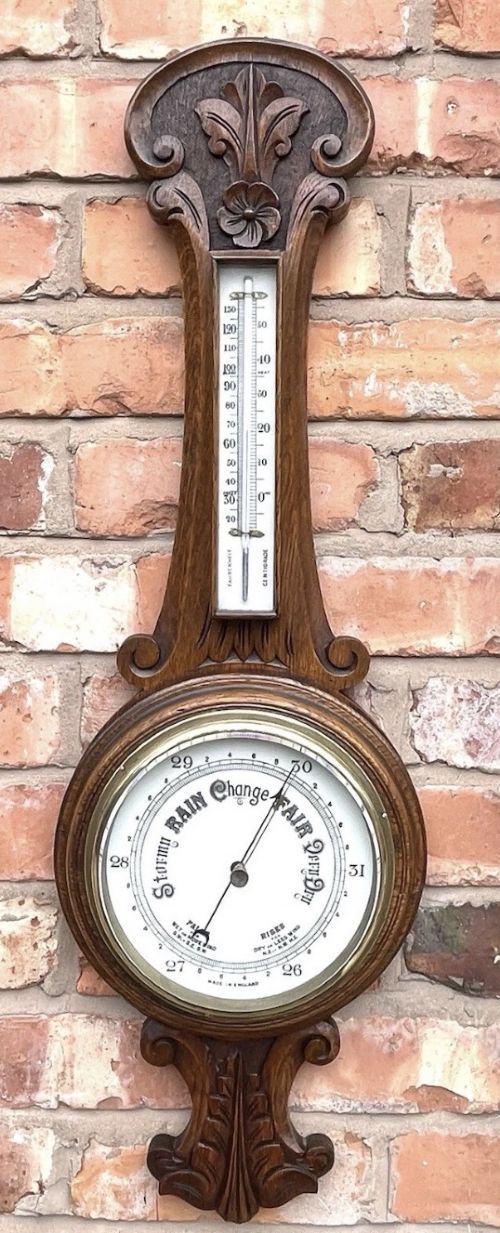
- Anterior barometer
- A weather-measuring instrument using an expandable metal capsule rather than liquid mercury.
English Edwardian Clock: Frequently Asked Questions
How do I wind an english edwardian clock?
Most spring-driven models require a matching key inserted gently into the dial winding hole to turn the mainspring barrel clockwise until resistance meets you.
Care must be taken not to overwind the movement, as this can strain the internal spring mechanism and affect timekeeping accuracy.
Where were wall clocks originally placed?
Railway dial clocks and large factory timepieces hung in prominent public spaces where staff and travellers needed clear visibility from a distance.
Smaller dial clocks found their homes in school classrooms, station offices, and domestic hallways.
How do I distinguish an oak model from mahogany?
Oak displays a pronounced open grain with visible medullary rays, often carrying a golden-brown or medium-dark finish depending on age.
Mahogany presents a tighter, smoother grain pattern with a deep reddish-brown tone that deepens gracefully over the decades.
What is a fusee movement?
A fusee movement uses a specialised conical drum connected to the mainspring via a delicate chain to equalize the driving force as the spring relaxes.
This mechanical refinement promotes steadier pendulum swings and ultimately delivers more reliable timekeeping throughout the running cycle.