

English Drop Leaf Table
An English drop leaf table provides a practical folding surface rooted in centuries of craftsmanship.
English Drop Leaf Table
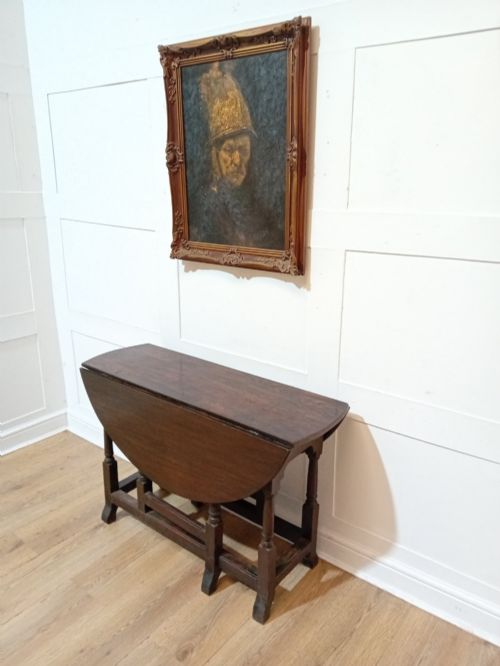
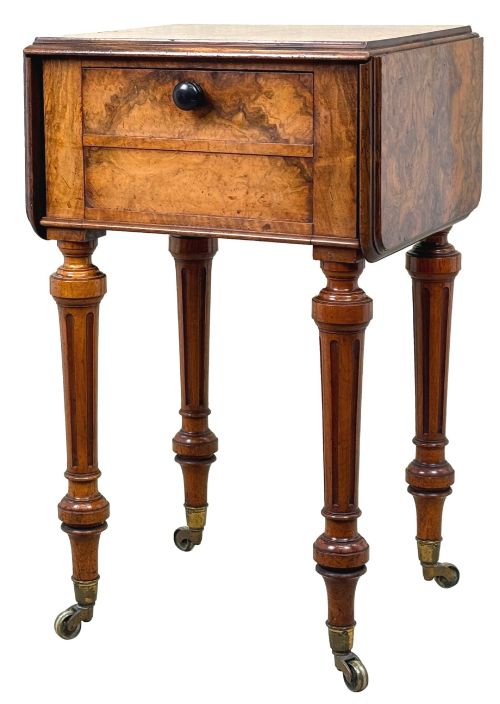
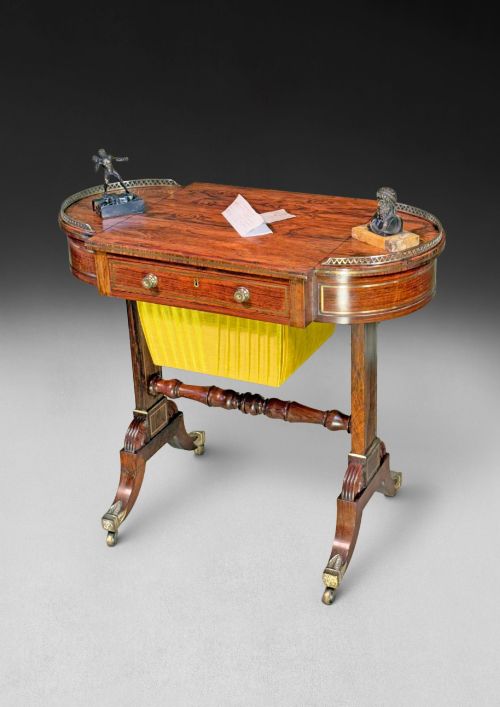
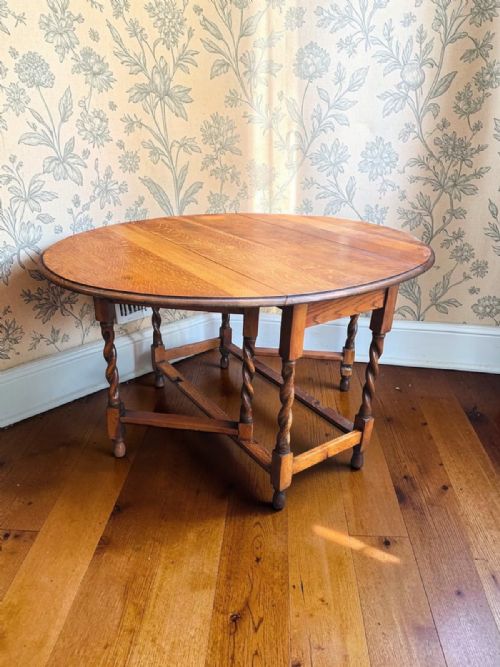
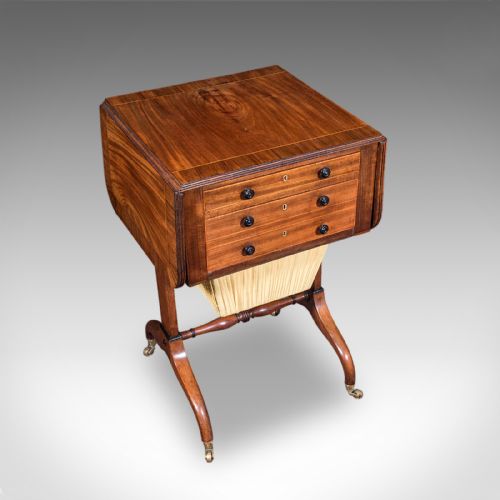
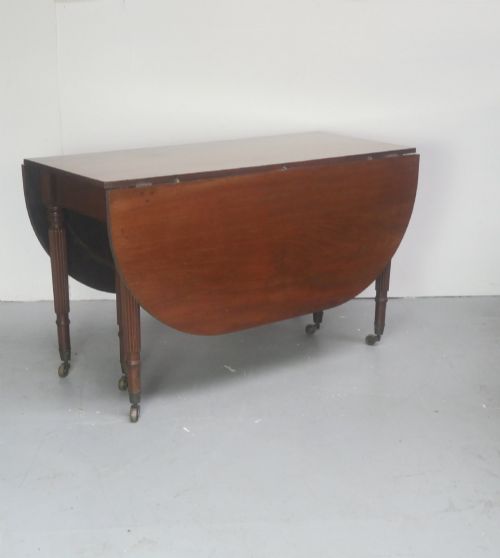
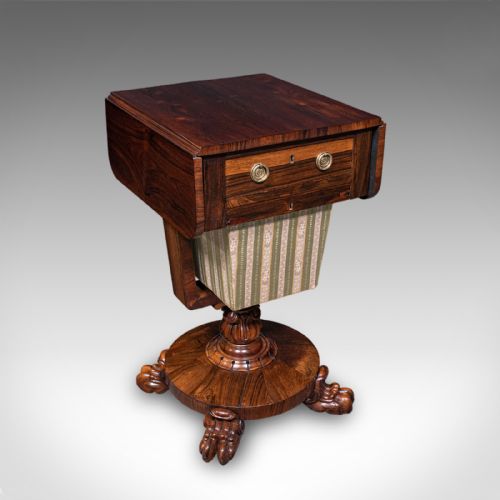
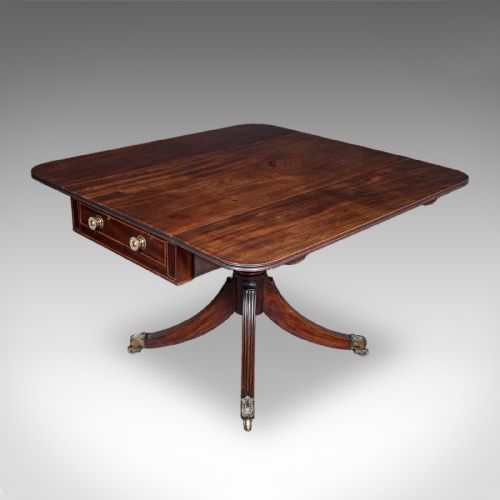
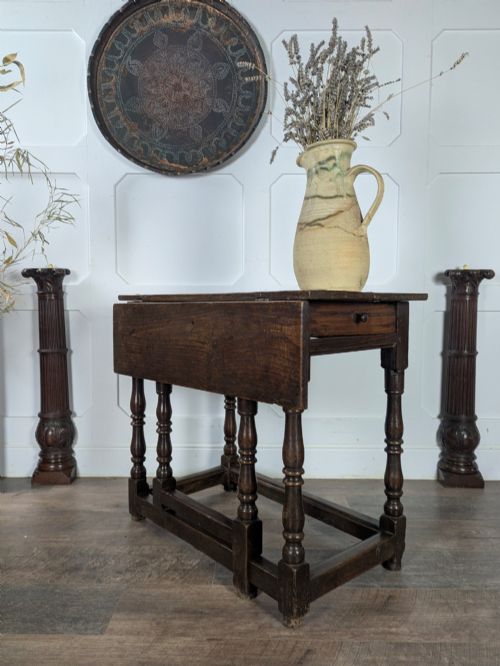
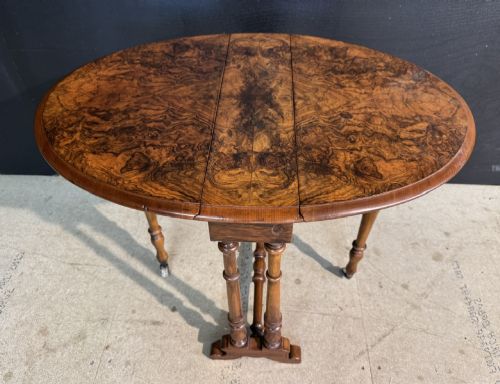
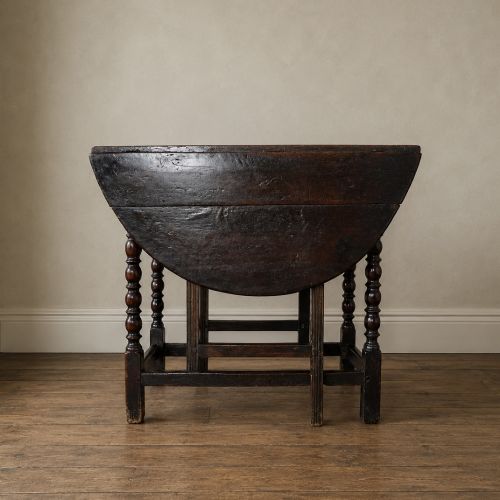
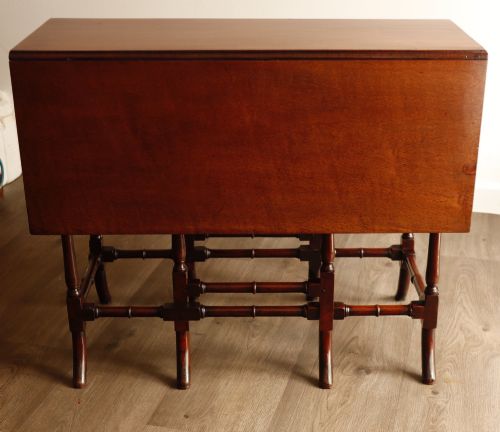
An English drop leaf table is a versatile piece of furniture designed with hinged flaps that fold down to save space or lift up to extend the surface area. Buyers searching this phrase will find a wide spectrum of forms, spanning robust 17th-century gateleg designs to refined Georgian Pembroke tables and later Victorian Sutherland models.
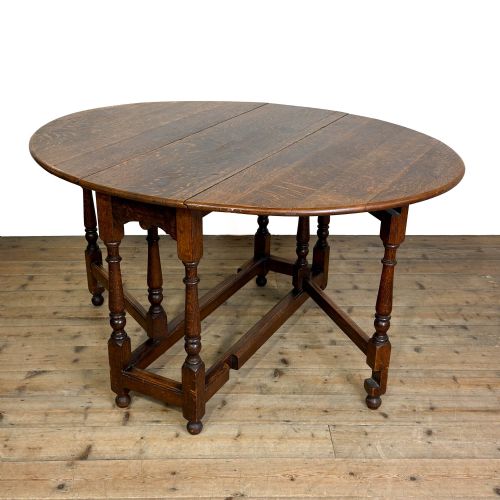
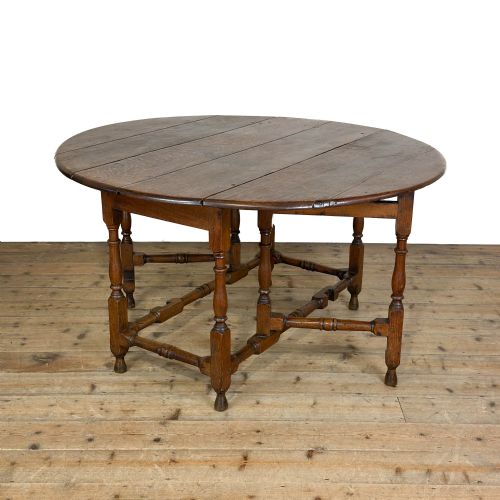
The versions most commonly met on this page range from heavy oak dining formats with barley twist or bobbin turned legs to lighter mahogany tea and occasional tables. These pieces served diverse domestic functions historically, operating variously as dining surfaces, writing desks, and sewing stations depending on their era and proportions.
How They Were Made
Carpenters relied heavily on native timbers, utilising solid oak for seventeenth and eighteenth-century gateleg examples, while later Georgian and Regency makers favoured mahogany, walnut, and satinwood veneers. Brass hardware frequently secured internal drawers, and hinged mechanisms supported the moveable leaves.
Joinery techniques evolved from pegged mortise and tenon joints in early oak frameworks to sophisticated rule joints on eighteenth-century Pembroke leaves, allowing flaps to close flush against the main table top.
English Drop Leaf Table Retail Price Guide 2026
Typical asking prices for english drop leaf table among the pieces listed under this phrase on Sellingantiques today, from the lower quarter to the upper quarter. They describe what is for sale here now, not the wider market.
Listings feature timbers including oak, mahogany, rosewood, walnut, satinwood, and brass.
What Varies in Quality
The standard of a drop leaf table depends upon the selection of timber, such as figured mahogany or burr walnut, and the crispness of carved details like baluster posts or barley twist legs. Structural integrity relies on the precision of the gateleg pivot action and the tightness of the original joints.
Proportion and utility also separate examples, with superior pieces displaying balanced dimensions when extended alongside well-integrated drawers and stable brass castors.
The English Drop Leaf Table Glossary
- Gateleg table
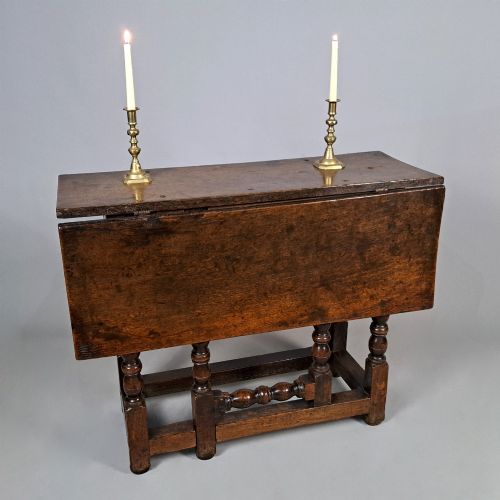
- A table with hinged flaps supported by swinging legs that pivot out from the frame. This design provides sturdy underpinnings for large dining surfaces.
- Pembroke table
- A small rectangular occasional table featuring two folding side leaves and usually one or two small drawers. It gained popularity during the Georgian and Regency periods.
- Sutherland table
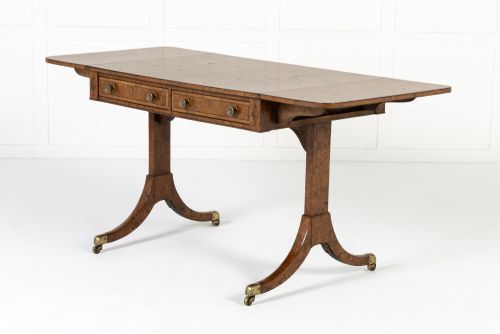
- A narrow drop leaf table equipped with particularly slender folding leaves and a gateleg action. Victorian examples were often utilised as tea or book tables.
- Rule joint
- A moulding profile used on the hinges of drop leaf tables to bridge the joint between the fixed top and the moveable flap. It leaves a neat quarter-round edge when open.
- Bobbin turned
- A style of leg shaping created on a lathe to resemble a series of wooden bobbins or spools stacked end to end. It is commonly found on seventeenth-century oak pieces.
English Drop Leaf Table: Frequently Asked Questions
How do I use a drop leaf table daily?
Keep the leaves dropped against the sides to save floor space in compact rooms, raising them only when extra surface area is required for dining or working.
Place the table away from direct heat sources and strong sunlight to protect the polished timber surfaces and prevent veneer from drying out.
How can I tell an oak gateleg table's age?
Examine the timber colour, tool marks, and construction joints beneath the top where hand-pegged tenons indicate earlier periods.
Turned leg styles also provide clues, as bobbin and spiral twist profiles point to seventeenth-century origins, while simpler square legs often suggest later revival pieces.
Can these tables seat six people?
Larger oak gateleg tables and Regency dining formats easily accommodate six to eight guests when both leaves are fully raised and supported.
Check the clearance beneath the frame and the placement of the swinging legs to ensure chairs fit comfortably underneath.