



English Door Porter
An English door porter holds back a heavy draft, appearing in brass or cast iron across Victorian and Georgian halls.
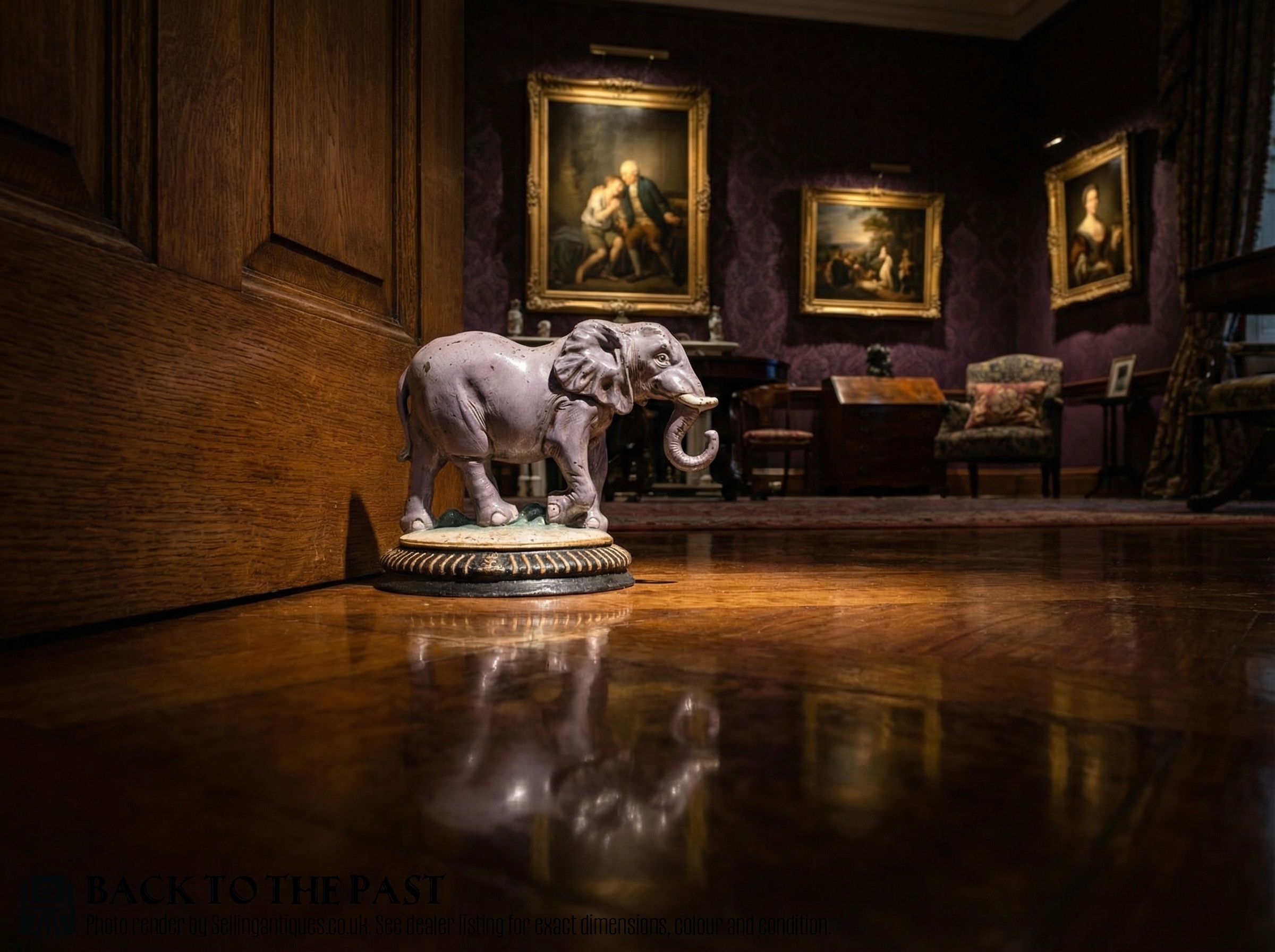
English Door Porter
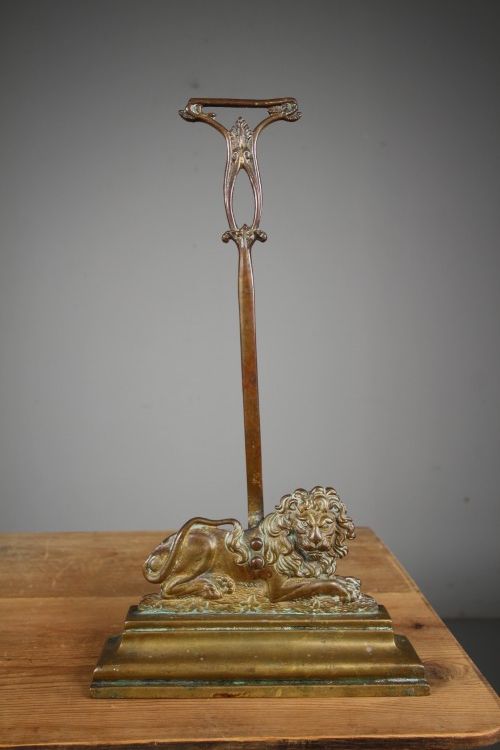
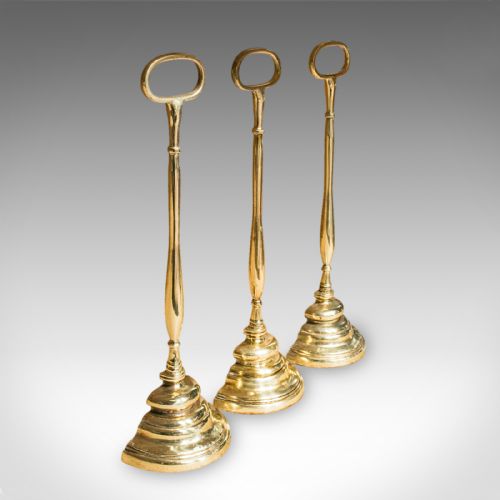
An English door porter functions as a heavy weight designed to keep interior doors open against sudden drafts. The pieces listed on this page span the Georgian, Regency, Victorian, and Edwardian periods.
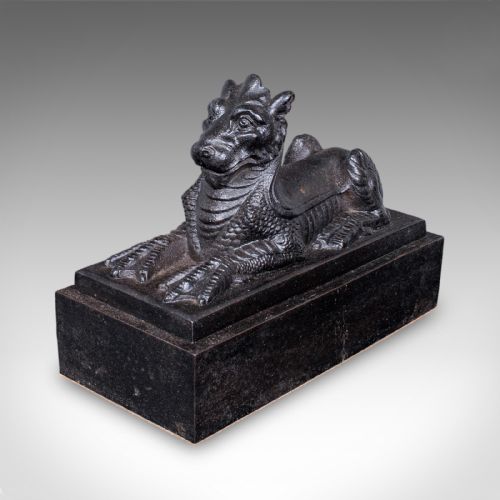
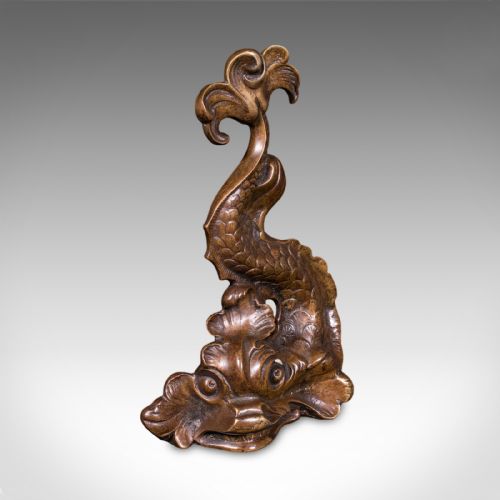
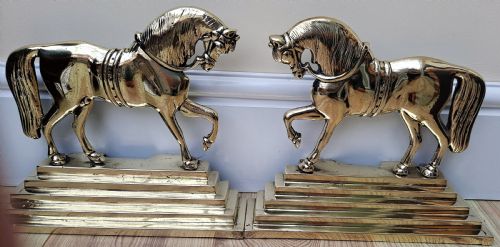
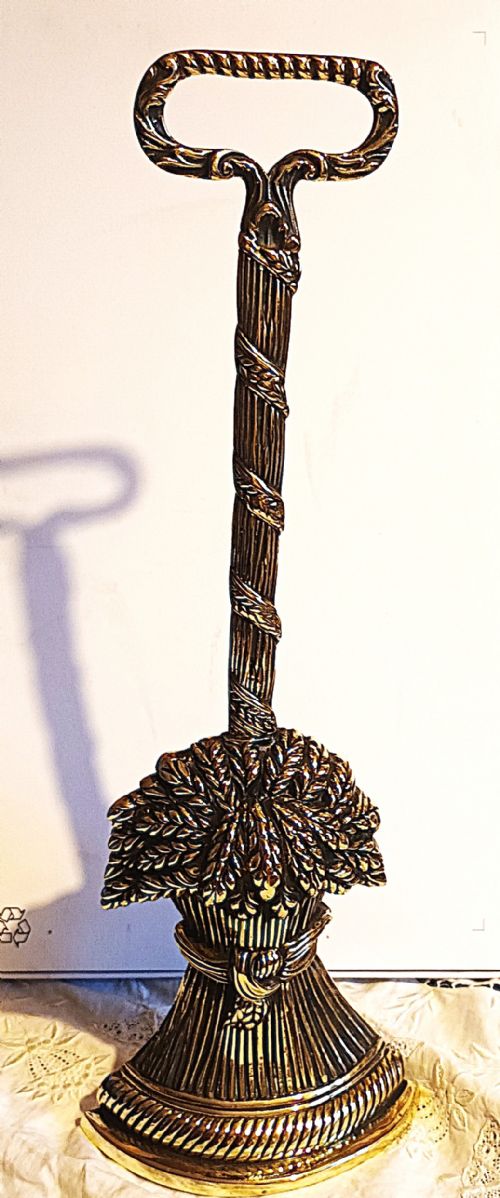
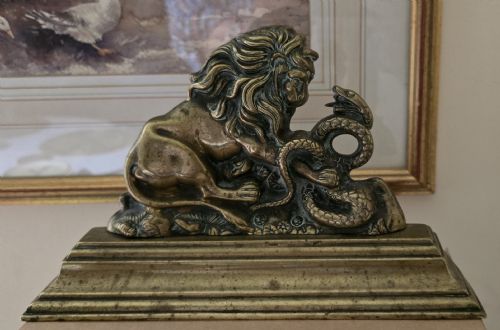
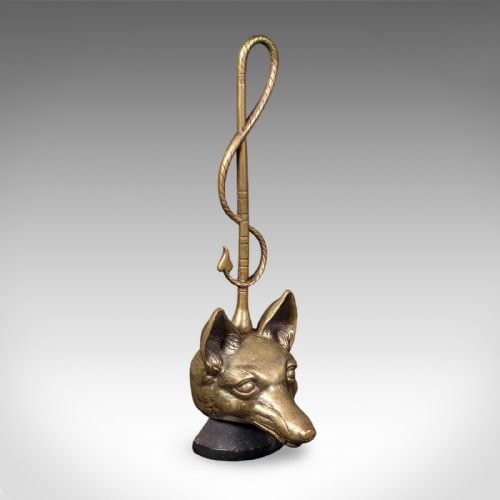
Brass and cast iron form the core of these objects, shaped into lions, dogs, horses, dolphins, and human figures. Many pieces double as fireplace ornaments or chimney horses in period settings.
The most common examples on this page date from the nineteenth century, reflecting the domestic needs of large country houses and urban villas alike.
Methods and materials
Foundries utilised sand-casting techniques to shape molten brass, bronze, and iron into robust figurative sculptures. Skilled metalworkers then finished the surfaces with hand-chiselling, polishing, or applied paint.
Lead weights were frequently added to the interior cavities or bases of hollow brass porters to ensure sufficient heft. Iron examples relied on solid mass alone to hold heavy wooden doors in place.
Border collies, dolphins, and Lord Nelson stand shoulder to shoulder as guardians of the drafty Victorian hallway.
Judging the work
Original surface preservation matters immensely, whether in the warm patina of aged brass or the integrity of early painted cast iron. Altered components or replaced iron bases diminish the historical integrity of the piece.
William Tonks·William Tonks and Sons
The English Door Porter Glossary
- Door porter
- A heavy movable weight designed specifically to keep interior doors from swinging shut. It is often synonymous with doorstop.
- Chimney horse
- An alternative term for a door porter, reflecting their secondary use as ornaments placed on the hearth when the fireplace was unlit.
- Sand-casting
- A traditional manufacturing method where molten metal is poured into a compacted sand mould created from a wooden or metal pattern.
- Patina
- The natural surface sheen and colour acquired by metal over decades of handling, polishing, and environmental exposure.
- Figurative
- Art that represents human, animal, or mythological forms rather than abstract or geometric decoration.
English Door Porter: Frequently Asked Questions
How heavy should a door porter be?
Most effective examples weigh several kilograms to manage solid timber doors without sliding.
Lighter models suit interior latch doors, while heavy iron pieces manage large entranceways.
Where were door porters placed?
Owners positioned them directly against the interior face of open doors or on the hearth.
When not holding back drafts, many rested by the fireplace as decorative ornaments.
How do I clean antique brass?
Dust gently with a soft dry cloth to preserve the natural historic surface layer.
Agressive metal polishes strip away the aged patina that collectors value on nineteenth-century pieces.
Are cast iron porters older than brass?
Both materials run concurrently through the Georgian, Regency, and Victorian eras.
Cast iron offered a cheaper, heavier alternative to polished brass in service areas and farmhouses.