
English Crystal Glasses
English crystal glasses bring historic weight and sparkle to the table, spanning delicate Georgian stems to robust Victorian tumblers.
English Crystal Glasses
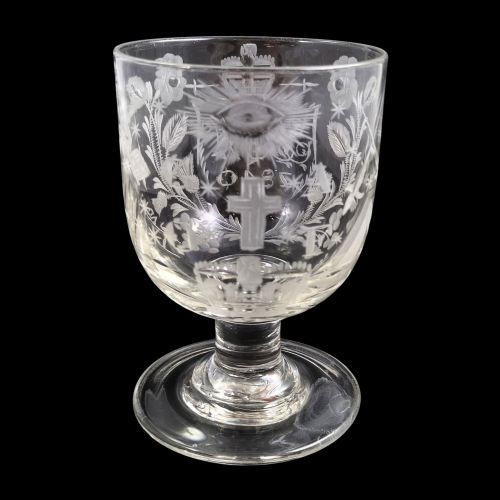
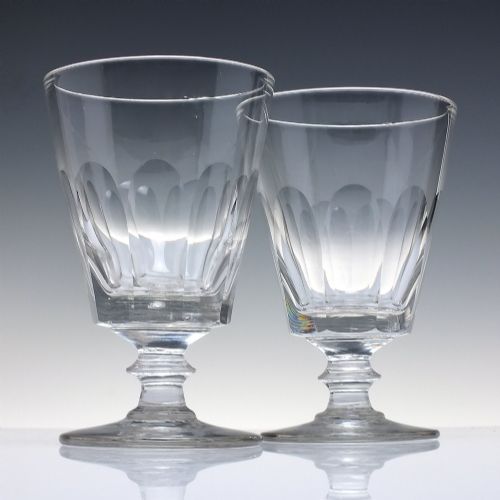
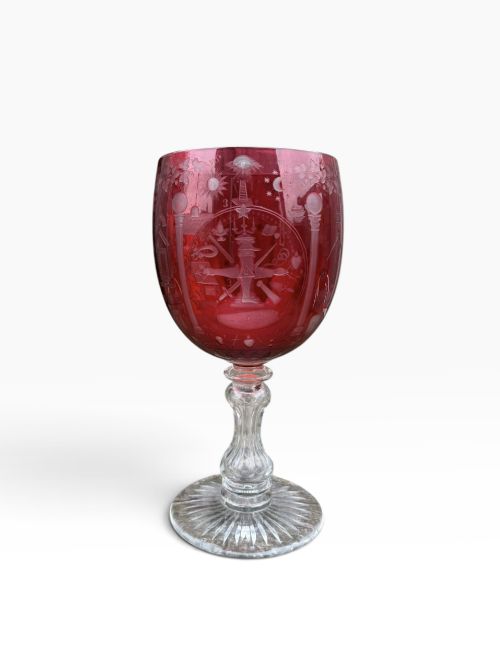
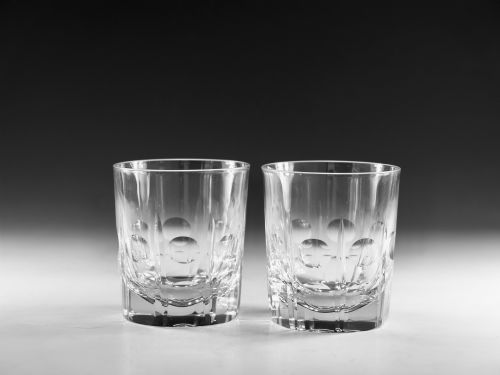
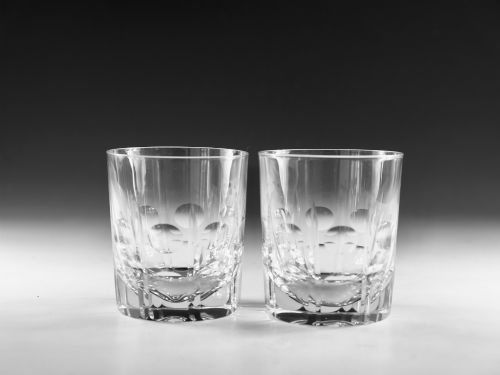
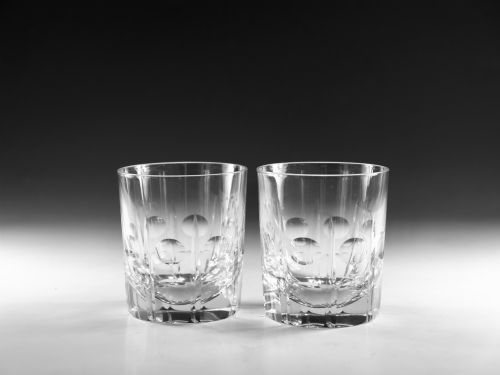
When searching for english crystal glasses, collectors encounter a diverse array of antique drinkware and vessels spanning the eighteenth, nineteenth, and early twentieth centuries. The selection ranges from formal Georgian wine glasses and ale flutes to nineteenth-century rummers, decanters, and Edwardian tumblers.
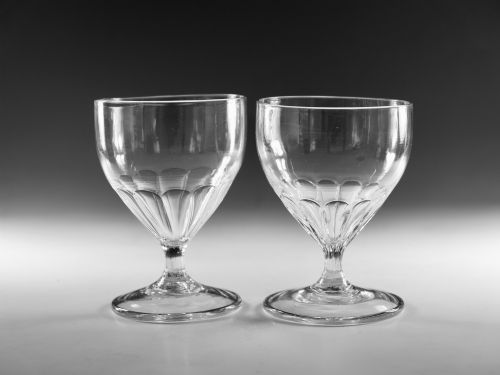
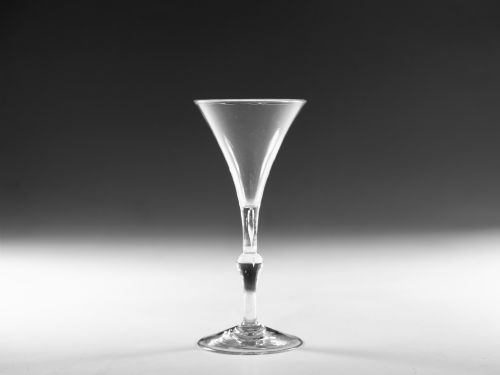
The version most frequently met on this page is the Georgian wine glass, often featuring air twists or opaque twists, alongside substantial Victorian rummers and decanters. These functional pieces served everything from daily toasts to ceremonial dining across successive British eras.
Originating primarily from English glasshouses, the forms encompass practical table items such as carafes and whiskey sets alongside decorative lustres and tazzas. Each piece reflects the social habits and manufacturing capabilities of its specific period, from the mid-eighteenth century onward.
Factors of Quality
Quality in these drinking vessels rests upon the purity and optical clarity of the metal, where heavier lead content yields superior resonance and light dispersion. Superior examples demonstrate uniform wall thickness and absence of internal striae or excessive bubbles in the glass.
The precision and depth of wheel-cutting or engraving dictate the visual merit of later pieces, distinguishing crisp facets from soft, rounded edges. On twist-stem drinking glasses, the regularity and symmetry of the internal air bubbles or opaque white enamel threads separate standard output from master craftsmanship.
Listings feature lead glass and clear glass objects spanning the 18th Century through the early 20th Century.
The English Crystal Glasses Glossary
- Lead glass
- A type of glass containing lead oxide, which increases the weight, refractive index, and working time for cutting.
- Air twist
- A stem formation containing elongated internal air spirals created during the drawing and twisting of the hot glass.
- Rummer
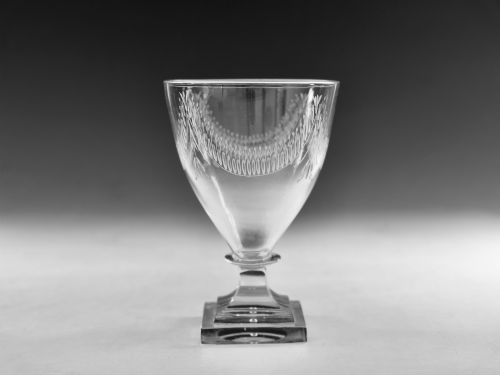
- A large, sturdy drinking glass popular in the eighteenth and nineteenth centuries, typically used for ale, wine, or punch.
- Pontil mark
- The rough scar left on the base of a blown glass vessel where the pontil rod was detached after shaping.
- Tazza
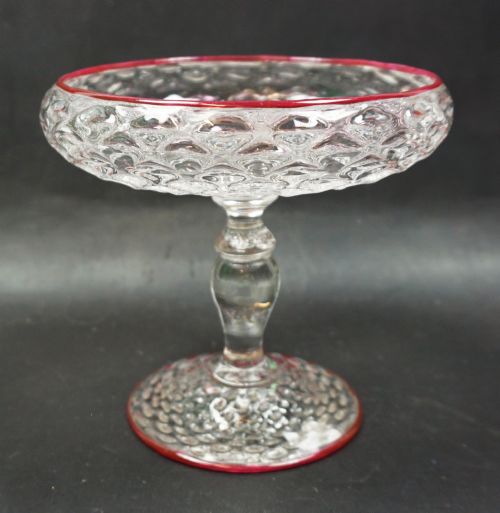
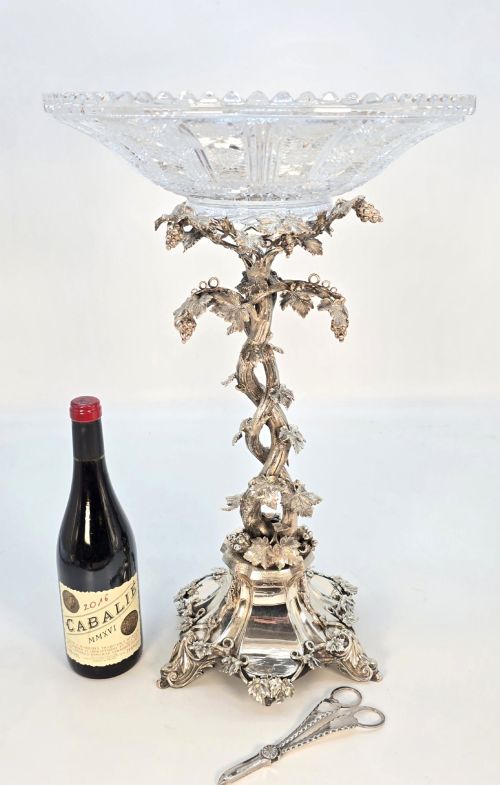
- An elevated, shallow cup or saucer-shaped vessel used on the table for serving fruit or sweetmeats.
English Crystal Glasses: Frequently Asked Questions
Are these glasses safe for daily use?
Many antique drinking vessels remain structurally sound for occasional dining or celebratory toasts. Take care with early lead glass if acidic liquids are left standing for long periods.
Examine the rim and base for any microscopic chips before use, as historic glass is more fragile than modern commercial equivalents.
What is an air twist stem?
An air twist is a decorative stem feature found on eighteenth-century drinking glasses, formed by trapping air inside the molten metal and drawing it into a spiral. This technique creates delicate internal channels that catch the light.
Such stems indicate traditional hand-manipulated manufacturing methods predating extensive mechanical pressing.
How do I date a decanter?
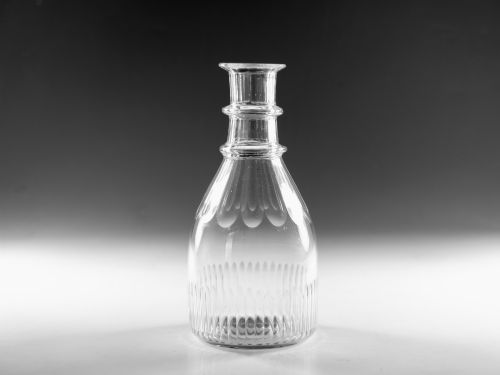
Dating relies on the shape of the body, the form of the neck rings, and the presence of a polished pontil mark on the base. Early examples often feature kick-up bases and hand-cut facets.
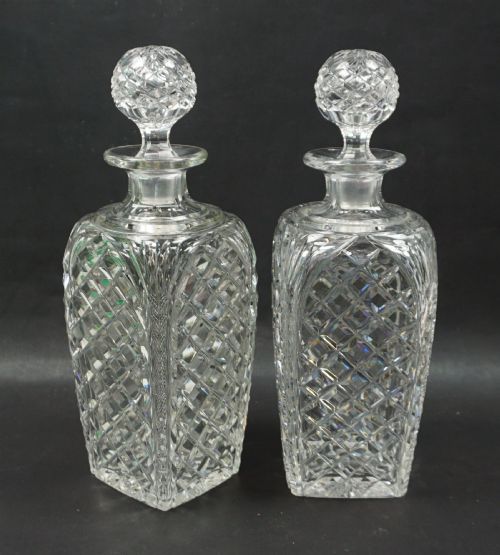
Compare the profile against standard historical forms, noting whether the stopper is original to the piece.