


English Countryside Scene Painting
An English countryside scene painting captures rural life and river landscapes across centuries of British pastoral art.
English Countryside Scene Painting
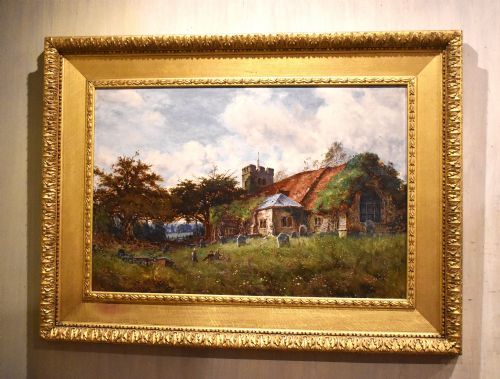
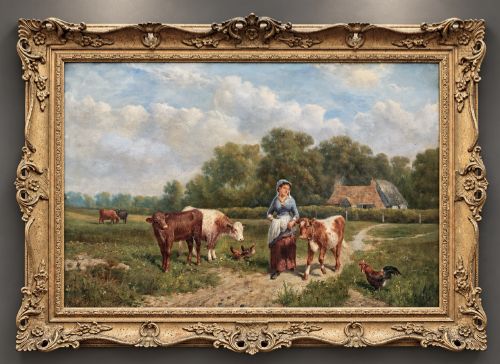
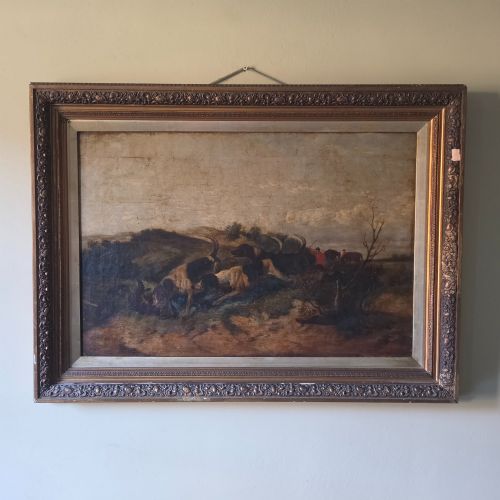
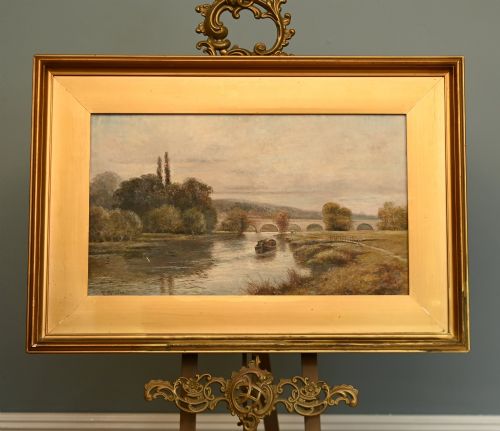
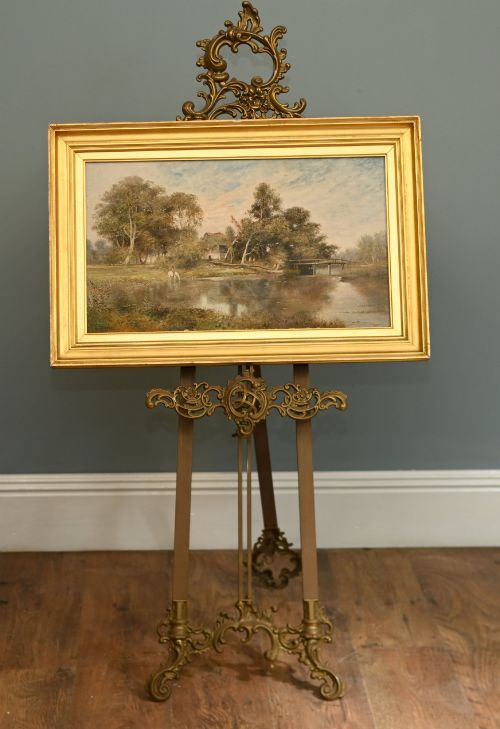
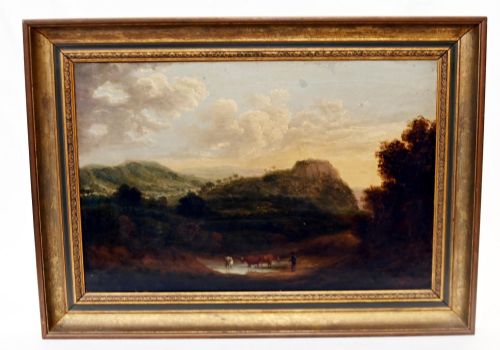
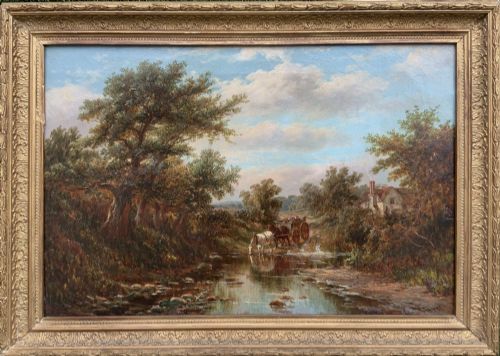
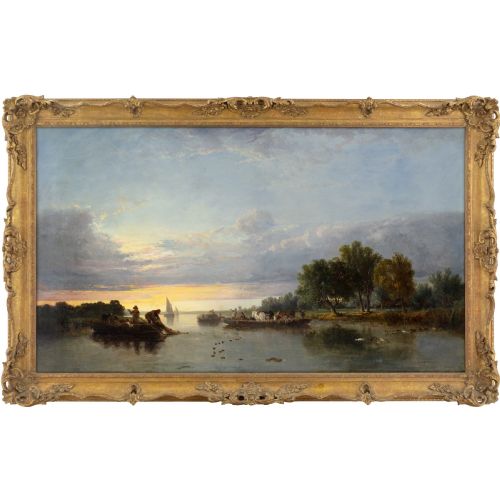
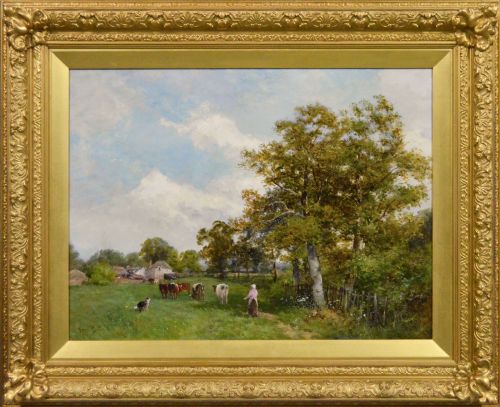
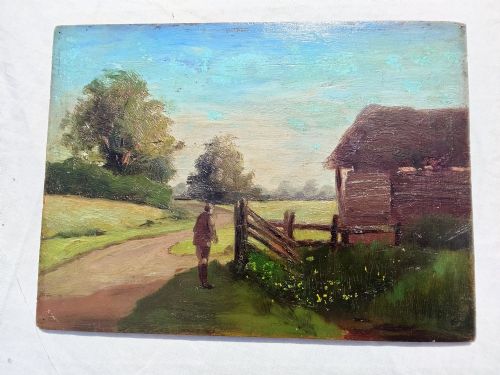
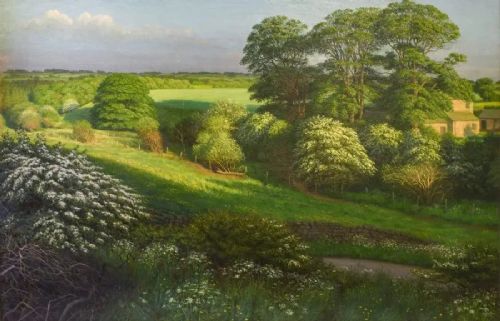
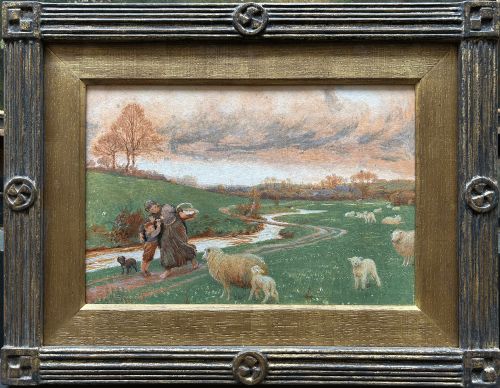
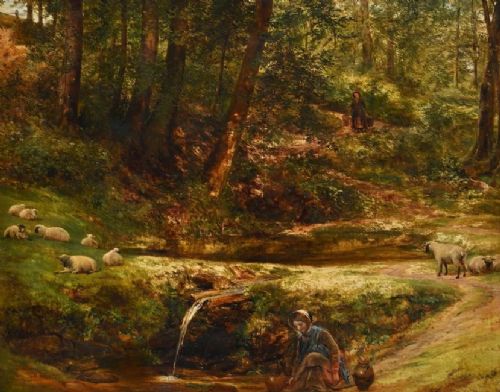
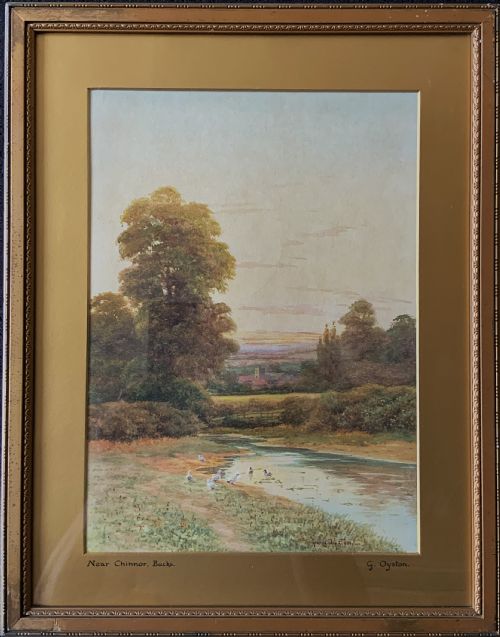
An English countryside scene painting portrays rural life, agricultural labour, and pastoral river views across British counties. The works range from 19th-century Victorian pastoral compositions to early 20th-century realism and Impressionist-influenced studies. Buyers encounter framed watercolours on paper alongside oils executed on canvas, panel, and wooden board.
Rural cottages, farmsteads, and herdsmen tending livestock recur as principal subjects within the regional landscapes represented. Pieces frequently document specific locales from Worcestershire to Yorkshire, capturing seasonal harvests and riverside tranquility. Works span the Georgian era through the 1930s, reflecting changing approaches to naturalism in British art.
How they were made
Artists worked primarily with oil paint on stretched canvas or wooden panel, building rich layers to render atmospheric light and foliage. Alternatively, watercolour paint on paper was utilised for lighter, more luminous rural studies.
Works are frequently housed in period gilt wood frames that complement the tonal palette of the pastoral subject matter.
Several canvases faithfully record the exact moment two boys spent fishing under willow trees.
What varies in quality
Quality rests upon the artist's command of light, brushwork precision, and the atmospheric depth achieved within the landscape. Finer pieces demonstrate careful observation of natural seasonal colour and confident handling of figures and livestock.
The sophistication of composition and the preservation of the original painted surface distinguish superior examples from standard regional works.
George Graham·Frederick Marriott·David Bates·Raymond Booth·Frederick Walker·Richard Redgrave·George Oyston·Florence Adelina Hess·Hubert Wellington·Herbert Royle·John Sanderson Wells·James William Booth·Frederick Septimus Lewis·J Phipps·MC Hider·Robert John Hammond·William Greaves·Robert Thorne Waite·Charles Vickers·Henry Bailey·John Linnell·Robert Finley McIntyre·Charles Faulkner·Robert Winchester Fraser·Benjamin Williams Leader
The English Countryside Scene Painting Glossary
- Oil on canvas
- Pigment suspended in drying oil applied to a woven fabric support stretched over a wooden frame. This method allows for thick impasto and deep tonal blending.
- Watercolour
- Paint consisting of water-soluble pigment applied to paper to create translucent washes. Artists utilised this medium to capture soft light in rural watercolours.
- English School
- A designation for artists trained or working within the British artistic tradition rather than a formal academy. The term encompasses generations of landscape painters recording the countryside.
- Victorian Pastoral
- A 19th-century artistic genre idealising rural existence, agricultural labour, and bucolic scenery. These works emphasise harmonious interaction between people and the natural environment.
English Countryside Scene Painting: Frequently Asked Questions
What periods do these paintings cover?
The works span from the early 19th century through the Victorian and Edwardian periods into the 1930s and 1940s. Many pieces date from the height of British landscape painting in the late 1800s.
Examples incorporate styles ranging from early academic school painting to British Impressionism and 20th-century realism.
What mediums were used by the artists?
Artists utilised oil paint on canvas, wooden panels, and boards to achieve rich textures and deep atmospheric effects. Watercolours on paper were also common for luminous rural studies.
Paintings are frequently presented in their original period gilt wood frames.
How should I display an antique painting?
Hang paintings away from direct sunlight and excessive humidity to protect the canvas, paper, and pigment layers over time. Ensure the wall fixings securely support the weight of the frame.
Pairing the artwork with traditional lighting enhances the tonal qualities of the rural landscape.