
English Countryside Artwork Painting
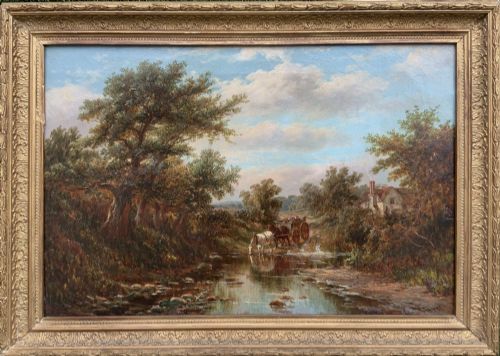
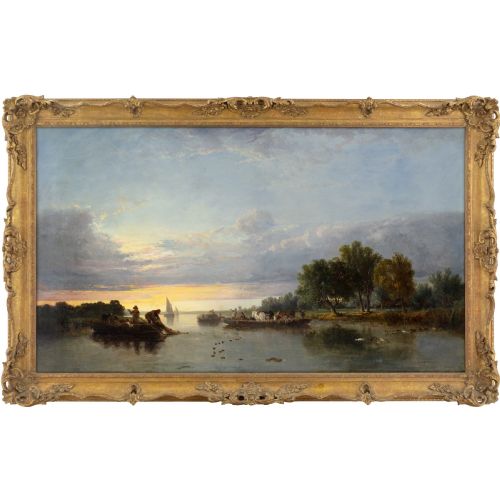
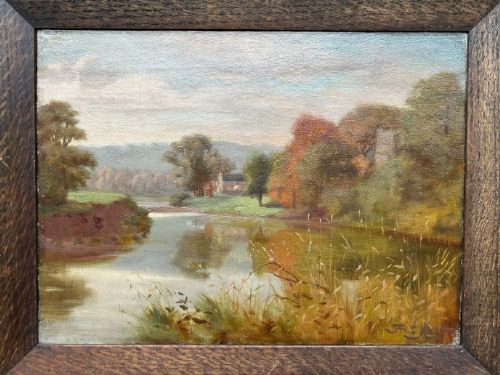
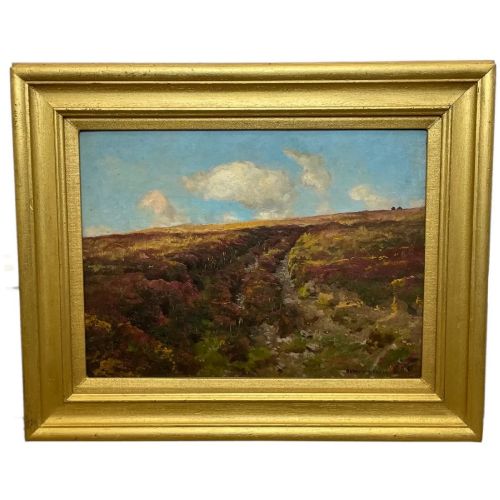
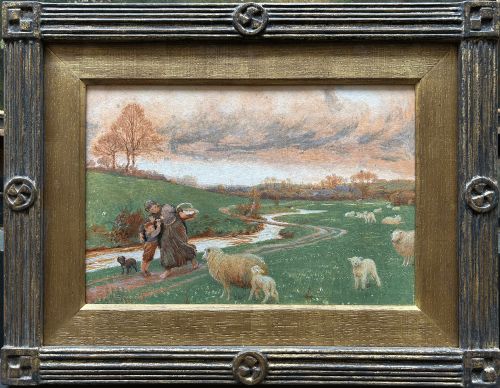
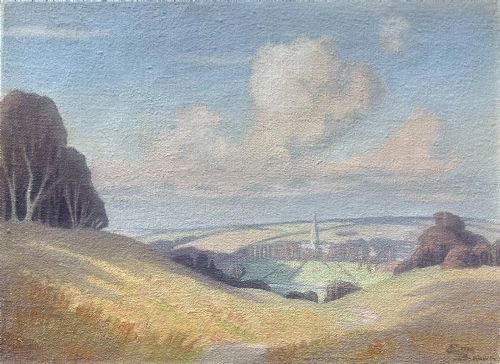
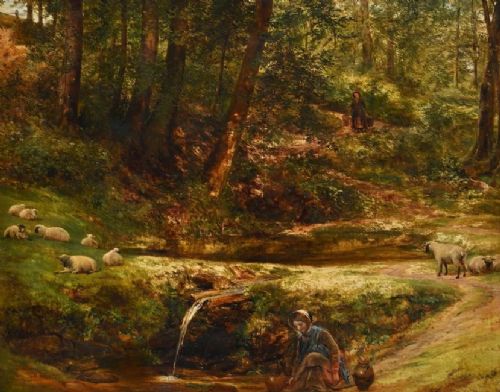
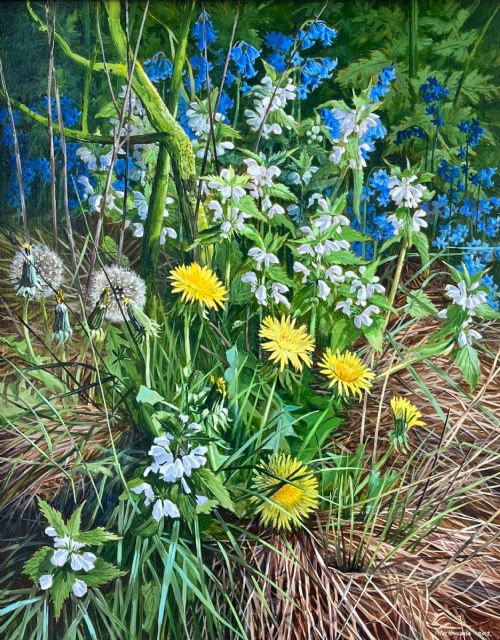
When you search for english countryside artwork painting, you find framed original views of pastures, rivers, and rural life.
English Countryside Artwork Painting
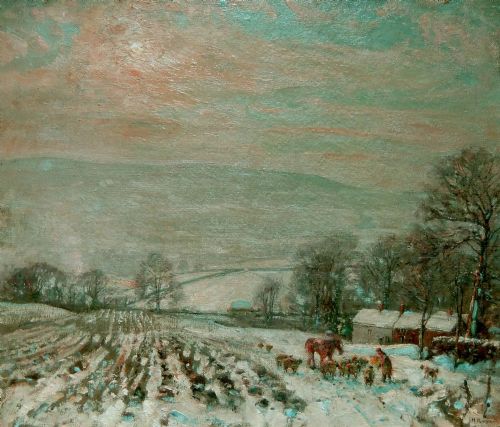
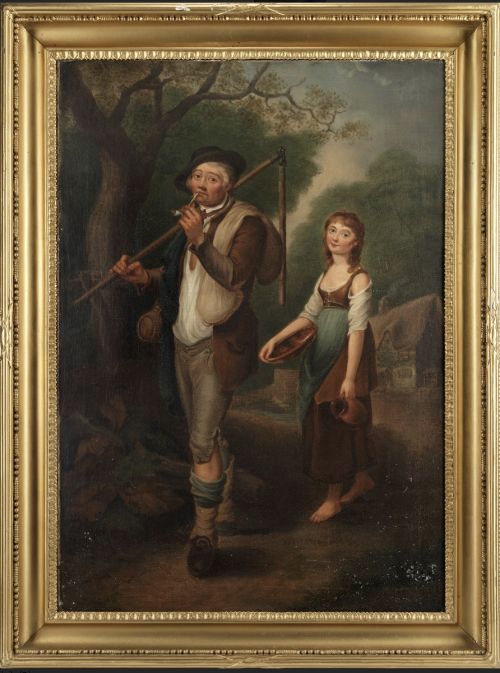
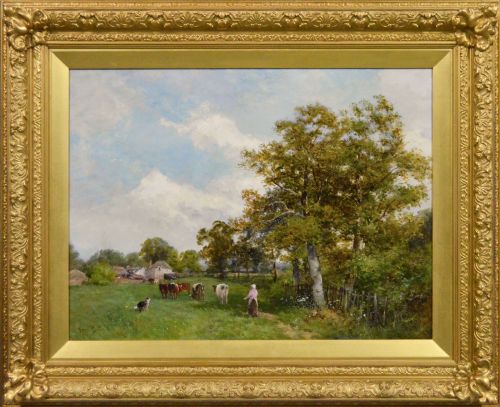
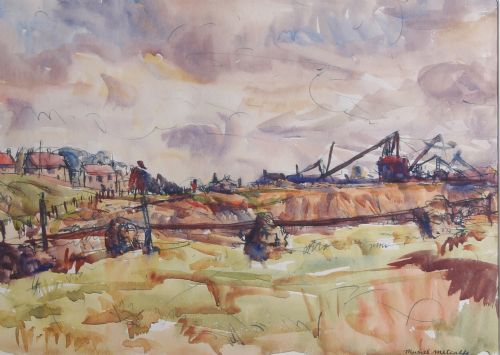
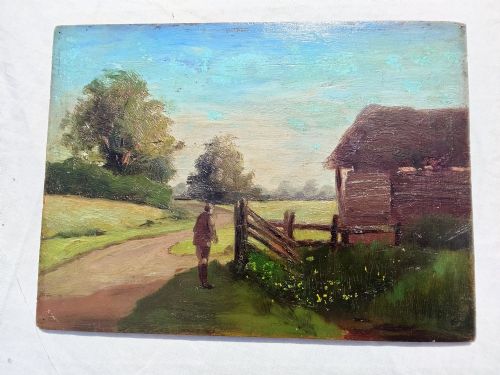
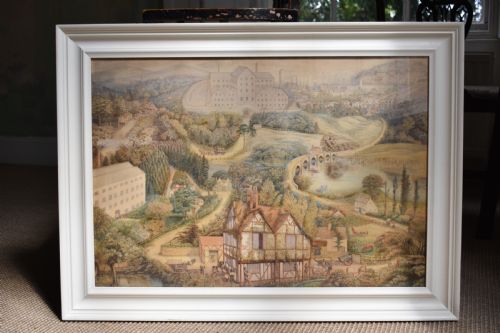
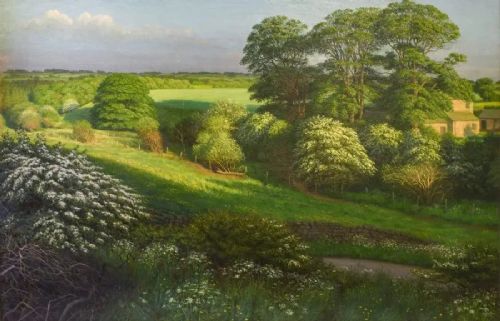
An english countryside artwork painting captures rural scenes across Britain, ranging from quiet river banks and farmyards to open moorlands. You will encounter original oils and watercolours depicting daily country life, agricultural work, and local villages.
The selections span from the nineteenth century through the mid twentieth century, reflecting shifting artistic interpretations of the natural world. Victorian pastoral scenes share space with later modernist and impressionist depictions of regional topography.
Most examples come framed, often in period wood or gilded surrounds that complement the palette of the canvas or paper. Subjects frequently highlight specific local geographies, from Yorkshire river valleys to southern chalk downs.
How they were made
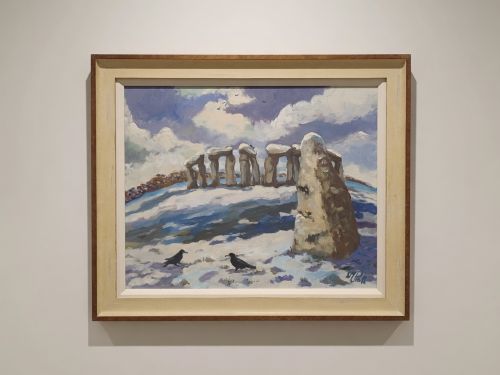
Painters applied oil and watercolour pigments to prepared canvas, wooden panels, heavy paper, or card. Canvas surfaces typically display varied brushwork, from smooth academic blending to thick impasto applied with a palette knife.
Watercolour works utilise washes and fine line work on paper, capturing light through the reflective quality of the white ground beneath. Support materials range from stretched linen to sturdy wooden boards, framed behind glass where paper is the primary medium.
Listings span the nineteenth and twentieth centuries, employing canvas, wood panel, and paper as primary supports for oil and watercolour.
What varies in quality
Compositional strength and atmospheric depth separate accomplished works from routine topographical records. The finest pieces demonstrate a confident handling of natural light, shadow, and seasonal weather conditions.
The integrity of the original support and the stability of the pigment layer influence long term preservation. Works retaining their period frames and clear artist signatures generally command stronger interest among collectors.
Frederick Marriott·Arthur Wardle·Herbert Royle·David Bates·Muriel Metcalfe·Lucy Pratt·Frederick Walker·Eric Brown·Richard Redgrave·Peter Newcombe·George Oyston·Russell Sidney Reeves·Florence Adelina Hess·Hubert Wellington·Alfred George Morgan·Edgar Woollatt·Joseph Edward Hennah·Charles Walter Simpson·Charles Gregory·Helen Layfield Bradley·Henry Charles Fox·Cuthbert Crossley·John Sanderson Wells·Reginald Grange Brundrit·Arthur Tucker
The English Countryside Artwork Painting Glossary
- Oil on canvas
- Pigment suspended in drying oil applied to a woven fabric support stretched over a wooden frame. This medium allows for rich colour blending and textured brush marks.
- Watercolour
- Pigments ground in a water-soluble binder applied to paper. It creates luminous, transparent washes that capture changing daylight.
- Impasto
- Paint applied thickly to a canvas or panel so that the brush or palette knife marks stand visibly proud of the surface. This technique adds tactile depth to rural textures.
- British Impressionism
- A painting style emerging in the late nineteenth and early twentieth centuries focusing on loose brushwork and open air effects. Artists sought to capture transient moments of light in rural settings.
- Pastoral
- Artistic subject matter concerning the rural life of shepherds, farmers, and agricultural workers. These scenes present an idealized or traditional view of the countryside.
English Countryside Artwork Painting: Frequently Asked Questions
How do I date an antique landscape painting?
Examine the materials of the canvas, stretcher frames, and paper backing alongside any visible artist signatures or inscriptions. Stylistic clues within the clothing of figures or agricultural methods depicted also provide chronological context.
Period framing often offers supplementary evidence, though many works were reframed later in their history. Comparing signatures against artist registries helps narrow the active period of creation.
What is the difference between oil and watercolour paintings?
Oil paintings utilise pigment bound in drying oil on canvas or wood panels, allowing for heavy layering, rich textures, and deep colour saturation. Watercolours employ water-soluble pigments on paper, producing luminous and transparent effects.
Oils generally require sturdy stretching frames and lack the need for protective glass. Watercolours are sensitive to light and moisture, requiring framing behind glass to preserve the paper support.
Where should I hang a rural landscape artwork?
Select an interior wall with stable temperature and humidity away from direct sunlight to protect pigments and paper from fading. Placing pieces at eye level in living areas or studies allows the detailed brushwork to be appreciated.
Ensure the selected wall space accommodates the scale of the original frame without crowding adjacent furniture or decorative objects.
How do regional British art schools influence these pieces?
Regional schools reflect the distinct topography, light, and artistic traditions of specific areas like Yorkshire, the West Country, or the Home Counties. Local painters often developed shared palettes and techniques influenced by regional sketching clubs and teaching academies.
Recognising these geographical ties helps connect anonymous or lesser known rural views to specific artistic communities of the nineteenth and twentieth centuries.