

English Country Wooden Stools
English country wooden stools are honest vernacular seats fashioned from native timbers that bring warmth and practicality to any interior.
English Country Wooden Stools
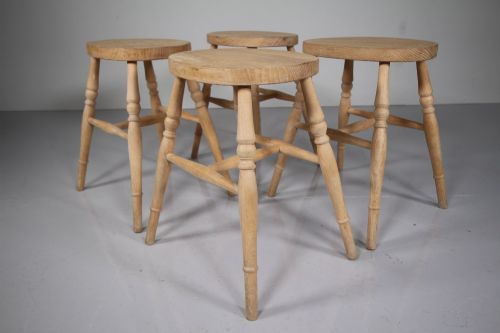
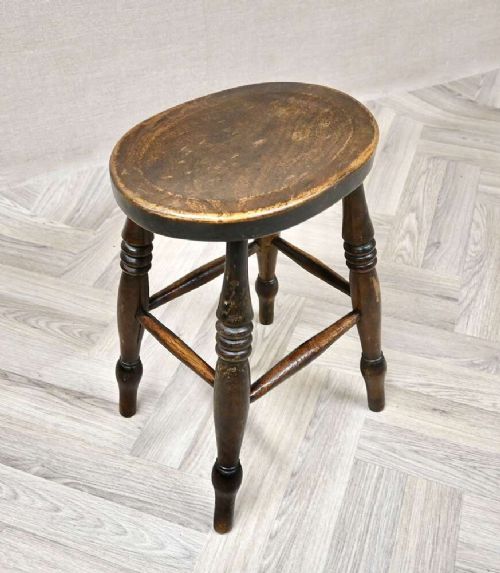
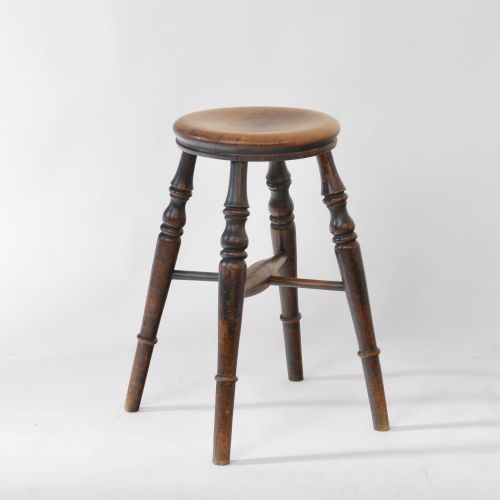
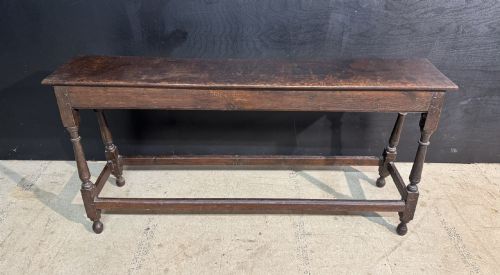
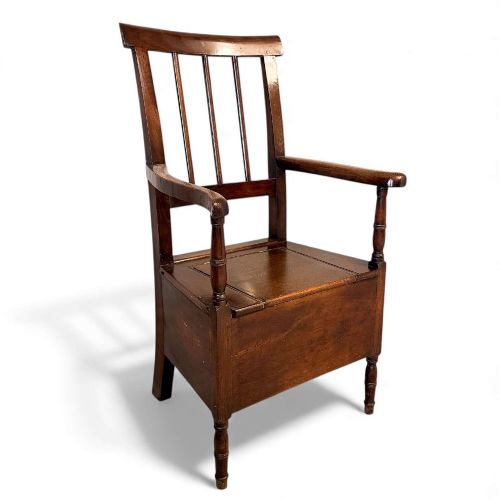
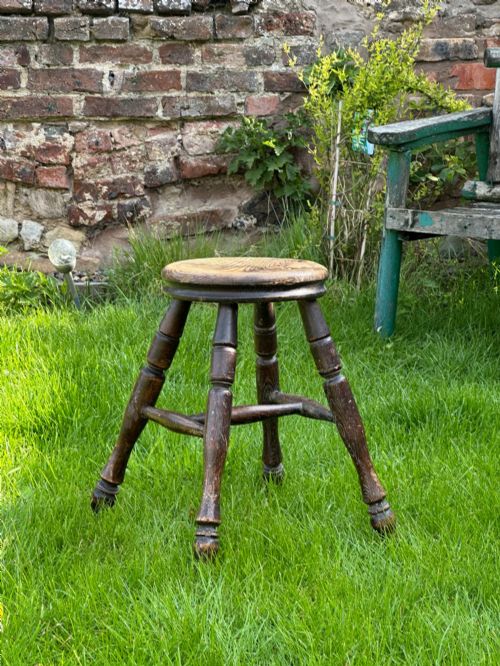
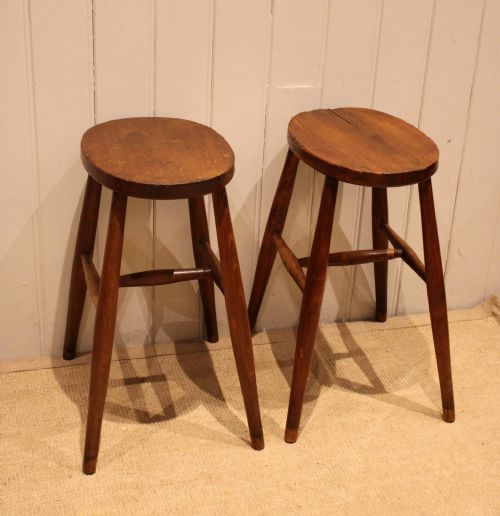
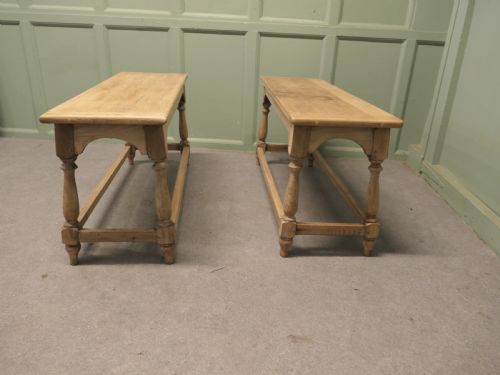
English country wooden stools encompass a range of domestic utility seating, from sturdy joint stools to Windsor forms and low tavern seats. Buyers searching for english country wooden stools encounter pieces spanning the eighteenth century through to the early twentieth century.
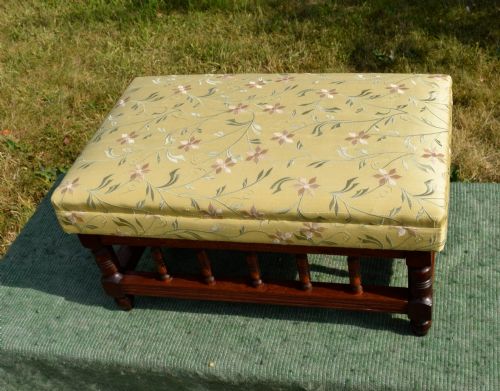
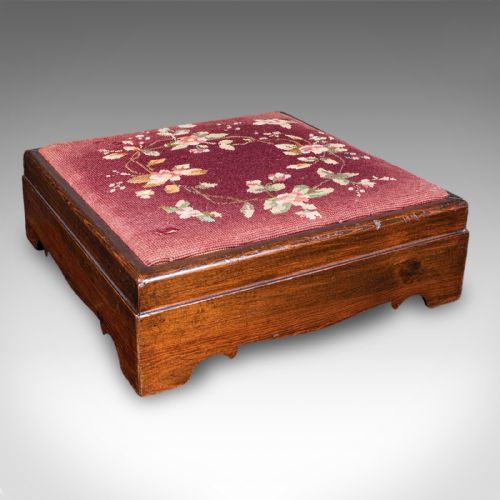
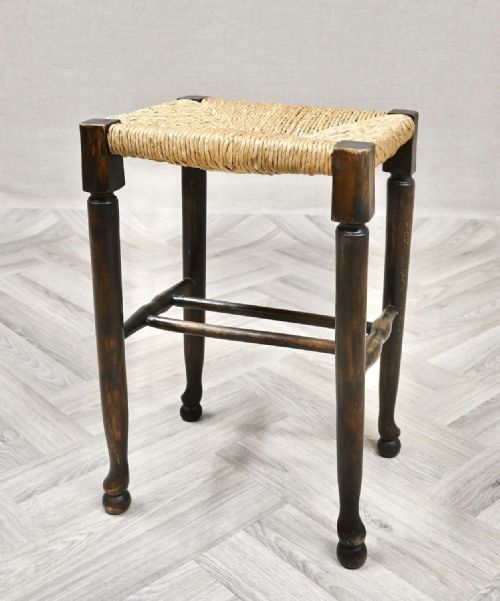
The selection here includes simple elm and oak variants alongside refined mahogany and yew wood examples. Common formats on this page range from low provincial three-legged stools to joint stools and upholstered footstools.
Many items reflect domestic or provincial tavern use, utilising native hardwoods shaped by local turners and joiners. These utilitarian objects served everyday household and commercial needs across generations.
Materials and construction methods
Carpenters utilised native British hardwoods such as oak, elm, ash, and yew wood, often combining timbers within a single piece like an elm seat on ash legs. These woods provided the density and resilience required for daily domestic hardship.
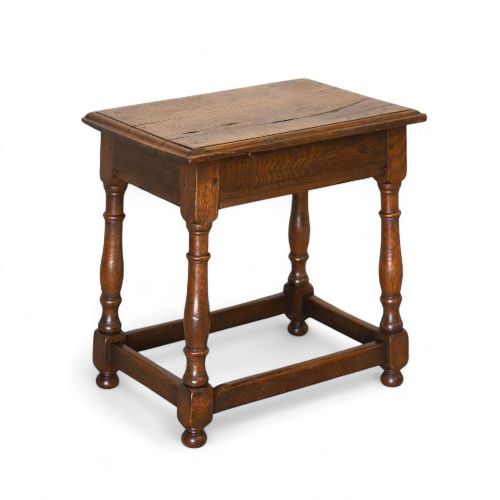
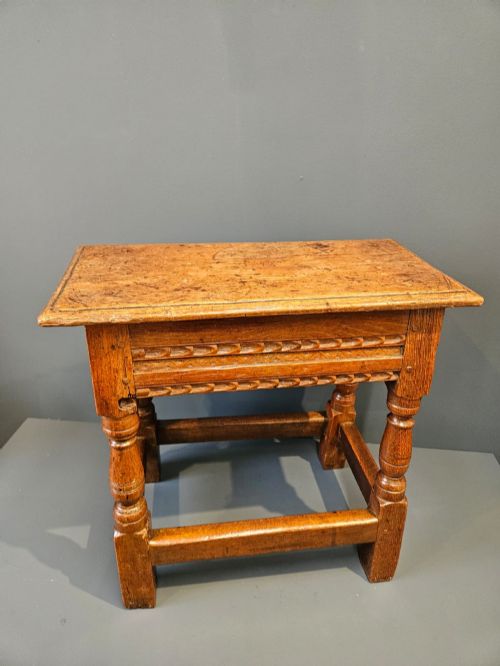
Traditional joinery relies upon pegged construction, mortise and tenon joints, and Windsor stick-built techniques where legs are wedged directly into bored seat planks. This robust assembly ensures enduring stability without the reliance on metal fixings.
Listings feature items spanning multiple eras, including Georgian, Victorian, and Edwardian periods, constructed in oak, elm, yew wood, and mahogany.
Markers of quality and execution
Quality rests upon the selection of timber, particularly the presence of rich grain figures in yew wood, burr walnut, or quarter-sawn oak. Superior examples display thoughtful proportions and harmonious turning on legs and stretchers rather than plain utility framing.
The integrity of the construction distinguishes finer pieces, seen in tight pegged joints and minimal replacement timber over centuries of use. Patina and depth of colour developed through years of polish and wear further elevate the standing of a stool.
The English Country Wooden Stools Glossary
- Joint stool
- A sturdy wooden seat constructed with mortise and tenon joints pegged together, common in the seventeenth and eighteenth centuries. These pieces were primarily used for sitting or as small side tables.
- Windsor stool
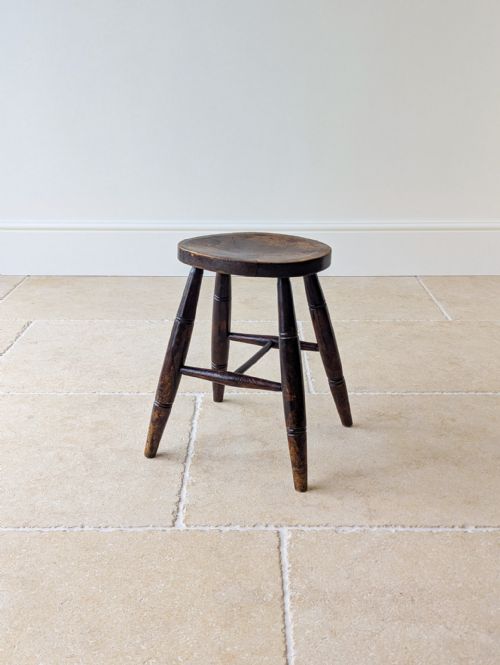
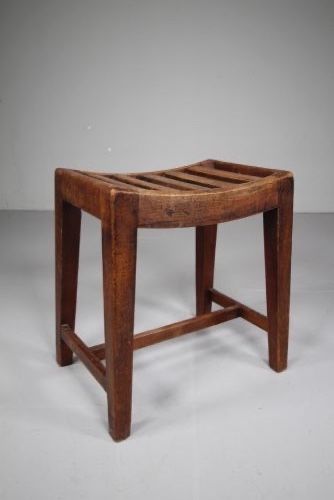
- A seat featuring turned legs and spindles wedged directly into a solid carved wooden saddle-shaped seat. This technique borrows from traditional Windsor chair making.
- Treen
- Small handmade wooden items of domestic utility, which can include miniature stands and candle stools associated with provincial workshops. These objects often display considerable lathe-turning skill.
- Pegged construction
- A method of securing joints using wooden dowels rather than metal nails or screws. This allows the timber to expand and contract naturally with seasonal humidity changes.
English Country Wooden Stools: Frequently Asked Questions
What are English country wooden stools?
These are utilitarian vernacular seats made from native British timbers such as oak, elm, and yew wood by regional craftsmen.
They include robust joint stools, Windsor-style seats, and low tavern stools designed for practical everyday use in homes and public houses.
How were these stools used historically?
People used them primarily for seating around hearths, dining tables, and in provincial taverns where durable furniture was essential.
Smaller formats also functioned as candle stands, step aids, or footstools to keep feet elevated above cold draughty floors.
How do I care for wooden country stools?
Keep them away from direct heat sources and sudden temperature shifts to prevent the solid timber from splitting or warping.
Feed the wood periodically with appropriate natural wax to maintain the surface sheen and nourish dry historic fibres.
How can I tell the period of a stool?
Examine the tool marks, timber choice, and construction methods, as earlier pieces often show hand-adzed surfaces and pegged joinery.
Stylistic shifts from seventeenth-century joint framing to eighteenth-century cabriole legs or nineteenth-century Windsor turnings help date each piece.