

English Country Wood
English country wood brings vernacular warmth to an interior through honest timber forms shaped across the eighteenth and nineteenth centuries.
English Country Wood
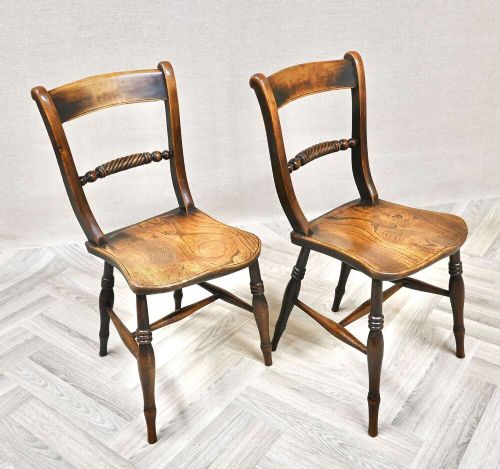
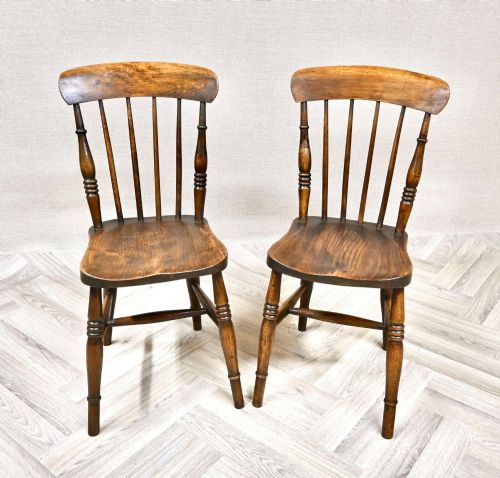
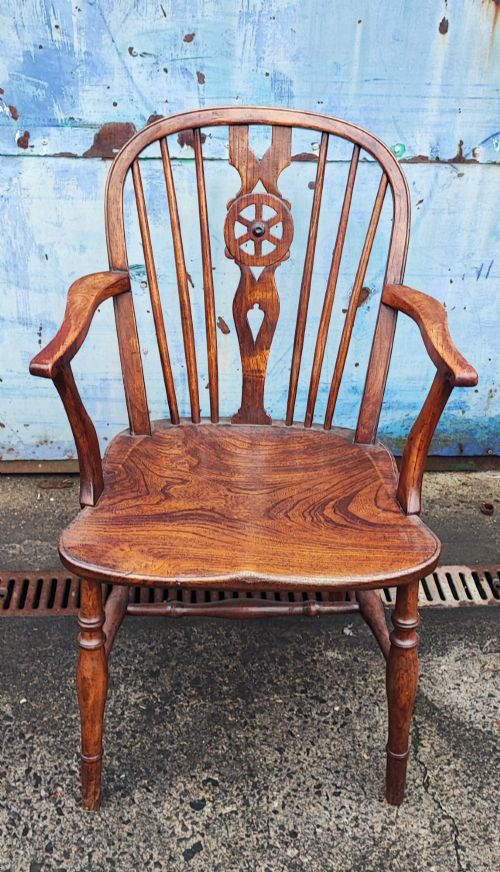
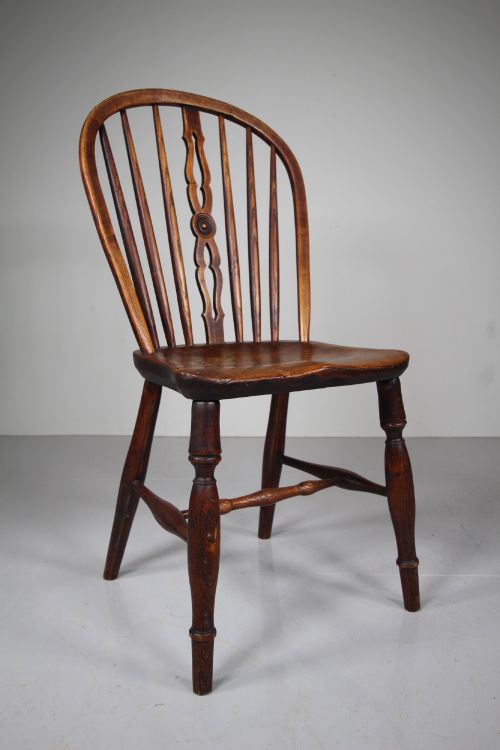
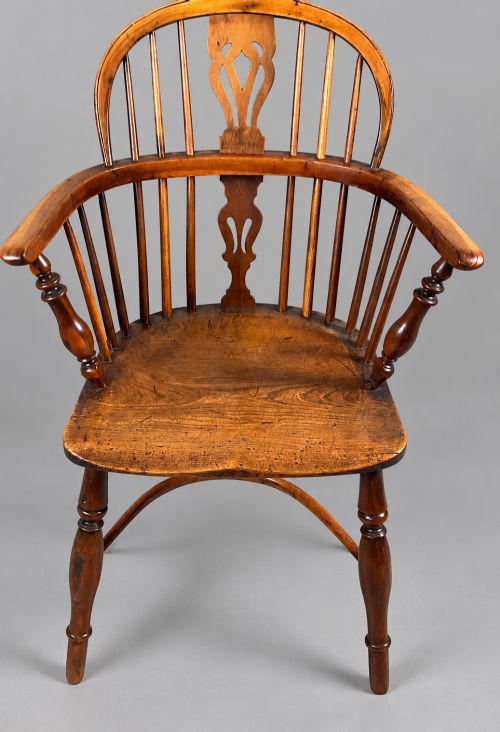
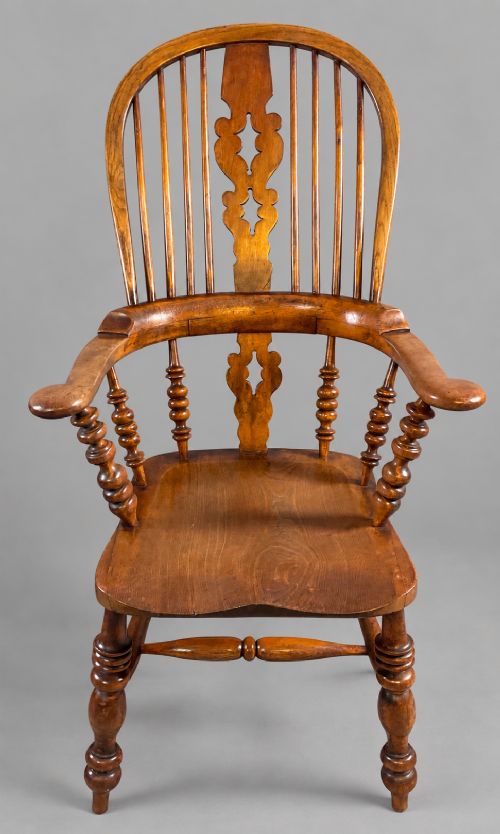
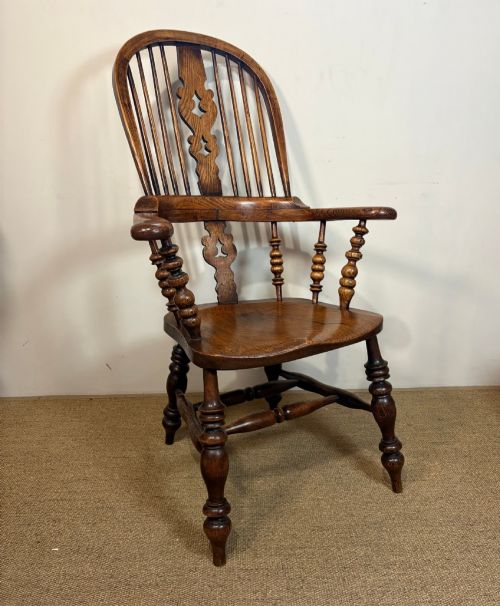
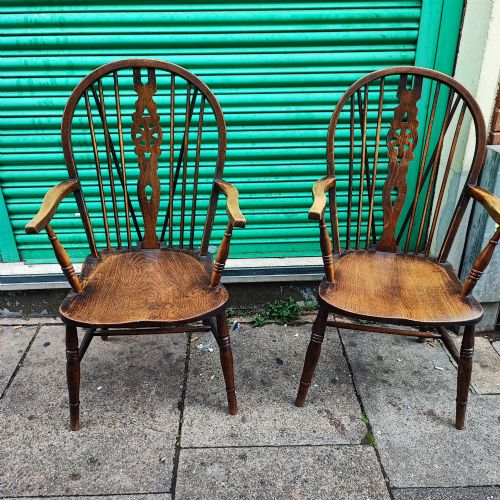
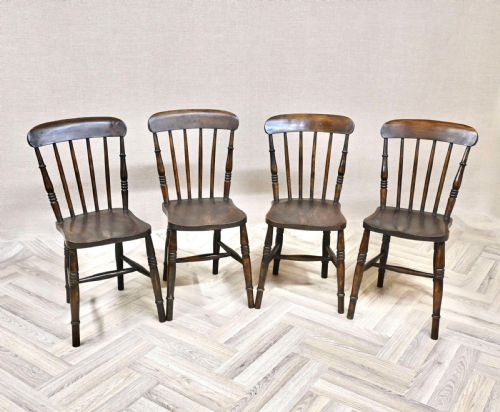
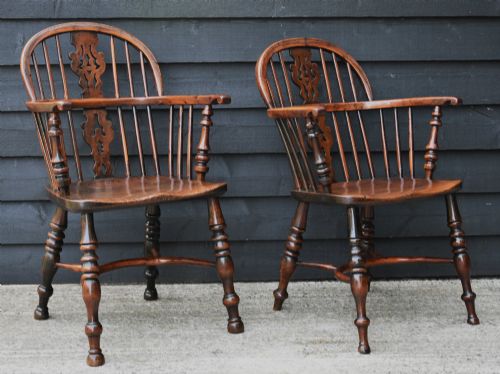
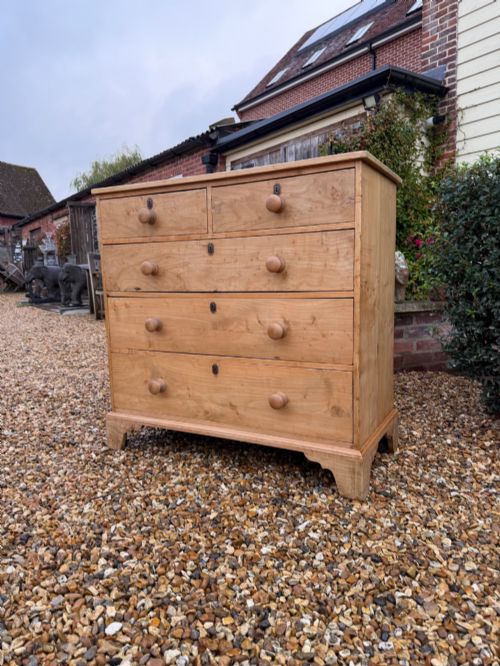
When you search for english country wood, you encounter robust domestic furniture shaped by regional makers rather than metropolitan workshops. The pieces span centuries from the Georgian era through the Victorian period and Edwardian years, taking the form of Windsor armchairs, oak cricket tables, side tables, chests of drawers, and dining sets.
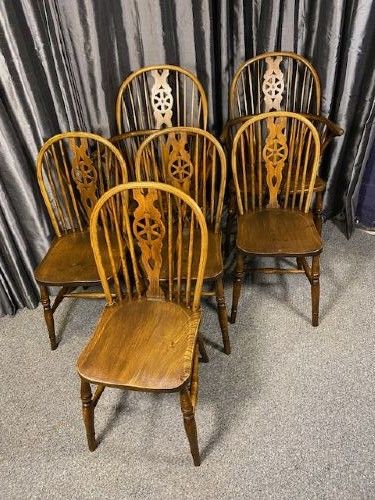
You are most likely to meet Windsor chairs in combinations of yew, elm, ash, and beech, alongside simple dining tables and pub stools. These items served functional roles in farmhouses, cottages, and taverns, prioritising utility and sturdy construction over courtly decoration.
Materials and construction
Maker-joiners selected timber according to structural demand, pairing dense yew or elm for seats with flexible ash or beech for spindles and legs. Cricket tables and dressers relied on solid oak planks joined simply with pegs and mortise joints.
Turned components like bobbin legs or ropetwist stretchers added modest detail to otherwise utilitarian frames. Surface finishes relied on natural oils and wax built up through generations of daily use, developing a deep tactile patina.
English Country Wood Retail Price Guide 2026
Typical asking prices for english country wood among the pieces listed under this phrase on Sellingantiques today, from the lower quarter to the upper quarter. They describe what is for sale here now, not the wider market.
Many tavern stools bear the slight, polished indentations of patrons who sat a little too long over their ale.
Distinctions in quality
Quality rests in the integrity of the timber selection and the retention of original surface patination rather than elaborate carving. Pieces that maintain their structural tightness without excessive timber replacement hold greater merit.
Proportion and regional idiosyncrasies define the upper tier, such as comb backs on Windsors or well-figured grain in yew wood seats. Lower tiers often show heavy restoration or mismatched components assembled from disparate sources.
Gabbitass of Worksop
The English Country Wood Glossary
- Windsor chair
- A wooden chair built with a heavy solid seat into which the legs and back spindles are separately bored. This form dominates regional English seating traditions.
- Cricket table
- A small three-legged occasional table with a round wooden top. The triangular base design provided stability on uneven flagstone floors.
- Carver
- An armchair designed to match a set of dining chairs, typically placed at the head of a table. These pieces often duplicate the turned details of the smaller side chairs.
- Patina
- The surface sheen and colour acquired by wood through decades of handling, polishing, and oxidation. A good patina indicates untouched age.
- Spindle back
- A chair back constructed from multiple thin vertical wooden rods turned on a lathe. These members support the sitter while keeping the furniture light.
English Country Wood: Frequently Asked Questions
How do I identify a Thames Valley Windsor chair?
Thames Valley Windsors are typically distinguished by their use of yew wood, distinctively shaped splats, and robust wheel or comb back designs. These regional pieces often display superior wood figuring in the seat.
Makers in this area utilised local timber resources, combining elm seats with yew bows and ash spindles to achieve both strength and visual grace.
Are cricket tables stable on modern floors?
A traditional cricket table relies on three splayed legs, which naturally find purchase even on uneven historical flooring. Their low centre of gravity prevents tipping during daily use.
When placing one in a modern interior, the three-point contact remains remarkably steady compared to four-legged variants.
What wood types were most commonly used?
Makers relied on native hardwoods such as elm, ash, beech, oak, and yew. Each timber served a specific structural purpose within the construction of chairs and tables.
Elm provided crack-resistant solid seats, while ash supplied the necessary bendable strength for steam-bent chair bows.
How should I care for antique country wood?
Maintain these pieces by applying a modest coat of natural beeswax periodically to nourish the dry timber. Avoid placing them near direct heat sources or strong sunlight.
Gentle dusting with a soft cloth preserves the historic surface without stripping away the accumulated patina of the wood.