


English Country Wall Mirror
An english country wall mirror brings warmth and depth to a room through traditional craftsmanship and time-softened glass.
English Country Wall Mirror
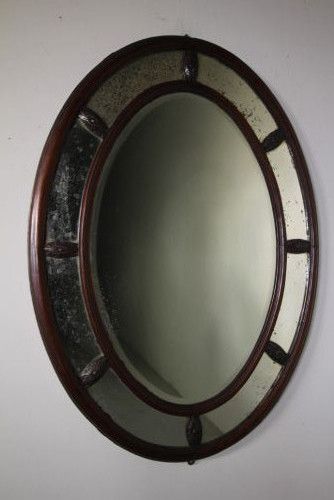
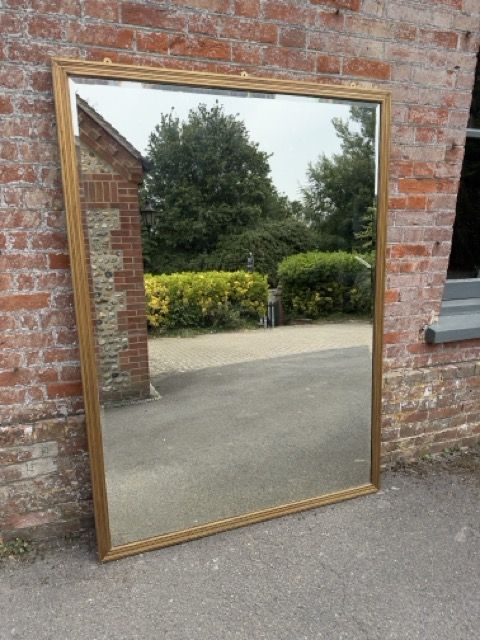
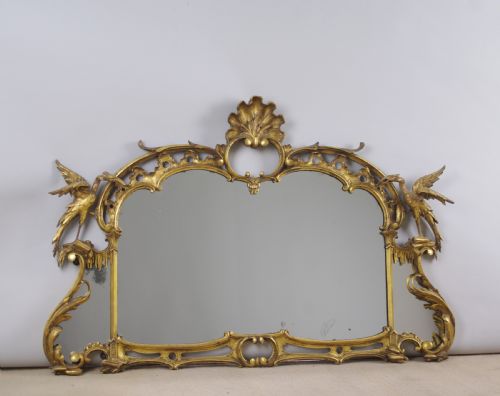
An english country wall mirror takes several distinct forms, most commonly appearing as substantial overmantle mirrors or large wall-hanging pieces designed for traditional interiors. These items span the nineteenth century, including Georgian and Victorian periods, reflecting the evolving domestic tastes of English homes.
The most frequent examples found here are large painted, carved wood, and giltwood pieces featuring shaped tops and original mirror plates. They bring a sense of historic proportion and character to domestic spaces without feeling overly formal.
Materials and construction methods
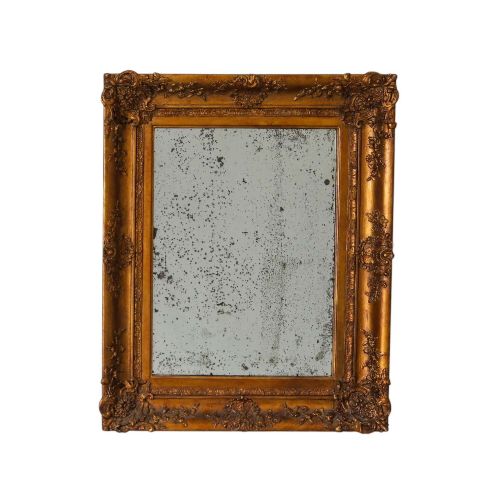
Makers shaped these frames primarily from solid wood such as mahogany and oak, often applying layers of gesso to build up intricate relief decoration before finishing with paint or gold leaf. This combination of carved wood and gesso allowed craftsmen to achieve crisp architectural details and flowing curves along the frame.
Mirrors from this era frequently retain their original glass plates, which develop distinctive foxing over decades of exposure to the elements. The interaction between the painted or gilded wooden surface and the aged glass plate defines the visual weight of each piece.
Current listings showcase nineteenth-century English mirrors spanning the Georgian and Victorian eras, utilising materials including carved wood, gesso, paint, and gold leaf.
Assessing quality in antique mirrors
The distinction between standard examples and finer pieces rests in the depth of the carving and the integrity of the surface finish. Superior mirrors display crisp, hand-carved details in the wood and gesso rather than simplified moulding, showing the maker's confidence with the chisel.
The survival of original gilding, paint, and glass plates significantly elevates a piece. When the finish shows honest patination without modern intervention, the historical character remains intact.
The English Country Wall Mirror Glossary
- Gesso
- A plaster-based mixture applied to wood frames to create a smooth surface for carving or gilding. It allows for crisp ornamental details.
- Giltwood
- Timber coated with thin layers of gold leaf. This finish catches the light and adds a warm glow to interior spaces.
- Foxing
- Age-related spots and discoloration within the mirror plate. This natural oxidation process confirms the antiquity of the glass.
- Overmantle
- A large mirror designed to hang directly above a fireplace mantelpiece. These pieces often anchor the proportions of a reception room.
English Country Wall Mirror: Frequently Asked Questions
How do I hang a heavy mirror?
Large nineteenth-century mirrors possess significant weight due to their dense wooden frames and thick glass plates. Secure fixings into structural wall studs are essential for safe installation.
Professional mirror hangers utilise heavy-duty brackets distributed evenly across the frame to support the load securely.
What is foxed glass?
Foxed glass refers to the natural breakdown of the silver backing behind the mirror plate over many decades. This oxidation creates dark spots and soft patches across the reflection.
Collectors prize foxed plates because they prove the glass is original to the nineteenth-century frame.
Are these mirrors cleaned easily?
Maintenance requires gentle dusting with a dry, soft cloth to protect fragile gilt and painted surfaces. Moisture can damage both the aged wood and the historic silvering behind the glass.
Glass cleaner should be applied sparingly to a cloth rather than sprayed directly onto the mirror to prevent seepage.
How do I date an antique mirror?
Dating relies on examining the construction techniques of the wooden frame, the style of the carving, and the composition of the glass. Georgian and Victorian pieces exhibit distinct design motifs associated with their specific eras.
Backboards, fixings, and the character of the gesso also provide reliable clues to the period of manufacture.