





English Country Pine Dresser
An english country pine dresser brings honest utility and warm grain to an interior, combining open display shelves or heavy storage bases with provincial character.
English Country Pine Dresser
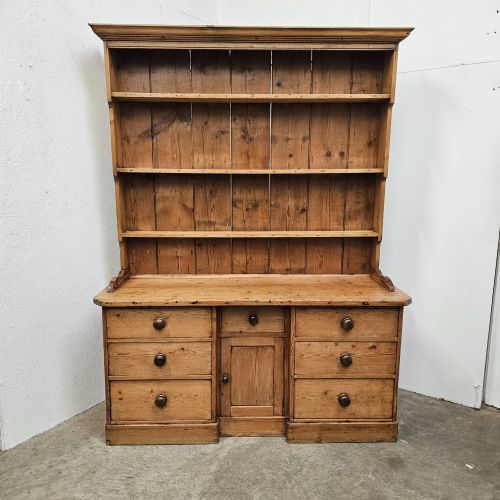
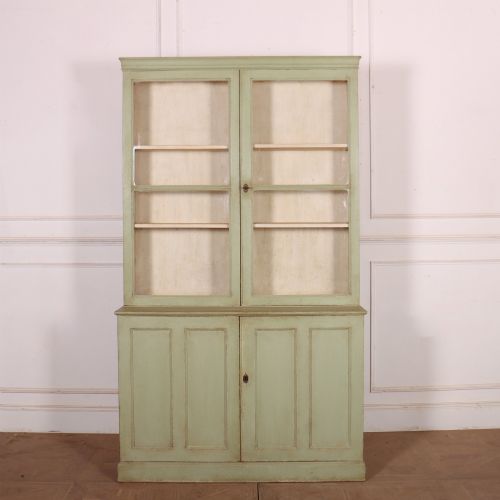
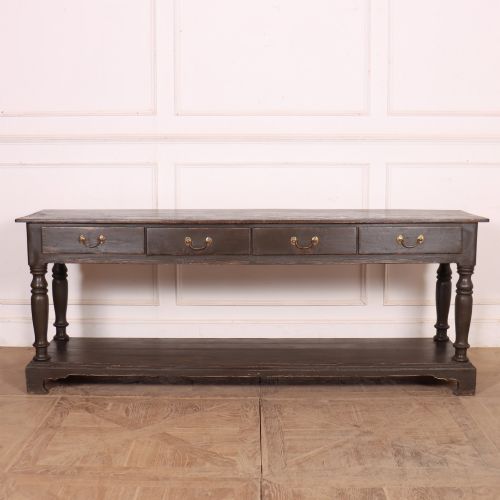
An english country pine dresser spans robust kitchen dressers, open potboard bases, and large serving tables designed for provincial utility. Pieces range from grand eighteenth-century examples to smaller nineteenth-century and Victorian variants.
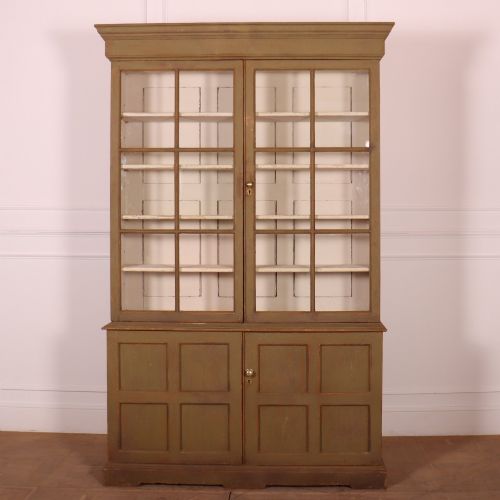
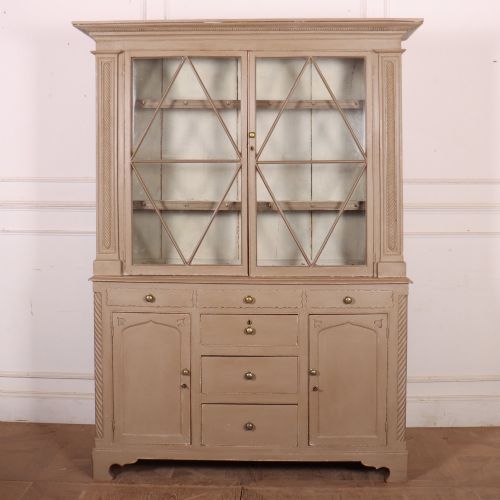
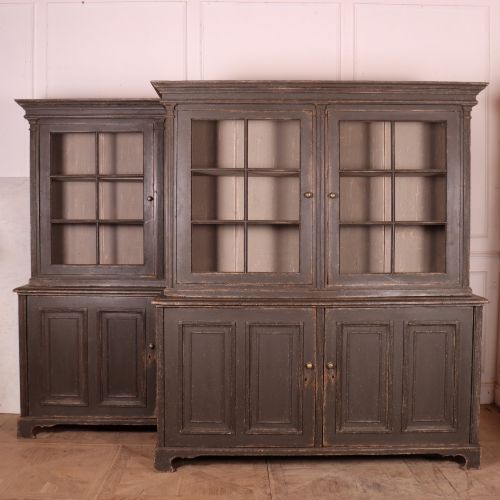
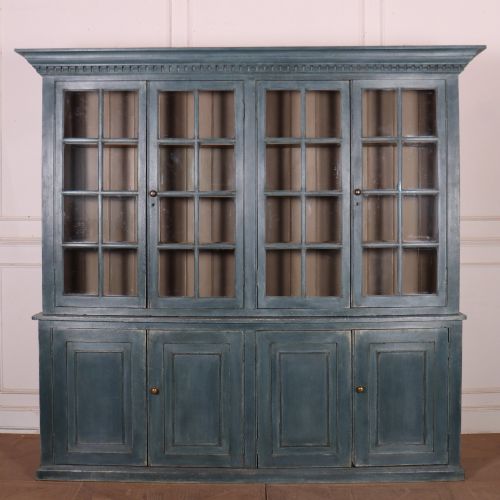
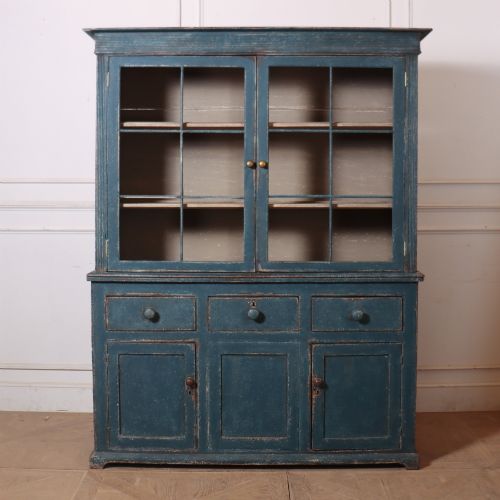
Makers shaped these utilitarian items for domestic service, producing kitchen dressers, breakfront forms, and two-part corner cupboards with glass doors. West Country origins appear frequently among the listings, showing distinct regional proportions and sturdy timber construction.
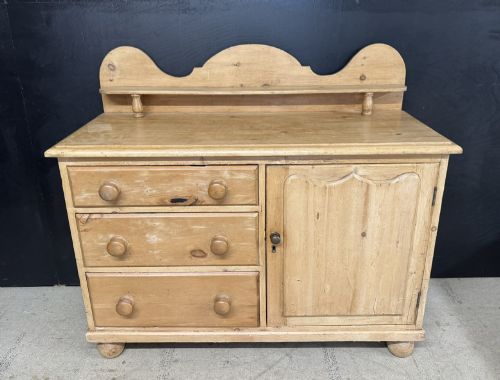
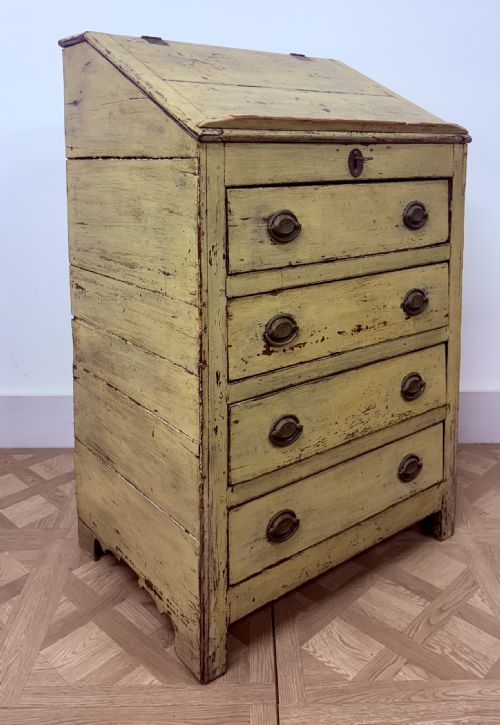
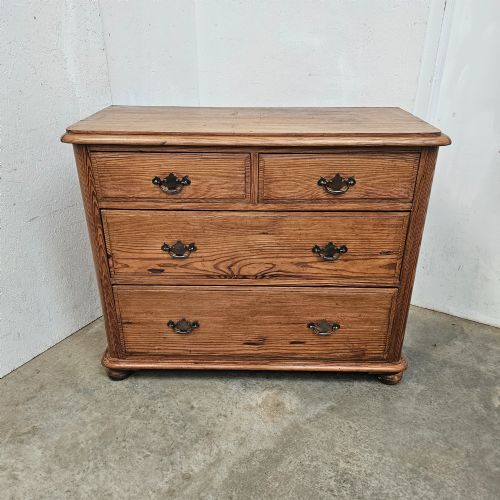
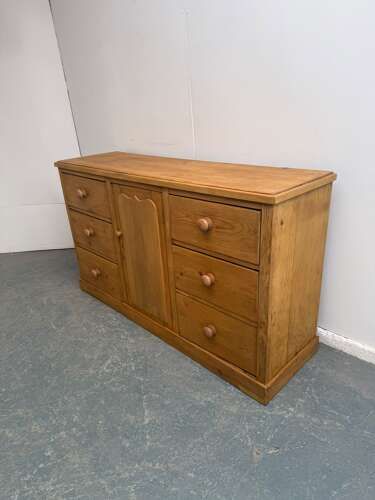
Buyers also encounter related forms such as chests of drawers, sideboards, and buffets built from the same softwood. These items provide practical storage while maintaining the rustic aesthetic expected from provincial English furniture.
How they were made
Carpenters constructed these items primarily using pine and pitch pine, often applying surface treatments like wax, paint, or painted timber finishes. Original paint surfaces frequently survive, showing the aged tones of early decorative schemes.
Hardware elements such as brass pulls and metal fittings complement the timber construction, while glass doors appear on upper display sections. Construction methods prioritize practical domestic service over delicate ornamentation, utilising durable joints and thick planks.
English Country Pine Dresser Retail Price Guide 2026
Typical asking prices for english country pine dresser among the pieces listed under this phrase on Sellingantiques today, from the lower quarter to the upper quarter. They describe what is for sale here now, not the wider market.
Materials recorded across the inventory include pine, pitch pine, brass, glass, painted wood, and metal.
What varies in quality
Quality rests in the survival of original surfaces, such as untouched early paint or patinated waxed finishes that show decades of domestic use. Pieces retaining their original potboards, backboards, and brass or metal hardware command stronger interest.
Proportions and regional characteristics also divide standard utilitarian examples from finer vernacular items, particularly in West Country pieces and eighteenth-century forms. The integrity of the timber and the balance of drawers and doors determine the visual strength of each item.
The English Country Pine Dresser Glossary
- Potboard dresser base
- A low storage unit featuring an open lower shelf, known as a potboard, positioned beneath the main drawers or cupboards. This lower tier allowed households to store heavy ceramic platters and kitchen pots.
- Pitch pine
- A dense, resinous softwood utilised for heavy-duty furniture like robust chests of drawers and work tables. It offers distinct grain patterns and greater durability than standard softwood.
- Breakfront
- A cabinetry format where the central section projects forward from the flanking wings. This architectural arrangement creates depth and visual interest on larger kitchen dressers and sideboards.
- Chiffonier
- A compact sideboard or low cabinet typically fitted with drawers and lower doors, designed for smaller domestic spaces. Edwardian examples provide useful surface space and modest storage.
- Waxed finish
- A protective and aesthetic treatment applied to timber surfaces to nourish the wood and produce a soft sheen. This finish highlights the natural grain and age of the pine.
English Country Pine Dresser: Frequently Asked Questions
How do I date an antique pine dresser?
Dating relies on examining construction techniques, timber characteristics, and hardware styles across the piece. Eighteenth-century examples often display simpler joinery and deeper patination compared to later Victorian iterations.
Paint layers and surface wear also provide clues to age, with original paint finishes helping to establish the period of manufacture. Regional traits, such as those found in West Country pieces, further assist with chronological attribution.
Where were these dressers made?
These items originated in workshops across English provinces, with notable examples stemming from the West Country. Local carpenters utilised regionally available pine to build sturdy furniture for rural and domestic settings.
Makers built these pieces to meet local demands rather than following strict metropolitan trends, resulting in diverse vernacular styles. This regional independence accounts for the varied proportions found across different pieces.
How should I care for waxed pine furniture?
Maintenance involves applying appropriate furniture wax periodically to protect the timber and maintain the soft sheen of the surface. Keeping pieces away from direct heat sources prevents the pine from drying out or splitting.
Gentle dusting with a dry cloth preserves the aged patina without stripping away historic surface finishes. Proper humidity control ensures the wood remains stable over time.
What is the difference between a dresser and a sideboard?
A dresser traditionally includes upper shelving or display racks combined with a lower storage base for kitchenware. Sideboards and buffets focus primarily on a low surface and under-counter cupboards for serving food.
Both forms utilise pine and painted timber in country settings, but their structural layout serves different domestic tasks. Dressers emphasise display, whereas sideboards prioritize surface utility during meals.