




English Country Pastoral Art
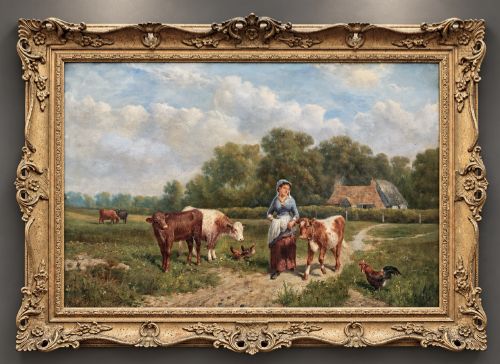
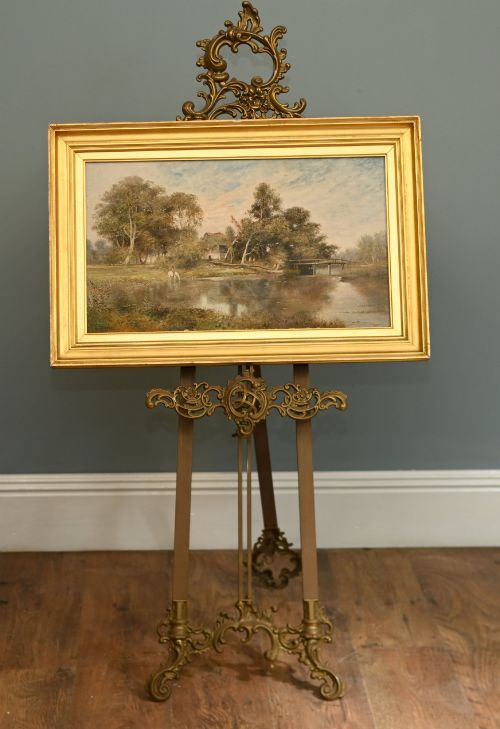
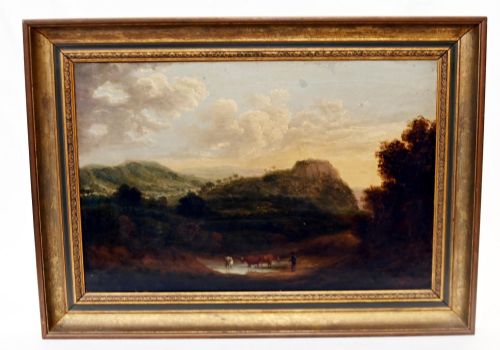
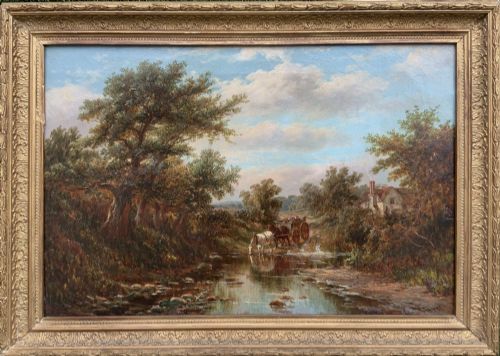
English country pastoral art captures rural life through oil paintings and watercolours depicting fields, rivers, and farm animals.
English Country Pastoral Art
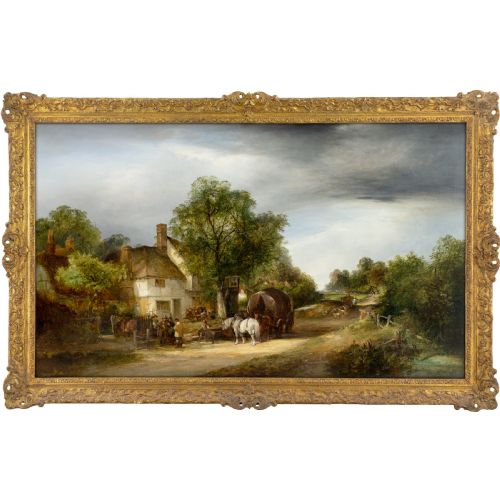
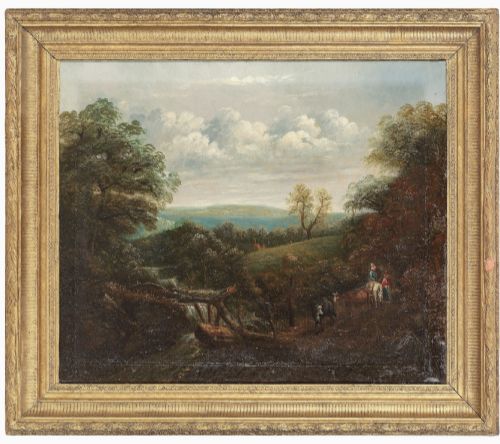
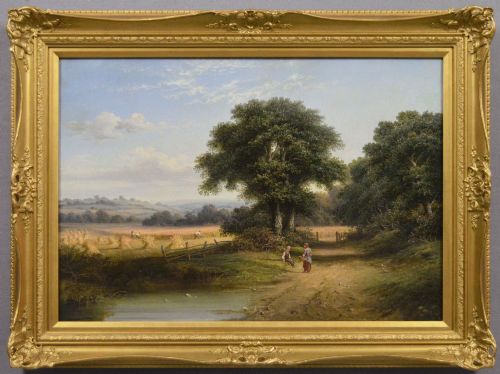
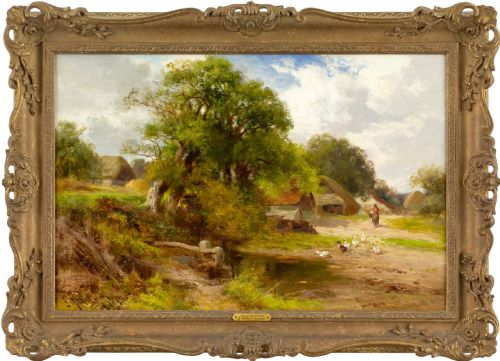
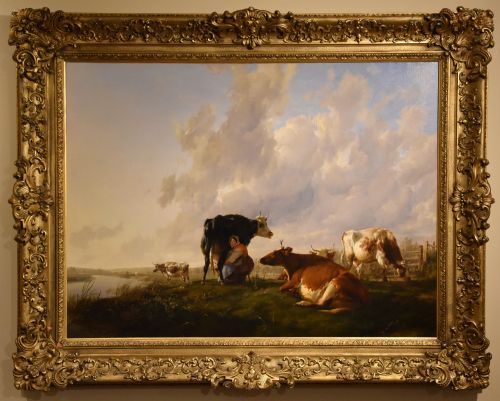
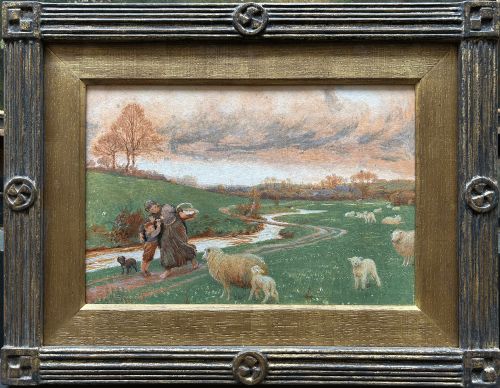
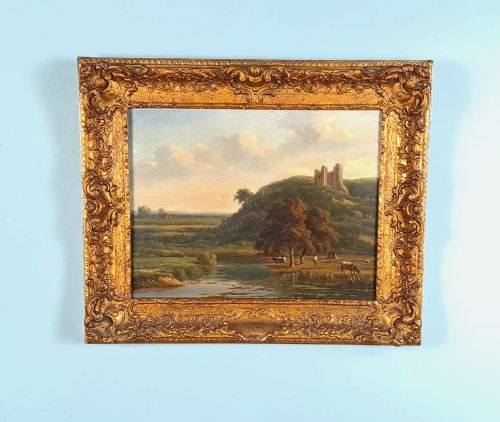
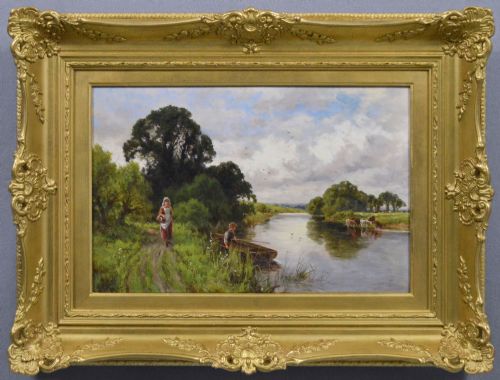
When you search for english country pastoral art, you encounter framed paintings and watercolours portraying rural scenes, agricultural labour, and riverside landscapes across the British countryside. These works focus on traditional rural life, featuring cattle, sheep, harvest fields, and thatched cottages set within rolling landscapes.
The selections span from the Georgian period through the Victorian era into the early twentieth century, encompassing styles such as British Impressionism, the Norwich School, and the English School. You will regularly find oil paintings on canvas or wooden board alongside delicate watercolours on paper, capturing local topography from Berkshire to Yorkshire.
How They Were Made
Artists painted primarily with oil paint on stretched canvas or wooden board, or applied watercolour onto paper, often building up rich pigment layers to capture natural light over fields and rivers. Many works incorporate gesso beneath the paint surface to prepare canvas or wood panels for detailed brushwork.
Subsequent framing completed these pieces, with period frames utilising wood and gesso ornamentation to enclose and protect the canvas or watercolour paintings for domestic display.
Historical periods represented span from Georgian times through Victorian and Edwardian decades.
What Varies in Quality
Quality rests upon the artist's ability to handle light, atmosphere, and naturalistic detail within the landscape, distinguishing accomplished regional artists from naive works. Superior pieces demonstrate confident brushwork in rendering cattle, figures, and architectural elements such as cottages or bridges.
The depth of composition and the preservation of the original canvas, wooden board, or paper support influence the visual impact of each work. Selected pieces carry attribution to recognised painters or regional schools, reflecting documented artistic training.
Percy Lancaster·John Horace Hooper·Thomas Sidney Cooper·Henry H Parker·George Morland·Ernest Higgins Rigg·Henry John Kinnaird·Samuel Joseph Clark·Robert John Hammond·Frederick James Knowles·Frank Percy Wild·Herbert Royle·George Cole·Thomas Baker·William Manners·William Stephen Coleman·Harry Sylvester Stannard·Henry Charles Fox·Will Anderson
The English Country Pastoral Art Glossary
- Oil on Canvas
- Pigments bound in drying oil applied to a woven fabric stretched across a wooden frame. This medium allowed artists to achieve rich colour saturation and varied texture.
- Watercolour
- Pigments suspended in a water-based, translucent solution applied to paper. It required swift, precise application to capture atmospheric lighting effects.
- Gesso
- A plaster-like mixture applied as a smooth ground on wooden panels or canvas before painting. It provided a stable surface for detailed brushwork.
- English School
- A classification for artists working within British traditions and landscapes. It groups painters sharing regional subjects without implying a formal academy.
- Norwich School
- The first provincial art movement in Britain, centred around East Anglia. Painters in this group focused on local Norfolk landscapes and rural daily life.
English Country Pastoral Art: Frequently Asked Questions
What subjects appear in english country pastoral art?
These works depict rural British scenes, including harvest fields, riverbanks, cottages, and agricultural animals such as cattle and sheep.
Compositions frequently feature figures engaged in farm work or travelling along country paths near rivers and villages.
Which periods do these paintings represent?
The listings span from the late eighteenth-century Georgian period through the Victorian era and into the early twentieth century.
Edwardian watercolours and late-Victorian oil paintings form a significant portion of the available rural scenes.
How do watercolours differ from oil paintings here?
Watercolours utilise translucent pigments on paper to achieve delicate, luminous effects often suited to tranquil river scenes and cottage views.
Oil paintings use heavier pigments on canvas or wooden board, providing deeper textures for cattle, stormy skies, and harvest landscapes.
Where were these pastoral scenes painted?
Artists recorded specific British locations, ranging from Berkshire and Sussex to the River Severn in Worcestershire and Yorkshire.
Many works document named regional waterways, hills, and rural settlements across the English countryside.