
English Country Oil Artwork
When you search for english country oil artwork, you are looking at painted scenes of rural life, landscapes and farmyards rendered in oil pigments.
English Country Oil Artwork
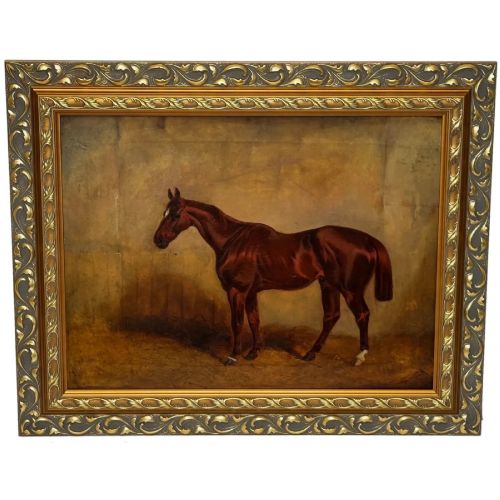
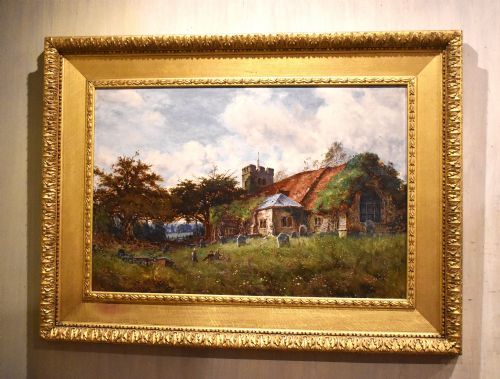
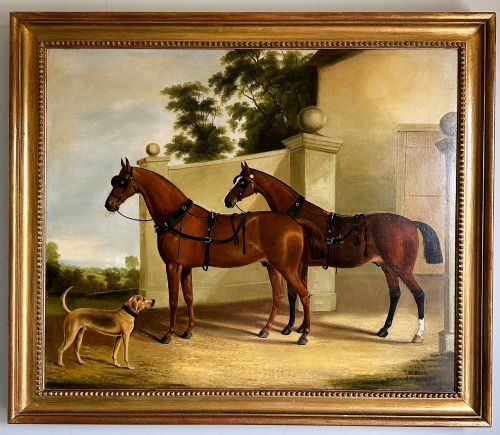
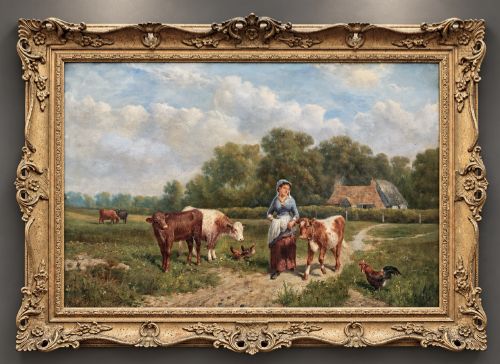
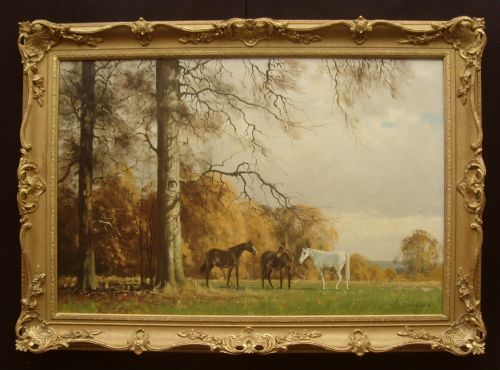
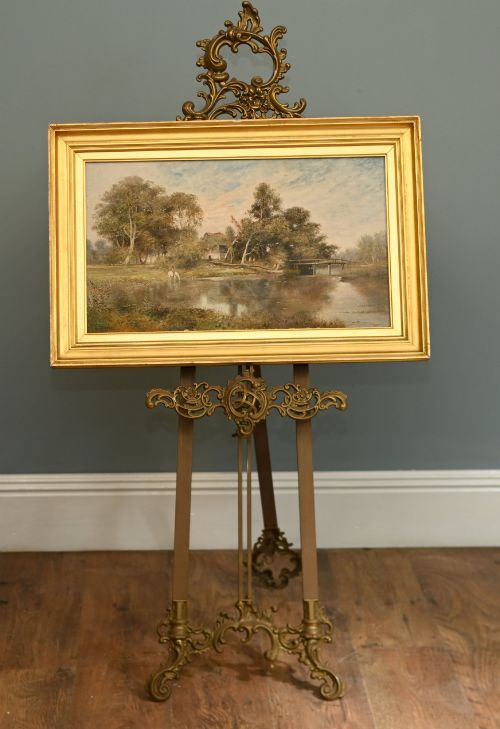
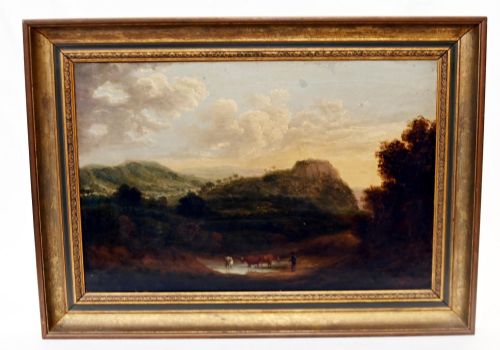
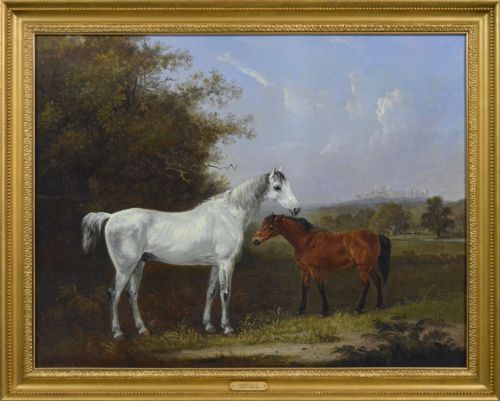
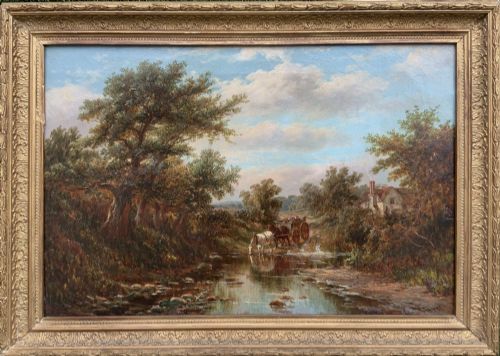
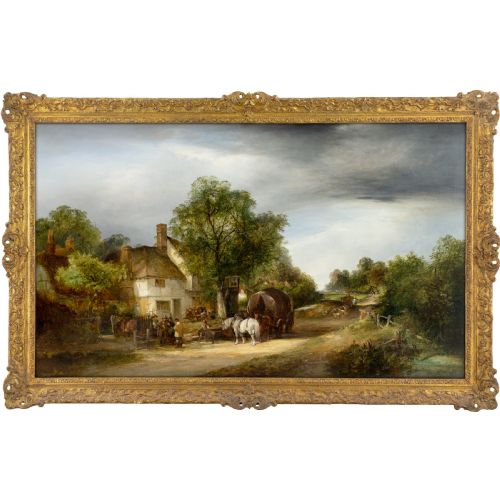
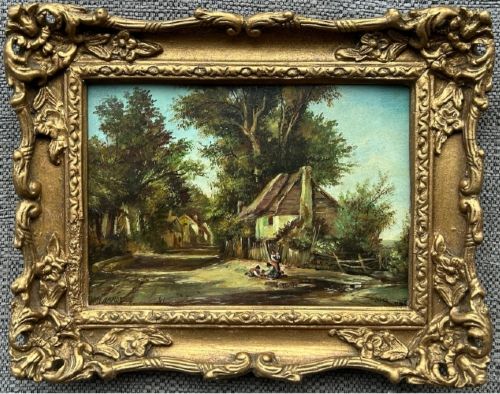
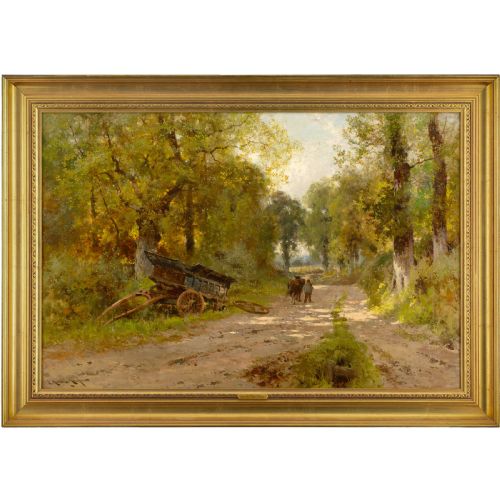
An english country oil artwork typically depicts rural landscapes, river scenes, thatched cottages, livestock, agricultural labour or domestic genre moments situated in the British countryside.
The selections span from the late eighteenth century through the Victorian period and into the mid-twentieth century, capturing shifting regional traditions from the Norwich School to British Impressionism.
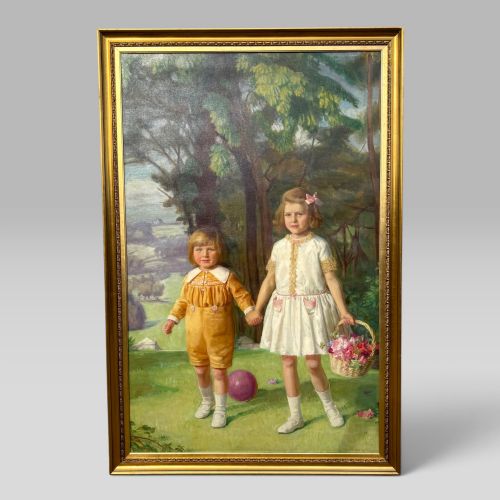
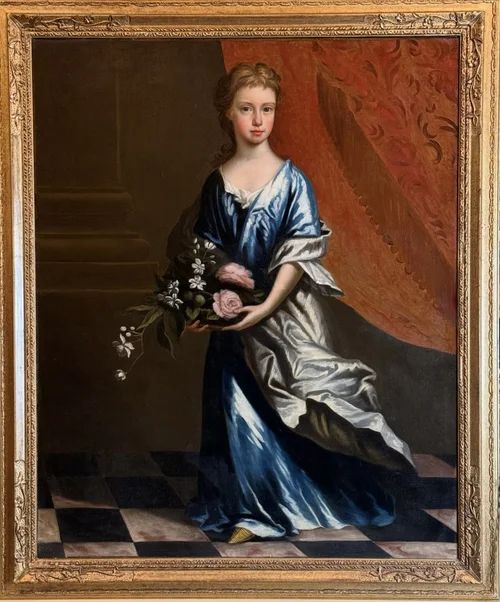
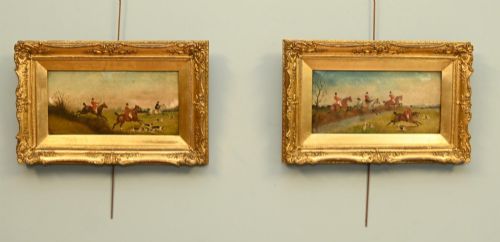
Most examples appear framed in gilt wood or gesso frames, presenting either as original oil paintings on canvas, wooden panel, board, card or occasionally as framed print interpretations of earlier works.
How they were made
Artists built these compositions using oil paint applied to prepared surfaces such as woven canvas, wooden panels, board, card or paper laid onto panel.
Support materials varied according to period and artist preference, with many nineteenth-century works utilising traditional canvas stretched over wooden frames, while later pieces often favour sturdy wood or board panels.
Frames play an integral structural and aesthetic role, frequently constructed from carved gilt wood and decorative gesso to complement the painted imagery.
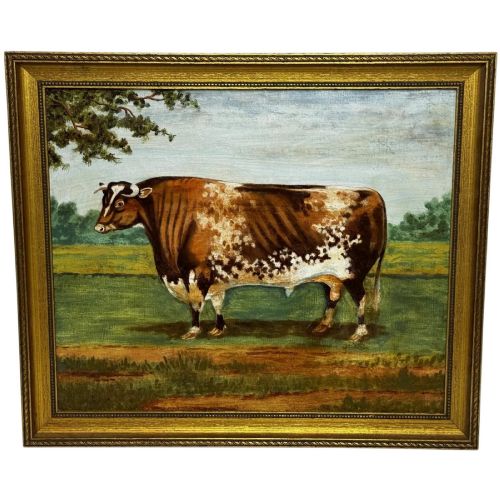
Several canvases faithfully preserve the daily lives of nineteenth-century farmyard animals, complete with prizing bulls and resting piglets.
What varies in quality
The distinction between tiers rests upon the dexterity of brushwork, the convincing treatment of natural light, and the accuracy of anatomical or architectural drawing within the rural composition.
Works attributed to established regional schools or named painters demonstrate a surer command of perspective and atmospheric depth compared to unsigned vernacular pieces by the broader English School.
William Howard Hardy·John Horace Hooper·Kershaw Schofield·Walter Heath Williams·George Augustus Holmes·Thomas Sidney Cooper·Raymond Booth·Frederick Walker·John Sargent Noble·Herbert Royle·Henry Yeen King·C R Breytle·T C Hofland·Henry H Parker·Miles Birkett Foster·George Morland·Hubert Wellington·Benjamin Blake·Charles Walter Simpson·Harry Freckleton·John Arthur Lomax·Charles Haigh Wood·William JB Jenkins·Ernest Higgins Rigg·John Constable
The English Country Oil Artwork Glossary
- Oil on Canvas
- Pigment mixed with a drying oil, typically linseed, applied to a woven fabric stretched across a wooden frame. This combination provides a flexible yet durable ground favoured by artists for centuries.
- Gilt Wood
- Timber carved and coated with a thin layer of gold leaf or metallic gilt powder. It forms the traditional ornate framing material for finished paintings.
- Gesso
- A paint mixture consisting of a binder mixed with chalk, gypsum, or pigment. It is applied to wooden panels or frames to create a smooth surface for gilding and decoration.
- Norwich School
- A regional art movement of painters inspired by the Norfolk landscape and rural scenery during the nineteenth century. It represents the first provincial art movement established outside London.
English Country Oil Artwork: Frequently Asked Questions
What periods do these paintings come from?
The available selection spans from the late eighteenth century through the Victorian era and into the mid-twentieth century.
Most pieces cluster around the nineteenth and early twentieth centuries, reflecting changing British landscape painting traditions.
How should I clean an oil painting?
Surface dust can be gently removed with a very soft, dry artist brush or microfibre cloth, taking care not to press against the canvas.
Avoid using water, household cleaners or solvents, and consult a professional conservator for deeper cleaning.
Are these paintings original or prints?
The vast majority are original hand-painted works executed in oil on canvas, wood panel, board or card.
A small number of listings comprise framed print reproductions after earlier nineteenth-century paintings.
How do I identify the English School?
Works attributed to the English School generally feature domestic countryside views, rural cottages or agricultural livestock created by British artists whose specific identities remain unrecorded.
These pieces reflect regional painting styles typical of their respective eras without bearing a known signature.