

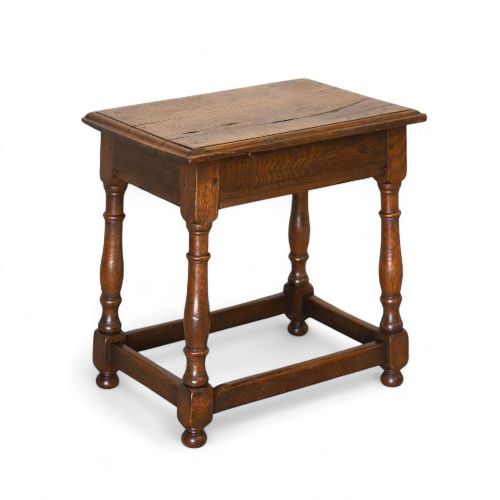
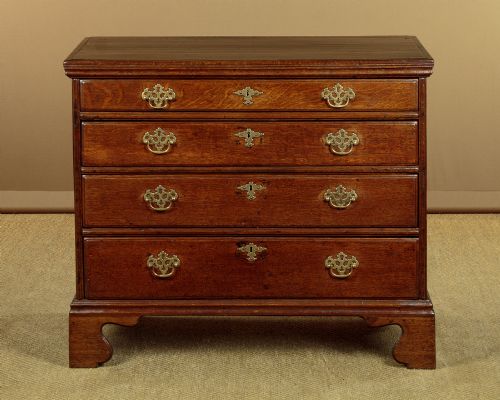
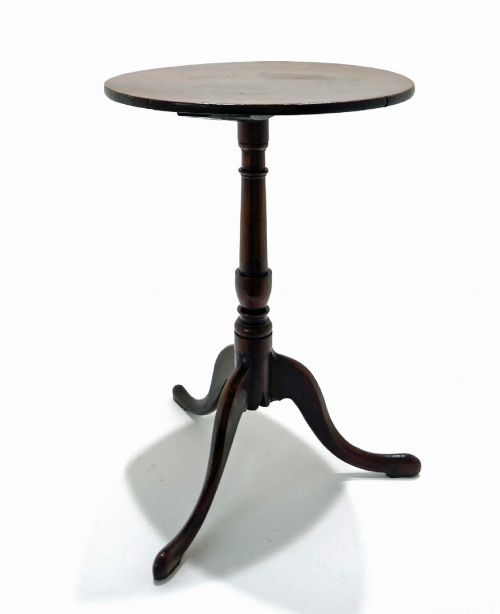
English Country Oak Furniture
English country oak furniture comprises utilitarian domestic pieces fashioned by regional makers to serve daily rural life across centuries.
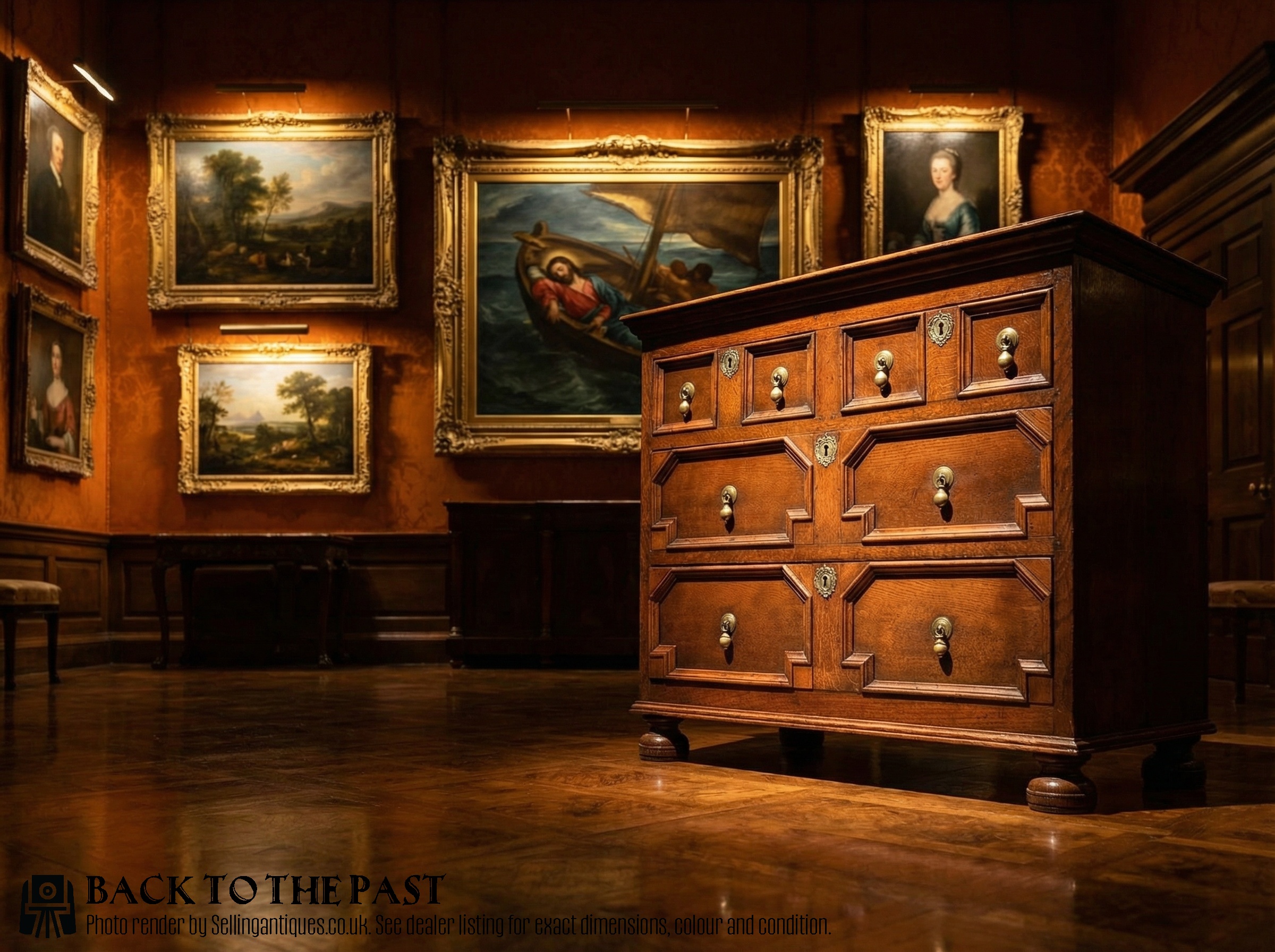
English Country Oak Furniture
English country oak furniture encompasses robust domestic utilitarian pieces made for rural households primarily from the seventeenth and eighteenth centuries, though spanning into the Victorian era. Buyers searching this phrase typically encounter sturdy seating, gateleg tables, dressers, and chests of drawers fashioned for practical farmhouses and provincial homes.
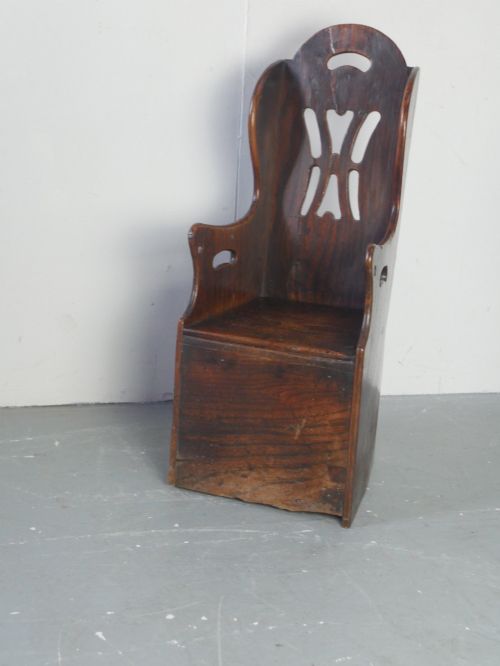
The selection ranges from early joined stools and boarded coffers bearing seventeenth-century characteristics to lighter eighteenth-century cricket tables, tripod tables, and lowboys. Regional workshops produced these items to endure heavy daily use, relying on honest construction rather than courtly ornament.
Surviving examples display the marks of provincial craftsmanship, where local joiners adapted urban fashions to suit available timber and domestic requirements. This category represents the physical heritage of rural British interiors, valued for straightforward utility and honest materials.
Materials and Construction
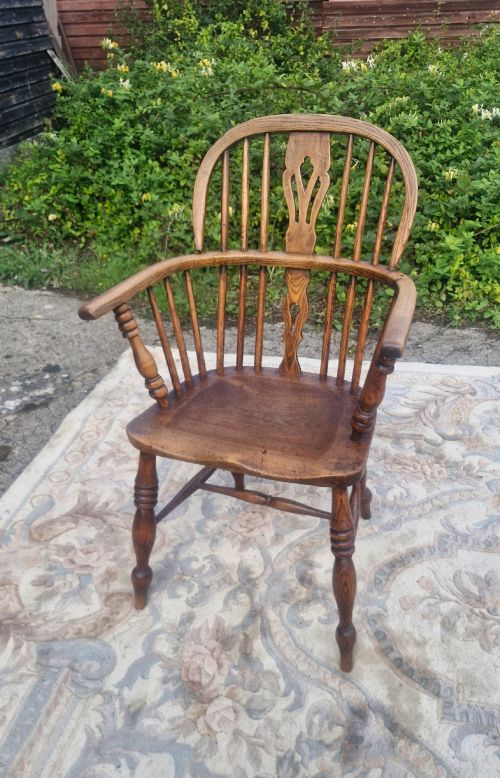
Makers built these pieces primarily from native English hardwoods, utilising oak as the dominant structural frame combined with secondary timbers such as elm, fruitwood, ash, beech, and yew. Regional joiners selected timber based on local availability and mechanical suitability, employing dense oak for weight-bearing legs and tops alongside flexible elm or fruitwood for Windsor chair seats and spindles.
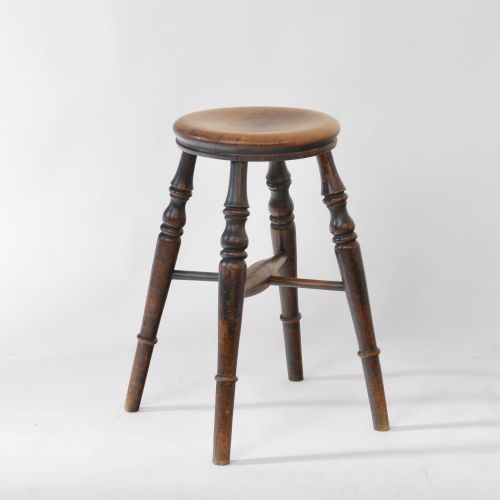
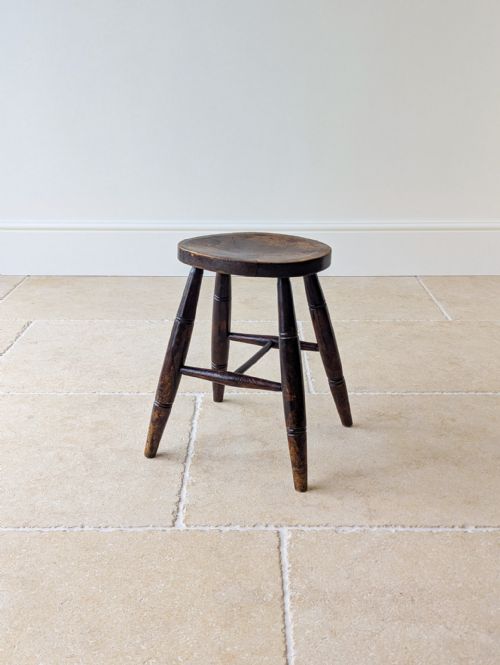
Joinery methods prioritized structural integrity through traditional techniques including mortise and tenon joints, pegged frames, and turned supports without metal nails. Carpenters shaped elements using drawknives and pole lathes, creating tripod tables, gateleg tables, and joint stools designed to remain stable on uneven flagged floors.
Surface finishing typically involved simple wax or oil applications that allowed the natural grain and varied patination of the wood to develop over generations of use. Secondary materials like brass drop handles, iron hinges, and occasional pine backboards supplemented the primary hardwoods as functional hardware.
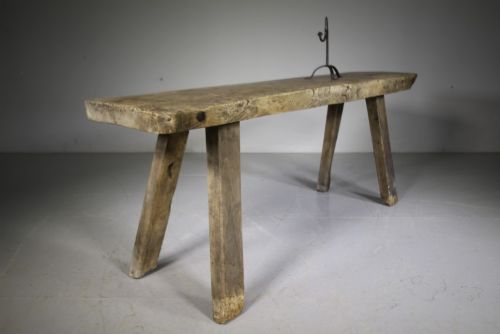
Pig benches doubled as sturdy low coffee tables after retiring from their original farmyard duties.
Assessing Quality and Merit
Quality in this category rests upon the integrity of the original construction, the balance of proportions, and the degree of unaltered survival across centuries. Pieces retaining their original timber, unblemished structural joins, and honest surface patination command greater regard than those compromised by extensive timber replacement or aggressive cleaning.
Proportion and scale distinguish finer provincial items from ordinary utilitarian objects, as regional makers sometimes achieved remarkable elegance within strict functional limits. A well-proportioned cricket table or a slender-columned tripod table demonstrates superior design sensitivity compared to heavy, clumsy equivalents.
The relationship between the primary oak structure and secondary woods reveals the maker's skill in material selection, particularly in pieces combining elm seats with ash spindles or fruitwood inlay. Original hardware, such as small drop handles on drawers or authentic hinges on coffers, further elevates the integrity of a surviving piece.
The English Country Oak Furniture Glossary
- Joint stool
- A sturdy wooden stool constructed with pegged mortise and tenon joints rather than turned legs inserted into a seat. These items served multiple domestic purposes in early households.
- Cricket table
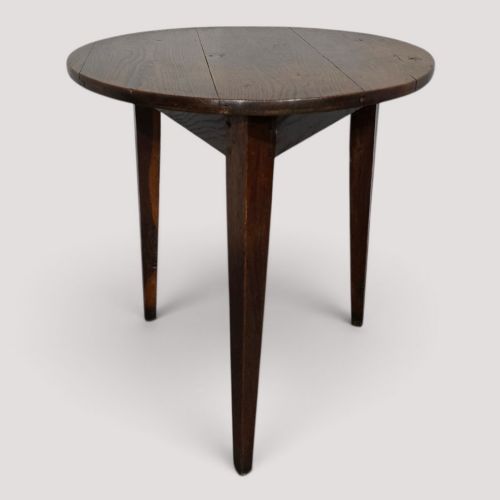
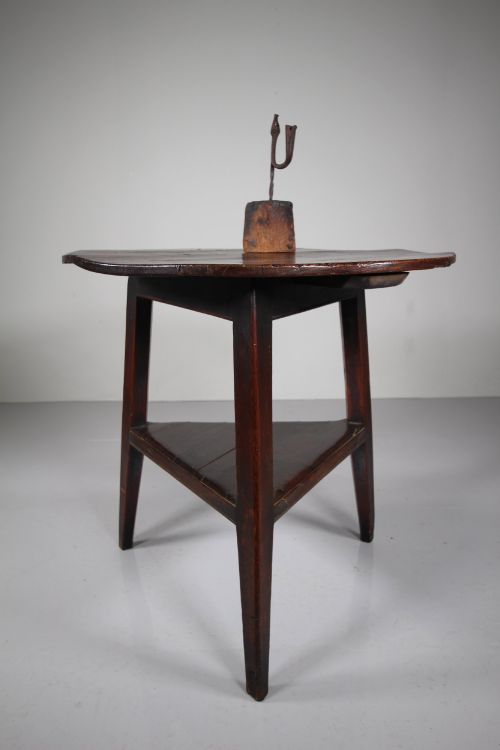
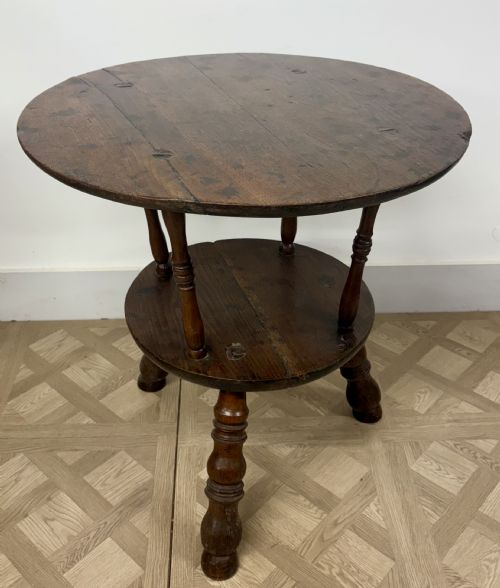
- A small three-legged occasional table, typically featuring a round top and triangular underframe. The three-legged design ensured stability on uneven stone floors.
- Gateleg table
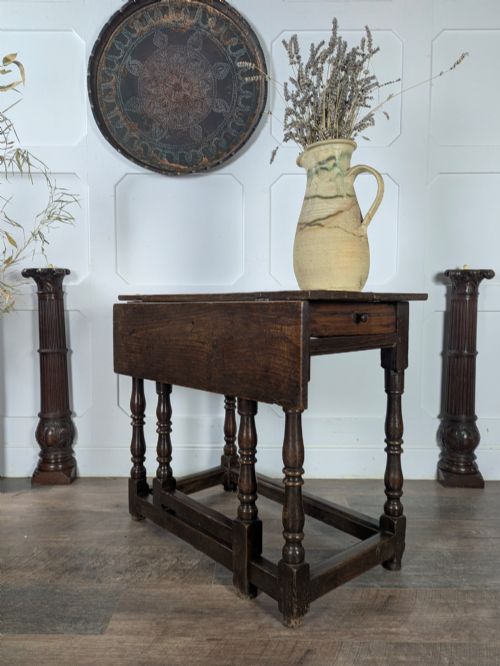
- A drop-leaf table featuring hinged flaps supported by swing-out legs that resemble a gate opening. This form allowed tables to expand for dining and fold compactly against walls.
- Lowboy
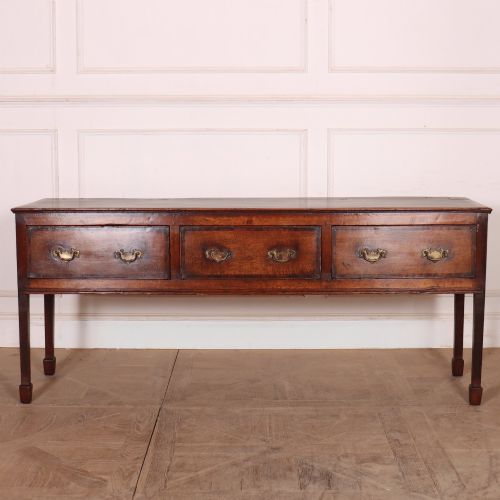
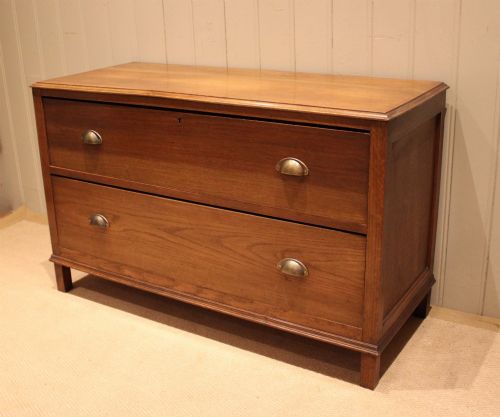
- A small side table or dressing table featuring one or more rows of drawers beneath the top surface. These practical items appeared frequently in 18th-century provincial settings.
- Settle
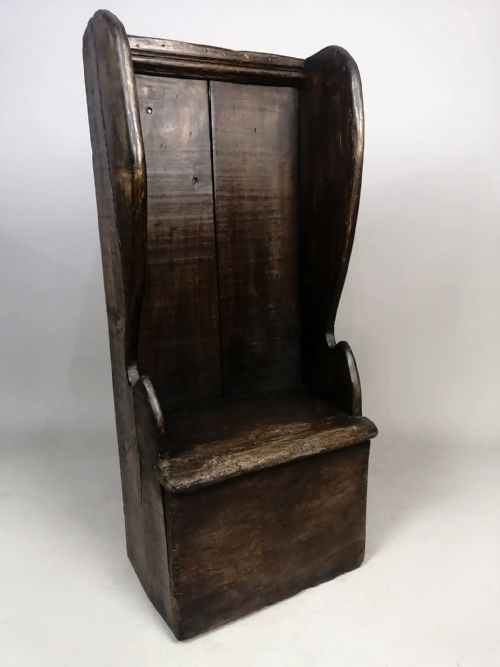
- A high-backed wooden bench featuring solid arms and a closed base designed to shield occupants from draughts. They formed a central fixture beside farmhouse hearths.
- Cofer
- A large heavy storage chest constructed with boarded or framed panels, often utilised for linens and valuables. Early examples frequently displayed carved front panels.
English Country Oak Furniture: Frequently Asked Questions
What is English country oak furniture?
English country oak furniture comprises utilitarian domestic items made by regional craftsmen for rural homes between the seventeenth and nineteenth centuries. These pieces prioritized durability and practical function over courtly ornamentation.
Makers utilised native timbers like oak, elm, and fruitwood to build everyday items such as tables, dressers, and chairs that supported rural domestic life.
How do I date an oak piece?
Dating relies on observing construction techniques, hardware types, and stylistic indicators inherited from specific periods like the seventeenth century or the Georgian era. Early pieces often feature pegged joinery and boarded construction, while later items incorporate refined drawer mechanics.
Examine the tool marks, timber shrinkage, and wear patterns to understand the chronological context of the item's manufacture.
How were these pieces used originally?
These items fulfilled essential daily functions in farmhouses, cottages, and taverns, serving as dining surfaces, seating, food storage, and linen chests. Tables accommodated meals, while settles protected occupants from cold draughts near the hearth.
Every form answered a specific domestic requirement of rural life before mass production standardised household goods.
How do I live with country oak?
Living with these pieces involves placing them in stable environments away from direct heat sources and excessive moisture swings to protect the antique timber. Regular gentle waxing maintains the surface patination and feeds the dry wood.
Their robust nature allows them to integrate easily into contemporary interiors as functional tables, seating, and storage units.