

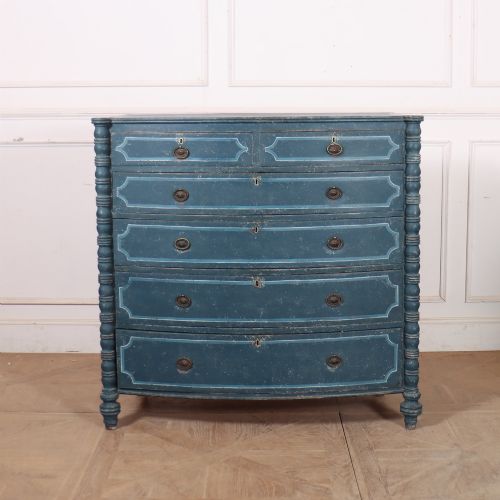


English Country House Chest
An English country house chest brings grounded utility and honest timber grain straight from old hallways into your room.
English Country House Chest
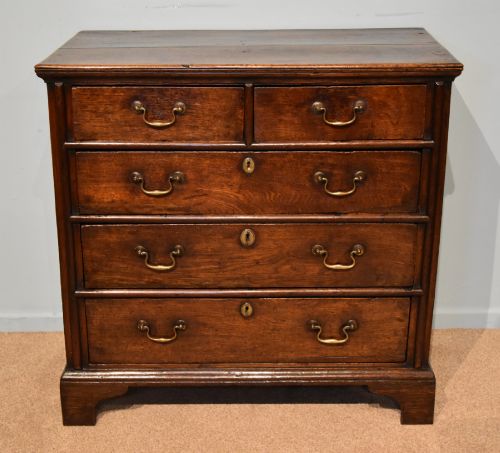
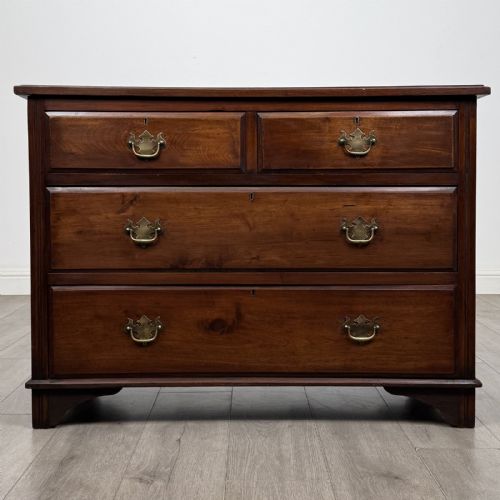
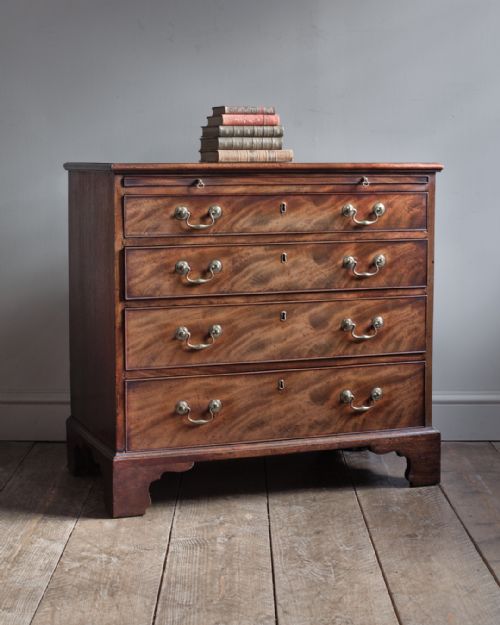
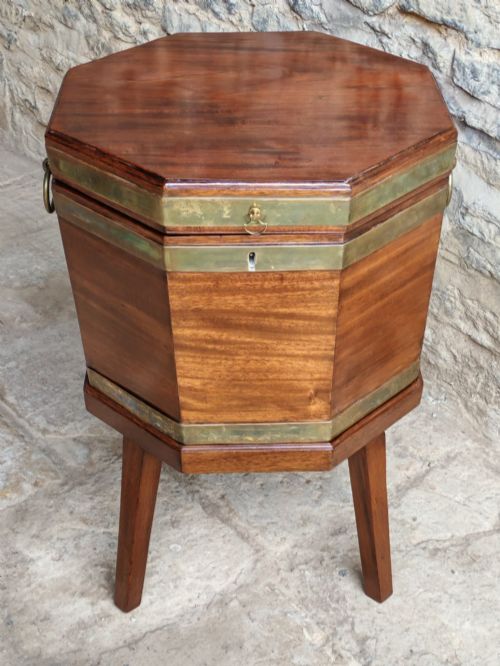
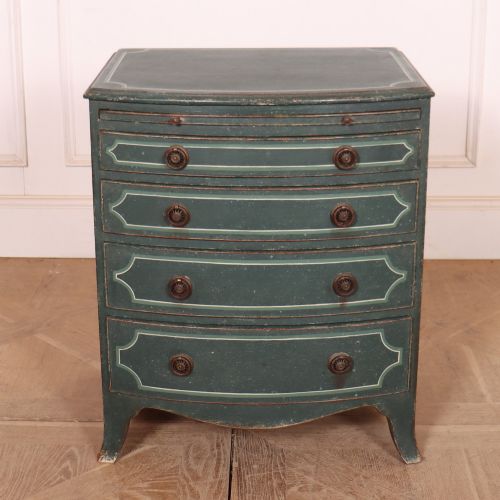
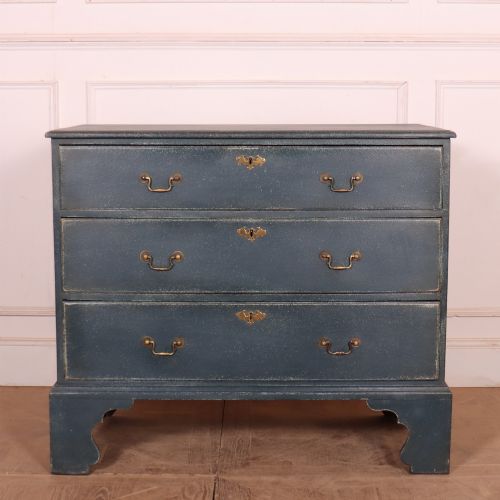
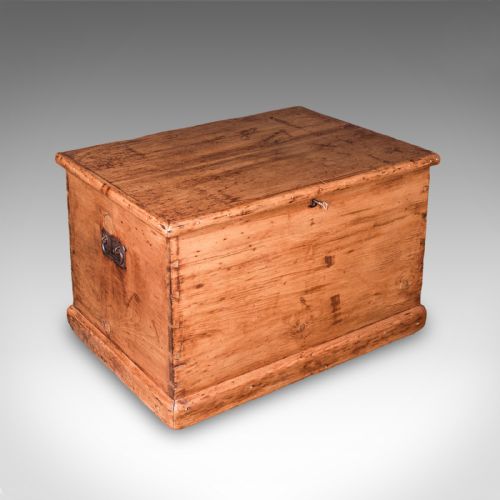
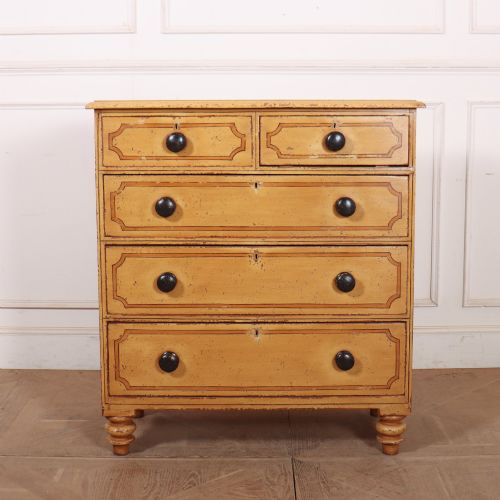
An English country house chest encompasses robust storage furniture built for domestic life across the eighteenth and nineteenth centuries. The examples met on this page range from plain pine carriage trunks and oak coffers to polished mahogany bowfront chests of drawers and Georgian bedroom pieces.
Makers shaped these items for practical service in country residences, resulting in varied forms including mule chests, Wellington chests, and bedside cabinets. Oak, elm, and mahogany appear frequently alongside painted timber finishes that record decades of interior use.
Materials and construction methods
Joiners built these pieces using solid timbers such as oak, mahogany, pine, and elm, often joined with sturdy structural framing. Hardware relies on functional brass and iron fixtures designed to withstand heavy daily handling in large households.
Surfaces display various finishes from natural waxed wood to original scumble paint and layered decorative pigments. Bracket feet and simple panel construction provide structural stability across both utilitarian storage trunks and refined reception room furniture.
English Country House Chest Retail Price Guide 2026
Typical asking prices for english country house chest among the pieces listed under this phrase on Sellingantiques today, from the lower quarter to the upper quarter. They describe what is for sale here now, not the wider market.
Listings feature items spanning the eighteenth and nineteenth centuries, utilising oak, mahogany, pine, elm, and painted timber.
Assessing quality in country house furniture
Quality rests upon the selection of timber and the integrity of the original construction rather than decorative excess. Finer examples exhibit carefully chosen mahogany or figured oak grains combined with well-proportioned bracket feet and tight joinery.
The survival of untouched surfaces, such as original country house scumble paint or early brass handles, distinguishes standard utility items from pieces retaining greater character and historical integrity.
The English Country House Chest Glossary
- Bowfront
- A curved cabinet front that swells outward in the centre, commonly seen on Georgian and nineteenth-century chests.
- Mule chest
- A storage chest featuring one or more drawers at the base beneath a hinged lid compartment, bridging the form of a coffer and a chest of drawers.
- Wellington chest
- A tall, narrow chest of drawers secured by a locking side flap that latches over the drawer edges.
- Scumble paint
- A decorative translucent paint technique dragged or layered over a base coat to simulate richer wood grains or aged textures.
- Coffer
- A heavy wooden box or chest used primarily for storage, often constructed with multiple framed panels.
English Country House Chest: Frequently Asked Questions
Where did these chests originate?
These pieces originate from English domestic interiors, ranging from grand country estates to functional parlour rooms. They served practical storage roles in bedrooms, hallways, and living spaces.
Craftsmen built them to hold linens, games, personal apparel, and household supplies over generations of continuous use.
How do I care for antique timber?
Keep wooden surfaces away from direct sunlight and steady heat sources to prevent the timber from drying out or splitting. Gentle dusting with a dry cloth preserves the wax polish and dry finishes.
Avoid modern liquid polishes that can build up residue and soften historic paint or wax layers over time.
What is a mule chest?
A mule chest combines a traditional lift-lid blanket box with one or more fitted drawers beneath the main compartment. This design allowed access to stored linens without needing to clear items off the top lid.
They bridge the transition from simple medieval coffers to modern drawer-based storage furniture.
How do I date an oak chest?
Dating relies on examining construction marks, timber choice, and hardware styles alongside overall proportions. Eighteenth-century pieces typically show hand-cut joinery and pegged framing.
Victorian iterations often incorporate machine-sawn elements, standardised brass fittings, and painted finishes characteristic of later country house interiors.