


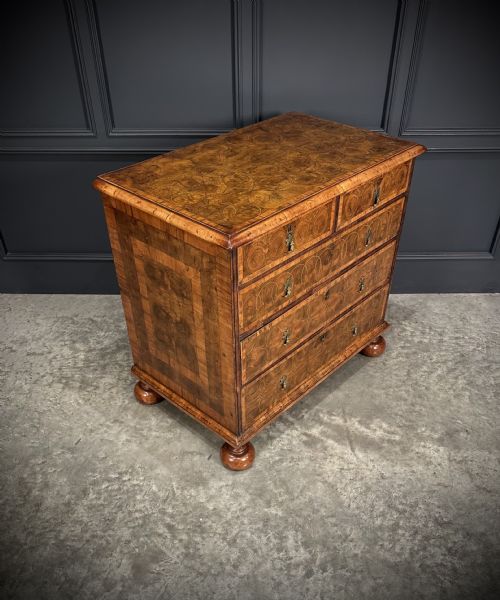


English Country Furniture Chest
An English country furniture chest brings honest timber, practical storage and centuries of domestic history straight into a room.
English Country Furniture Chest
An English country furniture chest is a sturdy domestic storage piece shaped by regional workshops and rural traditions rather than metropolitan fashion. When searching this phrase, buyers encounter solid oak, pine and elm forms spanning from the sixteenth century through the Victorian era.
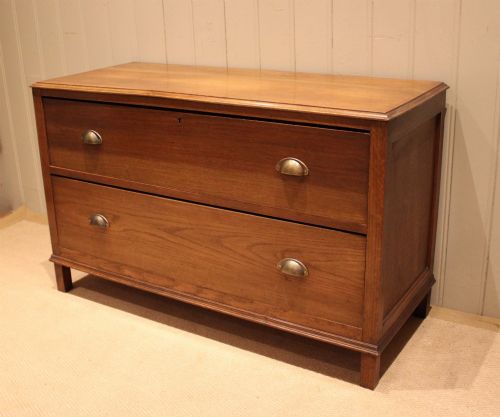
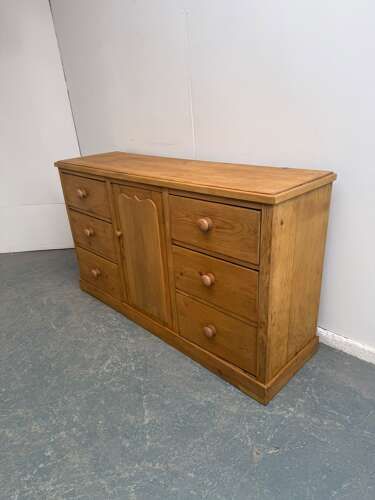
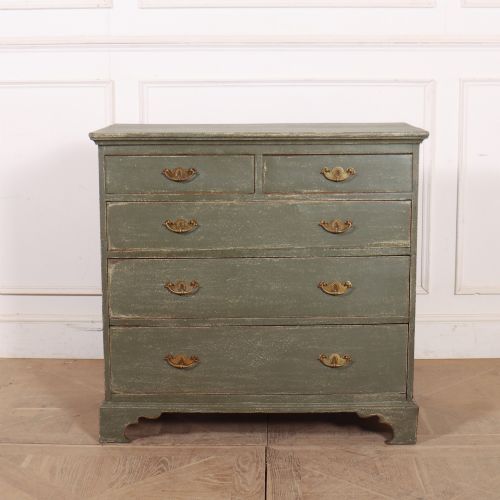
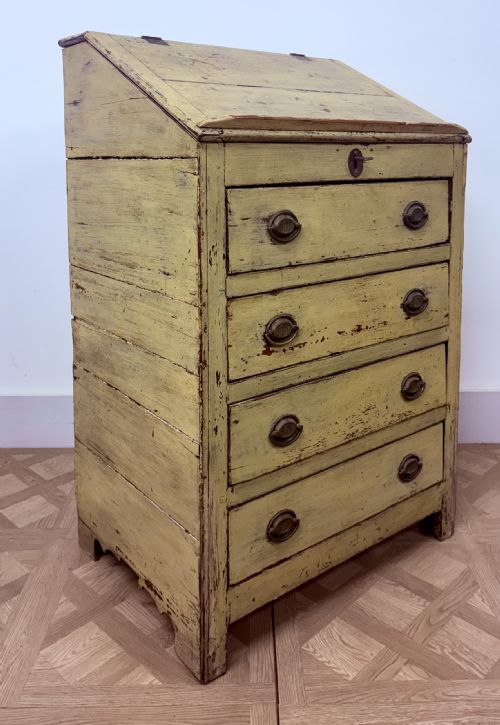
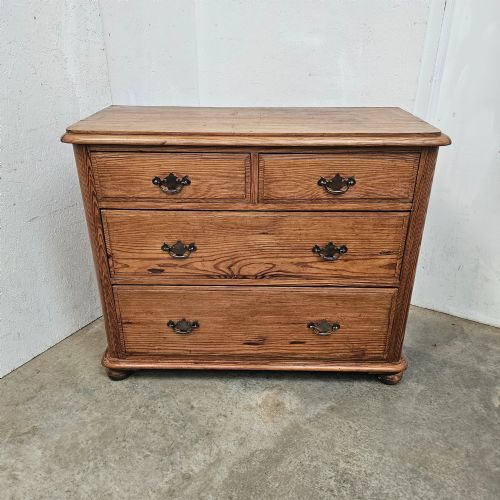
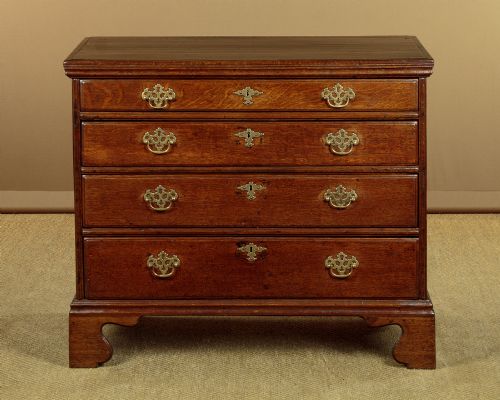
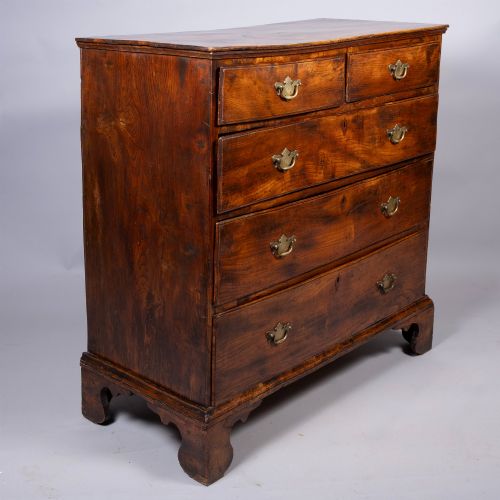
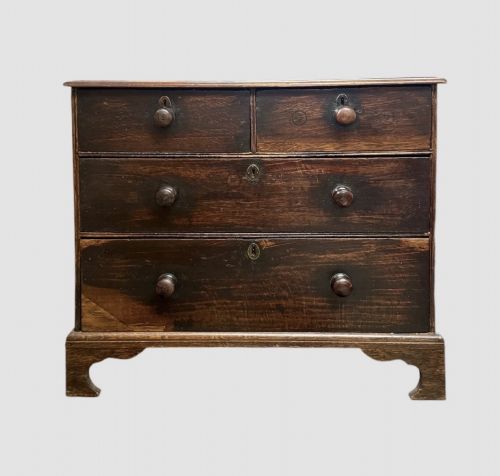
The selections available here range from early boarded coffers and seventeenth-century moulded oak designs to Georgian oak, yew wood and later painted pine chests of drawers. Plain chests, small early examples, and pieces with original scumble paint or writing slopes appear frequently across the periods.
Buyers are most likely to meet nineteenth-century pine chests and eighteenth-century oak designs, alongside regional variations such as North Country coffers and pitch pine storage pieces. These functional items served generations of households for linen, clothing and valuables before entering the antique market.
Factors that define quality
The distinction between standard utility items and exceptional pieces rests upon the choice of timber and the preservation of original surfaces. Better examples showcase well-figured woods such as burr walnut, yew, or oyster-veneered surfaces rather than plain secondary timbers.
Originality of finish dictates much of the standing of a piece, with untouched scumble paint, early waxed patination, and original brass or iron hardware commanding greater interest. Alterations to drawer linings, replaced feet, or stripped surfaces reduce the historical integrity of the object.
Joinery execution separates provincial vernacular work from sophisticated urban-influenced country pieces, where tight dovetailing, cleanly moulded panels, and balanced proportions elevate the status of the chest within its period.
Materials across the inventory range from native oak, elm and yew to pitch pine, iron hardware and decorative brass fixtures.
The English Country Furniture Chest Glossary
- Cofer
- A heavy wooden box with a lid used primarily for storage before freestanding chests of drawers became common. Early sixteenth-century examples often feature boarded construction.
- Scumble paint
- A decorative surface treatment applied with a comb, sponge or brush to imitate finer grain patterns or create a mottled country house appearance. It appears on nineteenth-century pine chests.
- Oyster veneer
- Thin slices cut horizontally from small branches or roots to create circular or oval patterns resembling oyster shells. This technique is associated with late seventeenth-century William and Mary pieces.
- Commode
- A decorative chest of drawers or cabinet on legs, often featuring serpentine fronts in Georgian interpretations. The form brings French-influenced elegance into English country workshops.
- Boarded construction
- An early method of joining planks of timber using pegs or nails directly through the edges. It defines sixteenth-century coffers before framed panels replaced the technique.
English Country Furniture Chest: Frequently Asked Questions
What is an English country furniture chest?
An English country furniture chest is a robust storage piece made outside major metropolitan centres, typically utilising local timbers like oak and pine.
These items range from early sixteenth-century boarded coffers to nineteenth-century painted pine chests of drawers built for everyday rural domestic use.
How do I date an old oak chest?
Dating relies on construction methods, hardware, and timber selection, moving from boarded sixteenth-century joints to pegged panels and later dovetailed drawers.
Early seventeenth-century pieces often display heavy mouldings and hand-split oak, whereas eighteenth and nineteenth-century examples show more refined joinery and varied wood choices.
Where were these chests used?
These chests served practical storage roles in farmhouses, country houses, and provincial homes across England for linens, clothes, and documents.
Their sturdy construction allowed them to withstand generations of domestic handling in bedrooms, hallways, and kitchens.
Are painted pine chests authentic?
Many nineteenth-century pine chests feature original painted finishes, scumble glaze, or historic colour schemes applied in regional workshops.
Original paint layers add significant character and historical value to country pieces, distinguishing them from later decorative overhauls.