



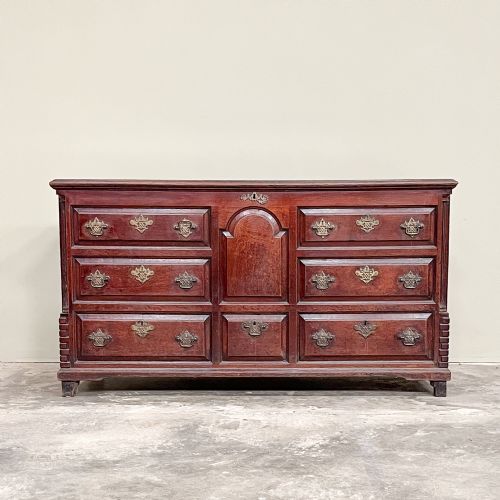


Antique Wood Blanket Dresser
An antique wood blanket dresser offers storage and heritage, combining timber construction with period craftsmanship to anchor a room.
Antique Wood Blanket Dresser
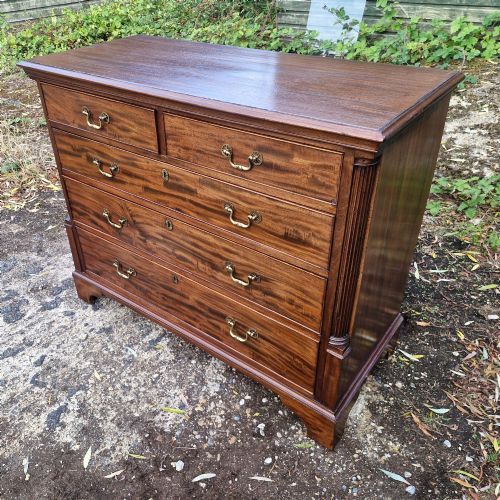
The search phrase antique wood blanket dresser guides you towards sturdy storage furniture designed to hold linens, garments, and household items. The pieces catalogued here span chests of drawers, trunks, coffers, and mule chests originating from the seventeenth century through to the late Georgian period.
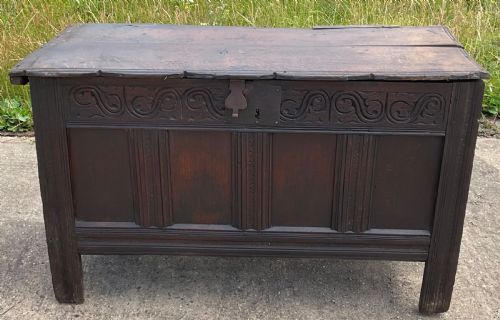
You are most likely to encounter oak and mahogany examples on this page, reflecting the dominant timbers of the recorded periods. Forms range from simple seventeenth-century oak coffers to refined two-part Georgian mahogany chests of drawers and French painted commodes.
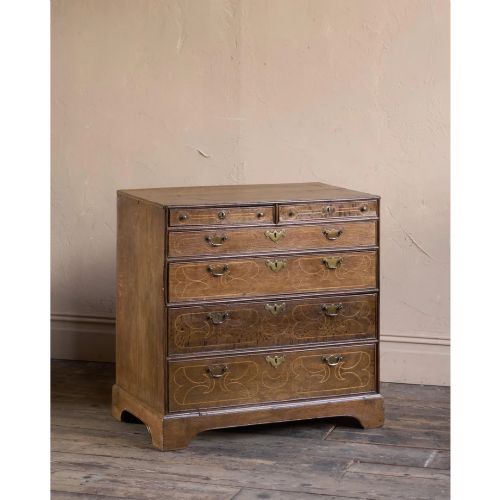
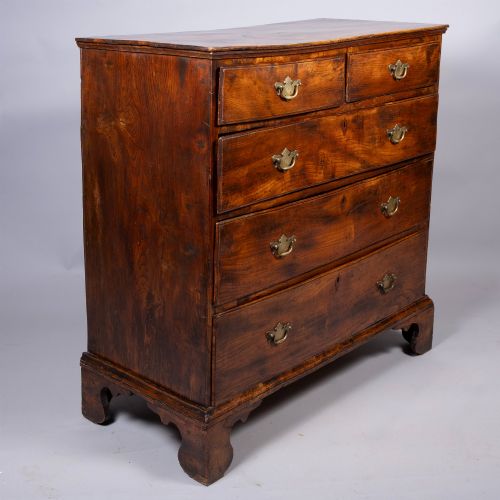
Makers and craftsmen utilised practical forms that evolved from basic joined coffers into sophisticated drawer arrangements. Regional variations bring together eighteenth-century elm, fruitwood inlay, and walnut, showing how domestic storage changed across generations.
How they were made
Makers constructed these pieces using solid timbers like oak, mahogany, and elm, often reinforced with iron hinges and handles. Cabinetmakers employed traditional joinery techniques to build chests and drawers that could withstand daily domestic use.
Surface decoration involved fruitwood inlay, carved details, and painted finishes on select commodes. Brass hardware such as cast brass handles and escutcheons completed the construction of eighteenth-century and Regency pieces.
A mule chest hides its secret drawer at the very bottom, keeping extra linens out of sight.
What varies in quality
Quality in these pieces rests upon the selection of timber, such as figured elm or richly grained mahogany, and the precision of the cabinetmaker's joinery. Superior examples maintain original surfaces and proportions that reflect the aesthetic standards of their period.
The refinement of carved details and the integration of secondary elements like fruitwood inlay distinguish finer pieces from simpler utilitarian storage. Original brass hardware and untouched structural integrity elevate a piece far above heavily restored alternatives.
The Antique Wood Blanket Dresser Glossary
- Mule chest
- A storage chest featuring one or more drawers at the base beneath the main compartment. This form bridges the gap between the traditional coffer and the modern chest of drawers.
- Coffer
- A heavy wooden box with a hinged lid used primarily for storing valuables or blankets. Early examples rely on robust oak construction and simple joined panels.
- Commode
- A low chest of drawers or cabinet originating from French furniture traditions. Painted surfaces and decorative hardware frequently distinguish these pieces from standard British chests.
- Escutcheon
- A protective plate surrounding a keyhole, usually fashioned from brass. These elements often provide clues to the dating and origin of a piece.
Antique Wood Blanket Dresser: Frequently Asked Questions
What is an antique blanket dresser?
An antique blanket dresser typically refers to storage furniture such as chests of drawers, coffers, and mule chests designed for linens and garments.
These pieces combine functional wooden construction with historical styles ranging from the seventeenth century to the Regency era.
How were early chests constructed?
Early pieces relied on solid timbers like oak and elm, joined with traditional framing techniques.
Craftsmanships evolved to include fruitwood inlay, carved woodwork, and eventually sophisticated drawer configurations in mahogany.
Where were these pieces used?
They served primary storage functions in domestic bedchambers and living spaces across British and European homes.
Their robust build allowed them to hold heavy blankets, clothing, and household stores.
How do I identify a Georgian chest?
Georgian pieces frequently utilise mahogany or figured timber, often built in a two-part design for easier transport.
They display proportion and restraint, contrasting with the heavier carved oak common in the seventeenth century.
What materials appear most often?
Oak and mahogany form the foundation of the majority of pieces recorded in this category.
Secondary materials include elm, walnut, fruitwood inlay, and cast brass hardware.