


English Country Earthenware
English country earthenware encompasses humble utility and robust folk charm, offering direct contact with domestic history through durable clay objects.
English Country Earthenware
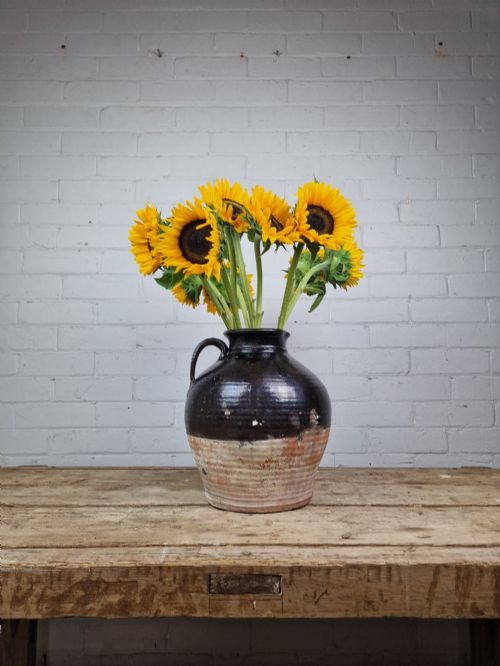
When searching for english country earthenware, collectors encounter utilitarian kitchen wares, dairy bowls, and decorative figures shaped by regional traditions. These pieces reflect everyday domestic life across rural Britain through simple forms and honest materials.
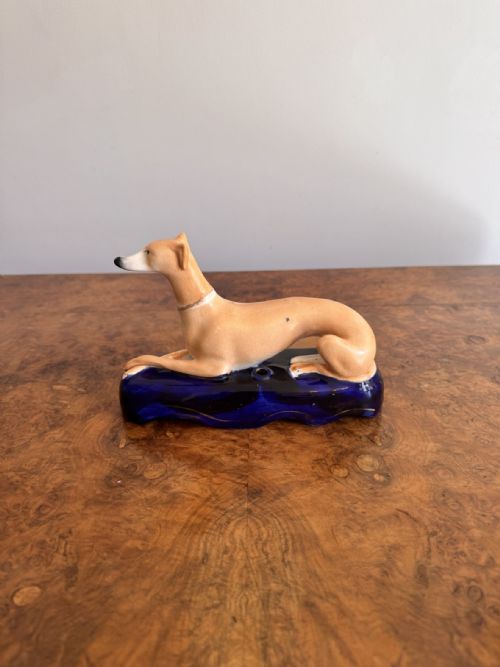
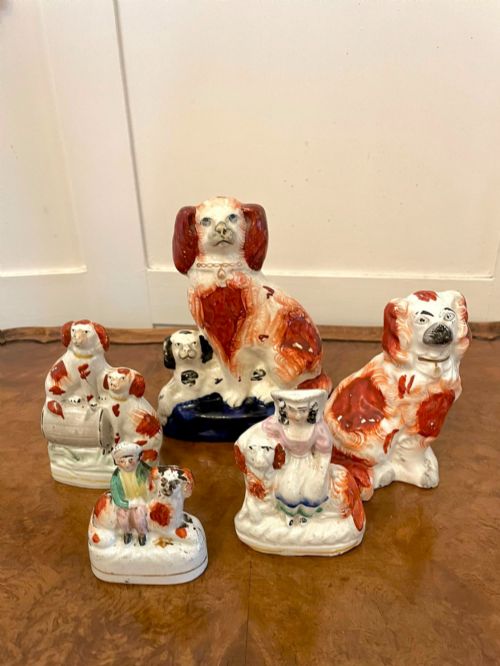
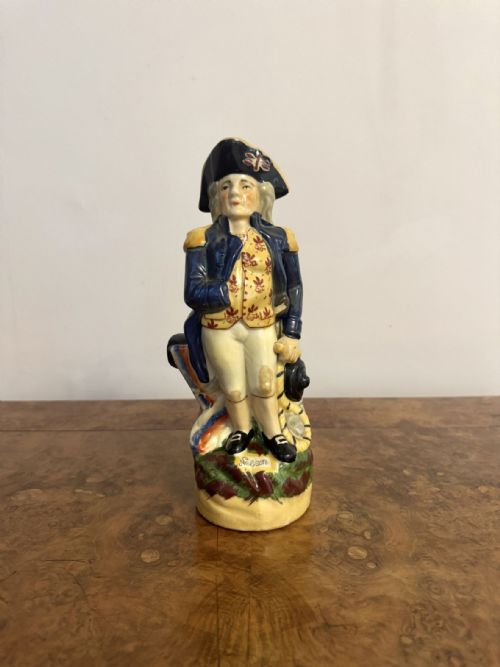
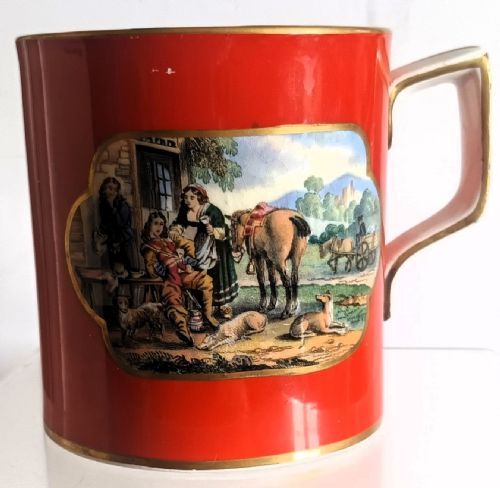
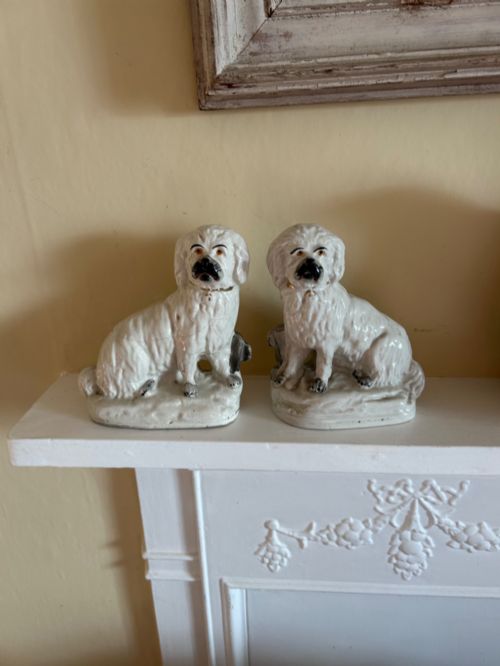
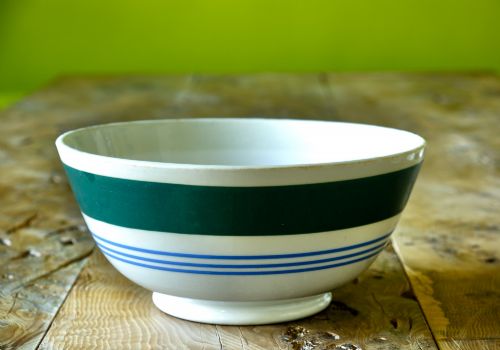
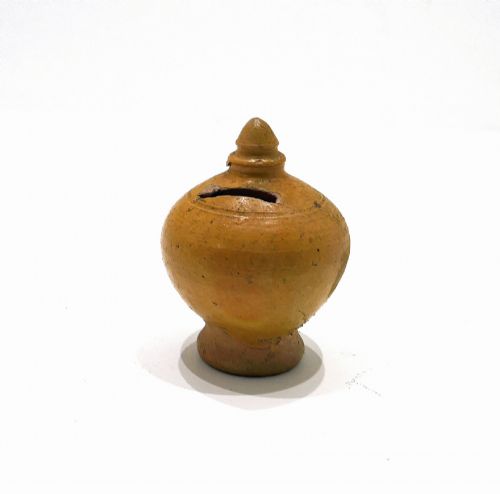
The selection leans heavily toward nineteenth-century production, including Staffordshire figures, slipware vessels, and transfer-printed plates. Common domestic items range from dairy bowls to money boxes, made for practical use or mantelpiece display.
Many items bear the marks of specific regional potteries, such as Verwood or North Country kilns, while others stem from Staffordshire workshops. This variety captures the breadth of domestic ceramic output before industrial standardisation dominated.
How they were made
Potters shaped local clays on the wheel or pressed them into moulds, utilising terracotta and earthenware bodies suited to domestic tasks. Lead glazes provided a protective and often glossy coating over the clay body.
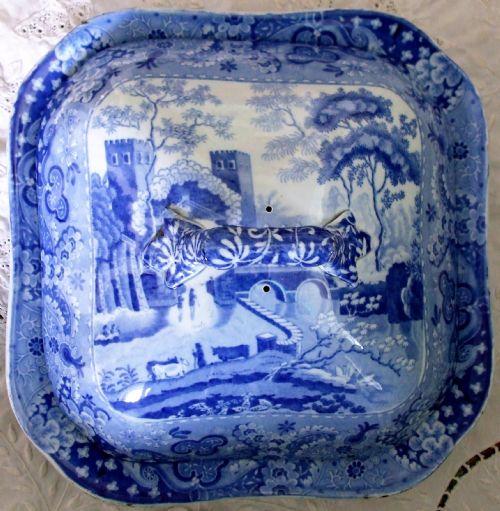
Decoration relied on slip trailing, enamel colours, and blue and white transfer printing to add pattern and colour to the surface. Firing in traditional kilns imparted subtle variations and warmth to the finished ceramics.
The listings demonstrate a strong presence of nineteenth-century Staffordshire figures, blue and white transfer-printed plates, and utilitarian dairy bowls.
What varies in quality
Quality rests in the crispness of the modelling on figures and the depth of the glaze on utilitarian vessels. Early slipware and well-defined Staffordshire moulding represent higher tiers of craftsmanship.
The clarity of transfer printing and the preservation of hand-painted enamel colours distinguish superior decorative plates and jugs from standard production items.
T G Green·J and R Clews·John Rogers and Son·John Davenport
The English Country Earthenware Glossary
- Slipware
- Pottery decorated with slip, a liquid mixture of clay and water, applied before firing to create surface patterns.
- Pearlware
- A refined earthenware developed in the late eighteenth century featuring a subtle bluish glaze over a white body.
- Flatback
- A Staffordshire figure modelled with a finished front and a plain, unglazed or flat back designed to stand against a wall.
- Transfer printing
- A method of applying pre-printed designs from an engraved copper plate onto ceramic surfaces via tissue paper.
- Toby jug
- A pottery jug modelled in the form of a seated person, typically a stout figure holding a mug and a jug.
English Country Earthenware: Frequently Asked Questions
What is english country earthenware?
English country earthenware comprises utilitarian and decorative ceramic pieces produced for domestic use in rural Britain.
These items range from simple dairy bowls and money boxes to Staffordshire figures and transfer-printed plates.
How were dairy bowls used?
Dairy bowls served practical purposes in farmhouses for setting milk and separating cream.
Their wide rims and glazed interiors made them functional vessels for daily agricultural labour.
How do I identify nineteenth-century pieces?
Nineteenth-century pieces often show specific stylistic traits like pearlware bodies or Victorian flatback modelling.
Examining the glaze type and potting technique helps distinguish these nineteenth-century items from later reproductions.
Are Staffordshire figures part of this pottery tradition?
Staffordshire figures form a distinct category within the broader scope of earthenware production.
Potters in Staffordshire modelled animals, literary characters, and historical figures for mantelpiece display.