





English Country Bed
These English country bed examples are traditional sleeping quarters built from sturdy timber and metal, offering genuine domestic history for your bedroom.

English Country Bed
When you search for an english country bed, you uncover practical sleeping furniture shaped by regional British cabinetmakers across centuries. The selection spans robust seventeenth-century oak tester frames alongside nineteenth-century painted metal and gilt single frames, reflecting generations of domestic life.
You are most likely to encounter substantial wooden structures and tall framework pieces within this category. These items range from imposing four-poster timber constructions to simpler mahogany bedheads and complementary chamber furnishings.
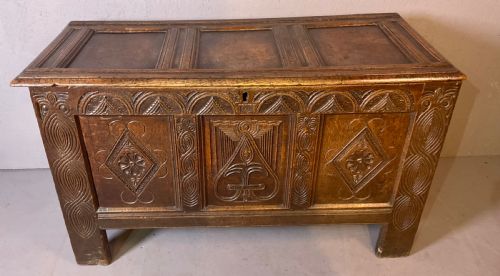
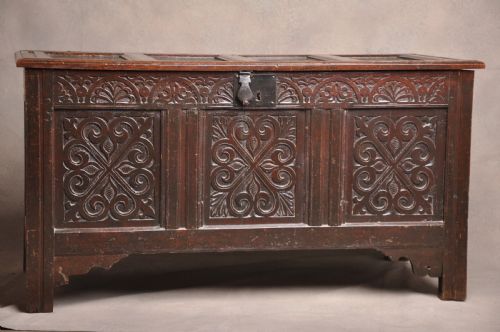
Alongside actual bedframes, related country house bedroom pieces frequently appear in this selection. Items such as blanket chests, bedside cabinets, and under-bed storage trunks naturally complement the sleeping quarters of historic English homes.
Materials and construction methods
Traditional English country bed construction relies heavily on native hardwoods such as oak and fruitwood, joined with traditional carpentry methods. Many early examples feature hand-carved panels and inlaid decorative details executed by regional artisans.
Later nineteenth-century pieces incorporate metalwork, utilising cast iron and brass for structural strength and decorative impact. Gilt finishes and painted metal surfaces also appear on domestic bedframes intended for country house settings.
English Country Bed Retail Price Guide 2026
Typical asking prices for english country bed among the pieces listed under this phrase on Sellingantiques today, from the lower quarter to the upper quarter. They describe what is for sale here now, not the wider market.
Associated chamber items include blanket chests, warming pans, side tables, and bedside cabinets alongside sleeping frames.
Evaluating quality and craftsmanship
Quality in an english country bed is determined by the integrity of the original timber and the crispness of any carved ornamentation. Pieces retaining their structural elements and authentic surface patination stand apart from heavily altered examples.
The sophistication of the joinery and the selection of secondary timbers reveal the maker's competence. Superior pieces display thoughtful proportion and harmonious integration of decorative details across the headboard and tester components.
The English Country Bed Glossary
- Cofer
- A traditional wooden chest with a hinged lid, frequently utilised for storing bedding and linens in domestic chambers. These sturdy boxes often display period carving.
- Fruitwood
- Dense timber derived from orchard trees such as pear or apple, utilised by cabinetmakers for decorative inlays and smaller elements. It offers a fine grain and warm tone.
- Four Poster Bed
- A large sleeping frame featuring four vertical columns that support an overhead canopy structure. This grand form dominated elite chambers for centuries.
- Bedside Cabinet
- A small enclosed piece of furniture designed to stand next to a sleeping frame for nocturnal storage. Georgian and later examples often feature cupboards or drawers.
English Country Bed: Frequently Asked Questions
How do I date an old bed?
Dating relies on examining the construction techniques, tool marks, and timber species used in the frame. Stylistic motifs like carved panels or inlay patterns provide further clues to the period of origin.
Comparing the hardware and assembly methods with dated examples helps establish the likely decade or century of manufacture.
Are these beds comfortable for daily use?
Historic frames often require modern mattress solutions tailored to fit non-standard historical dimensions. Many buyers use custom bases or supportive slats placed within the antique framework.
With appropriate mattress adaptation, these traditional frames serve reliably as functional and decorative daily sleeping quarters.
What woods were used?
Early pieces primarily employ native English oak, sometimes accented with fruitwood for inlay work. Later examples introduce imported mahogany and structural metals like cast iron.
Each material reflects the forestry resources and aesthetic preferences available during the specific period of manufacture.
How do I care for antique timber?
Maintain stable room humidity levels to prevent the historic wood from drying out or splitting. Avoid placing the frame near direct heat sources or strong sunlight.
Apply occasional appropriate wax polish to nourish the surface and preserve the natural patination built up over centuries.