



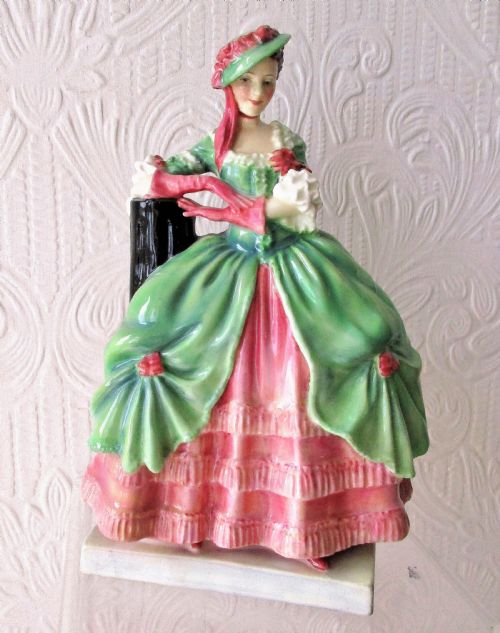
English Ceramic Collectibles
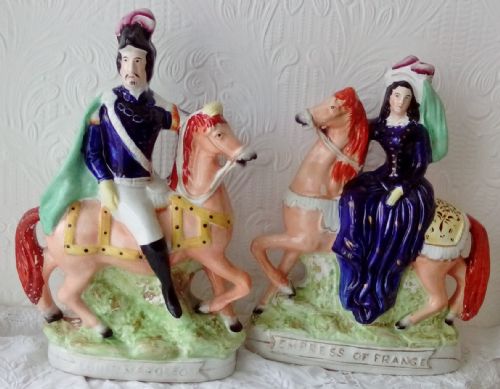
These English ceramic collectibles encompass centuries of domestic artistry, ranging from early Staffordshire figures to finely painted porcelain plates.
English Ceramic Collectibles
When you examine English ceramic collectibles, you encounter a broad spectrum of functional and decorative objects spanning the eighteenth century through to the mid-twentieth century.
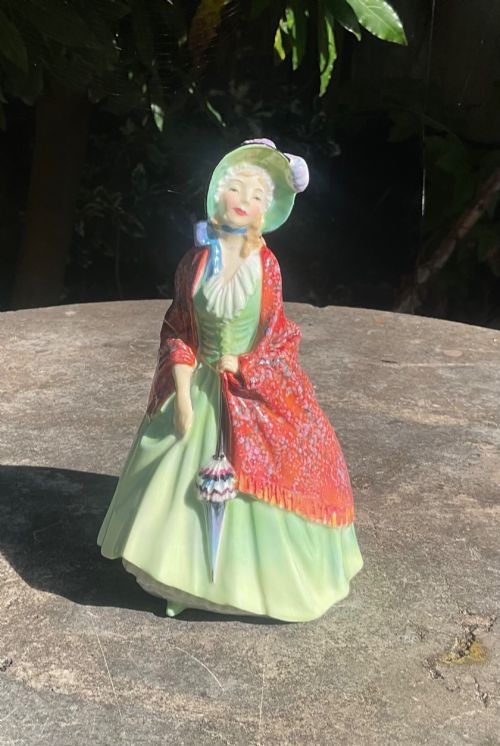
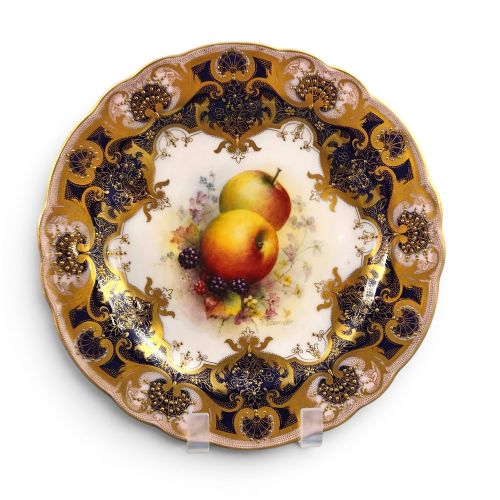
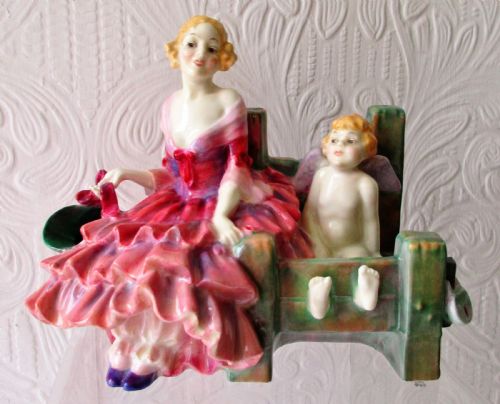
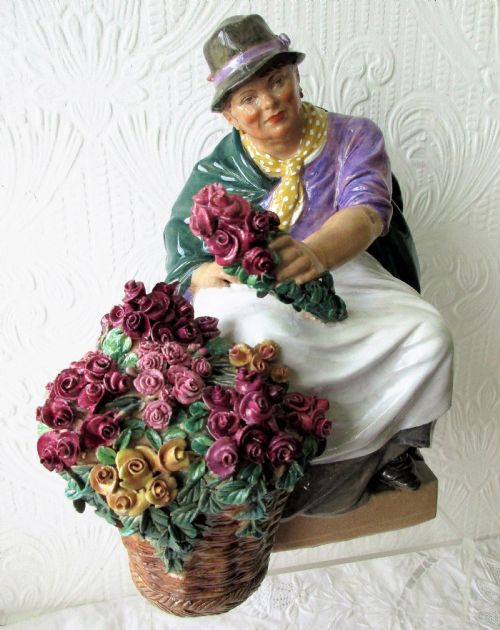
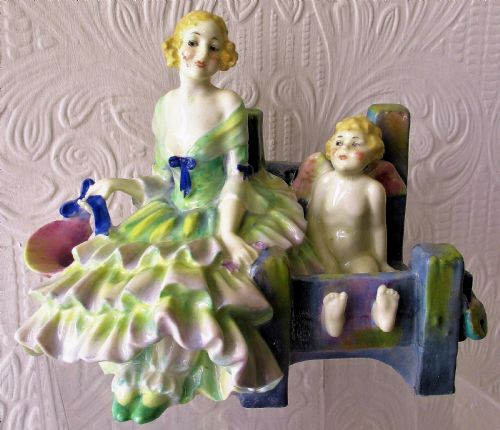
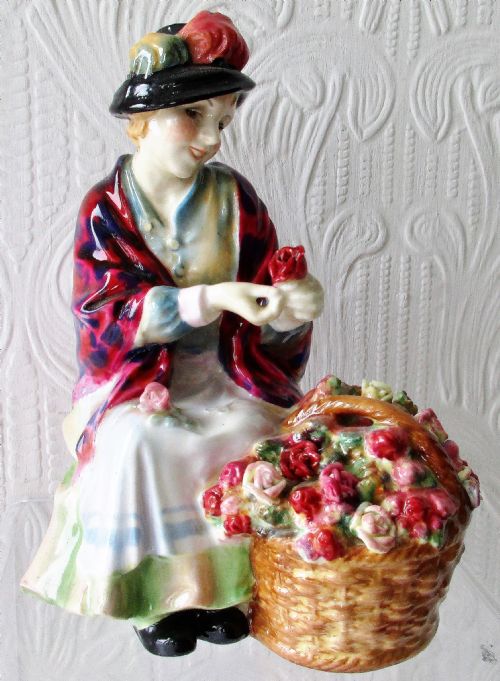
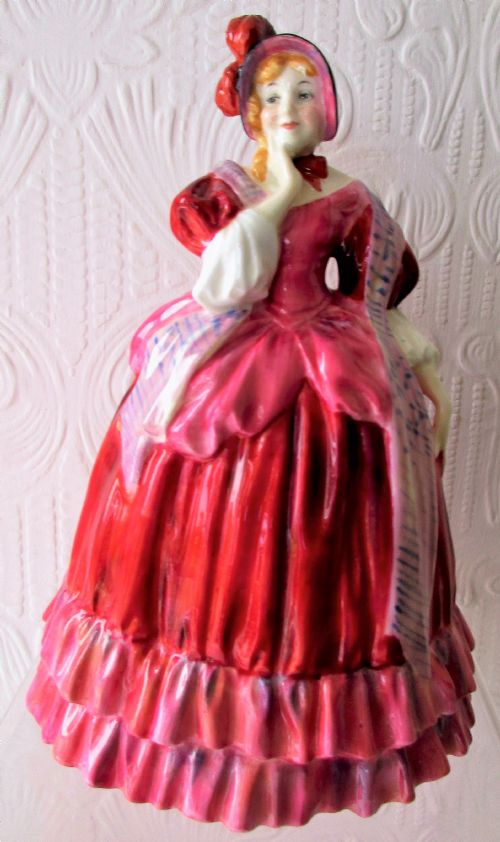
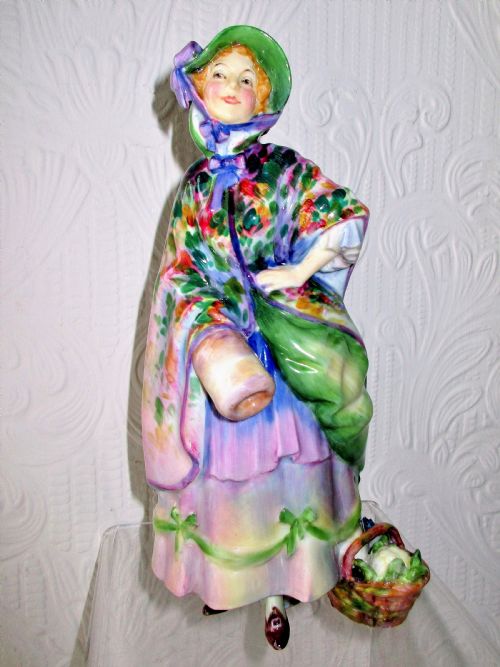
The selections on this page are most commonly represented by porcelain figurines from major factories like Royal Doulton, alongside hand-painted cabinet plates from Royal Worcester and Derby.
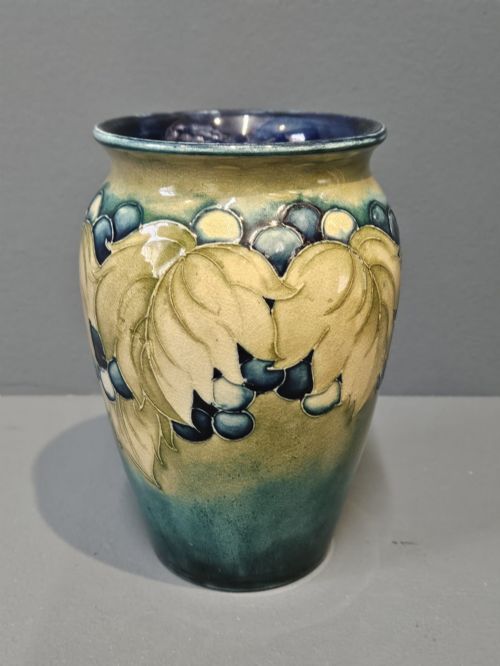
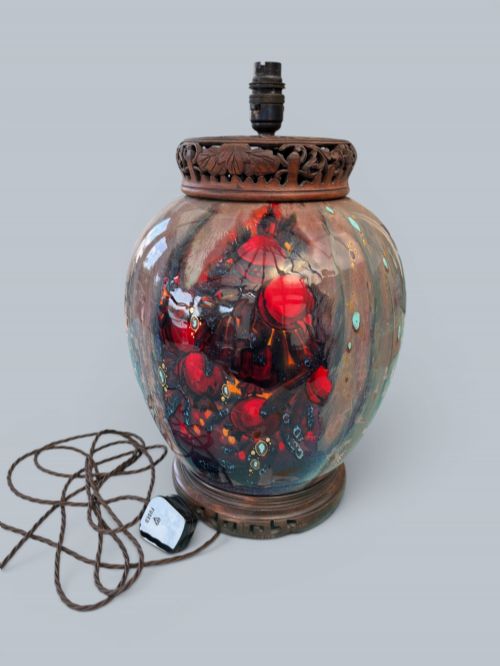
Vases, bowls, and studio pottery pieces also appear frequently, reflecting diverse regional traditions from Staffordshire, Moorcroft, and beyond.
Materials and methods
Potters utilised materials such as bone china, refined earthenware, pearlware, and hard-paste porcelain, shaping them either by hand on a wheel or through detailed slip-casting and moulding.
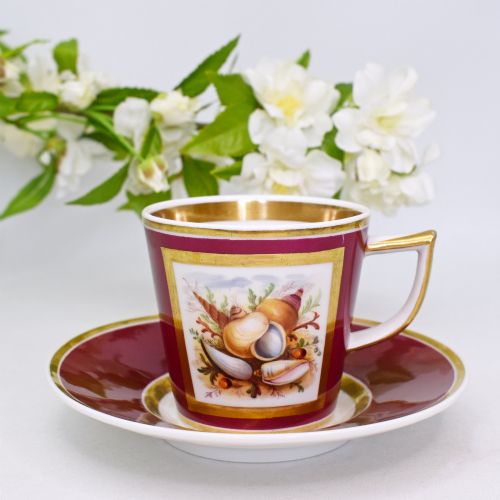
Glazing and enamelling processes required precise kiln firings, often incorporating hand-applied gold leaf, vibrant lustre finishes, and intricate overglaze or underglaze painting by named artists.
Snow leopards, wild boars, and domestic coffee cups sit side by side in the archive.
Factors of distinction
The standard of execution in modeling and painting sets exceptional pieces apart from standard production items, particularly where hand-painted details by recognised artists are present.
Preservation of the original glaze, enamel crispness, and the absence of restoration heavily influence the integrity of an object, alongside the clarity of factory marks and date ciphers.
Royal Doulton·Royal Worcester·Moorcroft·Derby Porcelain·Wedgwood·Staffordshire Pottery·Charles Vyse
The English Ceramic Collectibles Glossary
- Bone china
- A type of soft-paste porcelain containing bone ash, developed in England to provide high strength and whiteness. It allows for thin, delicate vessel walls.
- Pearlware
- An earthenware body developed by Josiah Wedgwood in the late eighteenth century, featuring a faint bluish glaze that pooled in recesses to mimic Chinese export porcelain.
- Enamel
- Vitreous colours applied over the glaze of a fired ceramic piece and fixed in a muffle kiln. It provides the bright palette seen on eighteenth and nineteenth-century figures.
- Lustre
- A metallic film applied to pottery or porcelain to give an iridescent or reflective sheen. Wedgwood utilised this technique extensively on decorative bowls.
- Cabinet plate
- A decorative ceramic plate intended for display on a wall or in a cabinet rather than for practical dining use. They often feature elaborate hand-painted pastoral or floral scenes.
English Ceramic Collectibles: Frequently Asked Questions
How do I date an English figurine?
Examine the base for factory stamps, painted numbers, or impressed registration marks that correspond to specific production years. Stylistic clothing details and glaze types also offer strong clues to the decade of manufacture.
Makers often changed their backstamps following royal appointments or restructuring, providing a reliable chronological framework for identification.
What is the difference between earthenware and porcelain?
Earthenware is a porous, opaque ceramic body fired at lower temperatures, commonly found in older Staffordshire figures and utilitarian vessels. Porcelain is vitrified, dense, and often translucent, requiring higher firing temperatures.
Porcelain rings when tapped lightly, whereas earthenware produces a duller sound due to its greater porosity.
How should I display ceramic collectibles?
Keep delicate items away from direct sunlight to prevent the fading of hand-painted enamels and gold leaf highlights. Display them in stable cabinets where they are protected from accidental knocks.
Ensure wooden shelving is level and avoid placing heavier items on top of delicate porcelain structures.