




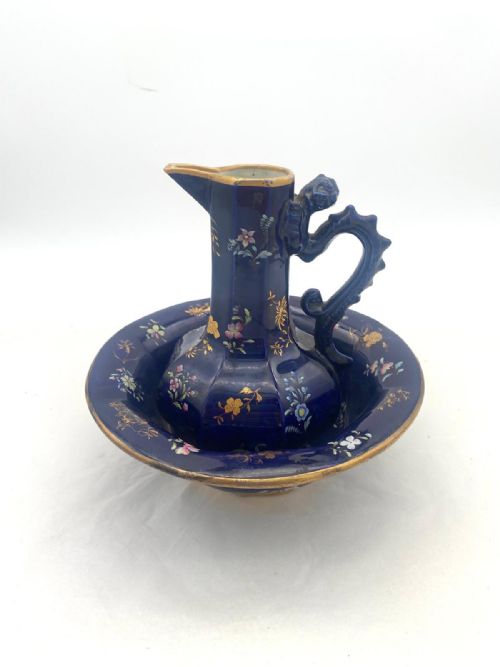
English Ceramic Bowl
When you search for an english ceramic bowl, you step into centuries of kiln craft from factories across the land.
English Ceramic Bowl
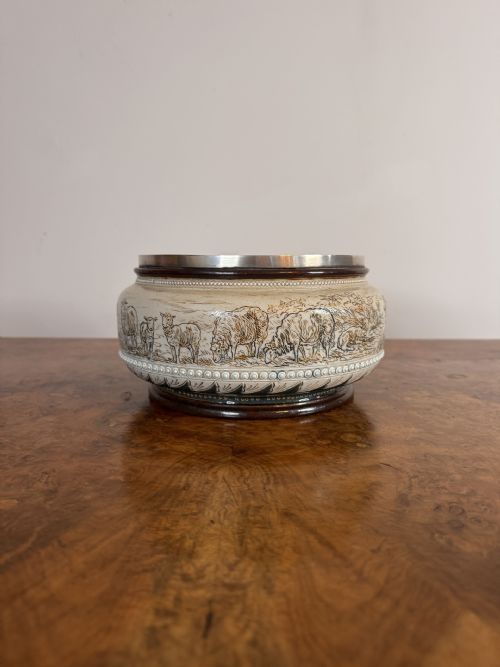
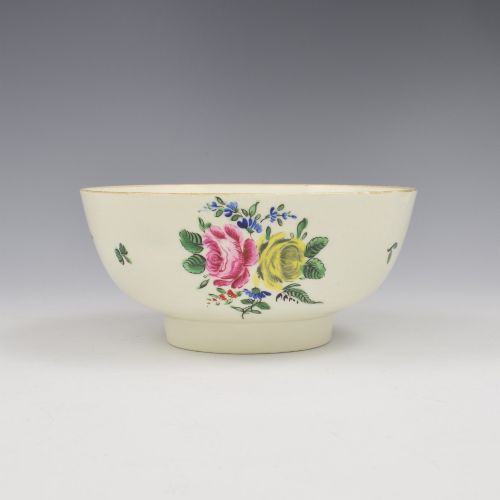
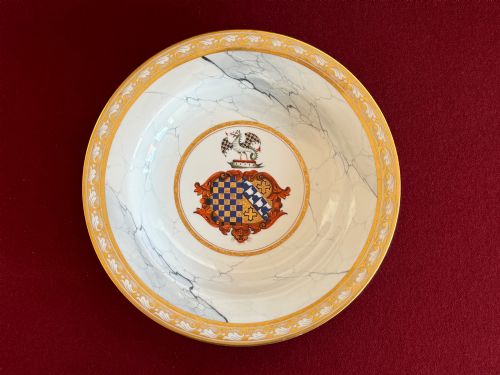
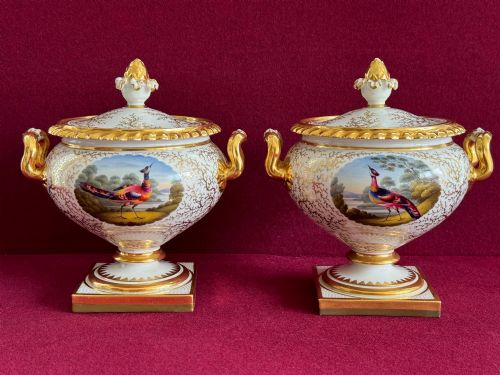
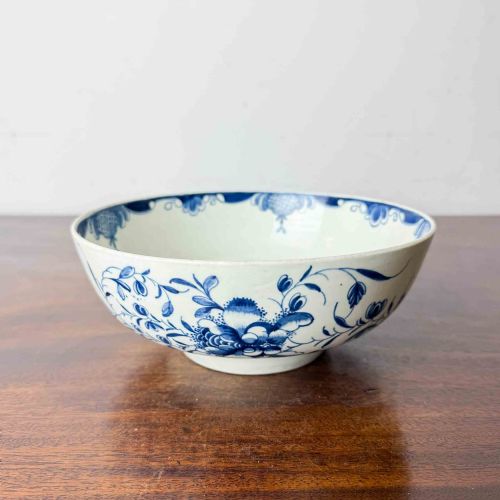
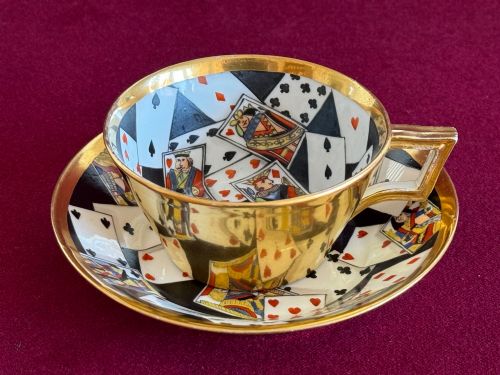
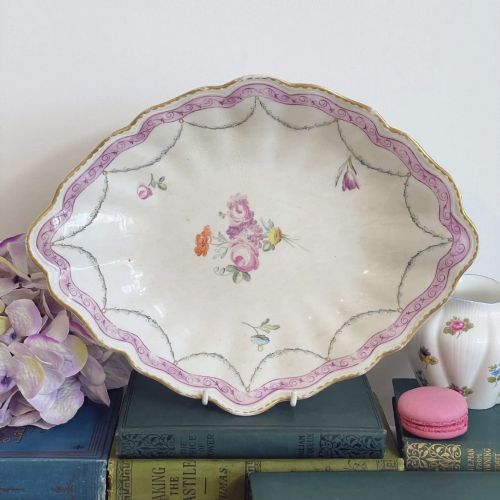
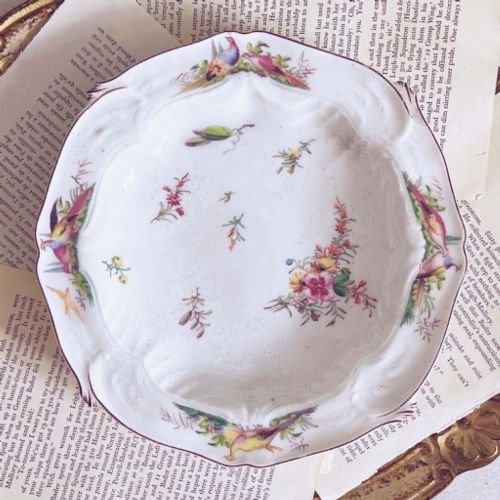
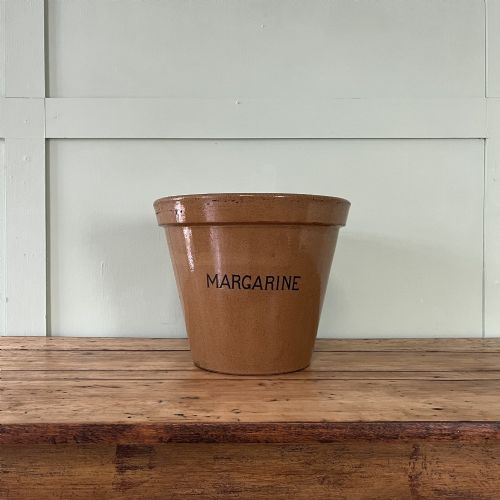
An english ceramic bowl encompasses forms ranging from eighteenth-century porcelain slop bowls to twentieth-century stoneware margarine vessels and earthenware serving pieces. The pieces recorded here cross Georgian, Victorian, and Edwardian periods, demonstrating the shifting domestic uses for ceramics over time.
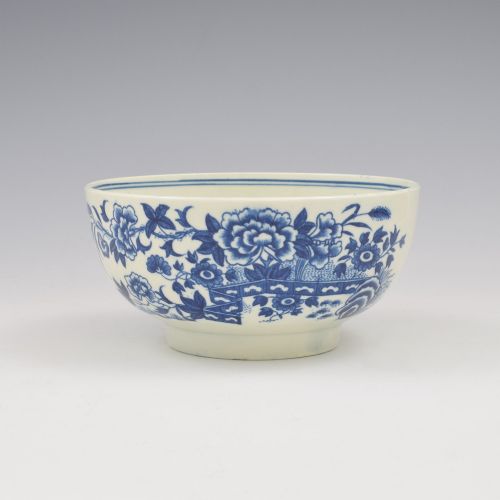
Porcelain and ironstone vessels from makers like Worcester and Spode represent the finer side of table service, whilst utilitarian pottery bowls supplied practical daily needs. A buyer encounters everything from delicate blue and white transfer patterns to rich polychrome enamel decorations.
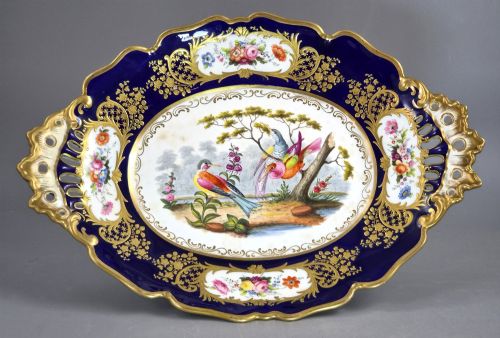
The selection includes specialised forms such as sugar bowls, junket dishes, and footed comports alongside open decorative bowls. These objects reflect the changing tastes of English households from the 1750s through to the 1940s.
Materials and methods
Potters utilised soft-paste porcelain, bone china, ironstone, and earthenware as the foundational bodies for these bowls. Materials like gold leaf and enamel provided surface enrichment over transparent or opaque glazes.
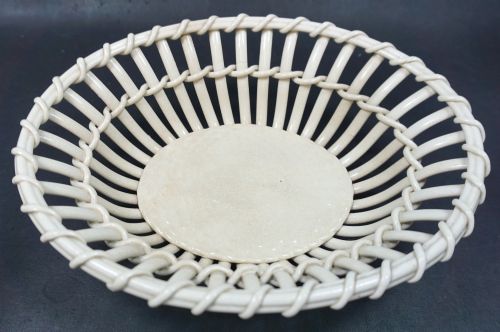
Decoration relied heavily on handpainted polychrome pigments and blue and white transfer printing to apply intricate patterns. Specialised techniques such as reticulation created openwork baskets, while gilding finished rims and handles.
English Ceramic Bowl Retail Price Guide 2026
Typical asking prices for english ceramic bowl among the pieces listed under this phrase on Sellingantiques today, from the lower quarter to the upper quarter. They describe what is for sale here now, not the wider market.
Listings span the eighteenth century through to the 1940s, encompassing earthenware, porcelain, and stoneware.
Evaluating quality and execution
Quality rests upon the precision of the handpainted or transfer-printed design and the clarity of the ceramic body. Crisp details in moulded elements and smooth glaze application distinguish superior domestic wares.
The sophistication of the palette, particularly in polychrome enamel or Imari patterns, elevates certain pieces above standard production. Maker attribution and well-preserved gilding also define the upper tier of the range.
Barr Flight and Barr·Royal Crown Derby·Coalport·Wedgwood·Spode·J and R Clews·Royal Doulton
The English Ceramic Bowl Glossary
- Slop bowl
- A waste bowl used during tea service to hold spent tea leaves or dregs. These vessels often match contemporary porcelain teasets.
- Ironstone
- A durable type of earthenware patented in the nineteenth century to imitate porcelain. It provides a sturdy body for heavily patterned tableware.
- Transfer printing
- A method of applying engraved designs to ceramics using paper pulled from a copper plate. This technique allowed for consistent reproduction of complex scenes.
- Sucrier
- A covered pot designed for holding sugar on the tea table. These often accompanied matching teacups and slop bowls.
- Comport
- A raised dish or bowl used for serving fruit or sweetmeats at the table. They frequently feature footed pedestals.
English Ceramic Bowl: Frequently Asked Questions
What was a slop bowl used for?
A slop bowl sat on the tea table to receive leftover tea and spent leaves before pouring a fresh cup. Servants or hosts emptied tea cups into this vessel during formal eighteenth and nineteenth-century gatherings.
These bowls matched the tea sets they accompanied, making them central components of antique porcelain collections today.
How do I care for antique ceramic bowls?
Wash antique ceramics gently by hand in warm water using a mild detergent. Avoid soaking pieces with gilt highlights or delicate enamel work to protect the surface.
Display or store bowls away from direct sunlight and sudden temperature shifts to preserve the glaze and body.
What is the difference between porcelain and ironstone?
Porcelain is a vitrified, translucent ceramic fired at high temperatures, common in fine eighteenth-century tea wares. Ironstone is a dense, opaque earthenware developed in the nineteenth century for durability.
Ironstone bowls handle heavier daily use, while porcelain pieces prioritize refined thinness and decorative detail.
How can I tell the period of a bowl?
Look to the paste, glaze characteristics, and underglaze marks or patterns for clues to the era of manufacture. Georgian pieces often display soft-paste porcelain bodies or delicate transfer prints, while later Victorian and Edwardian items introduce heavier ironstone or distinct earthenware bodies.
Comparing known maker marks helps narrow down production dates to specific decades.