


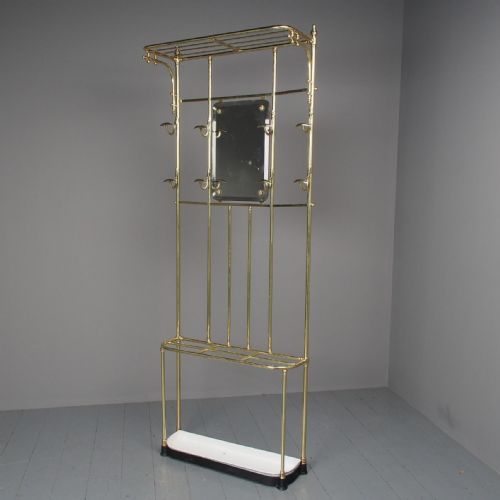
English Cast Iron Umbrella Stand
An english cast iron umbrella stand anchors a hallway with robust weight and intricate openwork, keeping wet weather neatly contained.
English Cast Iron Umbrella Stand
When you search for an english cast iron umbrella stand, you encounter heavy hallway furnishings designed to hold walking sticks and wet umbrellas. These hall accessories appear predominantly in Victorian and Edwardian forms, frequently incorporating umbrella loops and portico designs.
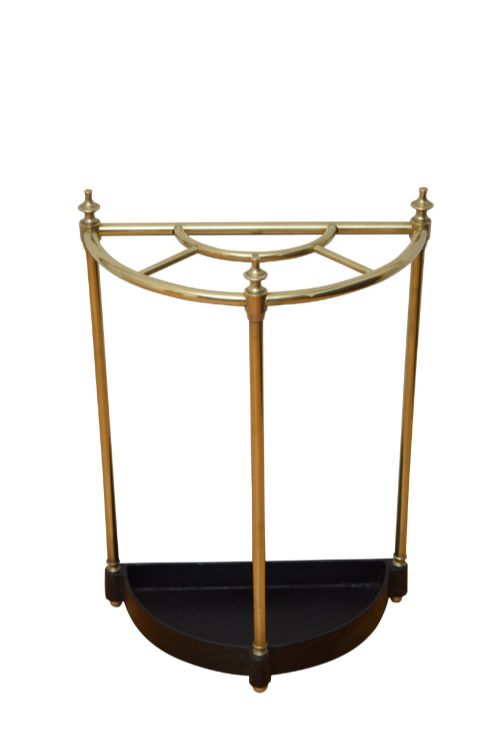
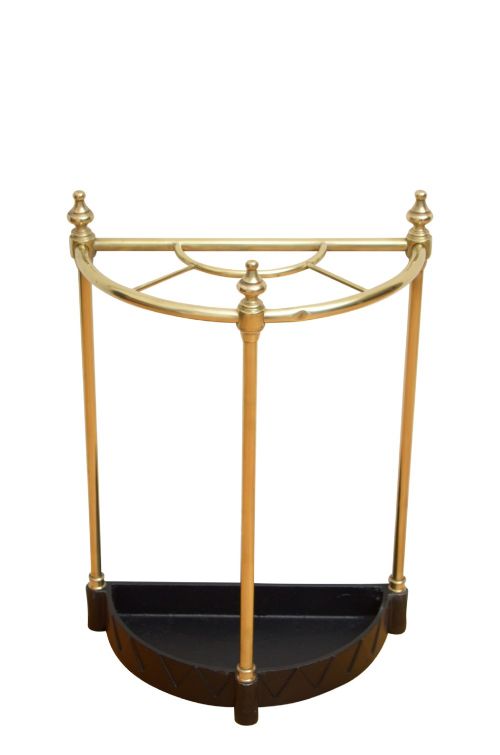
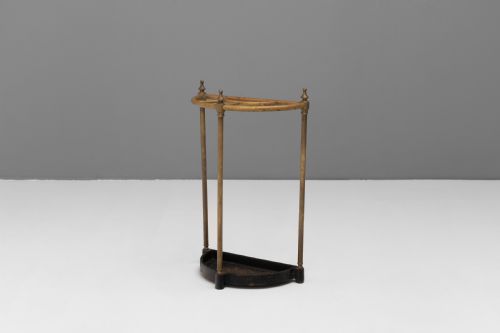
The pieces on this page span the nineteenth century into the early twentieth century. Alongside standard umbrella and stick stands, you meet larger coat stands and demi-lune configurations intended to sit flush against a hallway wall.
Victorian examples dominate the selection, bringing substantial weight and decorative gothic or ornate tastes to the entrance hall. Edwardian iterations continue this heavy metal tradition into the nineteen hundreds.
How They Were Made
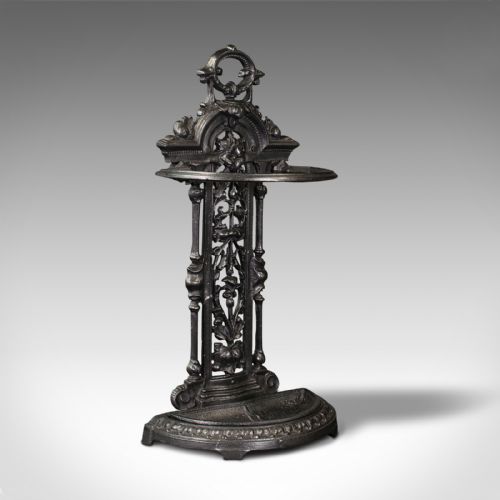
Foundries utilised durable cast iron to achieve intricate openwork patterns, structural loops, and architectural portico frames. Molten iron poured into sand moulds produced crisp decorative details that could withstand daily use in busy hallways.
Brass elements and drip trays frequently accompany the iron structures, managing moisture from wet umbrellas and providing contrasting metallic highlights. Painted finishes appear across many pieces, protecting the metal while adding colour and depth to the cast decoration.
The listings span Victorian and Edwardian periods, featuring cast iron and brass materials formed into umbrella stands, coat stands, and stick racks.
What Varies in Quality
The distinction between standard examples and finer pieces lies in the crispness of the casting and the ambition of the design. Elaborate portico stands and ornate gothic revival motifs demonstrate superior foundry skill compared to plain utility designs.
Completeness dictates much of the standing within this category, particularly the presence of original removable drip trays and undamaged umbrella loops. The integration of structural brass details alongside the primary cast iron body further elevates the sophistication of the piece.
The English Cast Iron Umbrella Stand Glossary
- Cast Iron
- An iron-carbon alloy poured into moulds to create rigid, decorative objects. This heavy material provides the structural foundation for durable nineteenth-century hallway stands.
- Demi-Lune
- A half-moon shape designed to sit flat against a wall. Such stands save valuable floor space in narrow entrance halls.
- Portico
- An architectural framework featuring columns and an overhead structure. In umbrella stands, this style creates a grand, monumental presence.
- Umbrella Loop
- A metal divider or ring that keeps individual sticks and umbrellas upright. These loops prevent wet items from leaning haphazardly against hallway walls.
English Cast Iron Umbrella Stand: Frequently Asked Questions
Where should I place an umbrella stand?
These heavy metal stands belong in a porch, boot room, or entrance hallway where wet weather gear is discarded. Their substantial weight keeps them stable even when loaded with heavy walking sticks.
Ensure the stand sits on a surface capable of handling occasional stray drips, although most examples include an integrated tray to catch moisture.
How do I clean cast iron?
Dust the iron framework regularly with a soft brush to keep the openwork clear of debris. Avoid harsh chemical cleaners that might strip historic painted finishes.
For unpainted metal, a very light application of appropriate wax or oil helps protect the surface from moisture in damp hallway environments.
Are drip trays usually original?
Many surviving stands retain their original metal trays designed to catch water from umbrellas. Because these removable trays suffered heavy use and rust, replacements do occur.
Examine the fit and patina of the tray to see whether it matches the age and wear of the main cast iron structure.
How do I date these stands?
Stylistic clues such as gothic revival motifs, ornate Victorian casting, or simpler Edwardian lines help narrow down the period. Patent marks, registration numbers, or foundry stamps occasionally appear on the ironwork.
Comparing the construction methods and bolt types against documented nineteenth-century examples provides further chronological certainty.